Stories / History
Monday, November 11, 1811.
The morning the artisans of Getsemaní forced Cartagena's independence, who Pedro Romero was, and how the city celebrates its greatest date today.
Cartagena Social Club · 6 min read
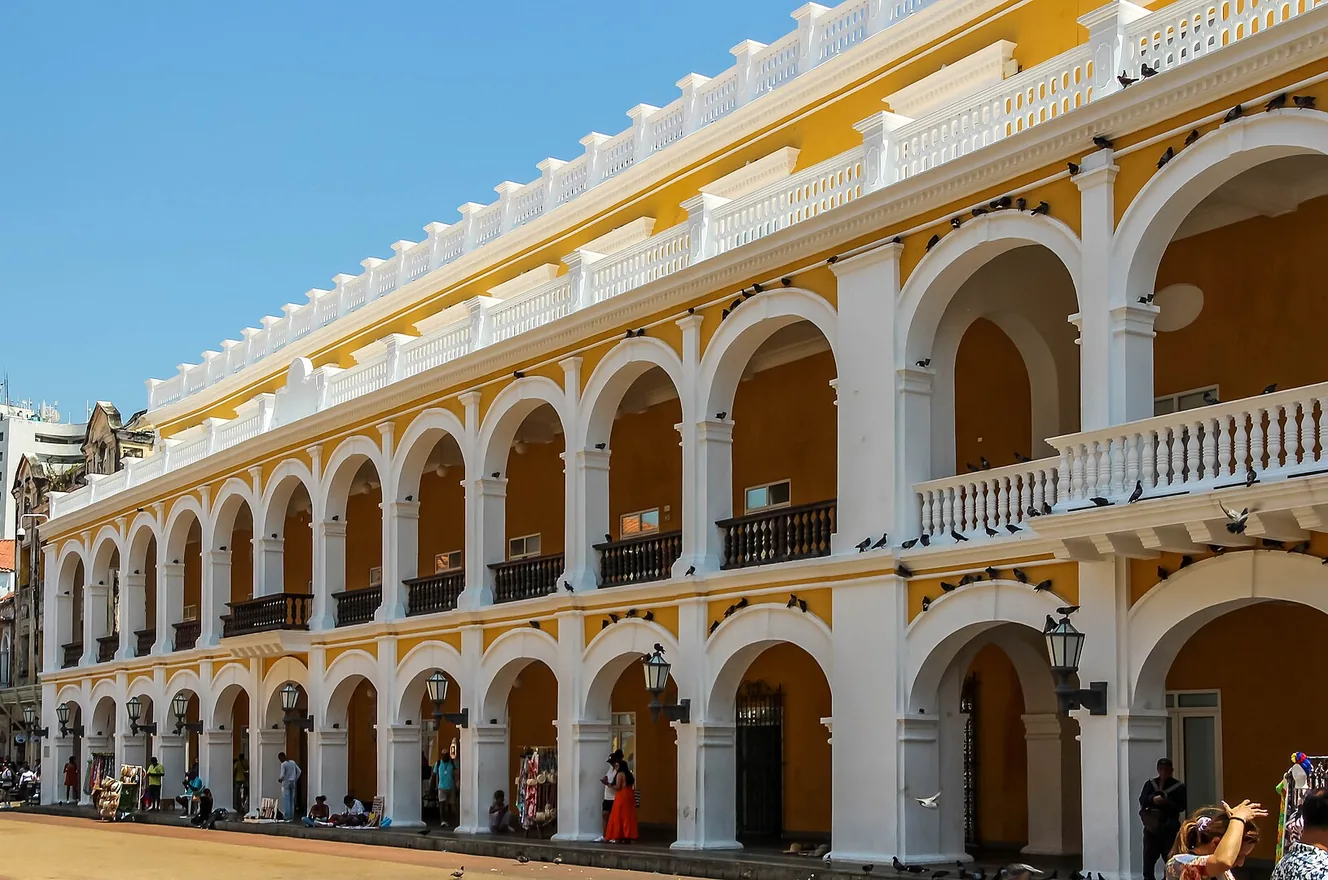
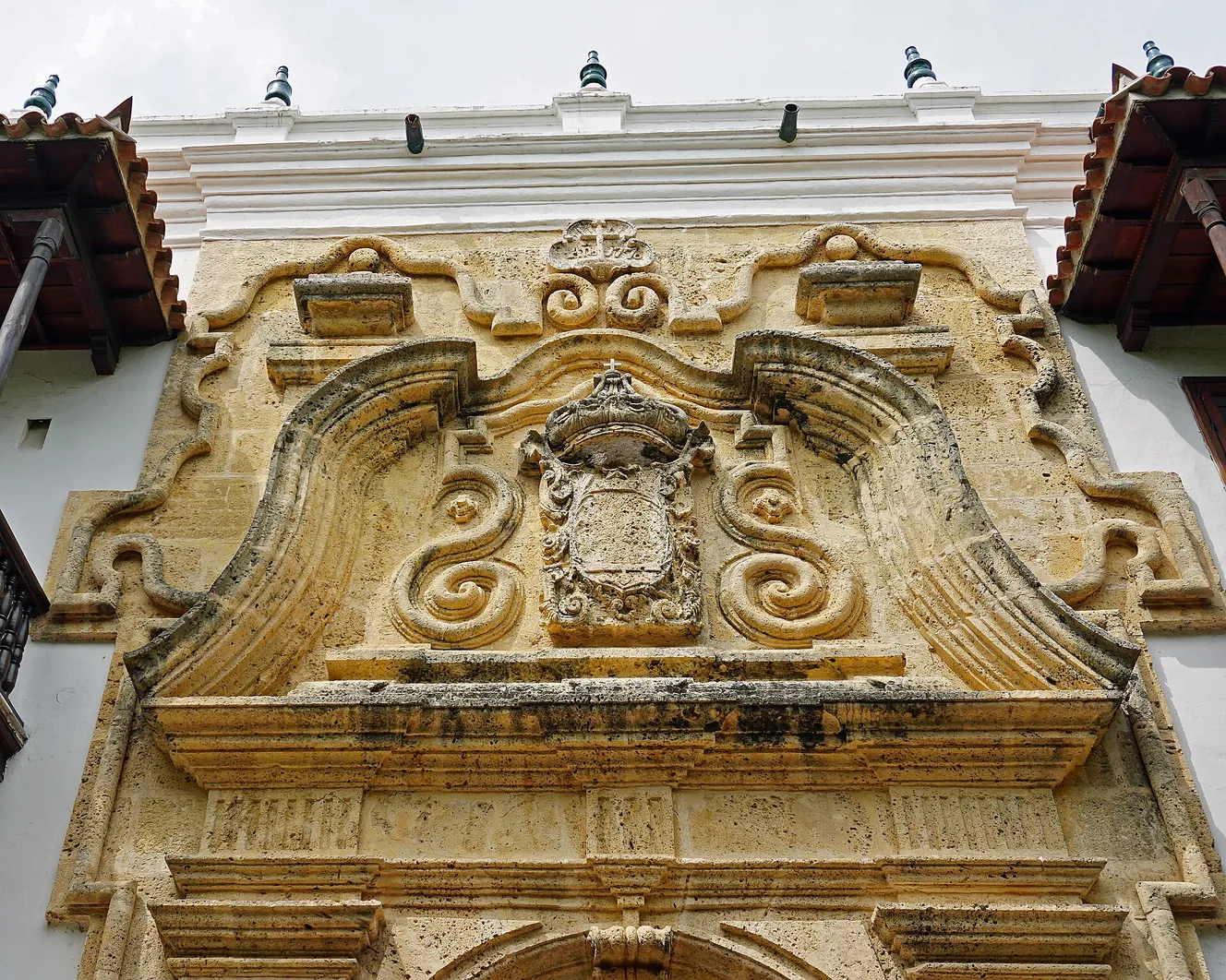
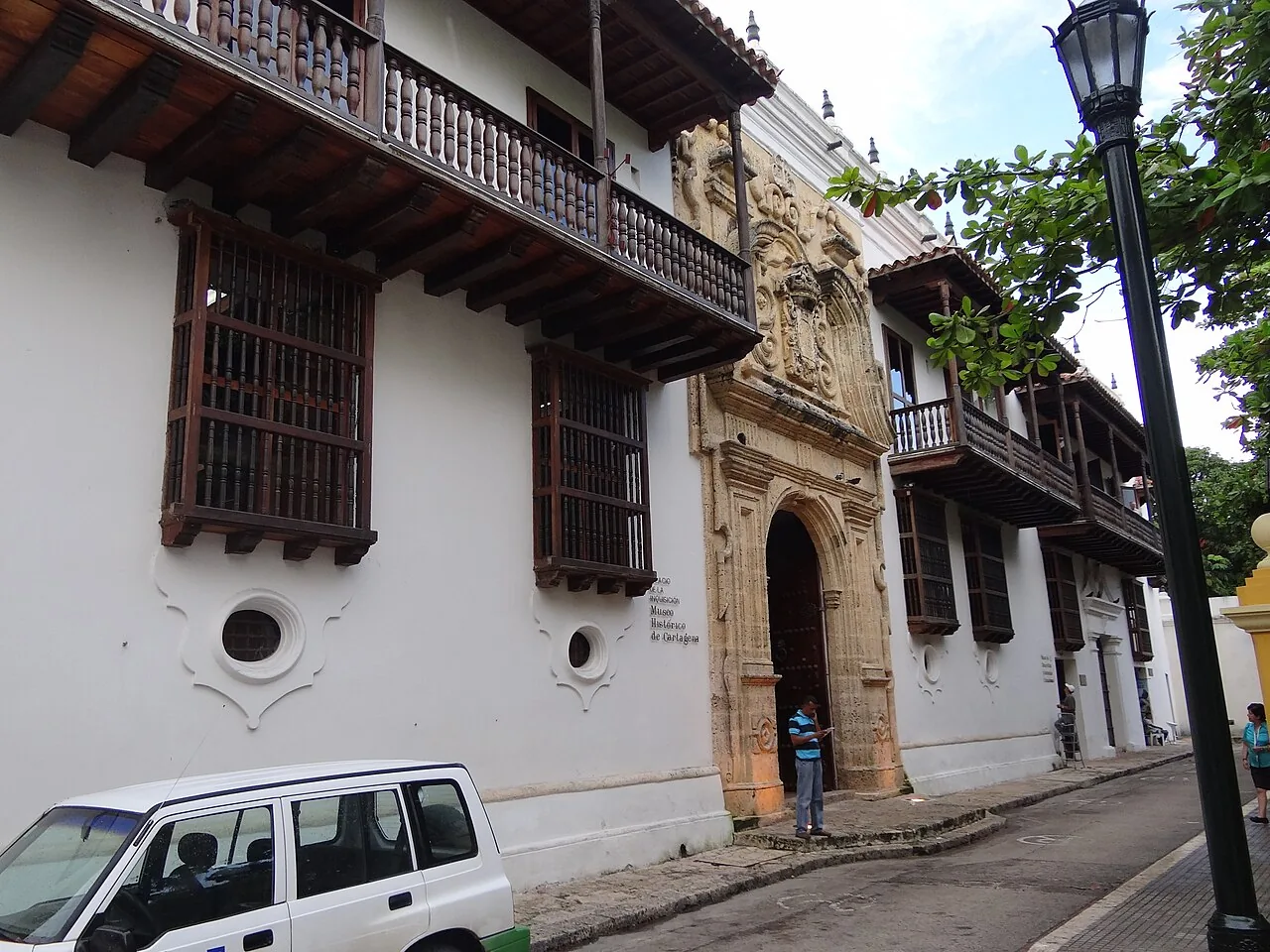
The Palacio de la Proclamación, whose name recalls the independence of 1811. Photo: Dr. Thomas Liptak / Wikimedia Commons (CC BY-SA 4.0)
Cartagena celebrates its independence on November 11, not on July 20 like the rest of Colombia. The difference is not a local whim. On that day in 1811, the province of Cartagena declared itself a “free, sovereign and independent State” from Spain, and it did so pushed from the street by the artisans and pardo — mixed-race — militiamen of the Getsemaní district. It was the second declaration of absolute independence in South America, after Venezuela's.
Behind that day there is a neighborhood, a blacksmith and a question the city still debates: who the true protagonists of independence were and how they are remembered.
An indecisive junta and an armed neighborhood
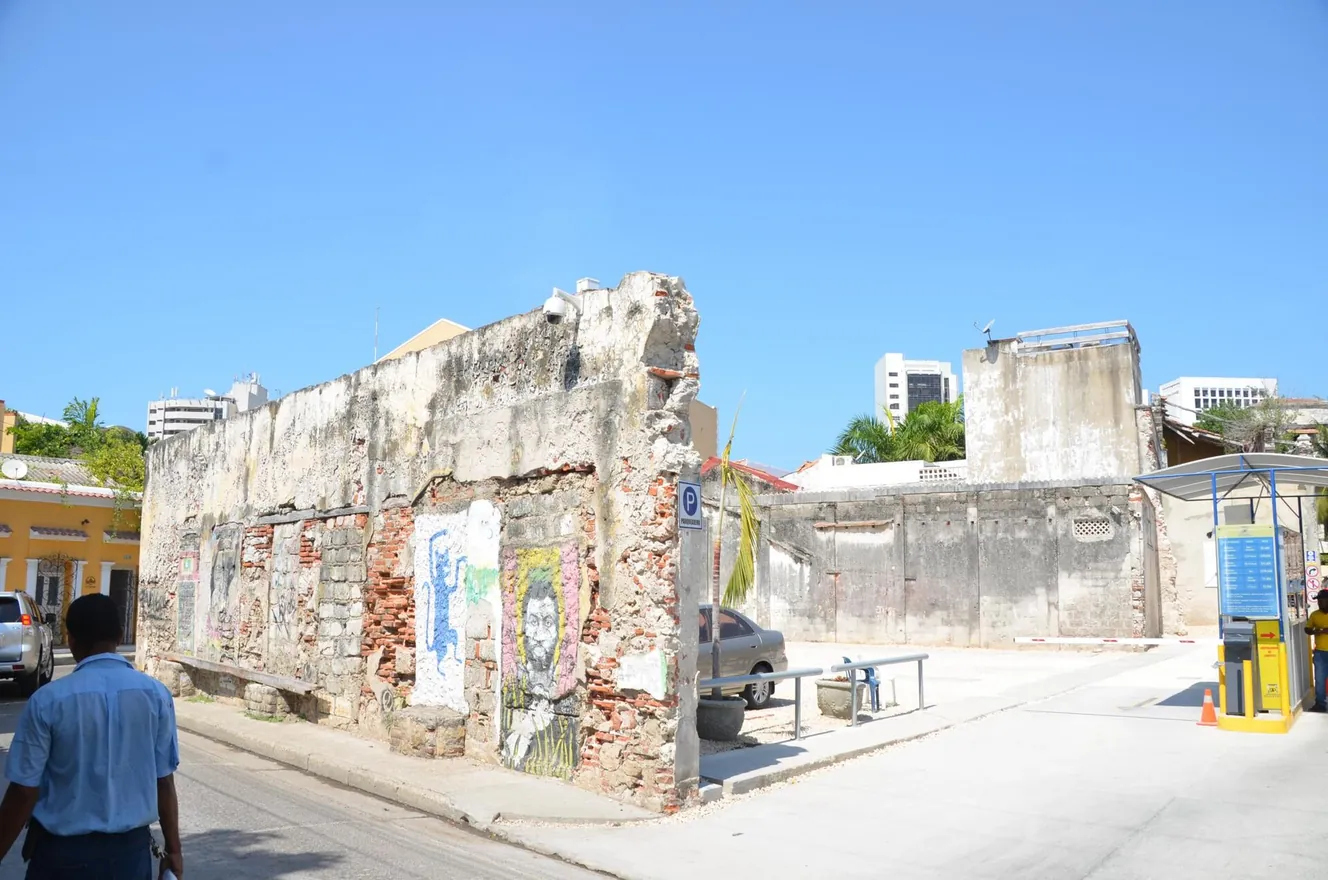
Since 1810, Cartagena had been governed by a Junta Suprema that had deposed the Spanish governor but could not bring itself to break completely with the Crown. In the arrabal — the outlying quarter — of Getsemaní, outside the main walled precinct of the city, lived artisans, fishermen and free workers, mostly pardos and mulattos. The historian Guillermo Hernández de Alba, in an article for the Boletín Cultural y Bibliográfico of the Banco de la República, describes how they organized into the corps of the Lanceros de Getsemaní and the Patriotas Pardos, encouraged by the brothers Gabriel and Vicente Gutiérrez de Piñeres, natives of Mompox and supporters of absolute independence.
The best account of what happened that Monday is nearly contemporary. In December 1811, the Gaceta Ministerial de Cundinamarca published a narrative titled “Cartagena. Historia de su revolución del lunes 11 de noviembre,” which Hernández de Alba reproduced in full. According to that text, at half past eight in the morning people began running through the streets and shutting doors and shops: the pardos of Getsemaní had gathered, armed, in the plazuela de San Francisco and were trying to take the city gates.
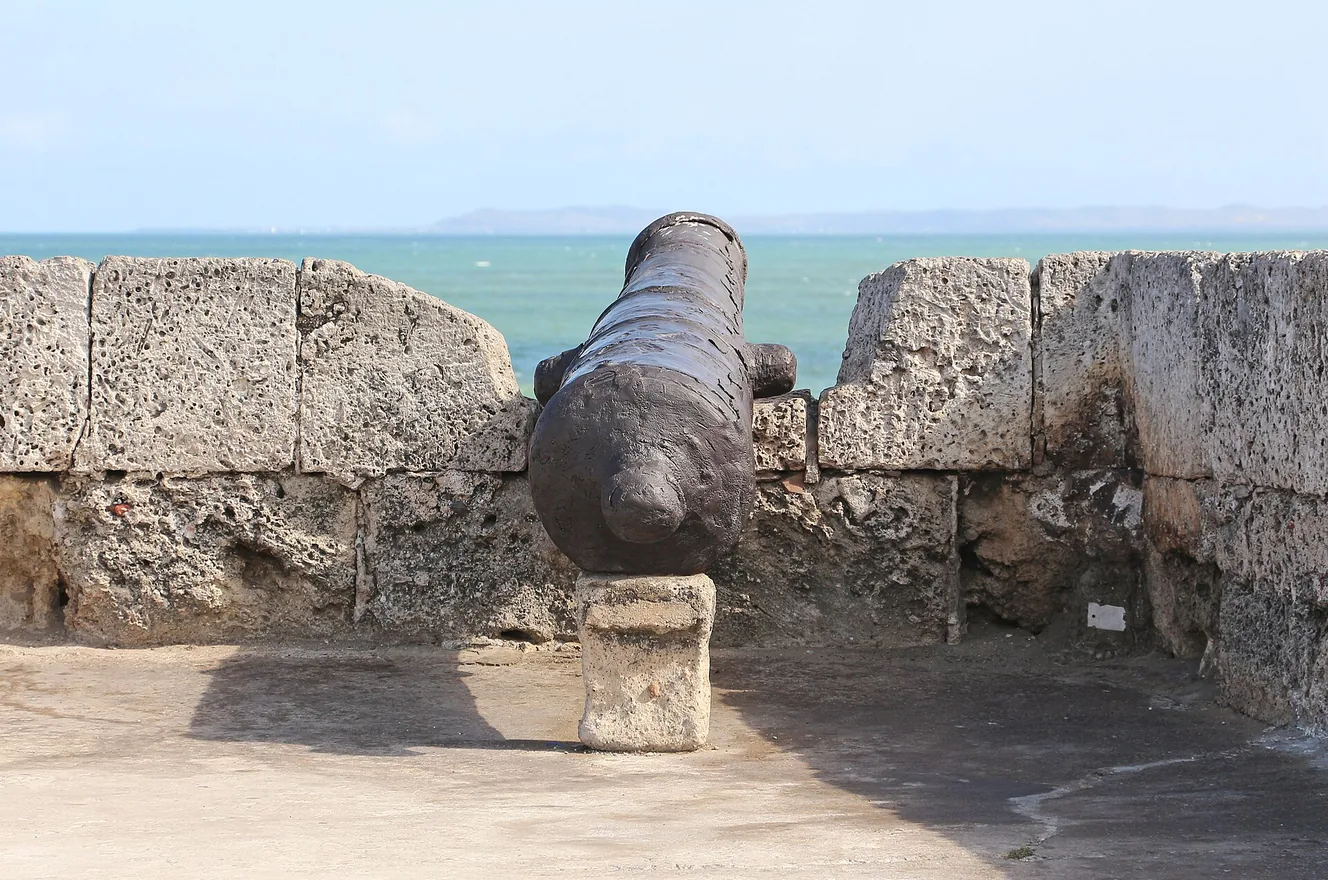
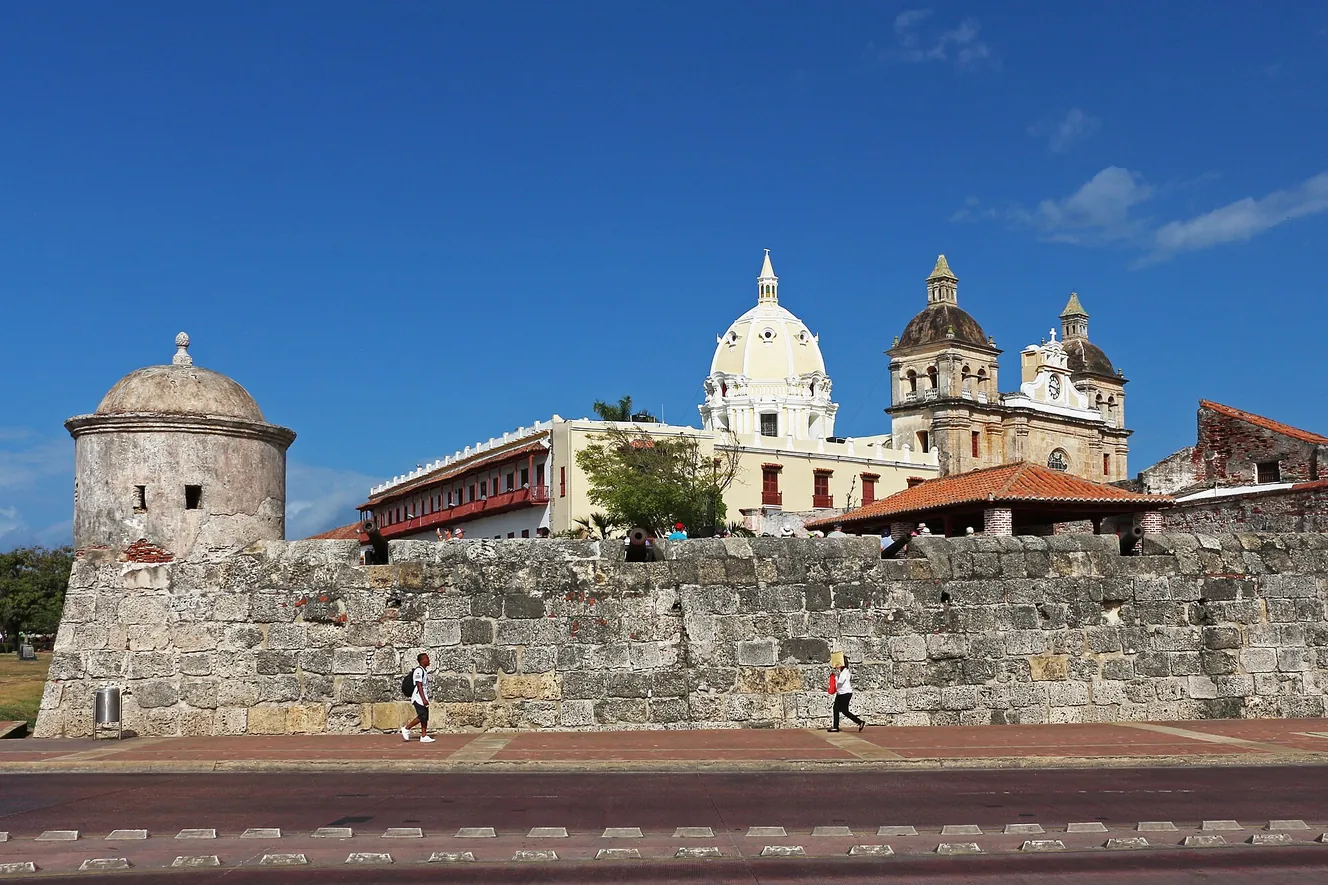
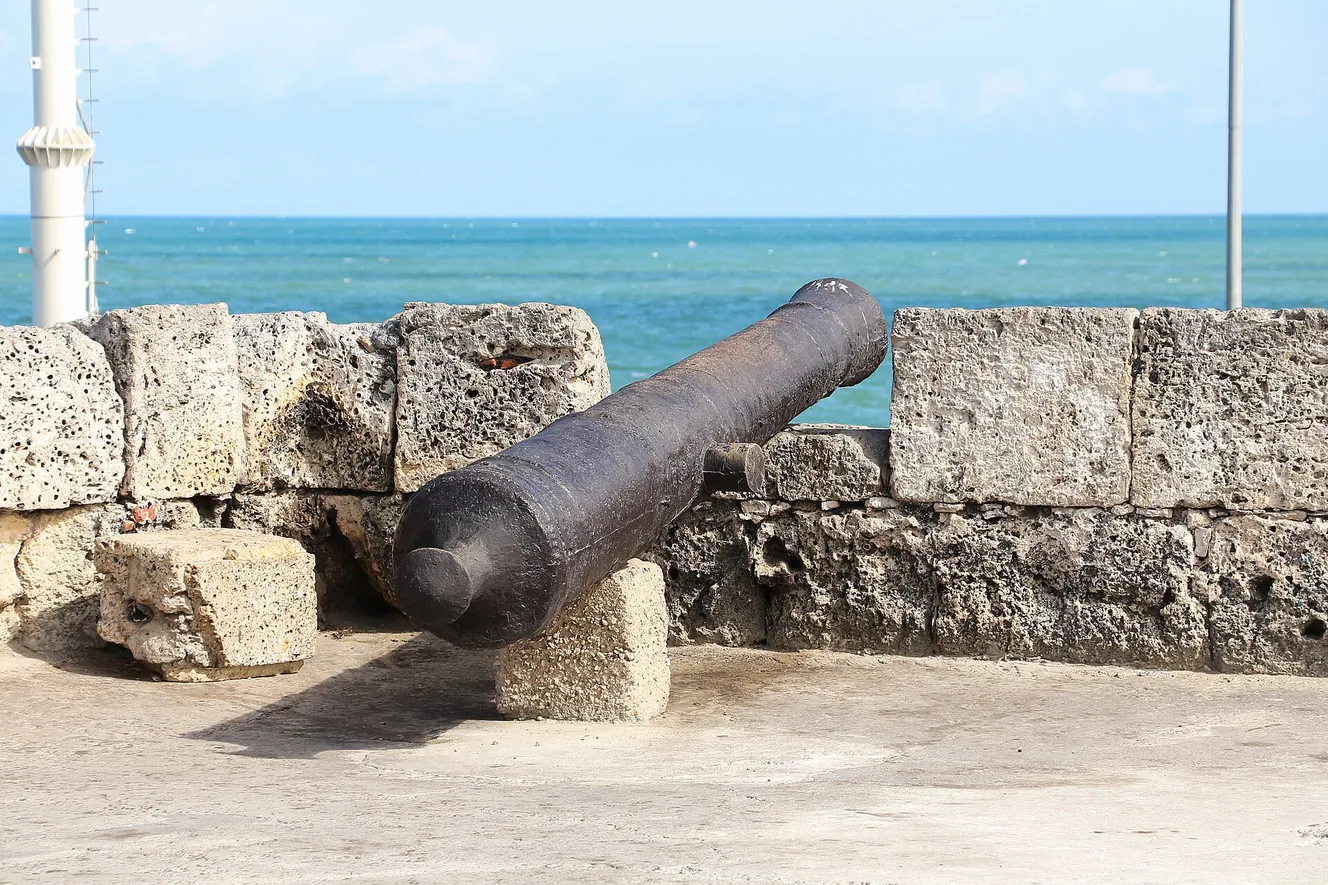
Shortly afterward, cannon fire was heard from the walls. The militiamen had seized the artillery and the main bastions, and were aiming the cannons at the barracks of the Regimiento Fijo to keep the troops from coming out. The Junta met and received the people's deputies, who carried a list of demands. The first was that Cartagena be declared absolutely independent of Spain and of every foreign nation.
The Junta approved it. That same day a bando — a public proclamation — was issued, escorted by all the military corps, declaring the province a sovereign State. Among the other demands the people won were that the Inquisition be abolished and the inquisitors given passports, that the legislative, executive and judicial powers be separated, and that in the pardo military corps the officers also be pardos.
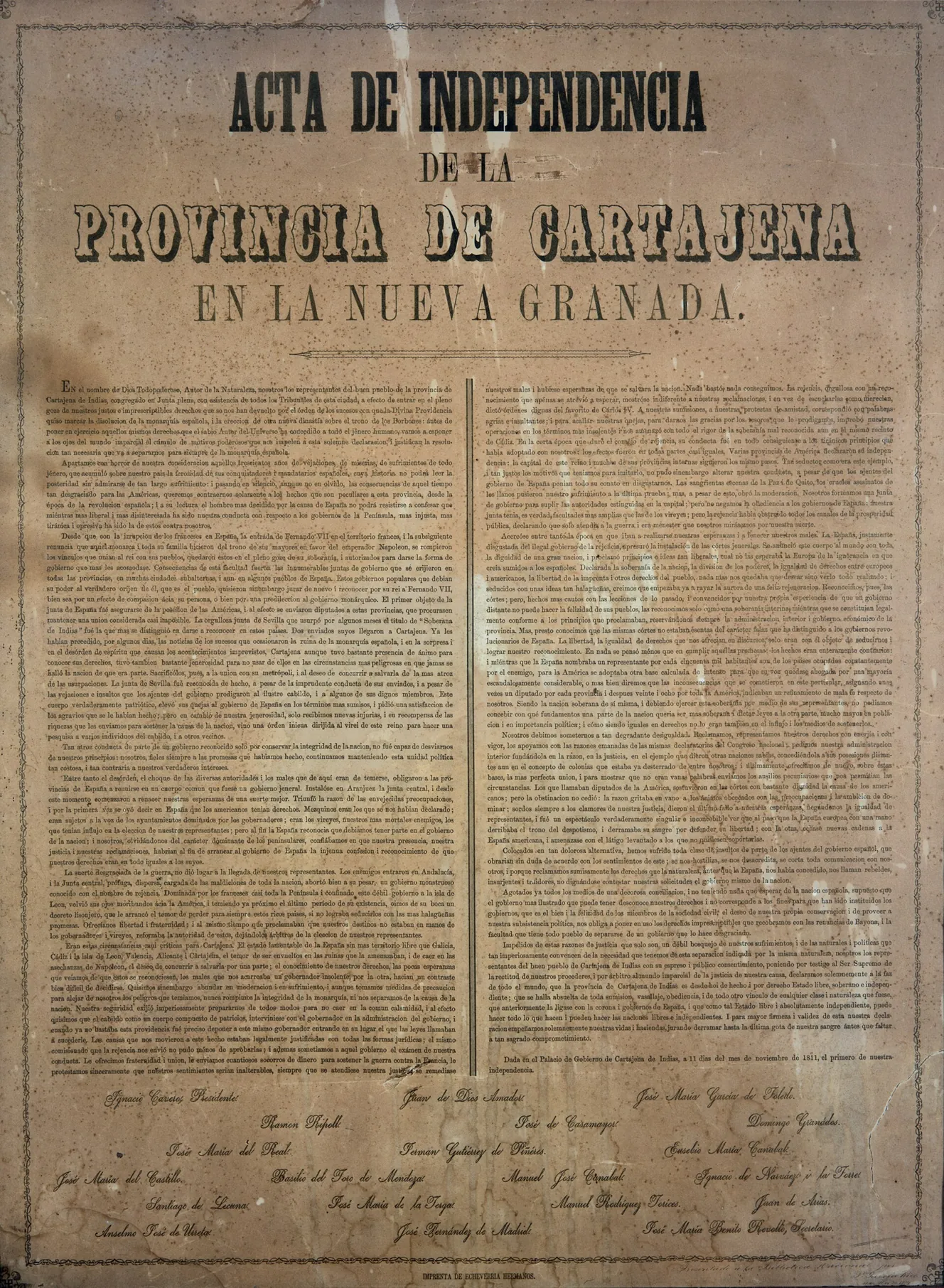
The act of independence closed with an oath: the signatories declared “before the face of the whole world” that the province was “from today, in fact and by right, a free, sovereign and independent State.” It was signed by Ignacio Cavero, president of the Junta, Germán Gutiérrez de Piñeres, José María García de Toledo and other members of the Junta and the cabildo, the city council. The Museo Histórico de Cartagena holds that document today.
The following days were not calm. The historian Manuel H. Pretelt Mendoza, in another article in the Boletín Cultural, recalls that after the events of November 11 the popular pressure on the authorities was such that José María del Real, president of the new State's constituent convention, was granted extraordinary powers. Independence had been born in the street, and the street kept asking for its share.
Pedro Romero, the blacksmith
Among the names that do not appear in the act is the one the city most associates with that morning: Pedro Romero, leader of the Lanceros de Getsemaní. For a long time it was repeated that he had been born in Matanzas, Cuba. Research by the historian Sergio Paolo Solano, published in the journal Historia Crítica in 2016 and reported by El Universal, found a letter from 1810, kept in the Archivo General de la Marina Álvaro de Bazán in Spain, in which Romero declares in his own hand that he is a “native of Cartagena de Indias.”
Solano also traced him through the colonial censuses. In the 1777 census of the Getsemaní neighborhood appears Pedro Romero, 21, single and a blacksmith, son of Andrés Romero, a man “of the sea.” In 1780 he is listed as pardo, militiaman and married, with his workshop in the Santa Catalina neighborhood. He was a master in the workshop of the Maestranza del Arsenal, where parts for cannons and ships were forged, and came to own several properties in the city.
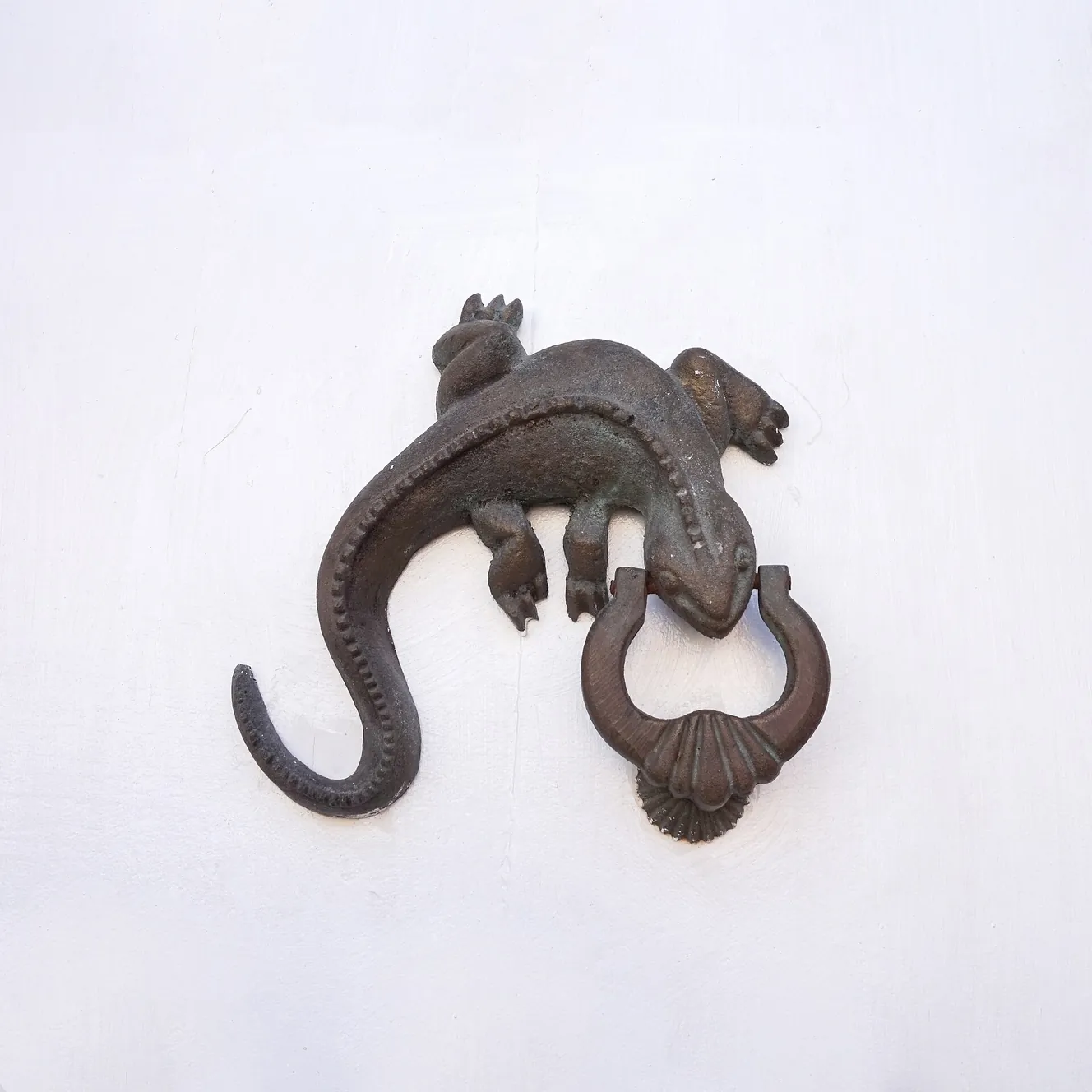
His figure is less simple than that of the bronze hero. The same report recalls that in 1810 he petitioned the king to allow his son to study law in Santa Fe, at a time when the university was closed to pardos, and that enslaved people worked in his house. After Pablo Morillo's siege, in December 1815, he left the city for Haiti, where he died shortly afterward.
No reliable portrait of his face survives. For years a bust in the Plaza de la Trinidad passed for his, although the sculptor Héctor Lombana, lacking images, had used the painter Alejandro Obregón as his model, El Universal reports. Today that Getsemaní square holds sculptures of the lanceros and of a Romero with his fist raised.
From the siege of 1815 to the festival
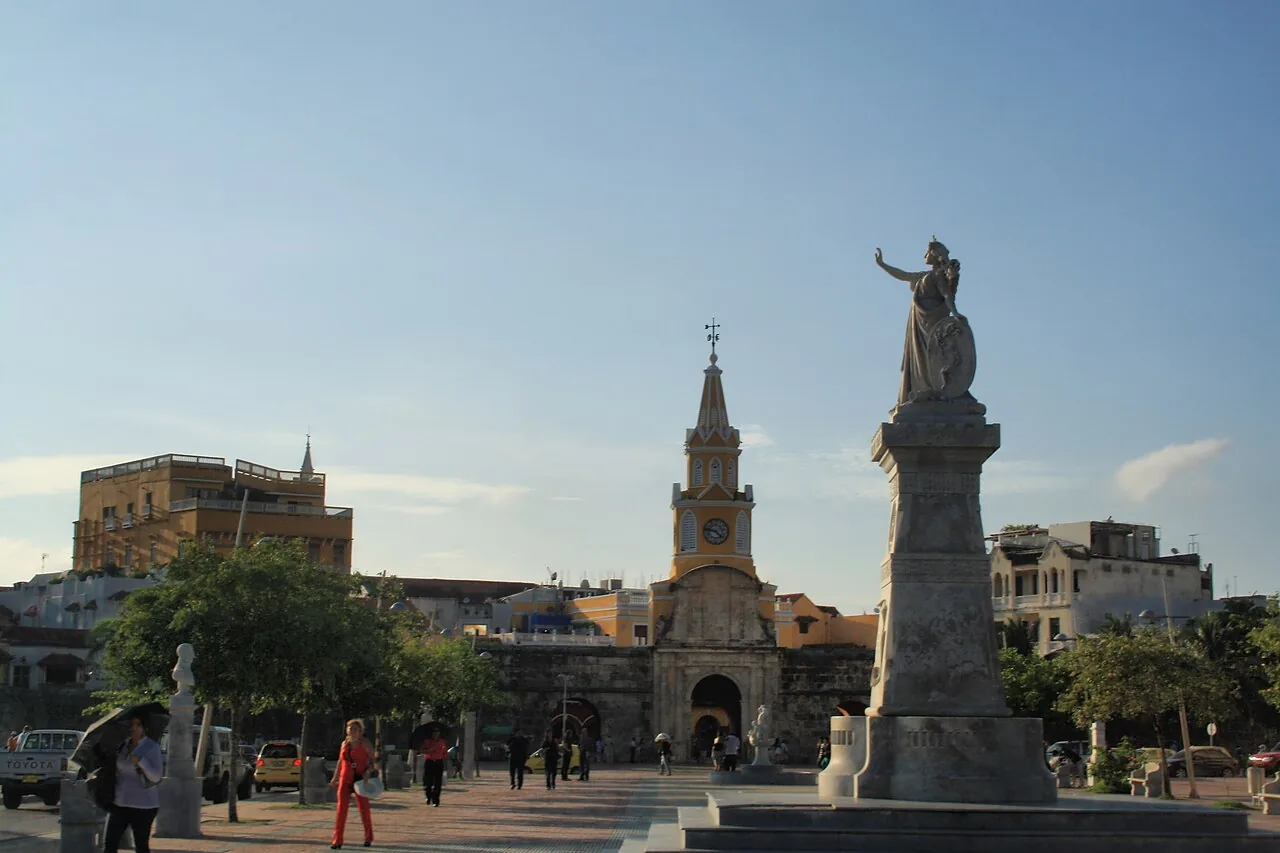
The independence of 1811 did not last. In 1815, Pablo Morillo besieged the city for more than a hundred days, and his troops occupied it on December 6. Cartagena only passed definitively into republican hands in October 1821. Before that, on February 24, 1816, Morillo had nine of the city's leaders shot in front of today's Torre del Reloj, among them Manuel del Castillo, Martín Amador and José María García de Toledo, one of the signatories of the act. Their busts stand today on the Camellón de los Mártires, as Radio Nacional recalls. But November 11 remained the city's own date, with a festival that mixes civic memory, parades, comparsas — costumed dance troupes — music and popular beauty pageants.
In 2026 the celebration carries special weight. In July, according to El Universal, the November 11 Independence Festivities were recognized as Intangible Cultural Heritage of the Nation. The official program, presented on September 16 at the Centro de Convenciones, began in October with preludes in the city's districts and is concentrated in the week of November 8 to 16.
According to that schedule, November 8 brings the Desfile de la Diversidad and the Fiesta de Grandes Lanceros; the 10th, the Desfile en Honor a los Héroes; and the 11th, the central date, the solemn session of the District Council and the floral offering. On Thursday, November 12, from 10:00 a.m. to 12:00 noon, the Gran Desfile de Independencia runs along Avenida Santander. Friday the 13th brings the Festival Náutico and the Bololó del Arsenal, headlined by Juan Luis Guerra; Sunday the 15th, the Cabildo de Getsemaní. The mayor's office declared November 11, 12 and 13 civic holidays.
Anyone who wants to keep the night going after the parades will find at Casa Salvaje, on Calle Santa Teresa in the Centro, a colonial house with two restaurants, Kanibal and SLVJ, and a club that opens Thursday to Saturday until 3 a.m. During festival week, Thursday the 12th, Friday the 13th and Saturday the 14th coincide with those club nights.
But the festival has its origin in the street, and it is worth starting there. A walk through Getsemaní, from the plazuela de San Francisco to the Plaza de la Trinidad, follows the same route the lanceros took that morning. There, among colorful houses and murals, you understand that Cartagena's independence was, before it was a document, a neighborhood's decision.
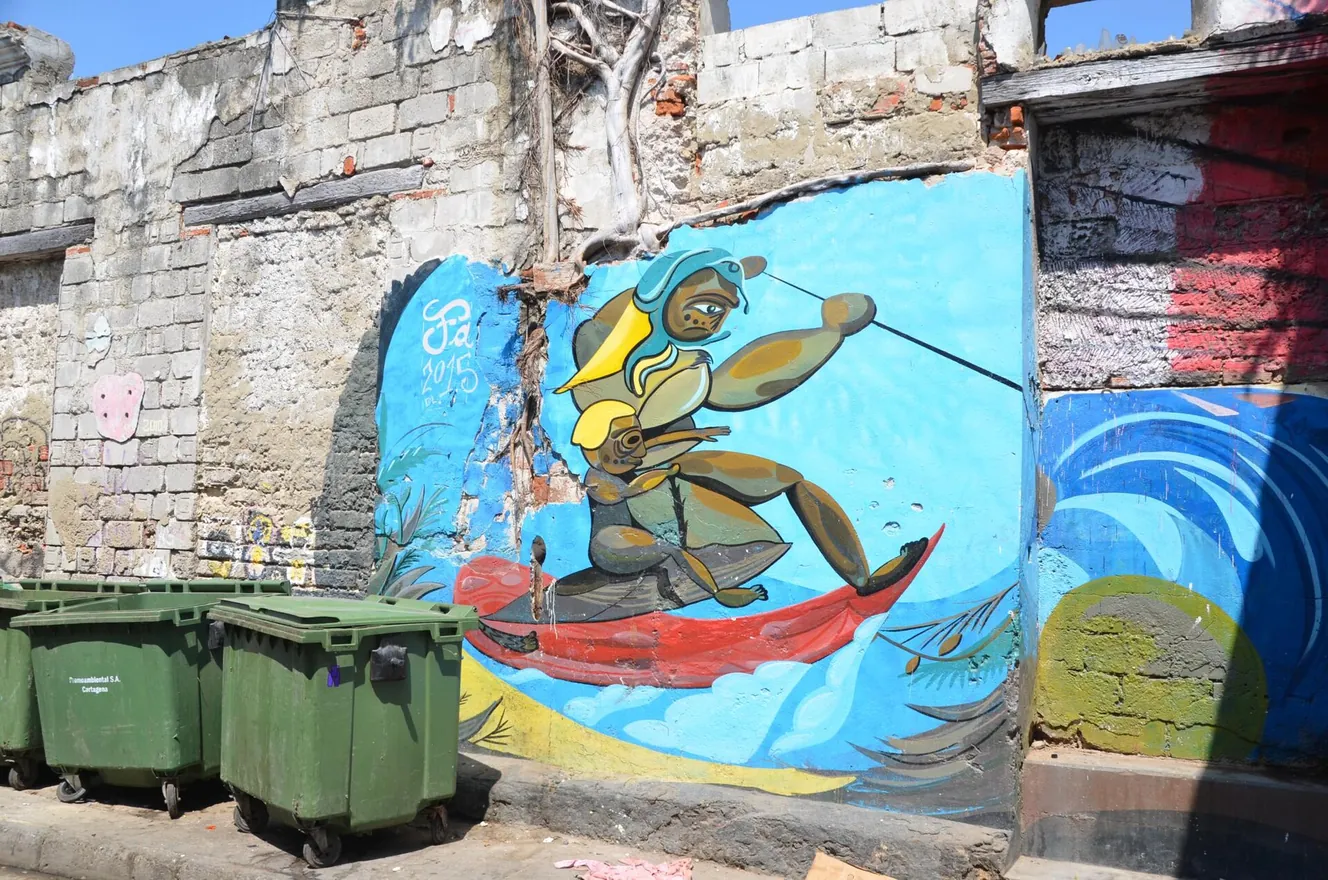
Cartagena's independence was, before it was a document, a neighborhood's decision.
Sources
- Banco de la República · Boletín Cultural y Bibliográfico: Guillermo Hernández de Alba, «La gloriosa jornada del 11 de noviembre de 1811» ↗
- Banco de la República · Boletín Cultural y Bibliográfico: Manuel H. Pretelt Mendoza, «José María del Real Hidalgo, prócer de la Independencia de Cartagena» ↗
- El Universal (2017) · Pedro Romero, el héroe sin rostro ↗
- Historia Crítica (2016): Sergio Paolo Solano D., «Pedro Romero, el artesano: trabajo, raza y diferenciación social en Cartagena de Indias a finales del dominio colonial» ↗
- Radio Nacional de Colombia · Independencia de Cartagena: la historia de nueve mártires que murieron por la libertad ↗
- El Universal (septiembre de 2026) · Fiestas de la Independencia 2026: la agenda oficial y artistas confirmados ↗
- El Universal (octubre de 2026) · Alcaldía de Cartagena decreta 3 días cívicos para las Fiestas de Independencia ↗
- El Universal · Museo Histórico de Cartagena festeja 97 años ↗
- Banco de la República · Boletín Cultural y Bibliográfico (2020): Adelaida Sourdis Nájera, reseña sobre los conversos en la Cartagena colonial ↗