
Nature
Nature in and around Cartagena
Birds, coral reefs, mangroves and forest, less than a day from the city walls.
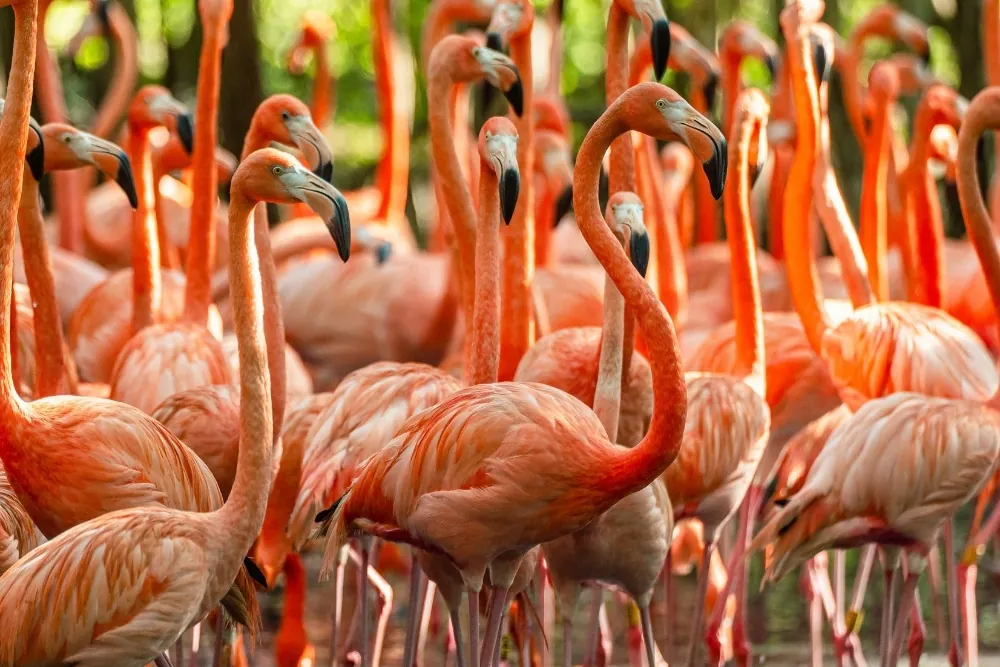
Imagen: Aviario Nacional de Colombia (sitio oficial) Birds · 50–60 min by car
Aviario Nacional de Colombia
More than 2,000 Colombian birds, many rescued from wildlife trafficking, along a 1.7 km trail.
It opened in 2016 and turned ten in October 2026. Across almost eight hectares, a trail of about 1.7 km runs through large walk-in aviaries that recreate the country's ecosystems: rainforest, coast and desert. Many of its birds come from seizures and rescues by environmental authorities.
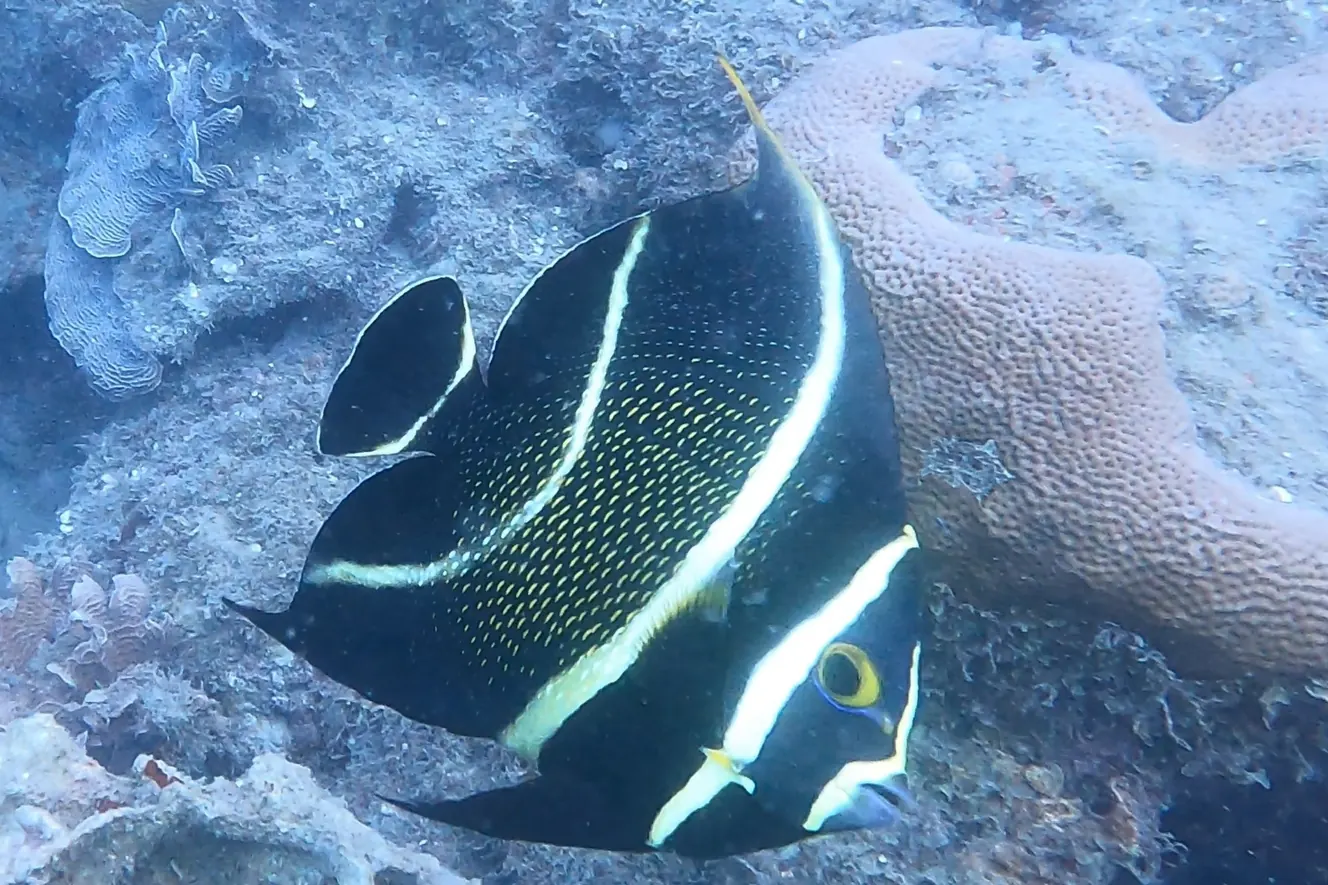
Foto: Bria Morgan / iNaturalist · dominio público (CC0) Sea and reefs · 1 h by boat
Oceanario Islas del Rosario
Sharks, sea turtles and reef fish on an island devoted to marine research.
Running since 1984 as a research and exhibition centre, in 2020 it held more than 1,400 animals of some 140 species. It rehabilitates sea turtles that fishermen find tangled in their nets and releases them with the National Parks service, and it has worked with the Navy on coral reproduction. It also puts on a dolphin and shark show.
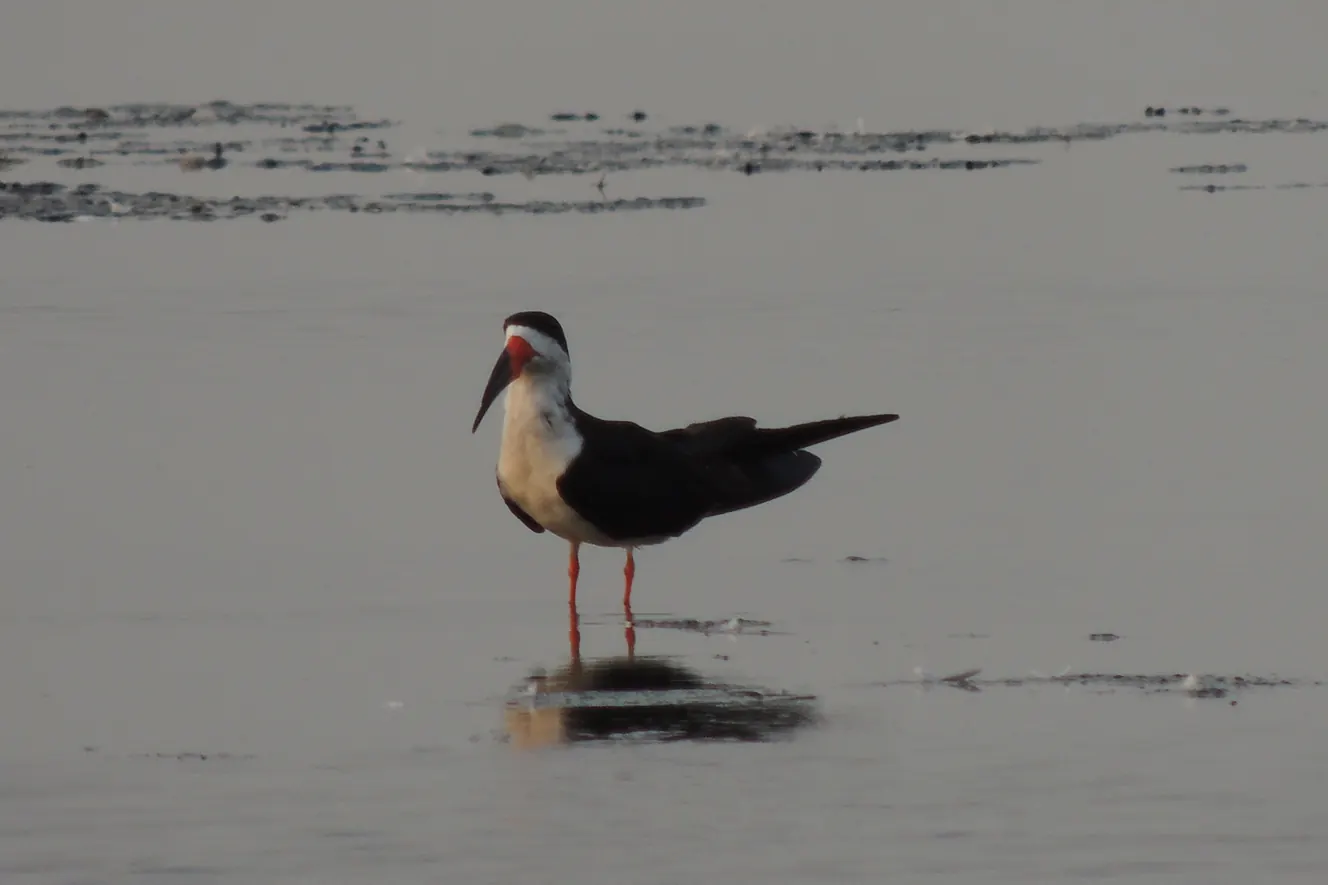
Foto: Juan Felipe Restrepo Mesa / iNaturalist · CC BY Mangroves · 15–20 min by car
La Boquilla mangroves
Paddling through mangrove tunnels, past herons and cast nets, 20 minutes from the city walls.
By canoe, with La Boquilla fishermen as your guides, you explore the mangrove channels of the Ciénaga de la Virgen, the large coastal lagoon right next to the city. El Universal counts more than 200 bird species in these mangroves, including herons, kingfishers and pelicans. Many tours include a cast-net fishing demonstration, and colombia.travel promotes fishing with local fishermen as an experience in its own right. In January 2026 a colony of pink flamingos arrived at the lagoon, which the authorities read as a sign that the ecosystem is recovering.
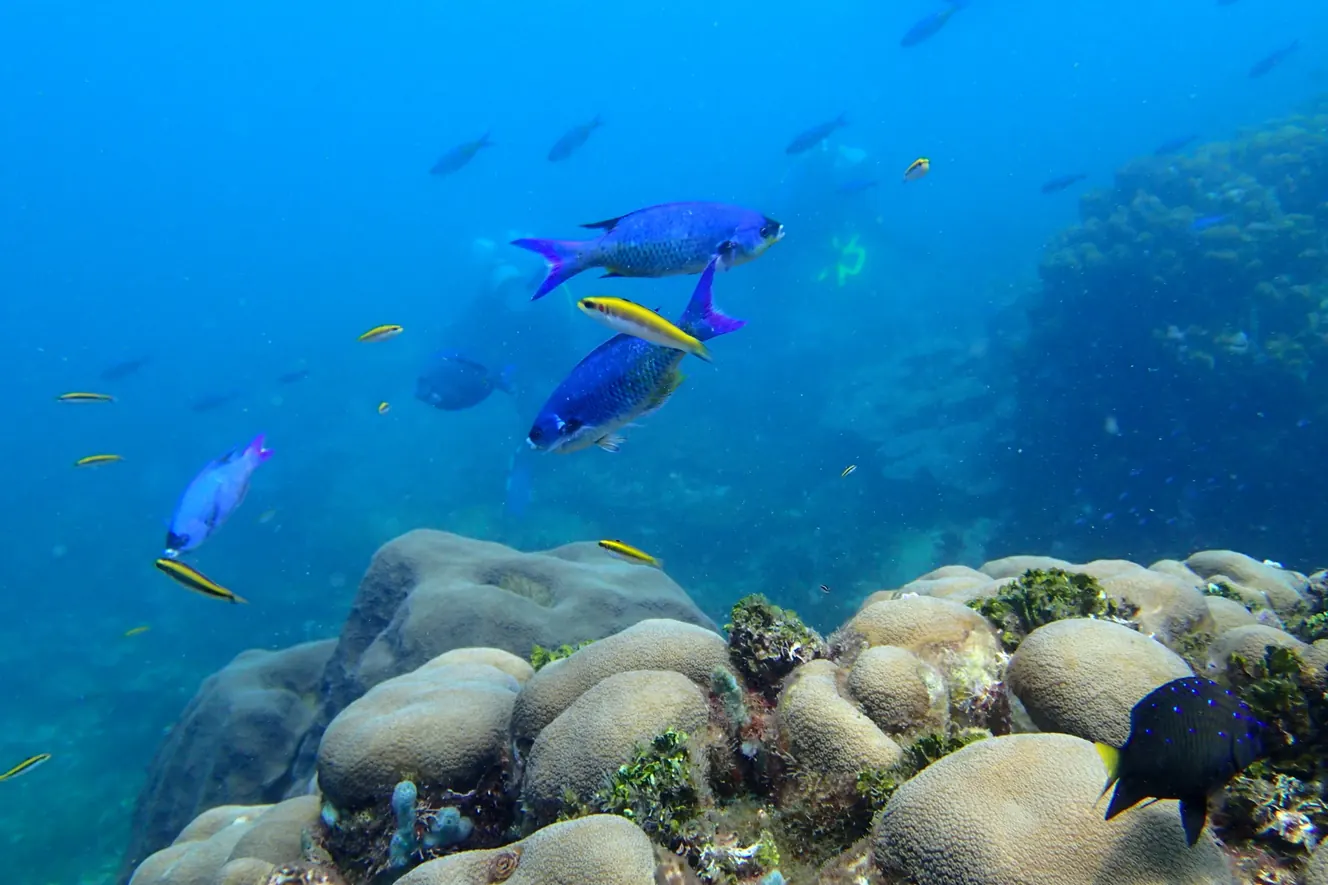
Foto: Eric Crandall / iNaturalist · CC BY Diving · 30 min to 1 h by boat
Diving in the Rosario Islands and Barú
Corals, snappers and two shipwrecks half an hour from the bay: Cartagena is worth seeing from below, too.
colombia.travel lists more than thirty dive sites near the city, such as El Canal, El Manglar, El Bajo de las Barracudas, La Pared and Pargo, with depths of up to 40 meters; in the Rosario Islands, highlights include the wreck at San Martín de Pajarales, the Cantil de Isla Pavitos and Isla Gloria. Underwater you'll find hard and soft corals, sponges, snappers, jacks and rays, and operators mention sea turtles on some dives. For first lessons, Playa Vásquez is a sandy flat next to a reef where the Atlas and the Tolú, two ships sunk in 2004, lie. If you've never dived before, you can do a try dive or mini-course with an instructor; if you want to get certified, the Open Water course qualifies you to dive to 18 meters.
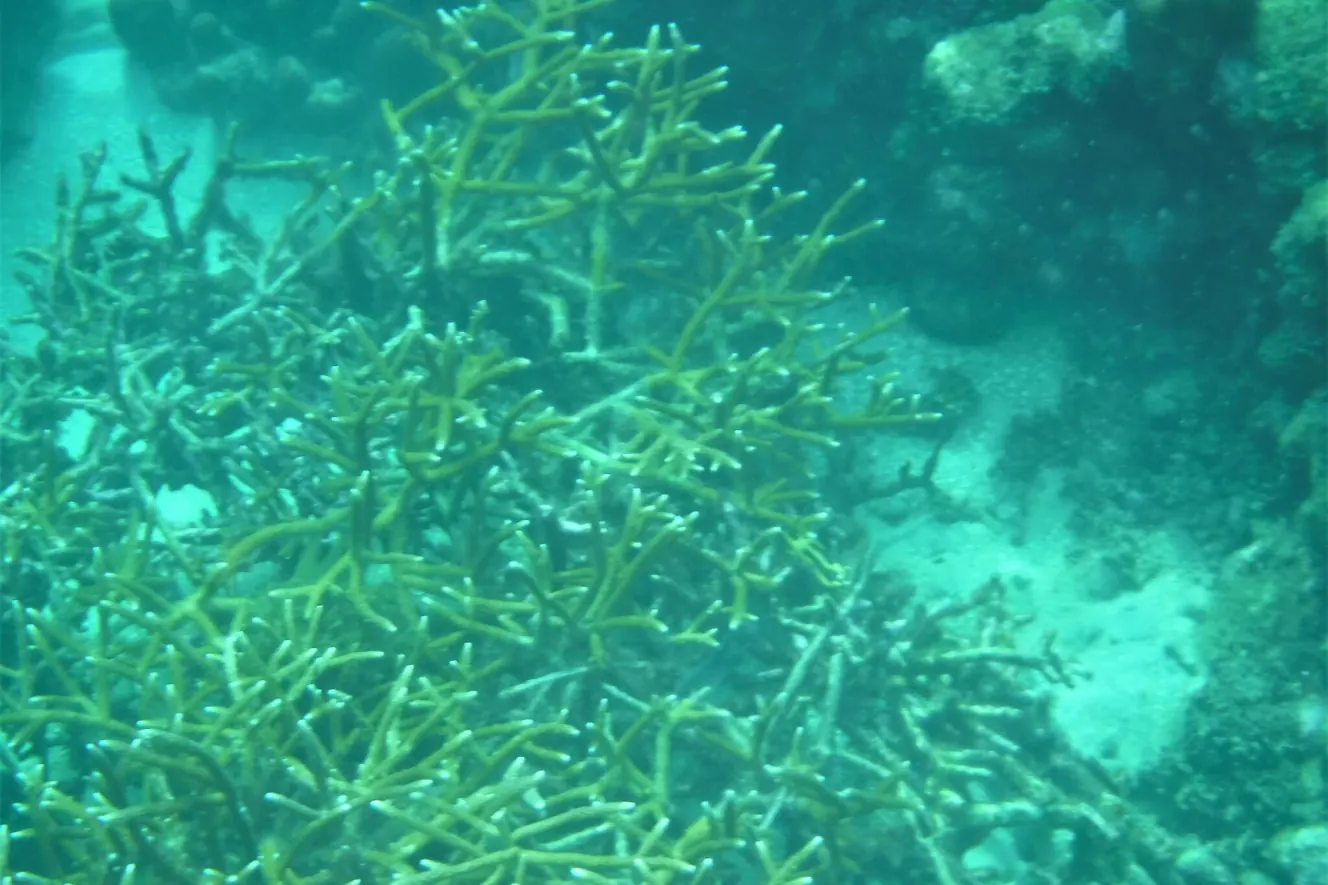
Foto: Louis Imbeau / iNaturalist · CC BY Sea and reefs · 1 h by boat
Snorkeling in the Rosario Islands
The largest reef on Colombia's mainland Caribbean coast, an hour away by boat. Look, but don't touch.
This national park protects the most extensive coral formation on Colombia's mainland Caribbean coast, along with seagrass beds, mangroves and coastal lagoons. In 2025 it was the country's most visited protected area, with about 1.25 million visitors. With a mask and snorkel you'll see hard and soft corals, sponges and reef fish in warm, shallow water. Trips usually combine several islands, such as Isla Grande or San Martín de Pajarales.
At night · 1–2 h by road to Barú; departs at dusk
Bioluminescent plankton in Barú and Isla Grande
Move your hand through the water and it lights up blue. That simple, that magical.
In the Portonaito lagoon, surrounded by mangroves, microorganisms (microscopic algae of the Noctiluca type, according to operators) glow blue when the water moves. El Universal reports that the outing was started by people native to Barú: you head out by boat at night and swim or splash around to see the sparkles. National Geographic Traveller also highlights the lagoon on Isla Grande, almost black by day and lit up with plankton at night.
Mud volcano · 45–50 min by car
Volcán del Totumo
Climb a wooden staircase and float in warm mud inside a crater. Strange, fun and unforgettable.
It's a cone about 15 meters high, formed by gas and mud rising from underground, a phenomenon the Servicio Geológico Colombiano explains as mud volcanism. You climb a wooden staircase, slip into mud so dense you float, and then wash off in the lagoon with help from members of the community, who look after the site. Tours leave Cartagena daily.
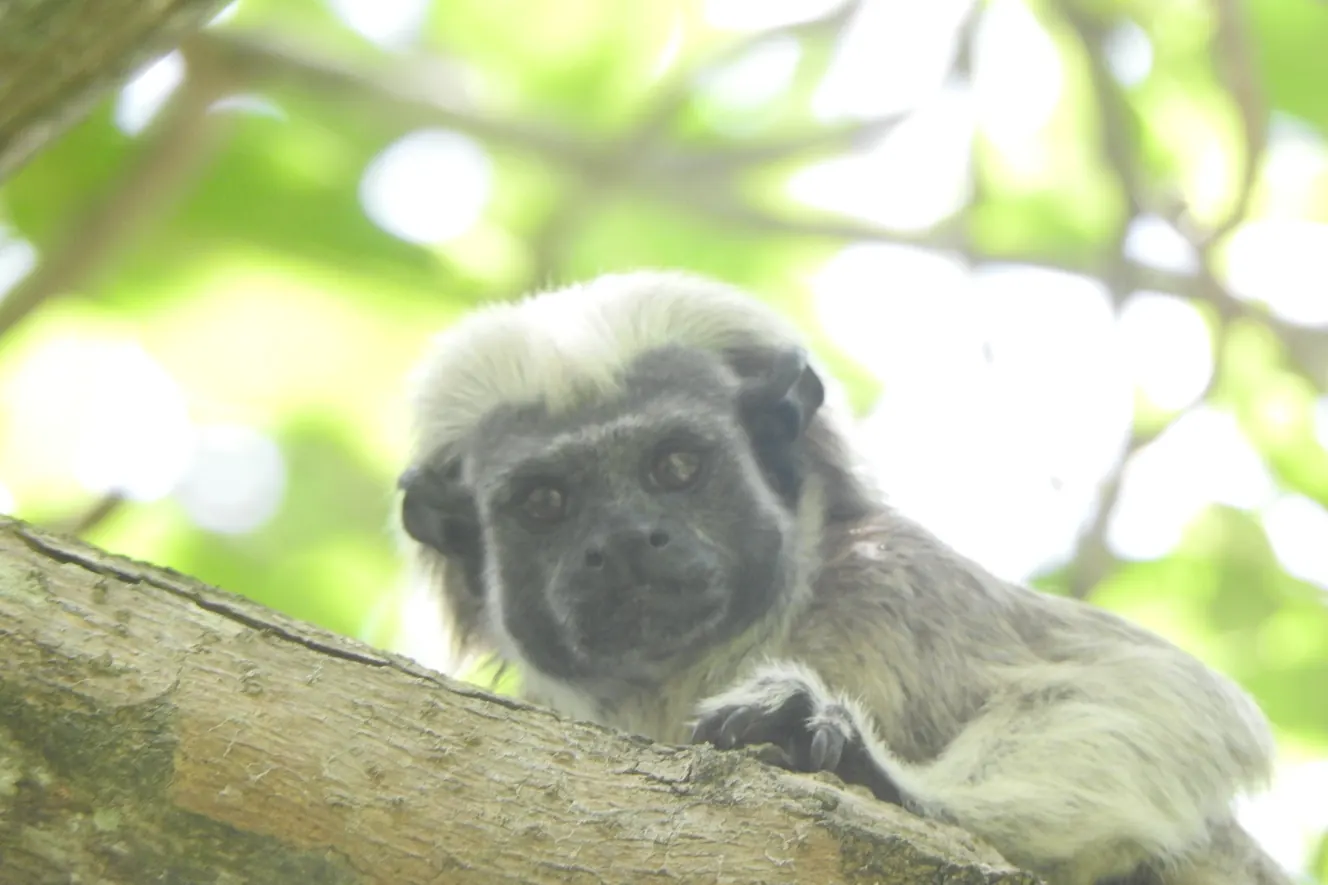
Foto: Leonel Roget / iNaturalist · CC BY Wildlife · 1 h by car
Cotton-top tamarins with Proyecto Tití
Follow the cotton-top tamarin, the little white-crested monkey found only in northern Colombia.
Proyecto Tití has worked since 1985 to protect the cotton-top tamarin (Saguinus oedipus), a primate that lives only in the dry forests of northern Colombia. Its tour leaves from Los Límites, about an hour from Cartagena, with a guided walk of about 5 km through dry forest to see tamarins and the region's plants and wildlife, and to meet local conservation leaders. Groups range from 2 to 12 people, and according to UNESCO more than 200 local families have signed conservation agreements with the project.
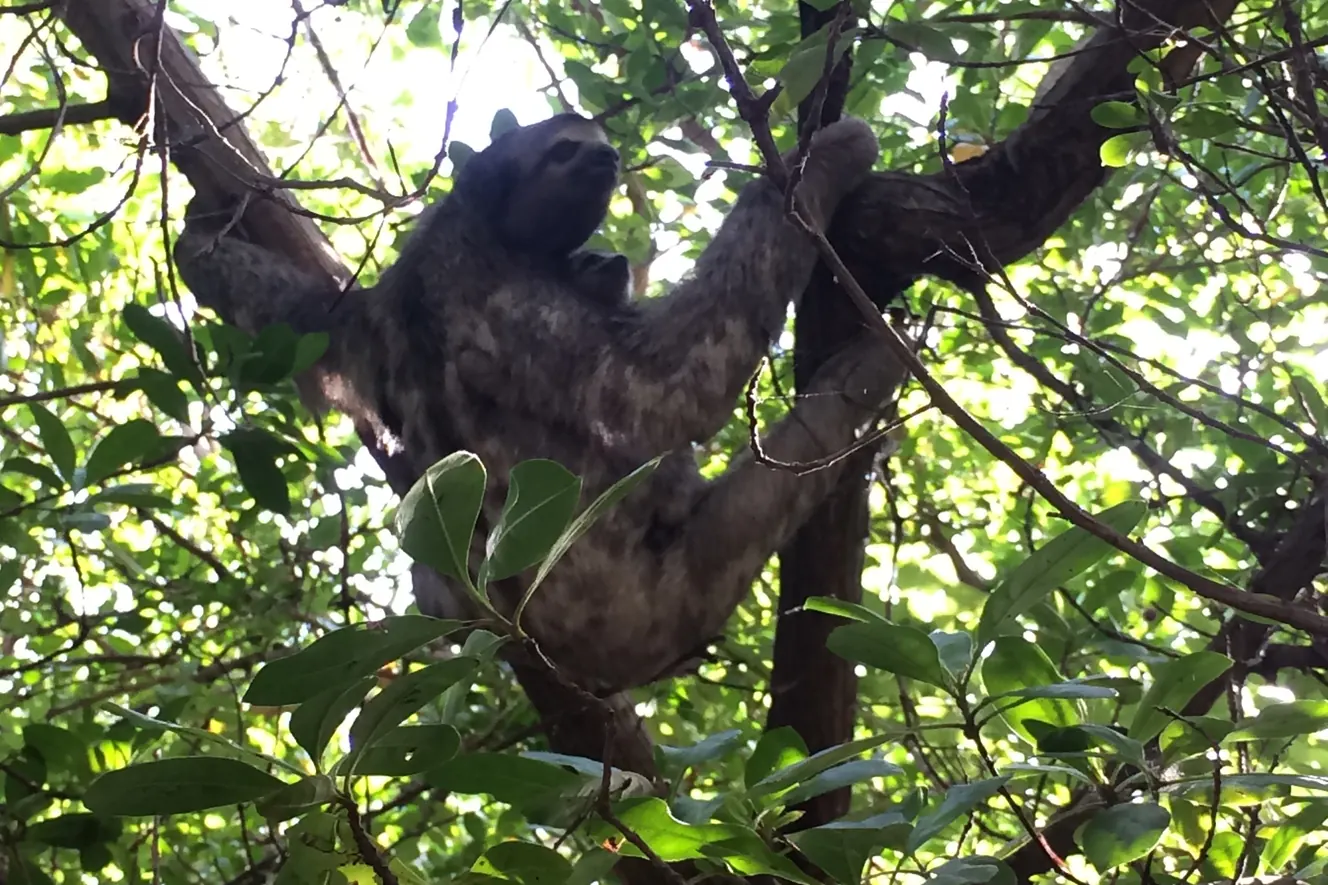
Foto: B. Phalan / iNaturalist · CC BY In the city · In the Centro, on foot
Parque del Centenario
Look up: above the booksellers and fountains, a sloth sleeps in the Centenario's treetops.
Built in 1911 to mark the centenary of Independence, the park reopened in December 2025 after a renovation of its paths and monuments, with a water-and-light fountain and 29 booksellers' stalls. Wildlife lives in its trees: EPA Cartagena has identified sloths (Bradypus variegatus), iguanas, squirrels, tamarins (including the cotton-top tamarin), boas and birds, and it installed five raised feeders so the animals can eat without contact with people. It's open daily from 10 a.m. to 10 p.m., and admission is free.
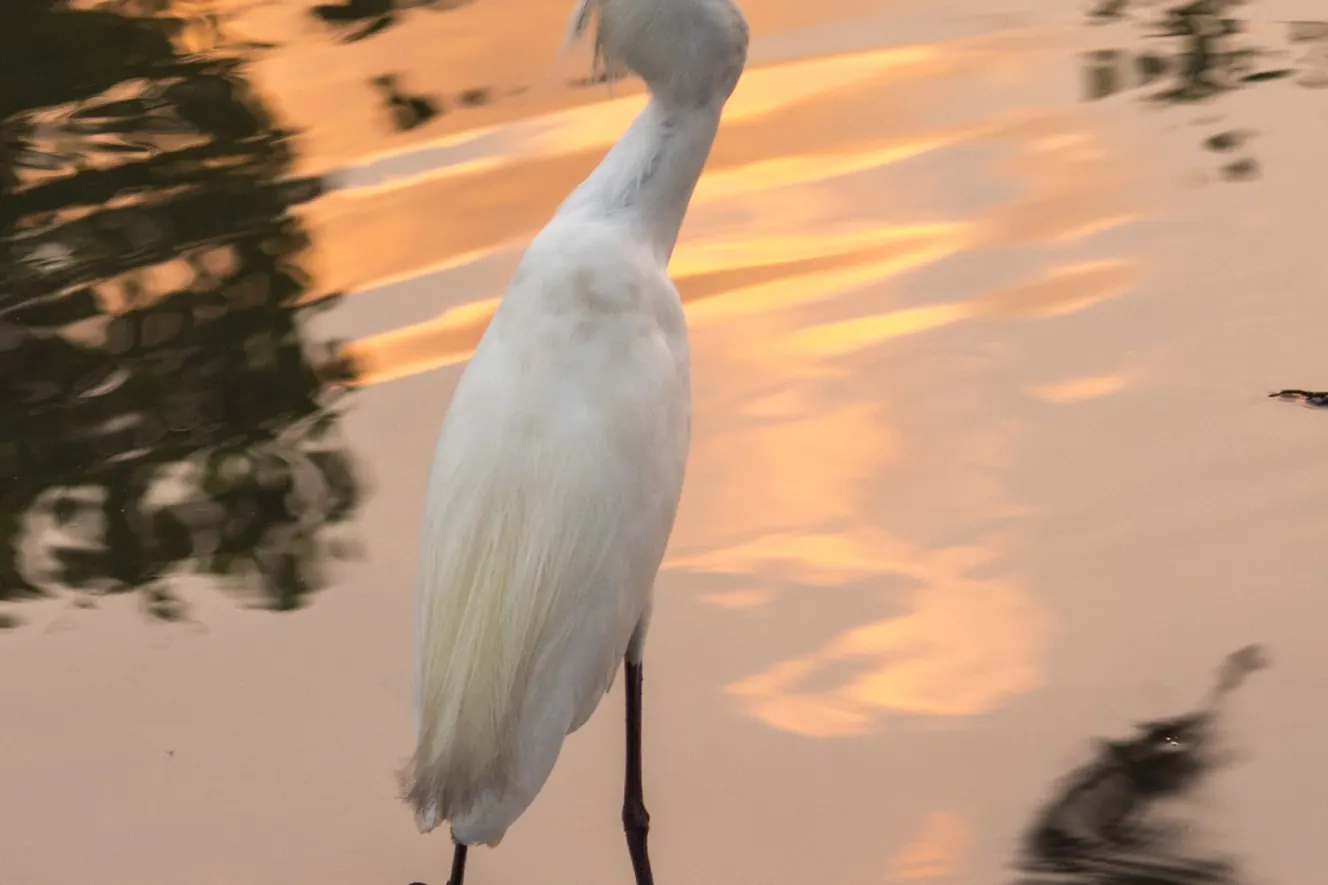
Foto: William Stephens / iNaturalist · CC BY Mangroves · 5–10 min by car from the Centro
Parque Espíritu del Manglar
Mangrove roots, herons and sunsets a few minutes from the city walls, with free admission.
This urban park of mangroves and canals reopened after a renovation in July 2024 and drew more than a million visitors in its first year, according to El Universal. It has a conservation island with an ecological trail through an area under restoration, an EPA Environmental Interpretation Center with free admission, a sunset lookout, sculptures of Caribbean characters with QR codes, and play areas for kids. It's open Wednesday to Sunday and on public holidays, from 3 p.m. to 9 p.m., with free admission.
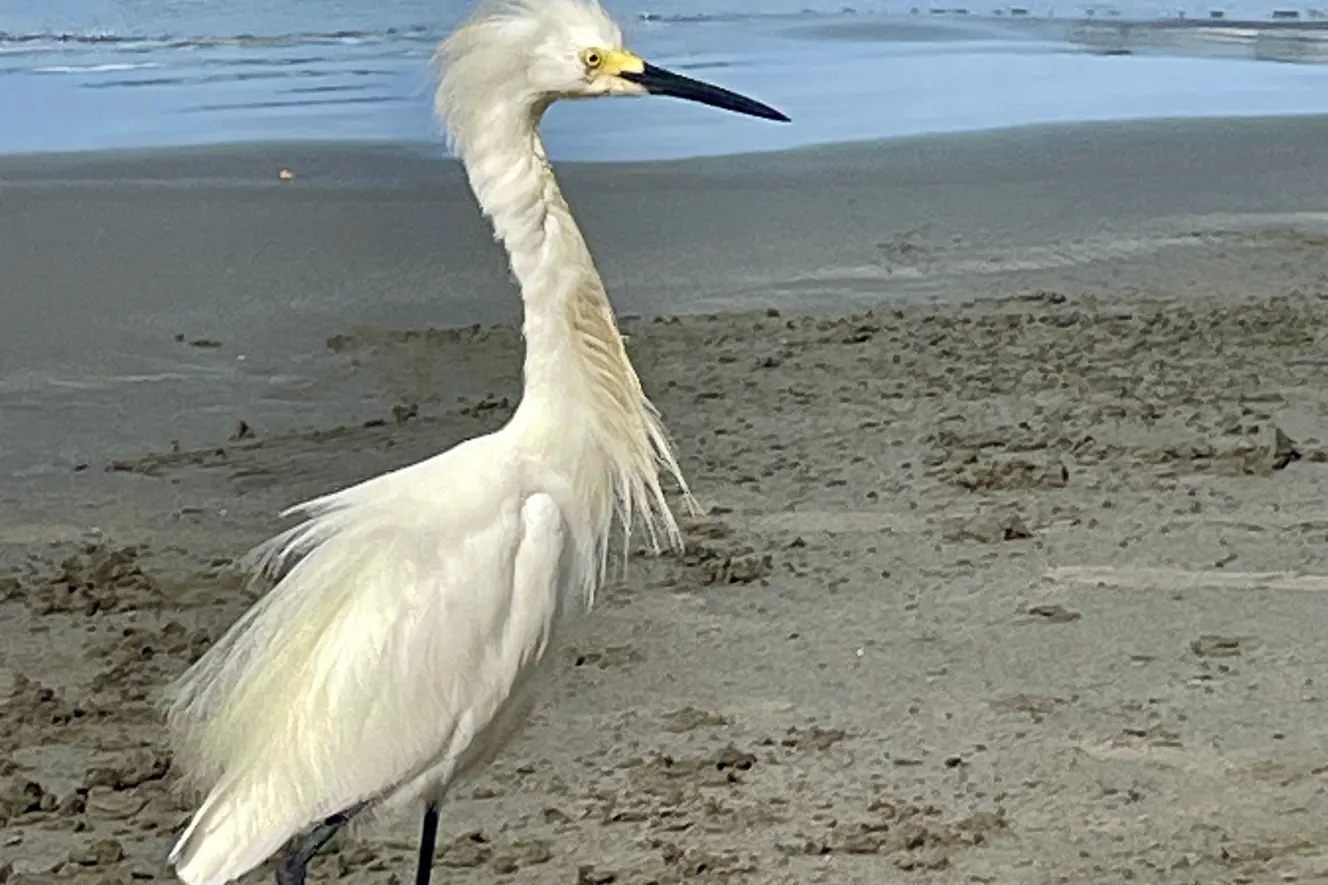
Foto: Horatiu Stefanie / iNaturalist · CC BY Water sports · 10–15 min by car
Kayaking on Cartagena Bay
Paddling on still water with the city behind you and the sun setting over the Caribbean.
The calm waters of Castillogrande let you head out in a sea kayak with no previous experience; El Universal mentions morning crossings, sunset outings and an urban route that starts from the pier at the Fuerte de San Sebastián del Pastelillo. Karib Kayak's sunset tour lasts about an hour and a half: it follows the beach toward the Club Naval and returns as the sun goes down. For keen paddlers, there are guided crossings from Castillogrande to Punta Arena, on Tierra Bomba.
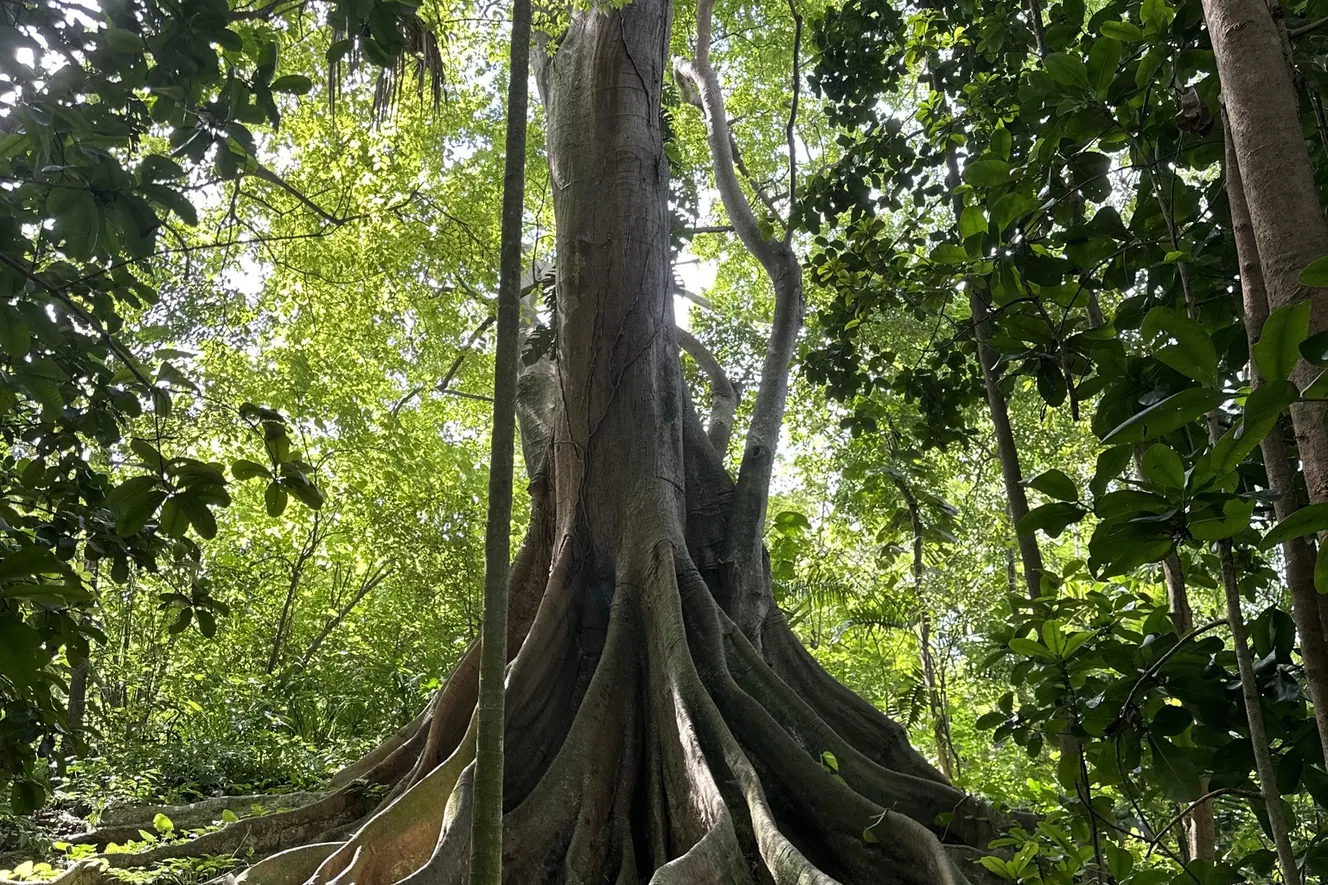
Foto: Rosario Douglas / iNaturalist · CC BY Botanical garden · 30 min by car
Jardín Botánico Guillermo Piñeres
Nine hectares of dry forest and cool shade half an hour from the city.
Founded in 1978 on land donated by María Jiménez de Piñeres, it protects more than 9 hectares of tropical dry forest in Turbaco. It has shady trails, collections of Caribbean plants and a herbarium, and El Universal counts it among the places with the most bird species in Bolívar. It offers guided tours and bird identification sessions.
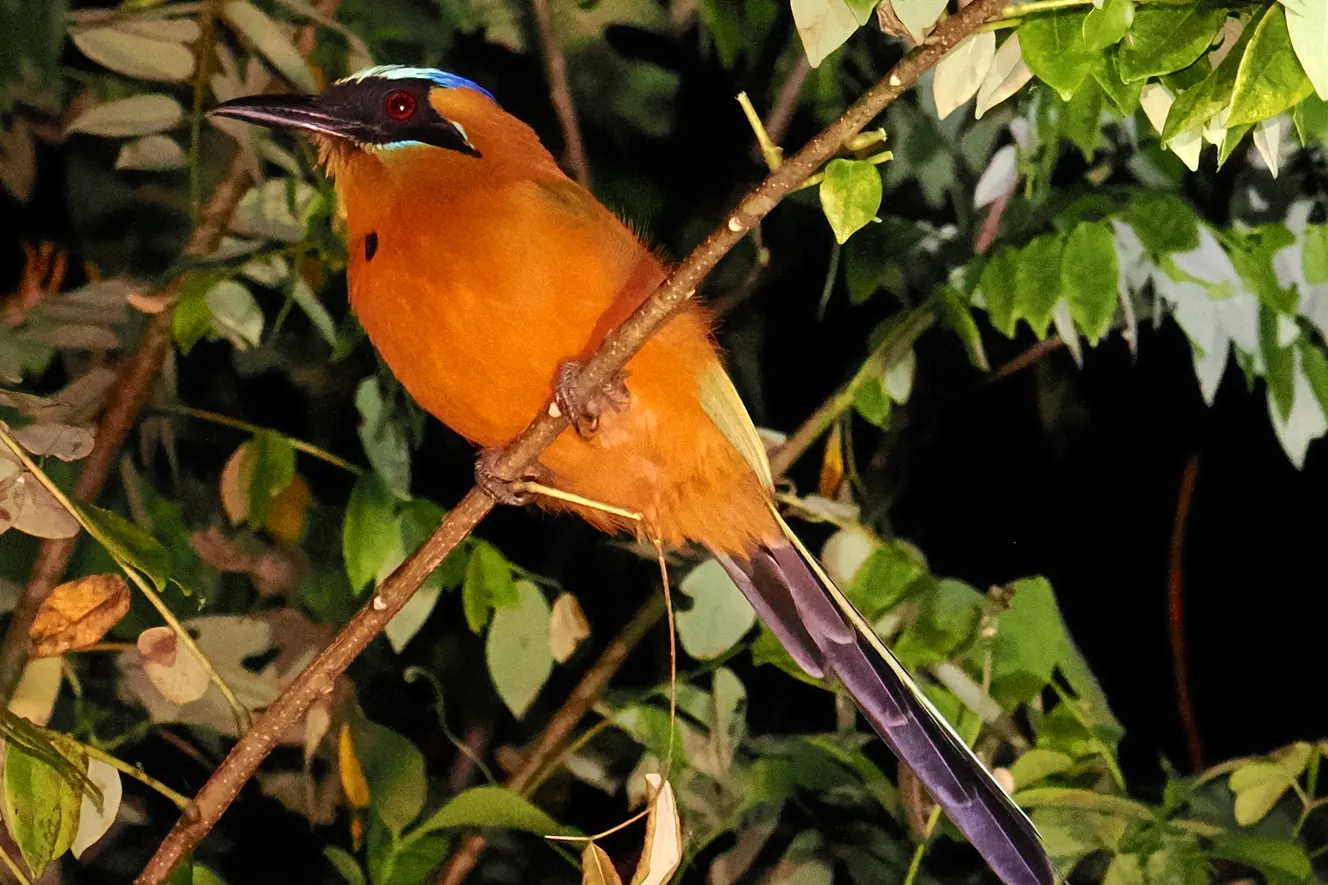
Foto: desertnaturalist / iNaturalist · CC BY Birds · 40 min to 1 h by car
Turbaco bird reserves
For serious birding: restored dry forest and more than 200 species less than an hour away.
Matute was once a cattle ranch and became a dry-forest reserve decades ago; Birdingplaces credits it with more than 250 bird species, and some tours mention red howler monkeys. Agrícola Camelias (Finca Sabaneta), with about 66 hectares of forest, appears in El Universal among the three sites with the most species in Bolívar: more than 240, including the turquoise-winged parrotlet (Forpus spengeli) and the chestnut-winged chachalaca (Ortalis garrula).
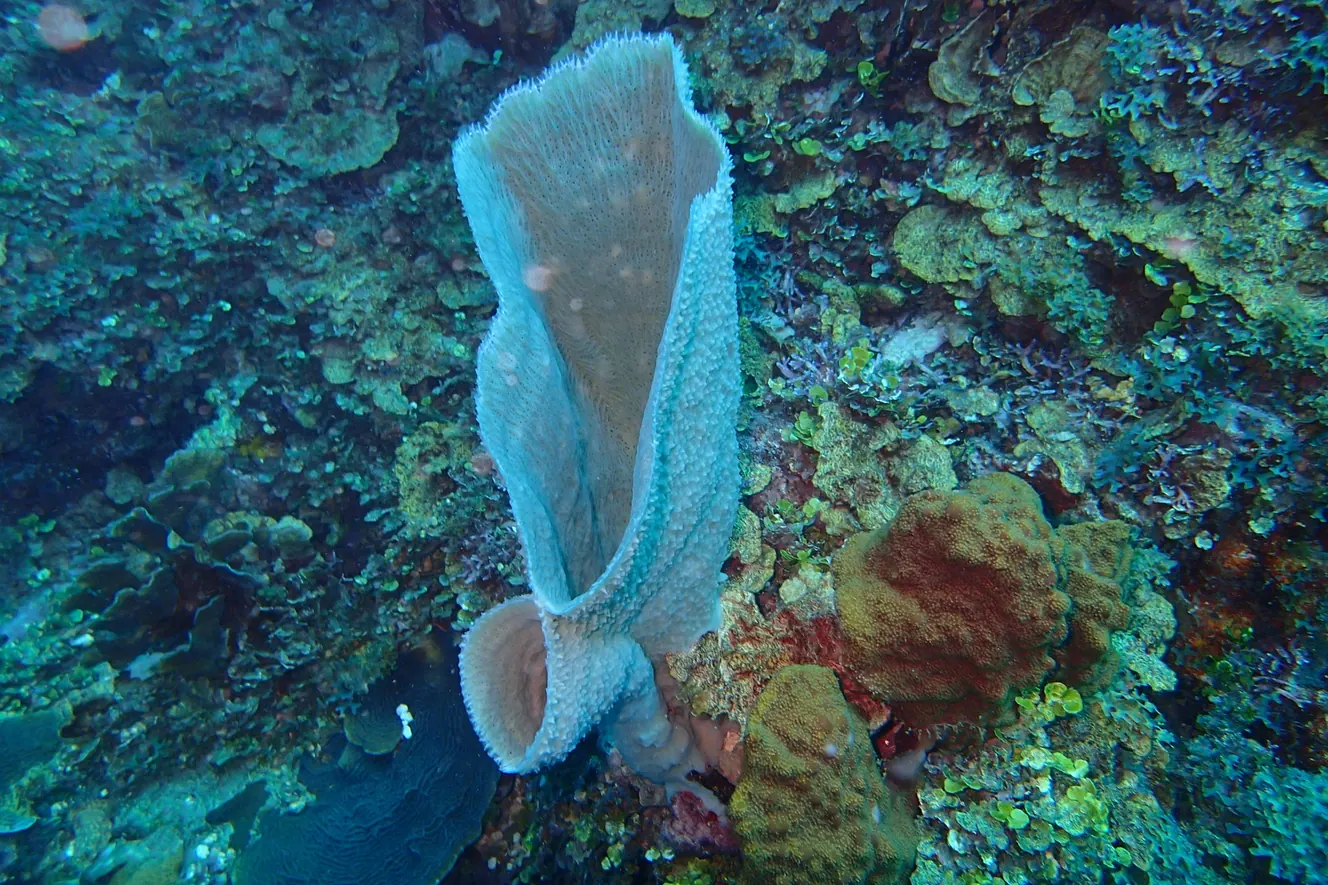
Foto: Eric Crandall / iNaturalist · CC BY Mangroves · 45 min to 1 h by boat
Isla Grande and Orika
The Rosario Islands from the inside: kayaking through mangroves, an enchanted lagoon and Afro-Colombian life in Orika.
Covering about 200 hectares, Isla Grande holds dry forest, inland lagoons and mangroves, as well as Orika, the island's only village, an Afro-descendant community of fishers and artisans. Community-run activities include snorkeling, canoeing or kayaking through mangrove tunnels, and forest walks with local guides; colombia.travel mentions 14 locally owned hostels and 4 guiding businesses that involve some 60 families. At night, its lagoon lights up with bioluminescent plankton, according to National Geographic Traveller.
Mangroves · 40 min by car
The Ararca mangrove on Barú
Plant a red mangrove, paddle through its tunnels and end up by the sea with the community that cares for it.
Tuarisba (Turismo en Ararca Isla de Barú) is a community corporation founded in 2017 that now also operates as a registered tour agency. Its tour starts with a welcome breakfast, continues with a visit to the community nursery and the planting of a red mangrove, and goes on by canoe through the mangroves to Los Coquitos, facing Tierra Bomba, with a cultural performance on the beach. The nursery, run mainly by women from the community, is also an open school for sharing know-how on mangrove planting, and the initiative has been recognized with the Marca Verde label.
Birds · 1 h by car
Fundación Loros sanctuary
Macaws flying free again over the dry forest, an hour from the city.
Founded in 2022, Fundación Loros rescues and rehabilitates parrots and macaws and returns them to the forest, in a private wildlife sanctuary of about 500 hectares of tropical dry forest. Its experiences fund that work: birdwatching (more than 200 species, according to the foundation), hikes, horseback rides and 4x4 tours through stations that show the process, from the feeding area to the release site and a monkey trail. The foundation reports a 72% one-year survival rate for its first published release, and in August 2026 it held its first parrot conservation challenge, planting native trees at the macaw release site.
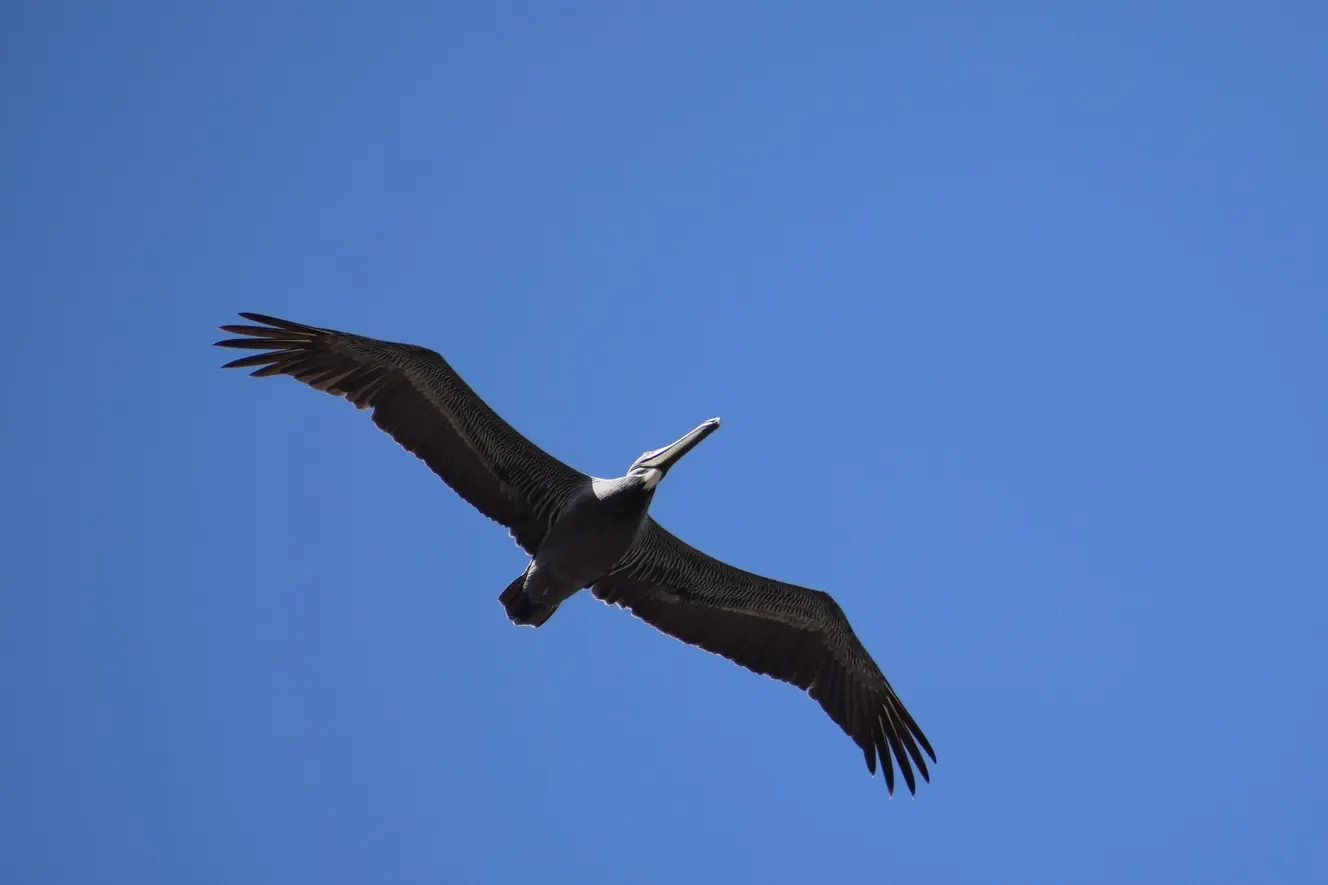
Foto: Gonzalo Romero / iNaturalist · CC BY Water sports · 10 min by car
Paddleboarding in El Laguito
Standing on your board, with still water and the city lights coming on behind you.
On beaches like Bocagrande you can rent paddleboards to explore the coast, and El Universal notes that it's a good way to work on your balance and even do yoga on the water. In El Laguito, Colombia SUP offers lessons (about 30 minutes on land and an hour on the water) and a sunset tour on LED-lit boards that light up the water beneath your feet.
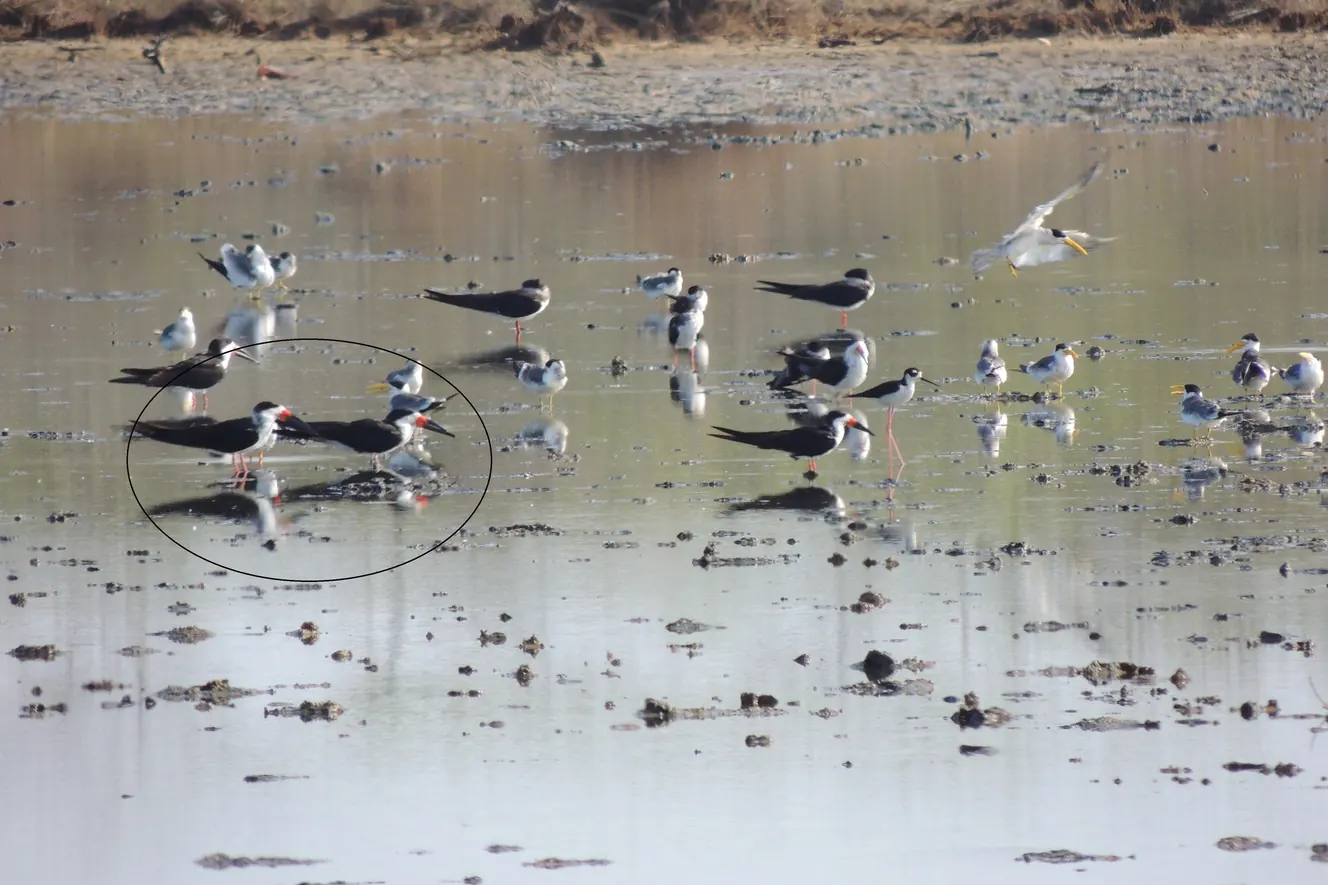
Foto: Juan Felipe Restrepo Mesa / iNaturalist · CC BY Water sports · 15–25 min by car
Kitesurfing and wing foiling
When the December breeze kicks in, northern Cartagena fills with kites.
The strongest winds blow from November to April, and La Boquilla has schools with beginner lessons and gear rental; El Universal puts an intro lesson at about COP 180,000. A little farther north, in Manzanillo del Mar, Pure Kitesurf, a school listed by IKO, teaches kitesurfing, wing foiling and pumpfoiling on a quiet beach about 25 minutes from the Centro.
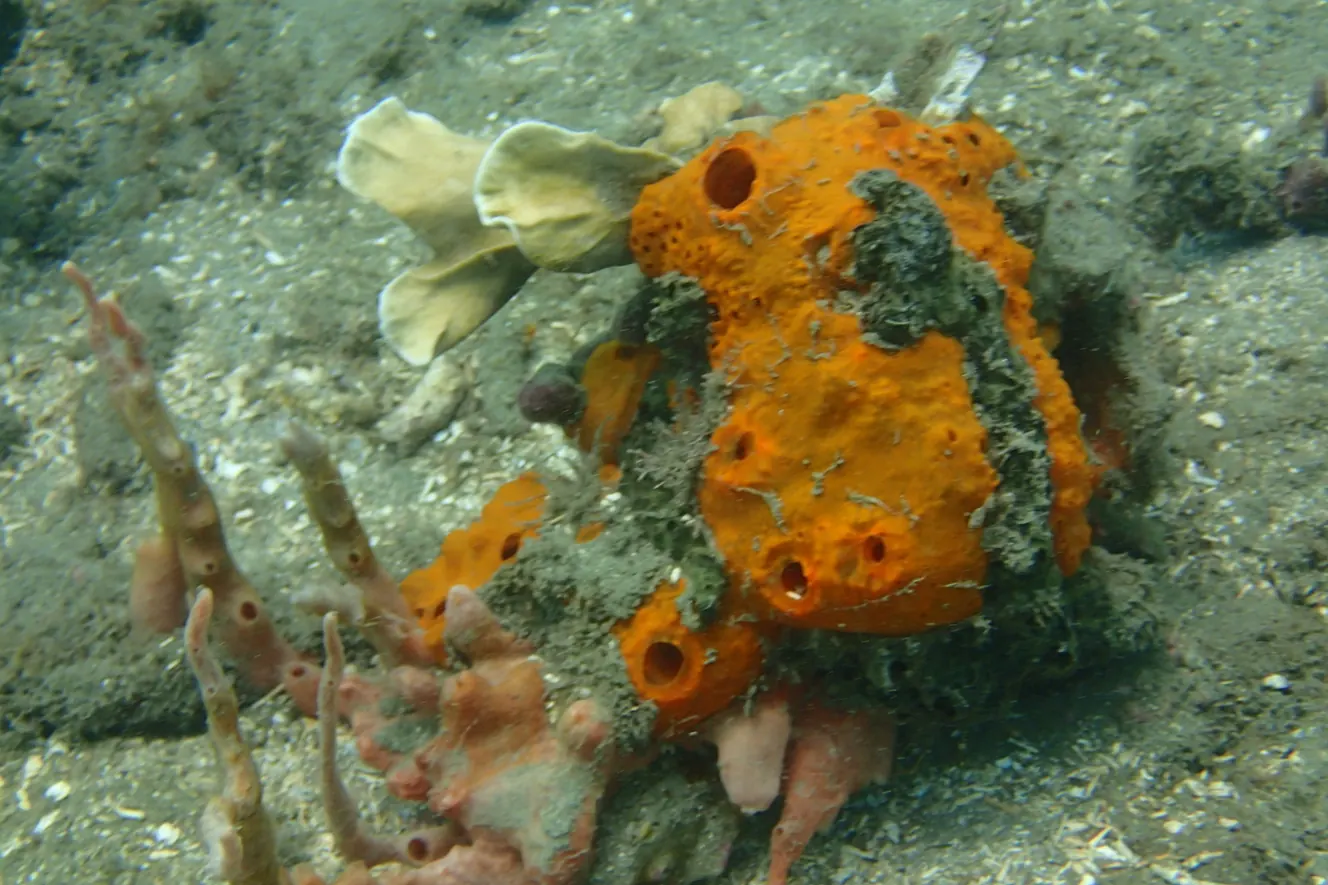
Foto: Eric Crandall / iNaturalist · CC BY Beaches · 10–30 min by boat
Tierra Bomba and Bocachica
The closest island: beach, a colonial fort and village life in a single morning.
It's the closest island to Cartagena: besides its beaches, Bocachica is home to the Fuerte de San Fernando, and El Universal suggests a route there that links the fort with the Museo de Oficios and community life. It's the shortest island getaway from the city, and half a day is enough.
Beaches · 1–2 h by road or 45–55 min by boat
Playa Blanca (Barú Island)
Cartagena's white-sand postcard: best early and on weekdays.
Turquoise water and fine sand on the Barú peninsula, linked by bridge since 2014. It's the starting point for the bioluminescent plankton tour in the Portonaito lagoon and for several snorkeling trips, and it sits on the same route as Ararca and its mangroves.
In the city · 15 min by car from the Centro
Cerro de La Popa lookout
The whole city at your feet from 150 meters up, with the sun setting over the Caribbean.
Atop a hill about 150 meters high, the highest point in the city, stands the convent of Santa Cruz de La Popa, founded by Augustinians in 1607. From its flower-filled courtyards you get an almost 360-degree view over Cartagena. El Universal counts it among the experts' favorite spots for birdwatching in the city.
Water sports · 45 min to 1 h by car
Galerazamba salt pans
Salt pools tinted pink by microscopic algae, an hour from Cartagena.
At the Galerazamba salt pans, the evaporation ponds turn pink as salinity rises, thanks to microalgae such as Dunaliella salina and tiny crustaceans (brine shrimp). Semana describes it as a little-known natural wonder an hour from Cartagena, and several agencies pair it with the Volcán del Totumo on the same day.
Mud volcano · About 50 min by car
Turbaco's little mud volcanoes
The “air volcanoes” Humboldt sketched: dozens of mud craters bubbling among palm trees.
Turbaco residents gave the name “Volcancitos” (little volcanoes) to a marshy strip where the ground bubbles, and Alexander von Humboldt studied it in the early 19th century as the “volcanes de aire de Turbaco” (Turbaco air volcanoes). El Tiempo reports more than fifty small craters in constant activity, and a thesis from the Universidad Tecnológica de Bolívar places them about 10 km east of town, with more mud in the rainy season. They're far less known than El Totumo and are visited mostly with local guides.
Wildlife · 40 min by car
Vivarium del Caribe
Caimans, crocodiles and turtles in a park that tells the story of life's evolution.
This theme park, created by a biologist with more than 25 years of experience working with crocodiles, recreates the evolution of species and the biodiversity of the tropical dry forest. On the guided tour you'll see caimans, crocodiles (including baby American crocodiles), turtles and snakes, and you can join supervised feedings of caimans and turtles. Cardique recognizes it as a Negocio Verde (green business) for its work in environmental education and conservation; it's open Monday to Sunday, from 9 a.m. to 5 p.m., according to El Universal (2025).
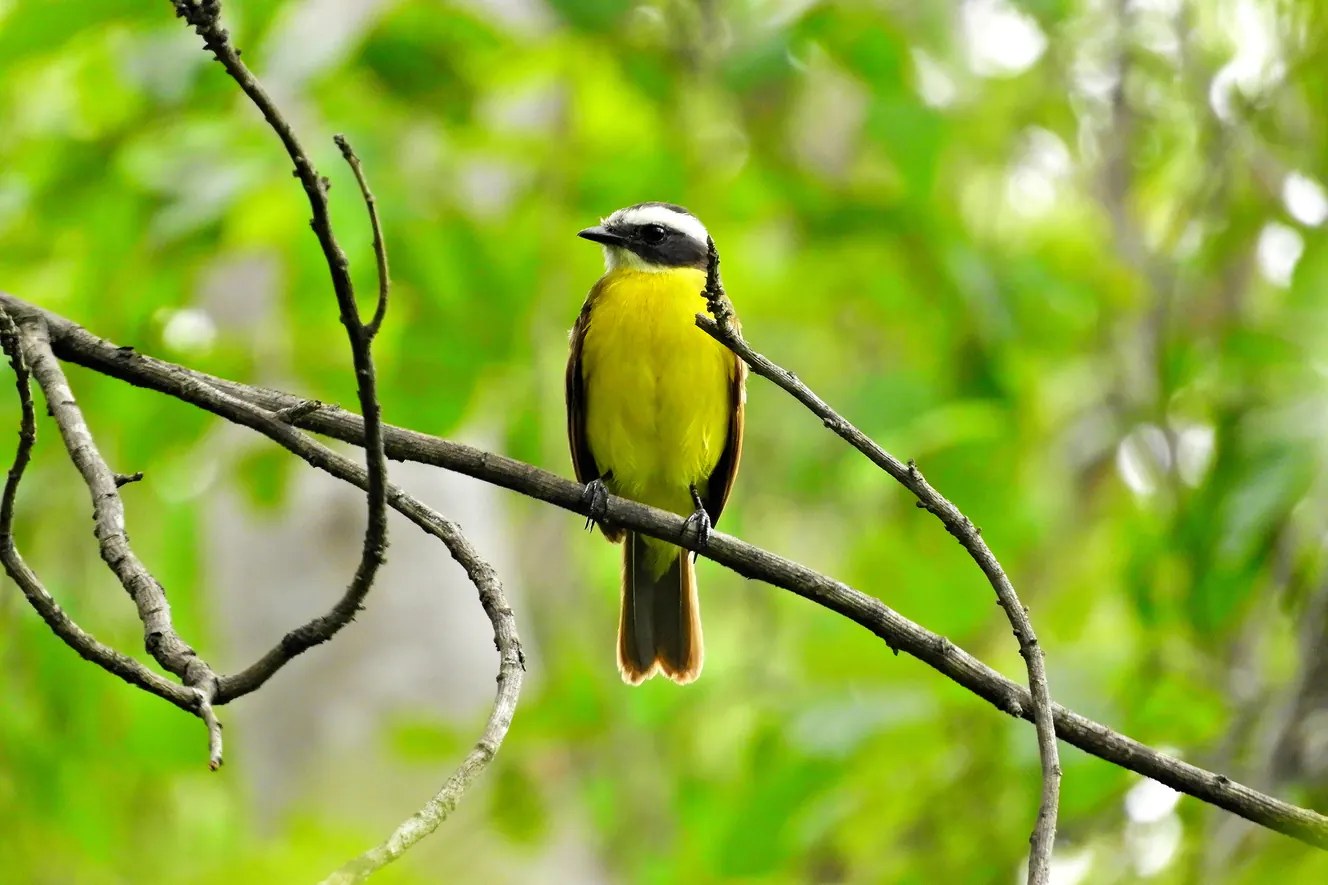
Foto: José Gabriel Julio Guzmán / iNaturalist · CC BY Forest · 1 h 40 min by car
San Jacinto and Cerro de Maco
Dry forest, waterfalls and petroglyphs in the mountains of the gaita and the hammock.
San Jacinto, famous for its hammocks and gaita flutes, is a gateway to the Montes de María. In the rural area of Casa de Piedra, 17.5 km from town at the foot of Cerro de Maco, the highest peak in the range, the community offers 4- to 6-hour day trips with hiking, plant and wildlife watching, and a visit to El Salto, a waterfall that tumbles down from the mountain. The Museo Comunitario de San Jacinto adds an ecological trail with lookouts facing Cerro de Maco.
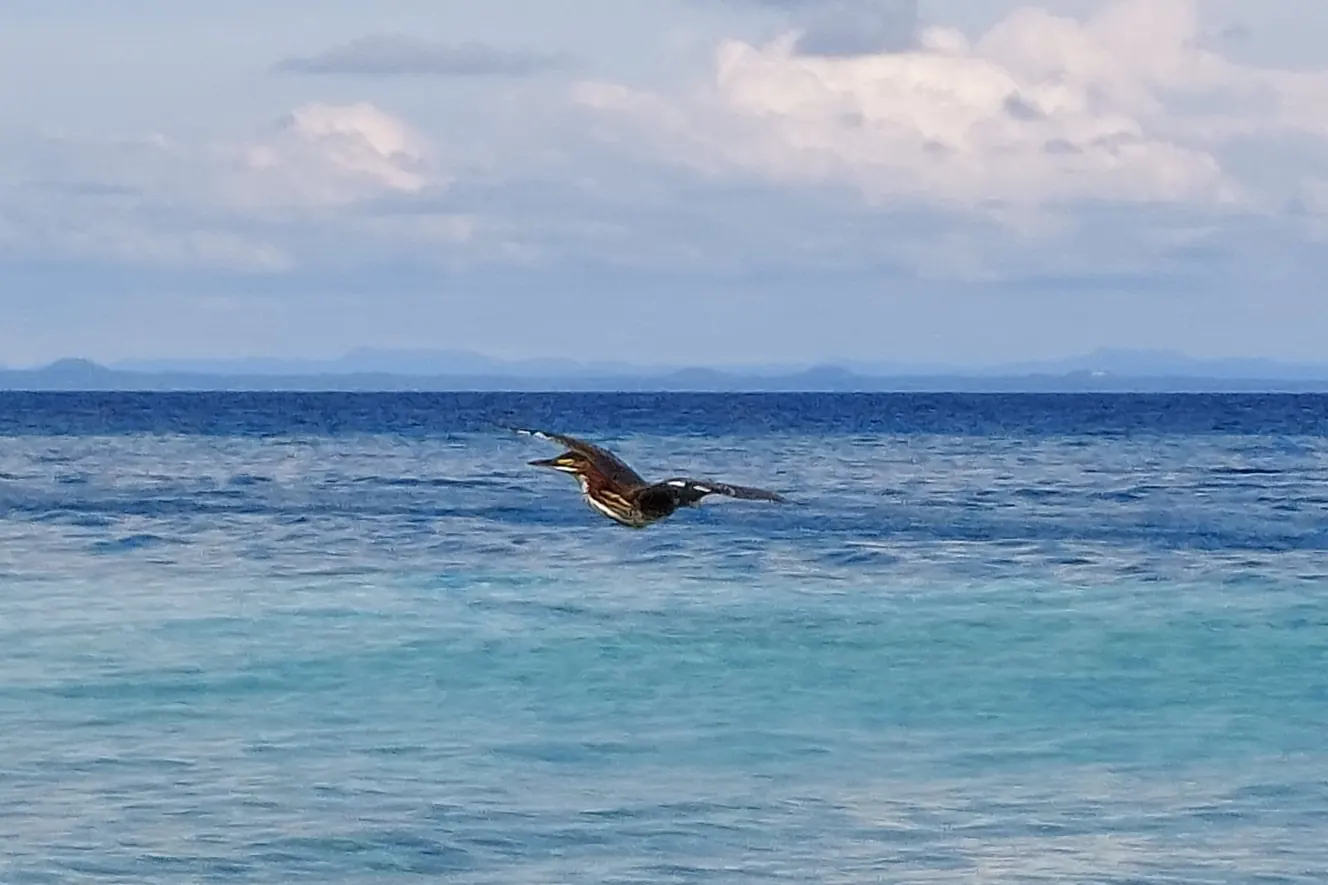
Foto: Juan Carlos Caicedo Hernández / iNaturalist · CC BY Sea and reefs · 2–2.5 h by boat
San Bernardo Archipelago
The Caribbean at its calmest: sandy islands, mangroves and clear water for a stay of a couple of nights.
It's made up of about 10 coral islands in the Gulf of Morrosquillo, within the same national park. Múcura is about 20 minutes by boat from Rincón del Mar, Tintipán has the archipelago's prettiest beaches on its north shore according to Tom Plan My Trip, and Santa Cruz del Islote, a densely populated islet, is a regular stop. From Rincón del Mar there's diving on the archipelago's reefs and night trips to see bioluminescent plankton.
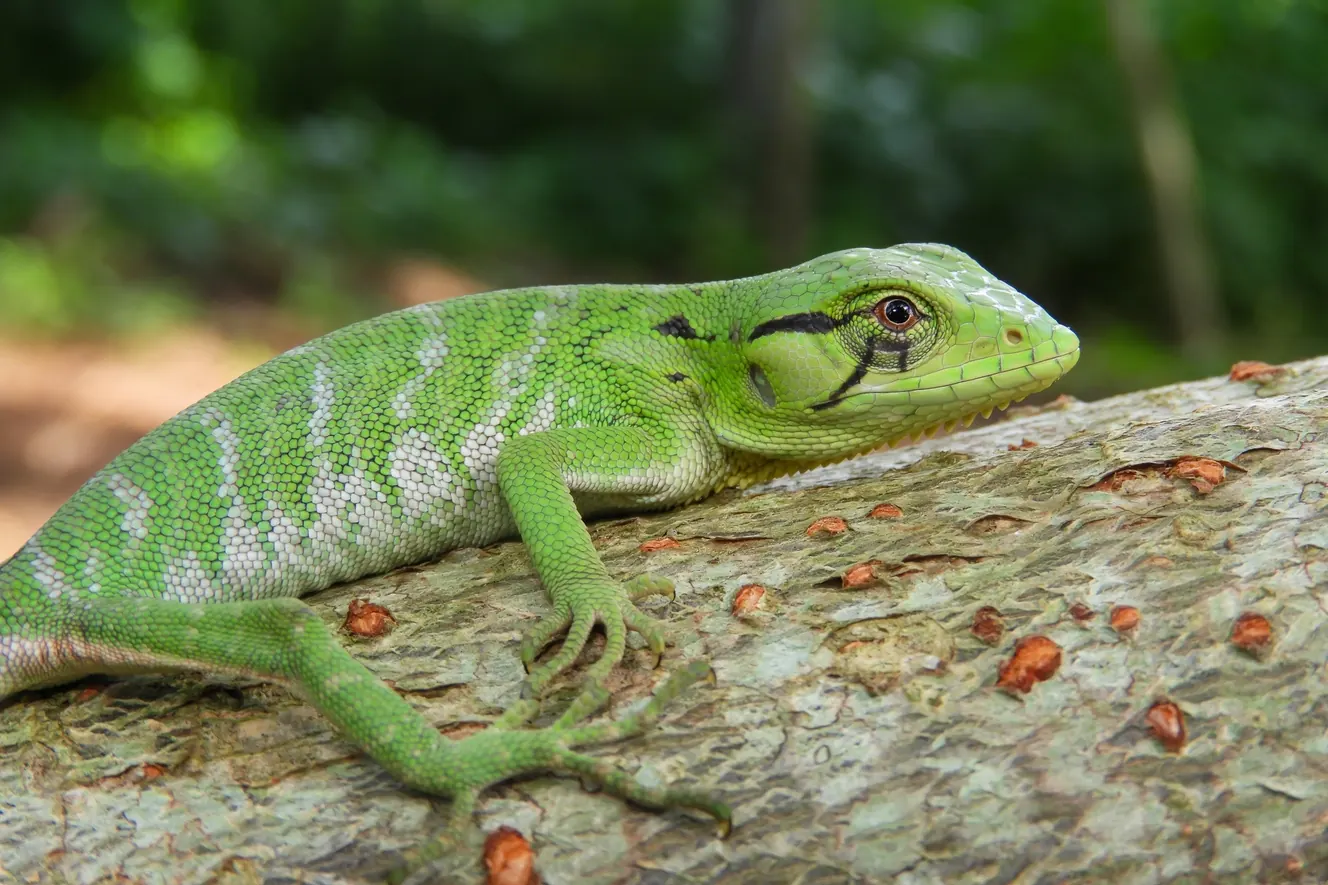
Foto: José Gabriel Julio Guzmán / iNaturalist · CC BY Forest · About 2 h by car
Los Colorados Fauna and Flora Sanctuary
Howler monkeys at dawn in one of the Caribbean's last dry forests.
Declared in 1977, it protects a remnant of tropical dry forest in the Montes de María. Its name comes from the red howler monkey (Alouatta seniculus), its flagship species; colombia.travel also mentions other primates, deer and some 280 bird species. You explore it on foot along trails, and in 2026 it's listed among the national parks open to ecotourism.
Forest · 2 h 30 min by car
Sanguaré Nature Reserve
Dry forest that runs down to the sea: howler monkeys, toucans and reef in a single reserve.
Sanguaré is a civil-society nature reserve of about 480 hectares, protected since 2002, where local residents and conservationists are restoring the tropical dry forest and the marine environment. According to colombia.travel it's home to hundreds of species of birds, mammals and reptiles, and it has a beach and a reef area. It operates as an eco-hotel, with educational tours, birdwatching, trails, kayaking, snorkeling and diving.
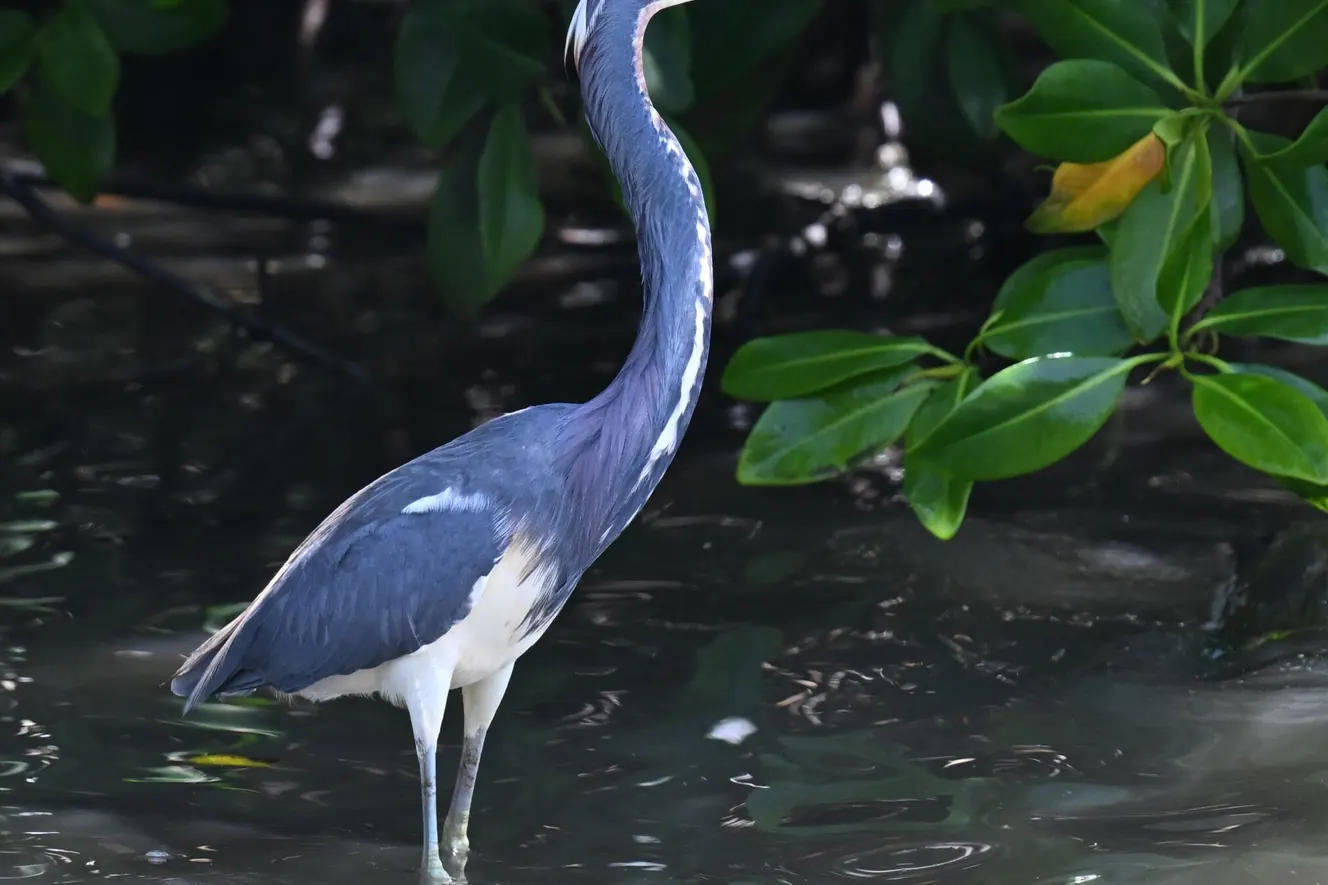
Foto: Chrissy McClarren and Andy Reago / iNaturalist · dominio público (CC0) Mangroves · 2 h by car
Ecoparque Ciénaga de Mallorquín
Boardwalks over the mangroves and more than a hundred bird species, two hours from Cartagena.
The Ecoparque's boardwalks run along the edge of the Ciénaga de Mallorquín, a freshwater and saltwater wetland with four of Colombia's five mangrove species and more than 144 bird species, according to El Universal. It has more than 6.6 km of trails between the Manglar and Estuario routes (the latter, 3,220 m long, opened in May 2025) and an observation tower for birdwatching. Admission is free.
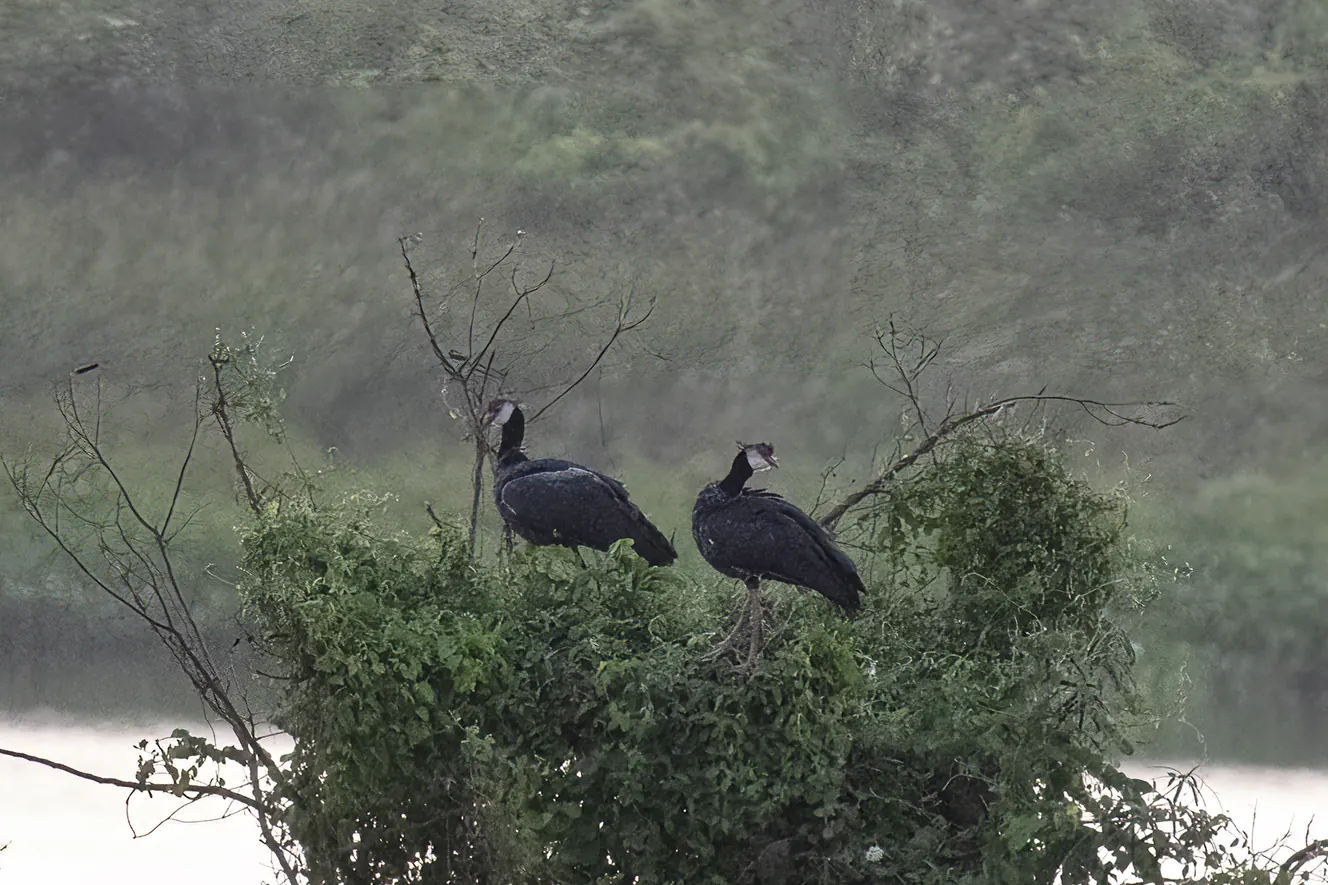
Foto: Dan Vickers / iNaturalist · CC BY Birds · About 2 h 30 min by car, past Barranquilla
Vía Parque Isla de Salamanca
For birders up for a road trip: the Caribbean's great airport for migratory birds.
It's part of the Ciénaga Grande de Santa Marta, a Ramsar site, and a key stopover for migratory birds; sources cite 200 to 275 species. In the Los Cocos sector, the Asociación Comunitaria Restaurando Hábitats, from Tasajera, offers birdwatching tours and interpretive hikes with community guides, among them women and young people.
Mangroves · 3 h by car
Ciénaga de La Caimanera
Red mangrove tunnels by canoe to a hidden lagoon on the Gulf of Morrosquillo.
La Caimanera is a coastal lagoon of fresh and salt water surrounded by mangroves; Lonely Planet describes it as a reserve of about 1,800 hectares with five varieties of mangrove. Canoe tours with local guides wind through channels and red mangrove tunnels to the lagoon, with herons, pelicans and kingfishers along the way. They last between 45 minutes and 2 hours, depending on the option.