Stories / History
The port of the enslaved.
Cartagena was the main gateway for enslaved Africans into Spanish America. What historians say, who Benkos Biohó was and where that memory can be read today.
Cartagena Social Club · 6 min read
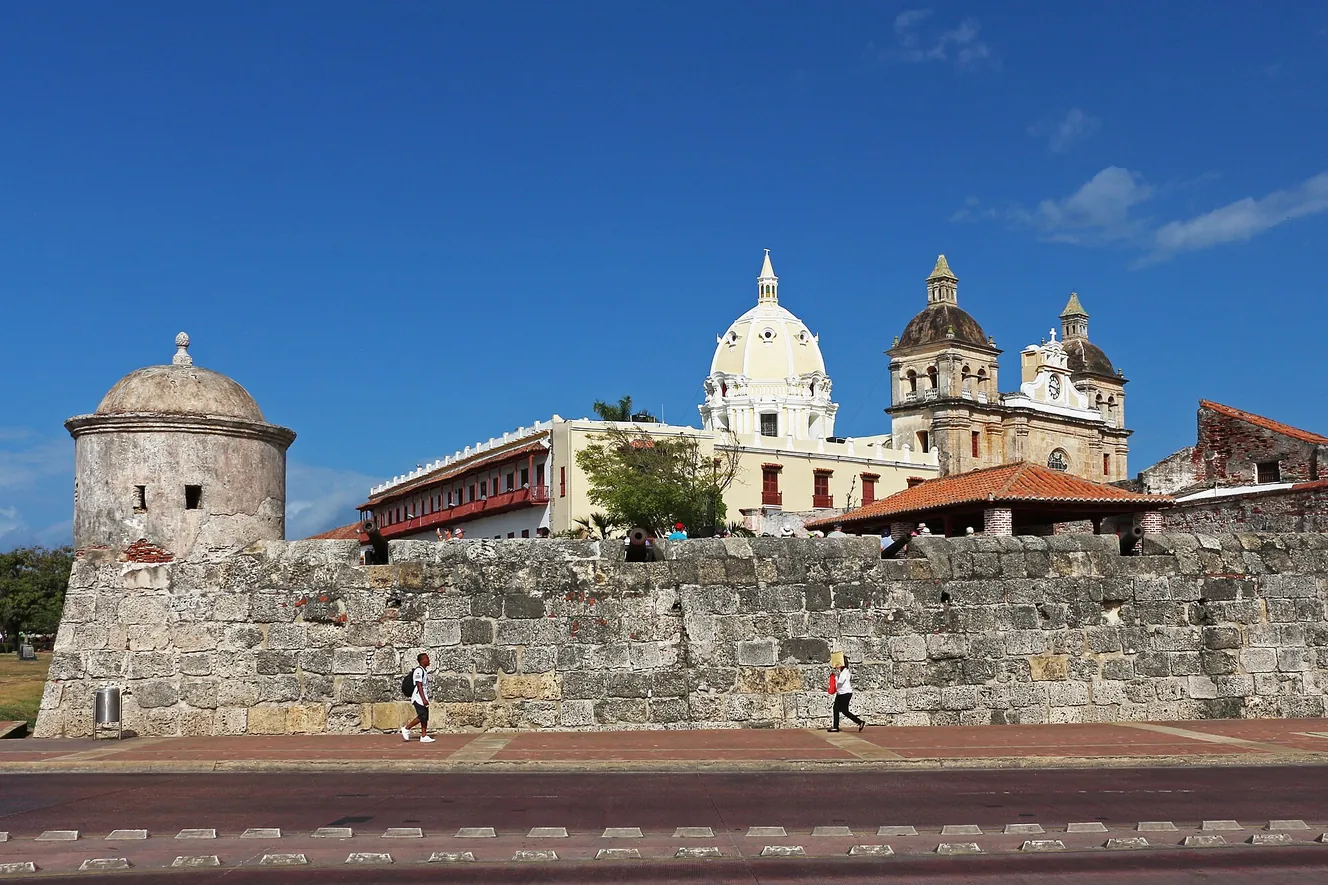
The San Ignacio bastion and, behind it, the towers and dome of the church of San Pedro Claver: walls and churches built largely with enslaved labour. Image: Bernard Gagnon, CC BY-SA 4.0, via Wikimedia Commons
The walls, churches and houses of Cartagena's Centro have a history that is not always told on tours: much of the city was built with enslaved labor, and for two centuries its wealth depended on the trade in people brought from Africa. Telling that history rigorously is neither an exercise in guilt nor in folklore. It is a condition for understanding the city, its music, its people and its squares.
This text relies on published academic research, not on legends. Where figures or dates are uncertain, it says so.
The trade: an authorized port
From the 16th century, the Spanish Crown managed the introduction of enslaved Africans into the Americas through licenses and, later, through asientos, monopoly contracts with private parties. The historian María Cristina Navarrete, of the Universidad del Valle, explains in the journal Historia y Espacio that between 1595 and 1640 the monopoly was in the hands of Portuguese contractors, who built a network of merchants, factors and intermediaries on both sides of the Atlantic. In that period, the port of Cartagena stood out as a distribution center.
The historian David Wheat adds a decisive fact in a study published in The Journal of African History. From 1604, Cartagena and Veracruz were designated as the only authorized ports for the transatlantic slave trade in Spanish America, with exceptions for Buenos Aires. Wheat analyzed the entry records of 487 ships that landed about 80,000 captives in Cartagena between 1570 and 1640, and describes it as the main slave port of early Spanish America.
Those records reveal where they came from. According to Wheat, Upper Guinea and Angola supplied roughly equal shares of the captives who arrived in Cartagena in that period, with a smaller wave from Lower Guinea. Angola eventually replaced Upper Guinea as the main origin, but the shift was more gradual than previously thought.
The figure of 80,000 corresponds only to the ships documented in those records and does not include contraband, which was enormous. Nor does it end in 1640: Navarrete shows that, after the separation from Portugal, the trade was not interrupted but entered an irregular period of licenses, foreign agents and fraudulent commerce.
The arrival
The treatise by the Jesuit Alonso de Sandoval, De instauranda Aethiopum salute, published in 1627, is one of the most direct sources on what happened in the port. Drawing on Sandoval and on historians, the researcher Kevin Alexis García, of the Universidad del Valle, describes the scene of the landing: sick and wounded bodies, some already lifeless, of people who arrived in chains, and among them the buyers who chose and the missionaries who began to catechize. García has also shown how that treatise fed the novel La ceiba de la memoria, by the Cartagena writer Roberto Burgos Cantor.
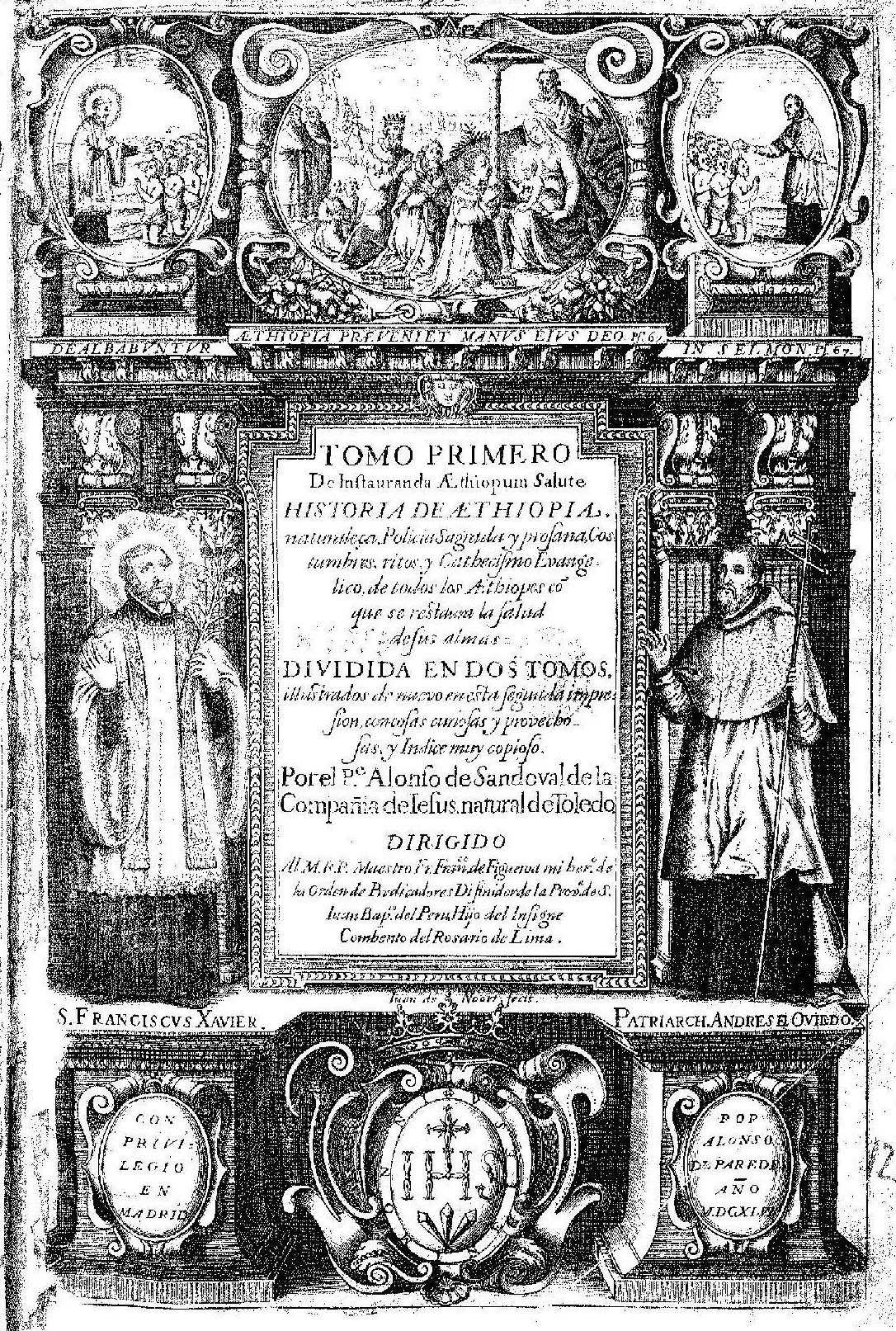
Sandoval and his disciple Pedro Claver went down into those ships with interpreters. The theologian Pedro Trigo, who studied the records of Claver's canonization process, writes that he came to assemble some eighteen, many of them multilingual and enslaved themselves. That need for interpreters is further proof of the diversity of peoples and languages the trade dragged to Cartagena.
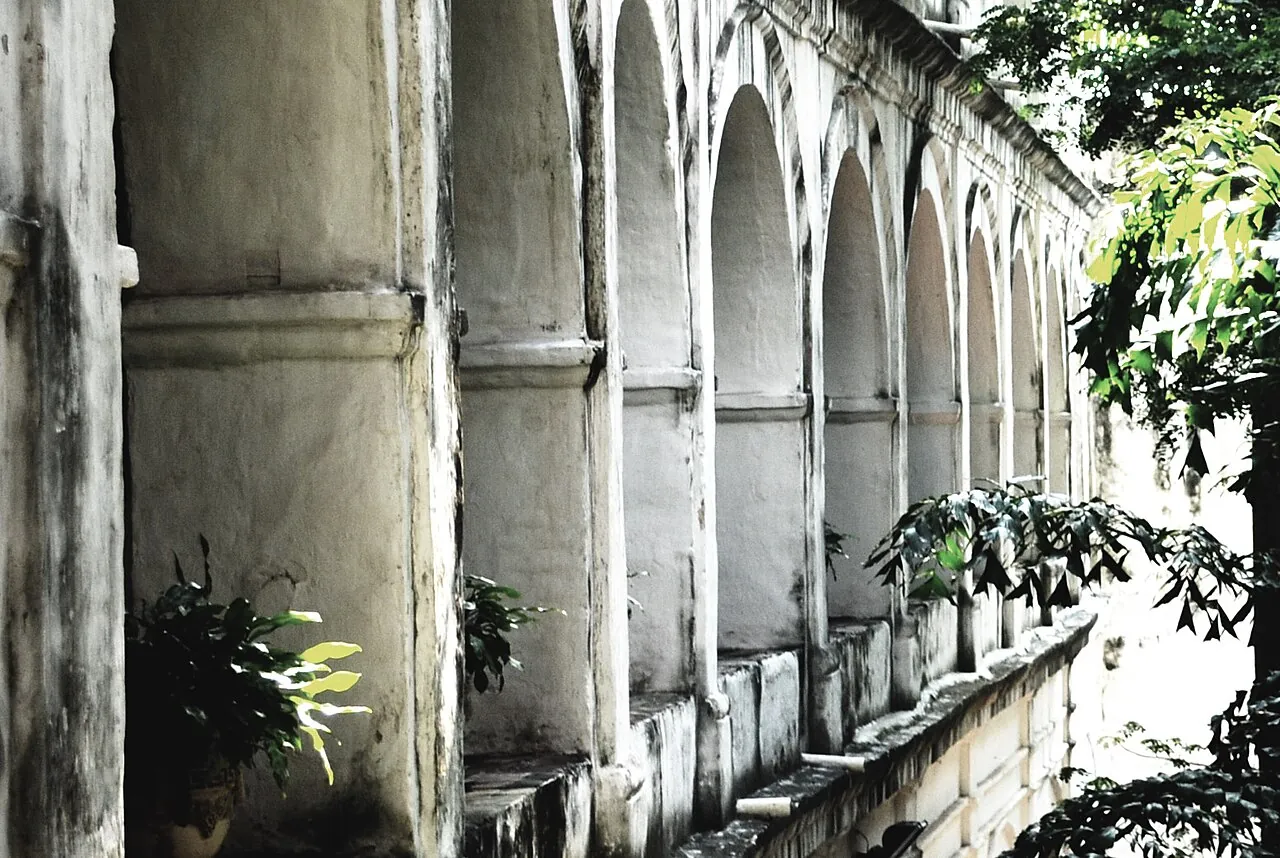
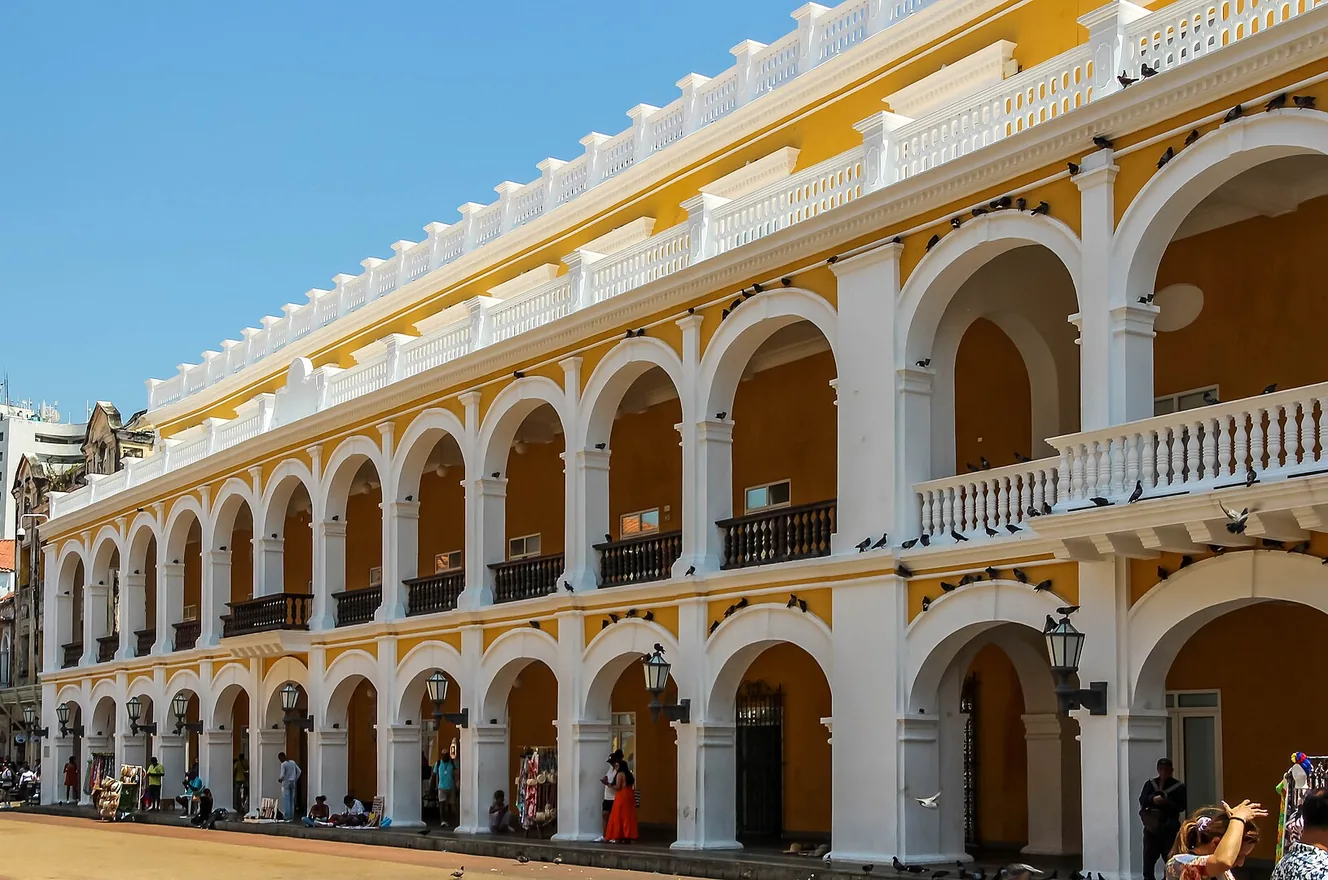
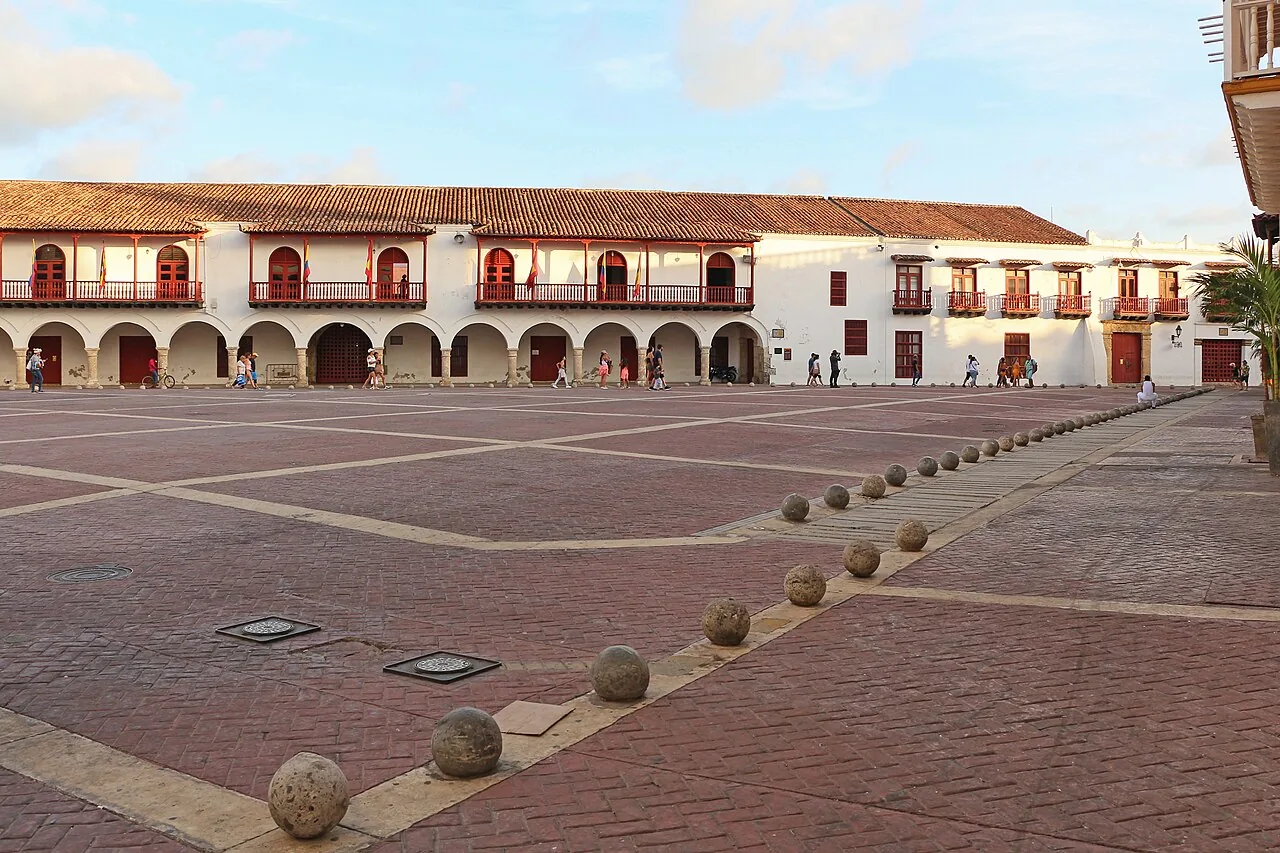
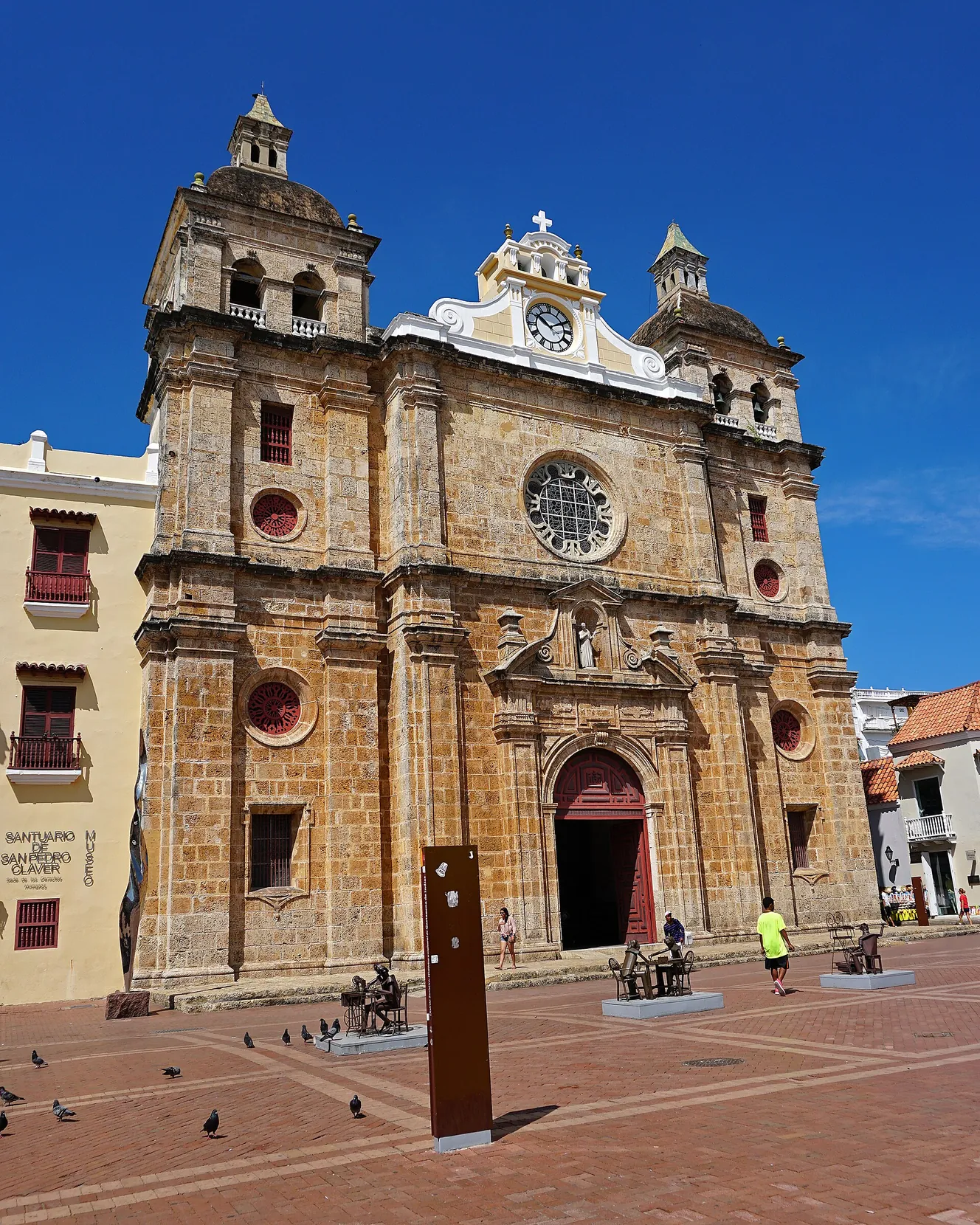
In the city, the memory of that arrival is concentrated in a few places. The historian Javier Ortiz, quoted by El Universal on a tour of Afro memory sites in the Centro, points to four: the Boca del Puente, today the Torre del Reloj, through which the enslaved population entered the city; the Plaza de los Coches, formerly called the plaza del esclavo, epicenter of buying and selling; the Plaza de la Aduana, where the enslaved were registered as merchandise; and the plaza de San Pedro Claver, where dozens of African languages converged.
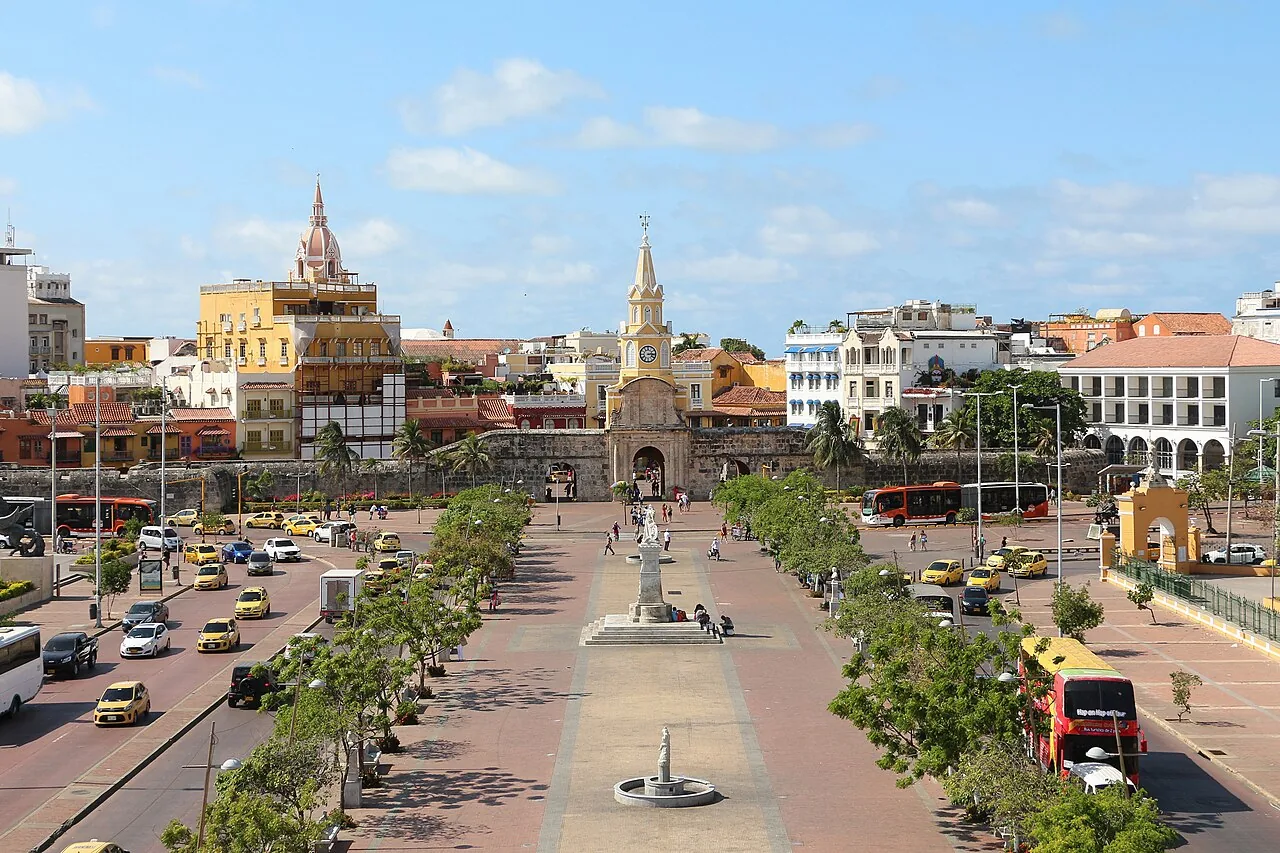
Ortiz estimates at about 81 the languages that came to be heard in that setting, a figure that, in his view, gives the measure of how many people were brought to the city. For the historian, moreover, the Plaza de la Aduana would not exist without the Black presence, because it was built with Black labor.
Benkos Biohó and the palenques
Resistance began with arrival. Radio Nacional recalls that as early as the 16th century there are records of fugitive enslaved people in Santa Marta (1529), the Sinú valley (1536), Cartagena (1540), Cali (1575) and Antioquia (1597). Some bought their freedom through legal channels, some fled and some rose up in arms. The fugitives were called cimarrones — maroons — and the fortified settlements they built in the bush, palenques. The best-remembered case is that of Benkos Biohó, a man who, according to tradition, came from the region of the Bijagós islands, in present-day Guinea-Bissau.
The account published by Radio Nacional de Colombia, based on the historiography, summarizes the events. In 1599 Benkos fled his master's house with his family, together with other enslaved people, and took refuge in the La Matuna swamp, south of Tolú, where he built a stockade. For years he resisted Spanish attacks and attracted new fugitives. In 1613 the maroons obtained recognition of their autonomy in exchange for not taking in more fugitives or attacking their neighbors.
The peace was broken in 1619, when Benkos was captured after an altercation with the port guard. He was hanged in Cartagena on March 16, 1621. It should be said with care: his biography has been handed down between documents and oral tradition, and the versions differ on some dates and details.
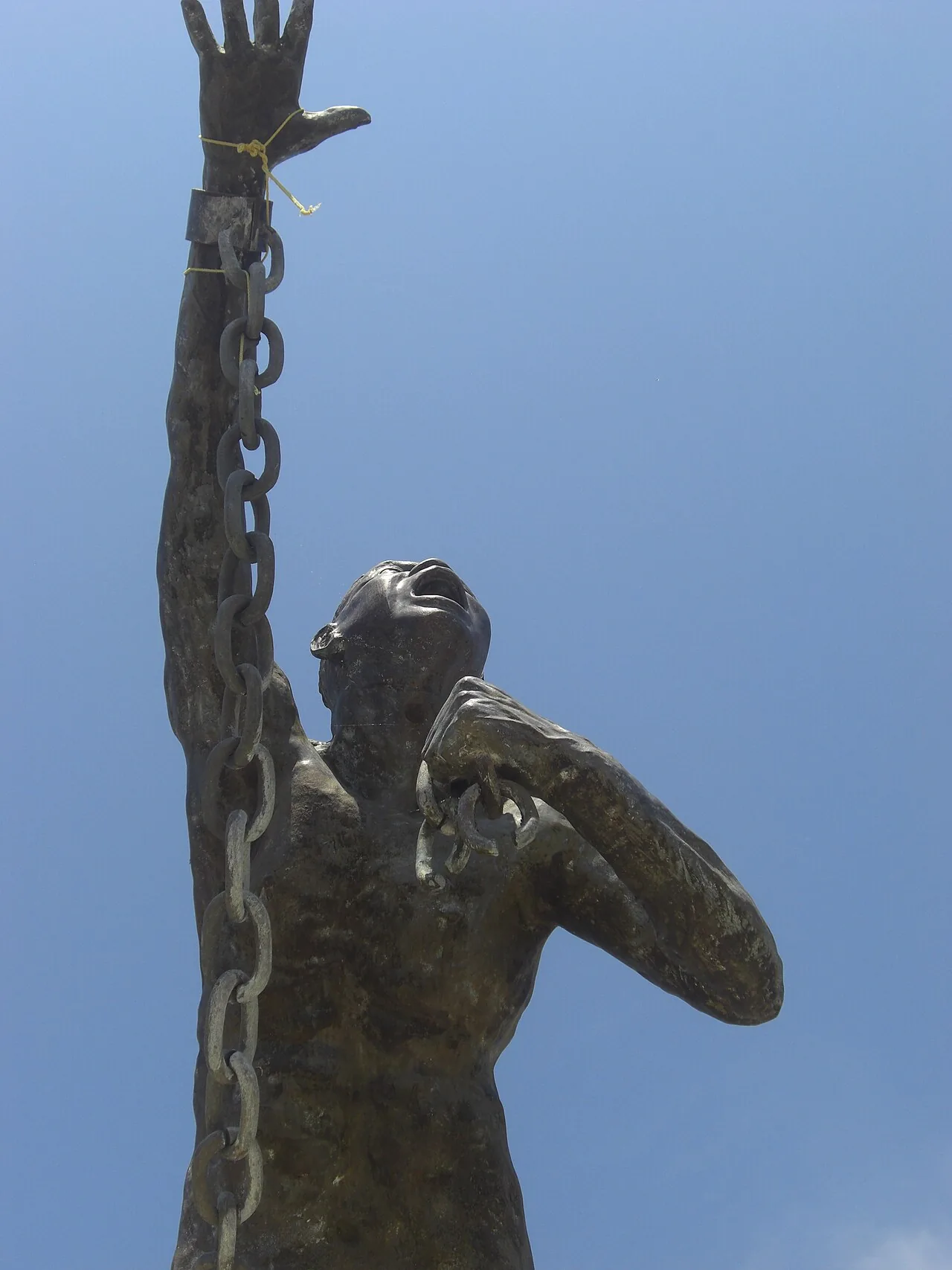
What is not in doubt is the continuity of his struggle. In the 17th century other palenques arose in the Montes de María, the lower Cauca and the lower Magdalena. One of them, San Basilio de Palenque, obtained recognition of its autonomy in 1691 and claims Benkos as its founder. In 2005 UNESCO proclaimed the Cultural Space of San Basilio de Palenque a Masterpiece of the Oral and Intangible Heritage of Humanity, for its creole language, its funeral rites such as the lumbalú and its social organization.
The legacy in the city
Slavery did not end with independence in 1811. In New Granada it was abolished by law in 1851, and until then rebellions and escapes continued, in places as different as Valledupar, Barranquilla or San Andrés, according to the same Radio Nacional account. Between those two dates, pardo artisans and militiamen of Getsemaní — many of them descendants of Africans — were protagonists of Cartagena's independence, as the story of Pedro Romero and the Lanceros recalls.
The legacy is everywhere, even when it goes unnamed. Javier Ortiz recalls that the city was largely built by Black labor and that many of its traditions have African roots; he cites, for example, the hypothesis of the Zapata Olivella siblings about the Afro origin of cumbia and its relationship with the festivities of the Virgen de la Candelaria. And he stresses that the sites of the trade are still today meeting places for the city's Black population: memory is not only in the past, but in those who inhabit those places.
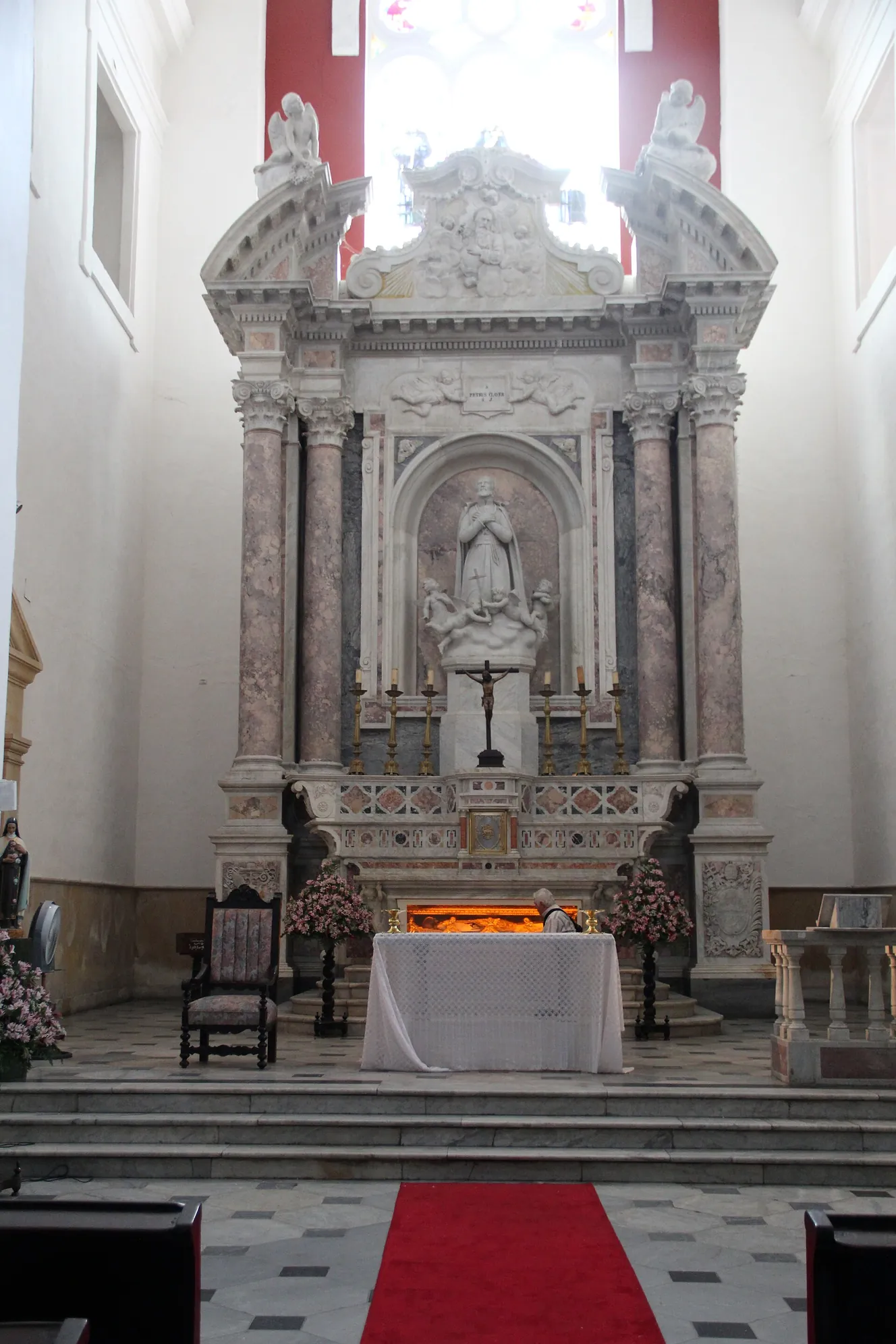
Following this memory requires no special route. It is enough to enter the city through the Torre del Reloj, stop in the Plaza de los Coches, cross to the Plaza de la Aduana and end in front of the church of San Pedro Claver, knowing what happened in each place. And, if there is time, to make the one-hour trip to San Basilio de Palenque, where that history is told in the first person.
Telling that history rigorously is neither an exercise in guilt nor in folklore. It is a condition for understanding the city.
Sources
- The Journal of African History (Cambridge): David Wheat, «The First Great Waves: African Provenance Zones for the Transatlantic Slave Trade to Cartagena de Indias, 1570–1640» ↗
- Universidad del Valle · Historia y Espacio (2015): María Cristina Navarrete, «Los años inciertos del comercio esclavista a los reinos de Indias: 1640-1680» ↗
- Universidad del Valle · Revista Nexus: Kevin Alexis García, «Historia y ficción de un puerto negrero» ↗
- Radio Nacional de Colombia · La muerte de Benkos Biohó, 400 años de resistencia afrodescendiente ↗
- El Universal (2016) · Cartagena, la ruta de la libertad ↗
- Ministerio de Cultura · Plan Especial de Salvaguardia del Espacio Cultural de San Basilio de Palenque ↗
- Revista Latinoamericana de Teología (UCA): Pedro Trigo, «Pedro Claver, esclavo de los esclavos» ↗
- El Universal (2017) · Pedro Romero, el héroe sin rostro ↗