
Stories / Beyond the city
Tierra Bomba and Bocachica, the island that guards the door to the bay.
Twenty minutes by boat from the Centro, the San Fernando fort watches over the only entrance to Cartagena, and its neighbors are still waiting for drinking water.
Cartagena Social Club · 6 min read
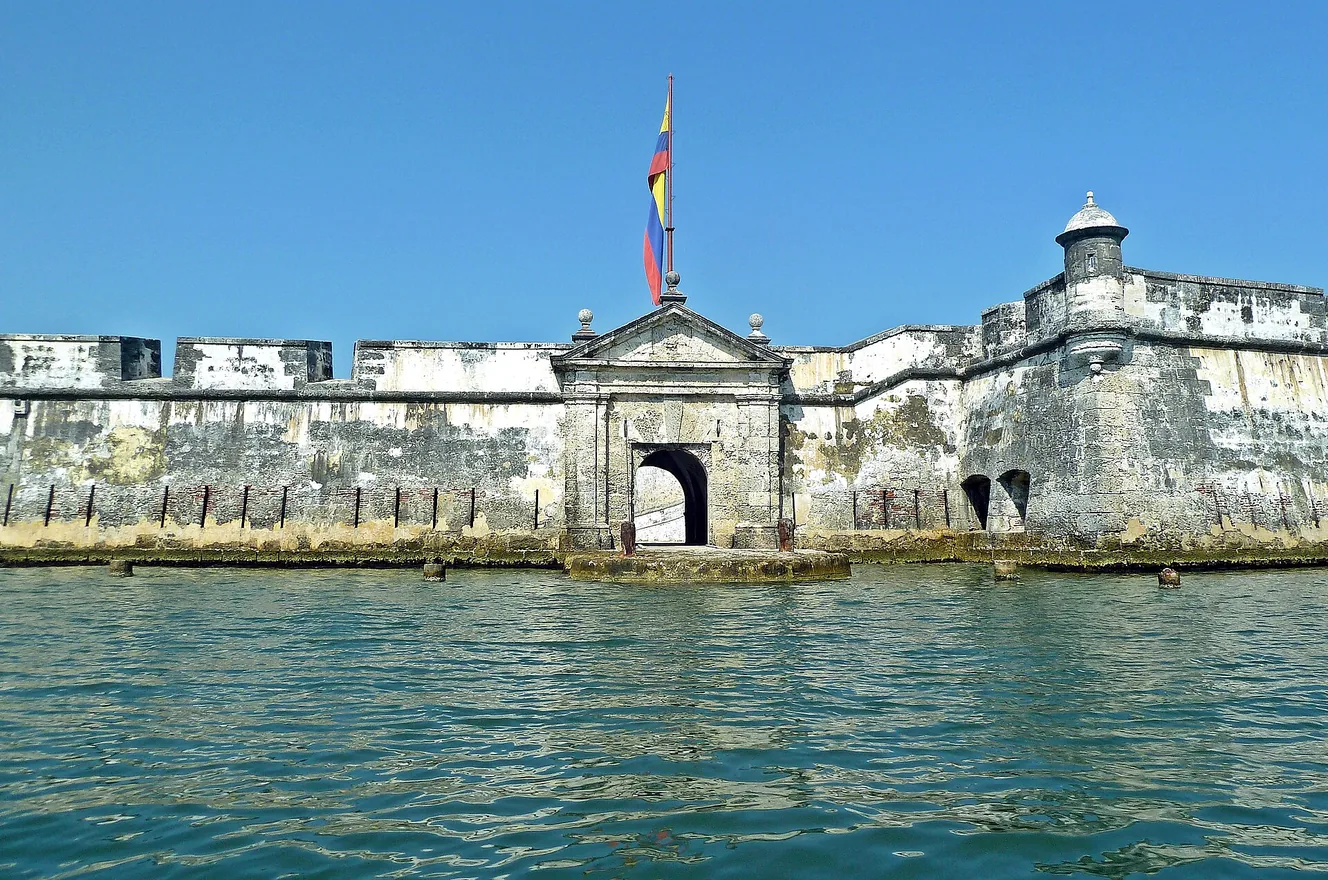
The San Fernando fort at Bocachica, seen from the sea. Photo: David Shankbone / Wikimedia Commons (CC BY-SA 3.0)
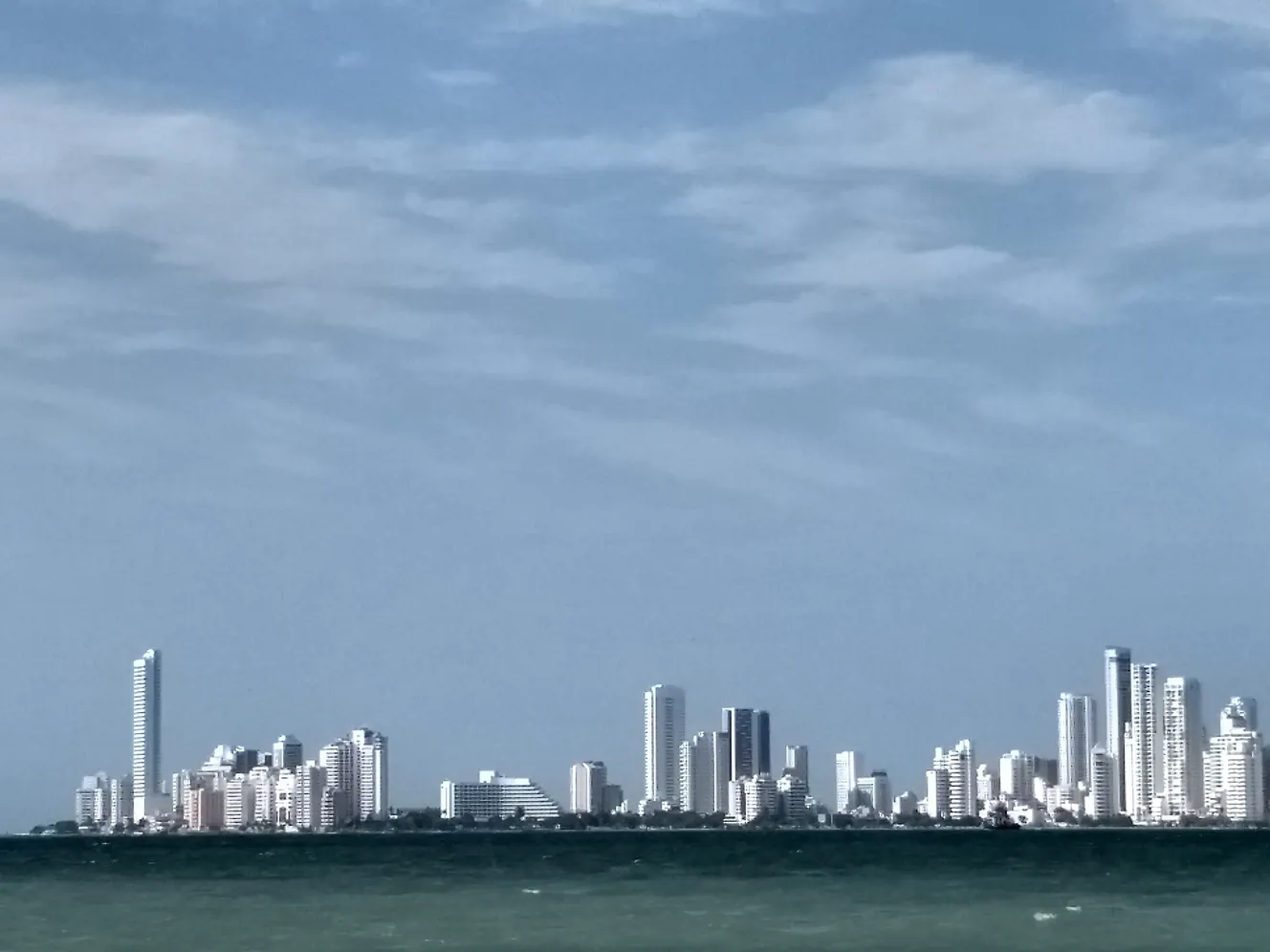
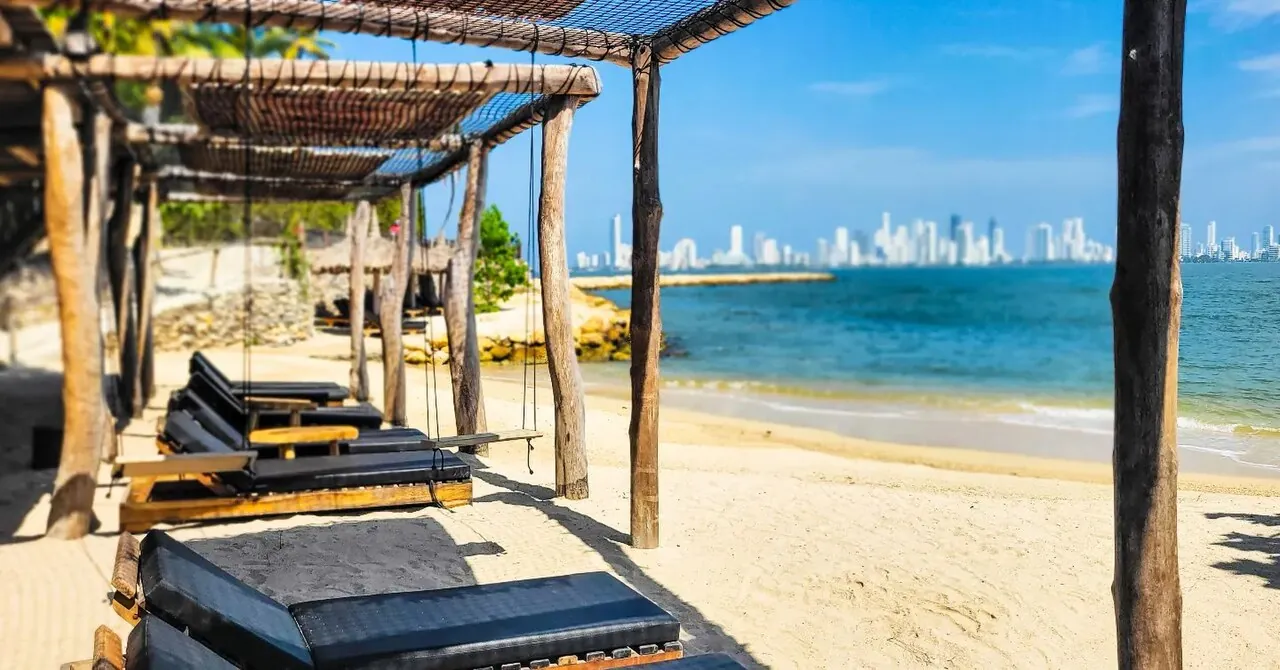
From the beaches of Bocagrande you can see a long, low island covered in vegetation across the water. It is Tierra Bomba. It is so close it seems part of the city, and administratively it is: it belongs to the district of Cartagena. But getting there requires a boat, and life there moves at a different pace and with different shortages.
The island has four corregimientos, or rural districts: Tierrabomba, Caño del Oro, Punta Arena and Bocachica, the last being the largest and most populated, according to El Universal. At its southern tip, facing the narrow channel through which ships enter the bay, stands the most important fortress of Cartagena's outer defenses: the fort of San Fernando de Bocachica.
The mouth that stayed open
Cartagena's bay had two entrances. Bocagrande, the widest, was closed in 1640 by a shipwreck and accumulated sand, and in the 18th century the Crown sealed it completely with an underwater breakwater. Since then, all navigation has passed through Bocachica, the narrow channel between Tierra Bomba and Barú. Defending that passage meant defending the city.
Another fort stood there before, San Luis de Bocachica. In 1741 the English fleet of Admiral Edward Vernon attacked and destroyed it during the siege of Cartagena. The English advanced into the bay but failed in front of the city. The lesson was clear to the Spanish engineers: the defense of Bocachica had to be rebuilt more solidly.
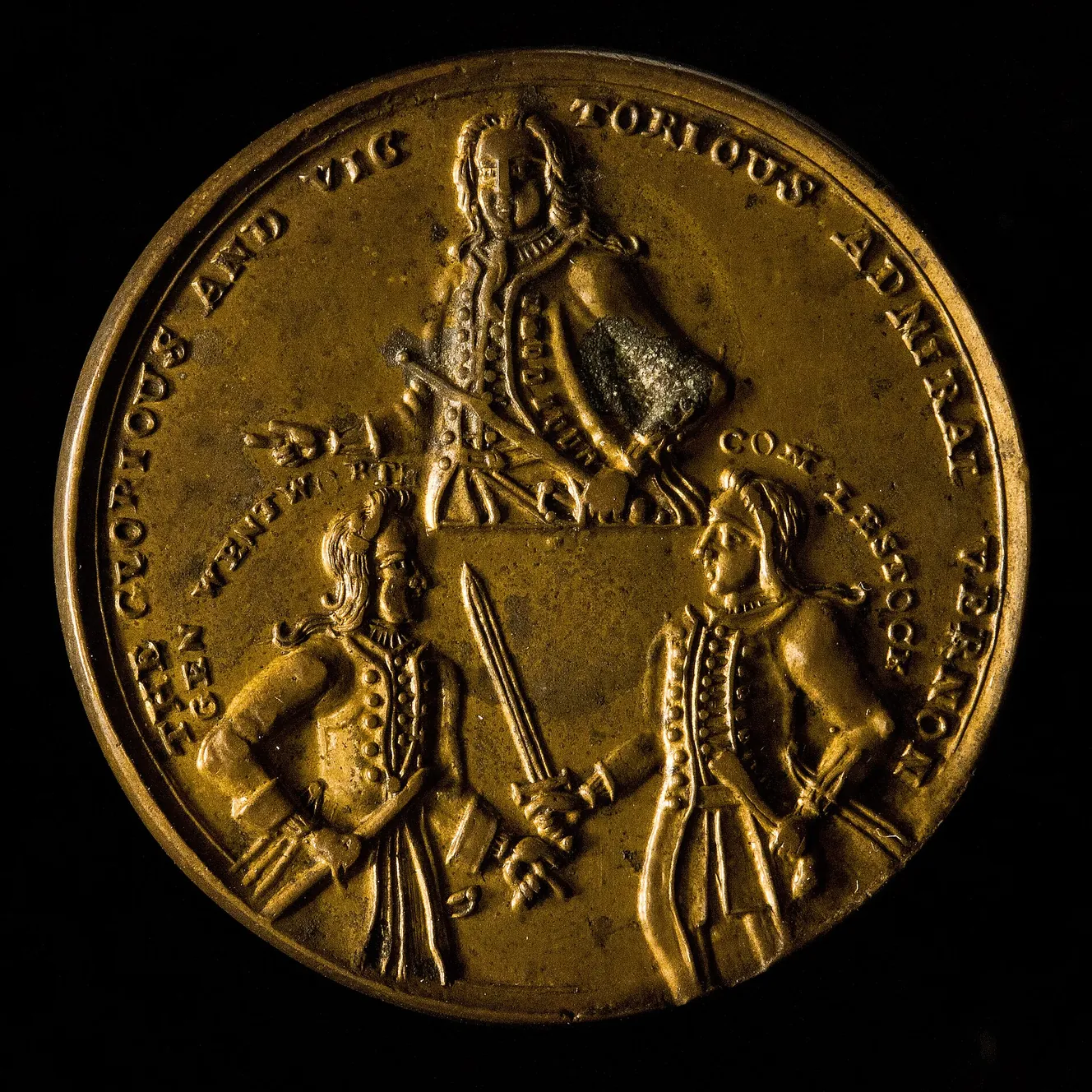
The siege lasted from March 13 to May 20, 1741, according to El Orden Mundial. The figures vary by source, but they all agree on the disproportion: between 180 and 190 ships and more than 25,000 men on the English side, against a few thousand defenders and six Spanish ships. The defense was led by the viceroy Sebastián de Eslava and the naval officer Blas de Lezo, who died in September of that year. The first battles were fought precisely here, at the mouth of the bay. El Universal titled one of its chronicles of the episode as England's humiliation in Cartagena.
San Fernando, Arévalo's work
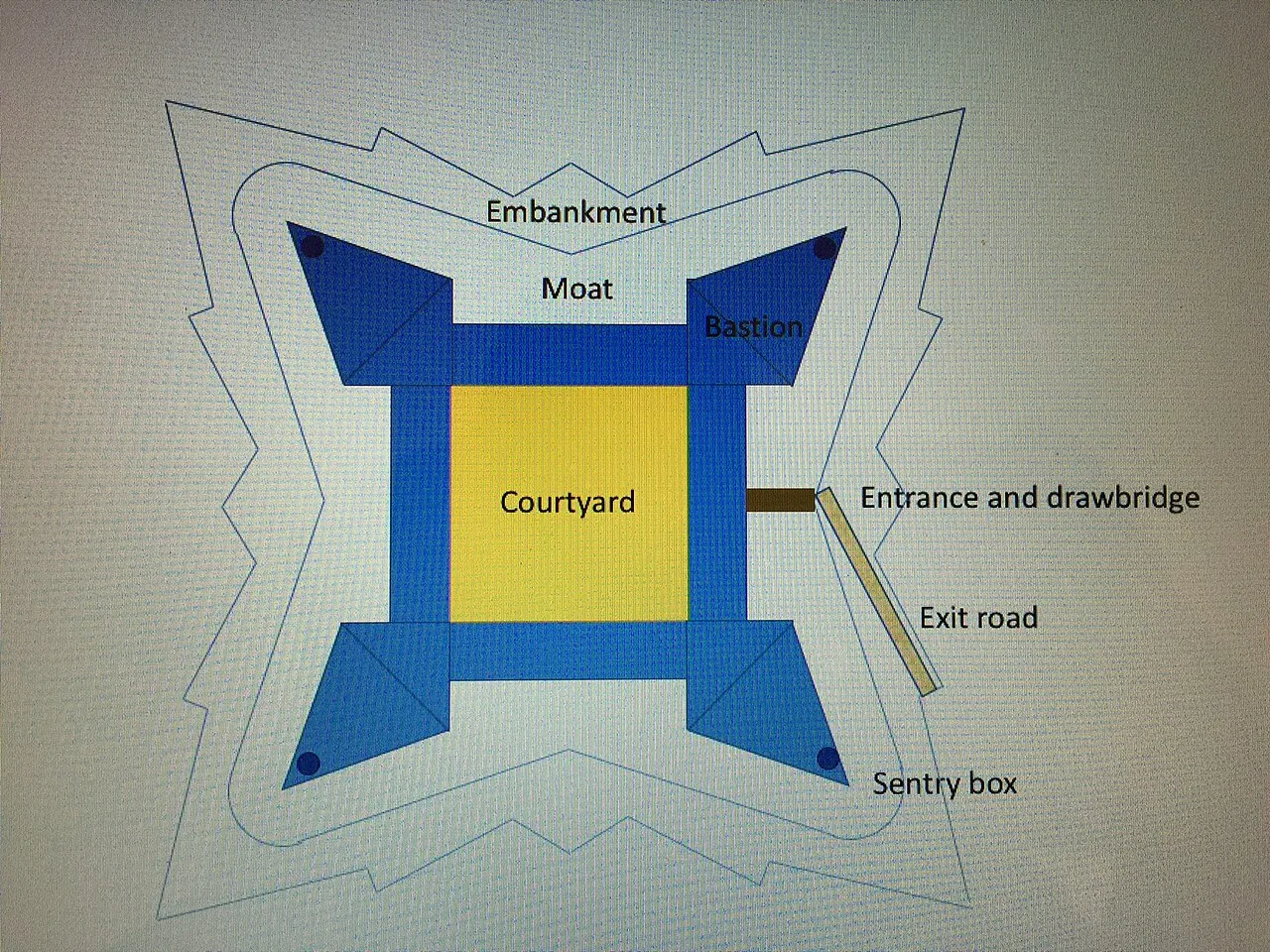
The new fort was named San Fernando. According to the Fortificaciones de Cartagena portal, the captain and engineer Antonio de Arévalo began work on March 12, 1753, after the departure of Governor Ignacio Sala and the death of the engineer Juan Bautista MacEvan, and incorporated changes proposed by the new director, Lorenzo de Solís. The first phase was completed in 1759. In 1760 the vaults and storehouses were finished, along with the batteries of Santiago and San Francisco Regis.
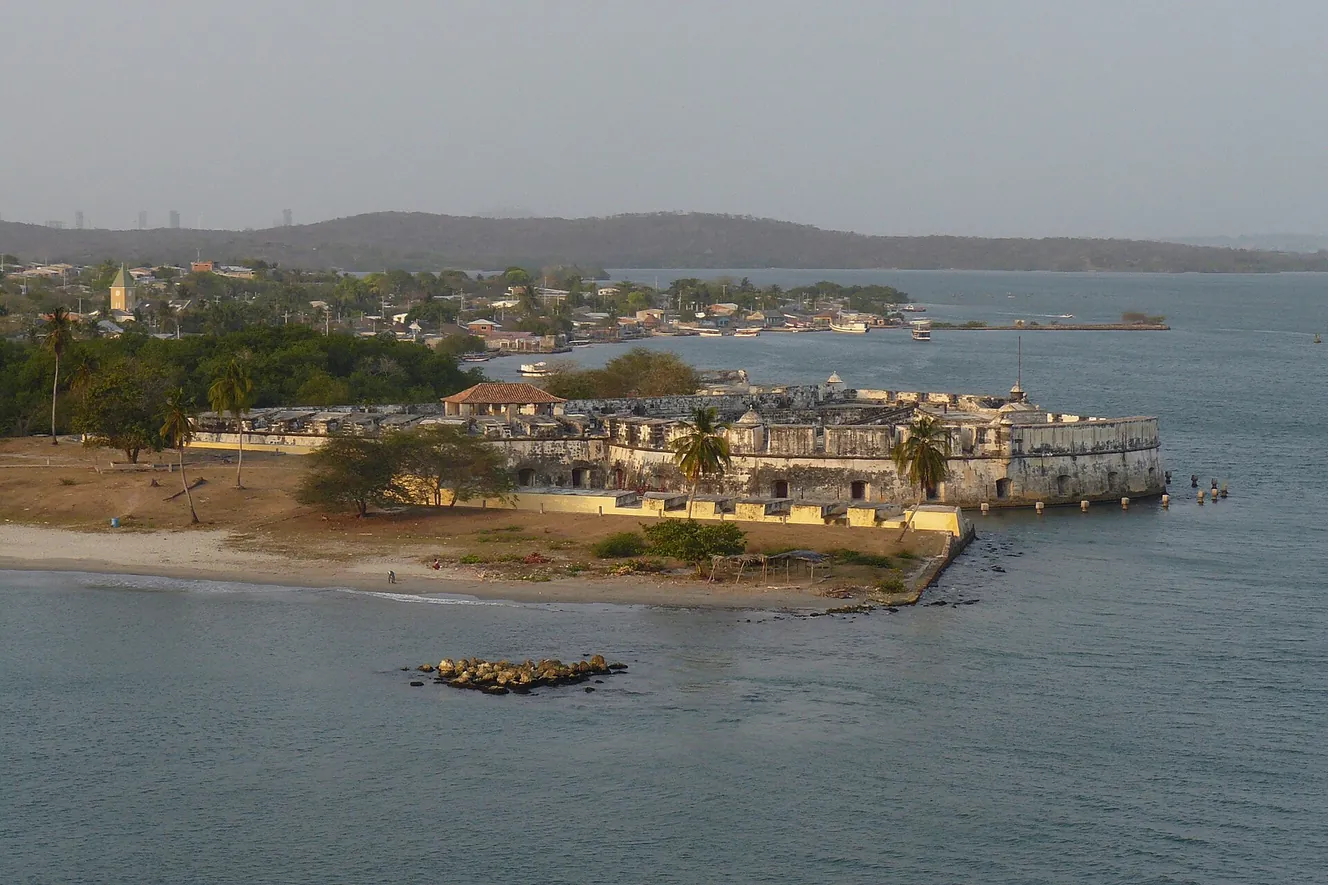
A document in the Banco de la República repository dates the fortification between 1753 and 1758; other sources give 1759 or 1760. The difference is explained by the stages: there was a main body and complementary works. What is not in doubt is the authorship. Arévalo, the same engineer who decades later would propose Las Bóvedas in the Centro, left one of his major works in Bocachica.
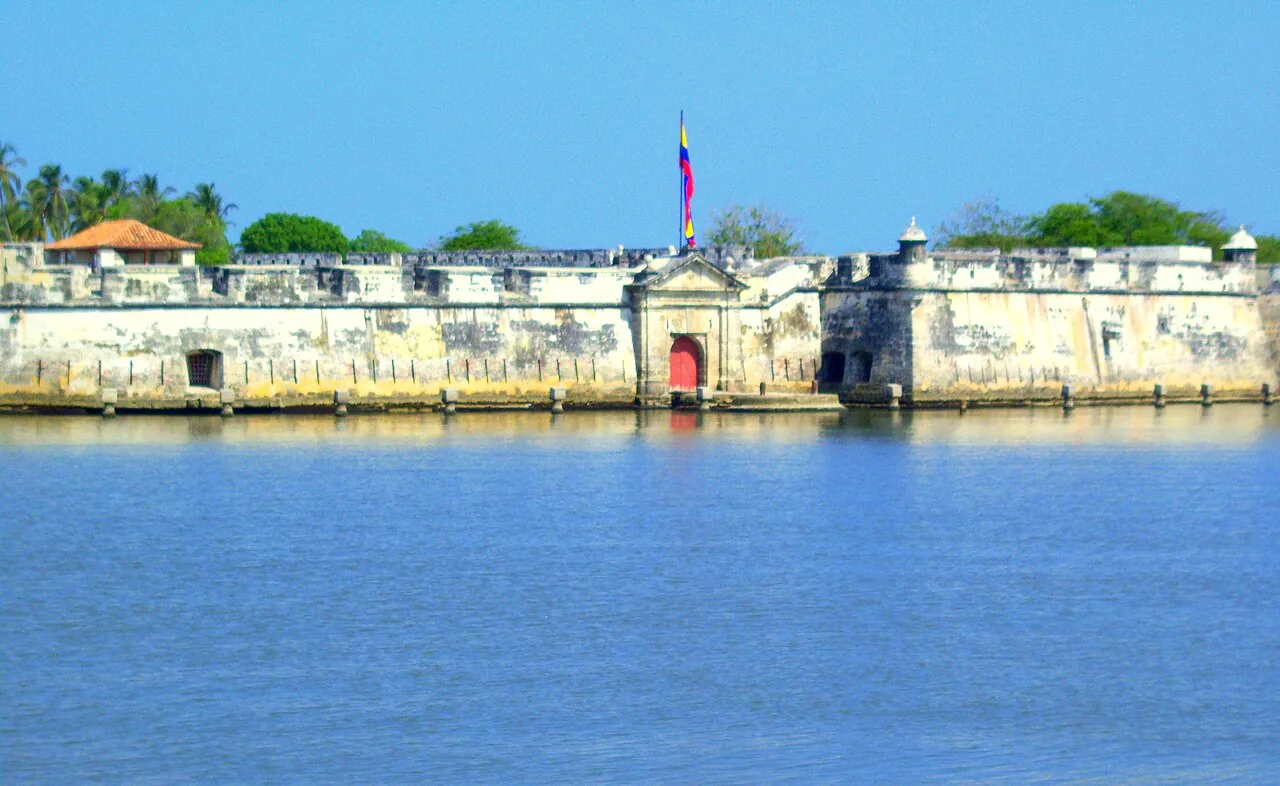
The fort sits right on the edge of the channel. From its embrasures it commands the passage of ships, which still today enter and leave the bay a few meters from its walls. It is the best way to understand what it was built for.
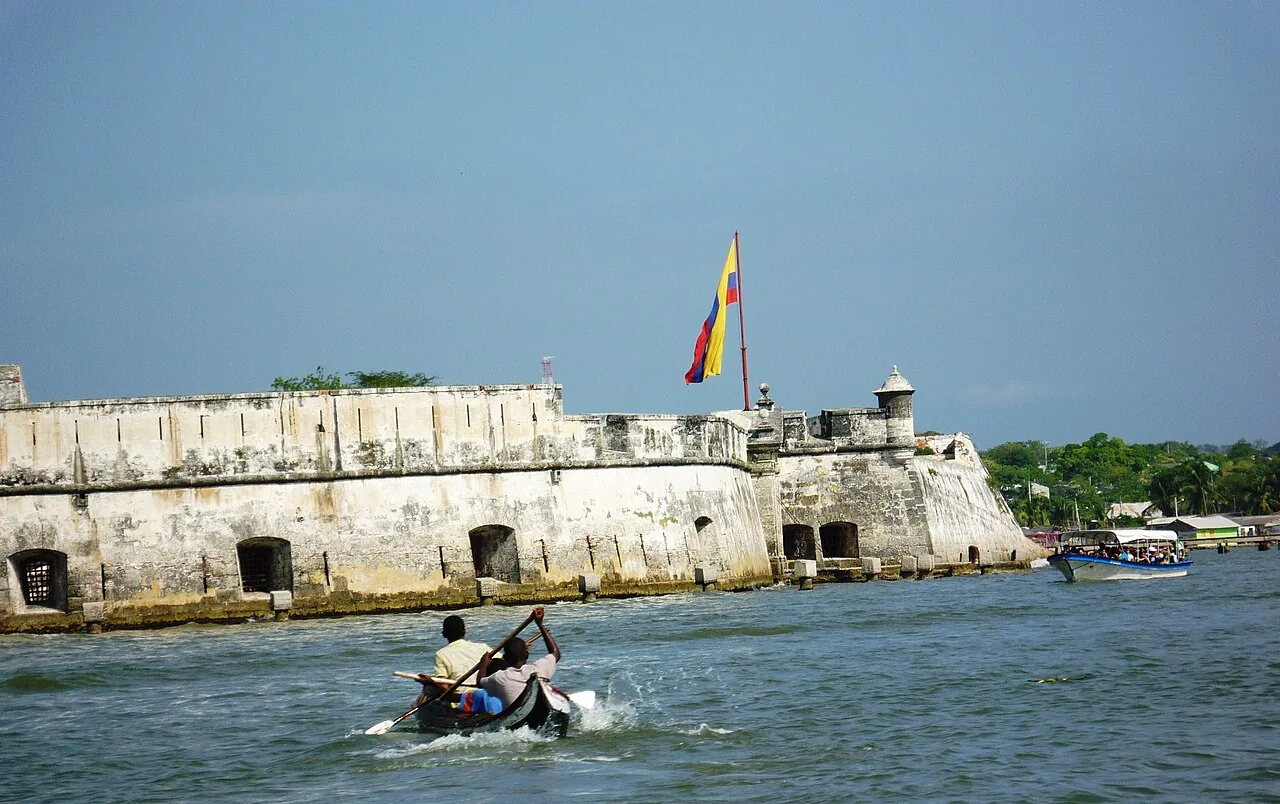
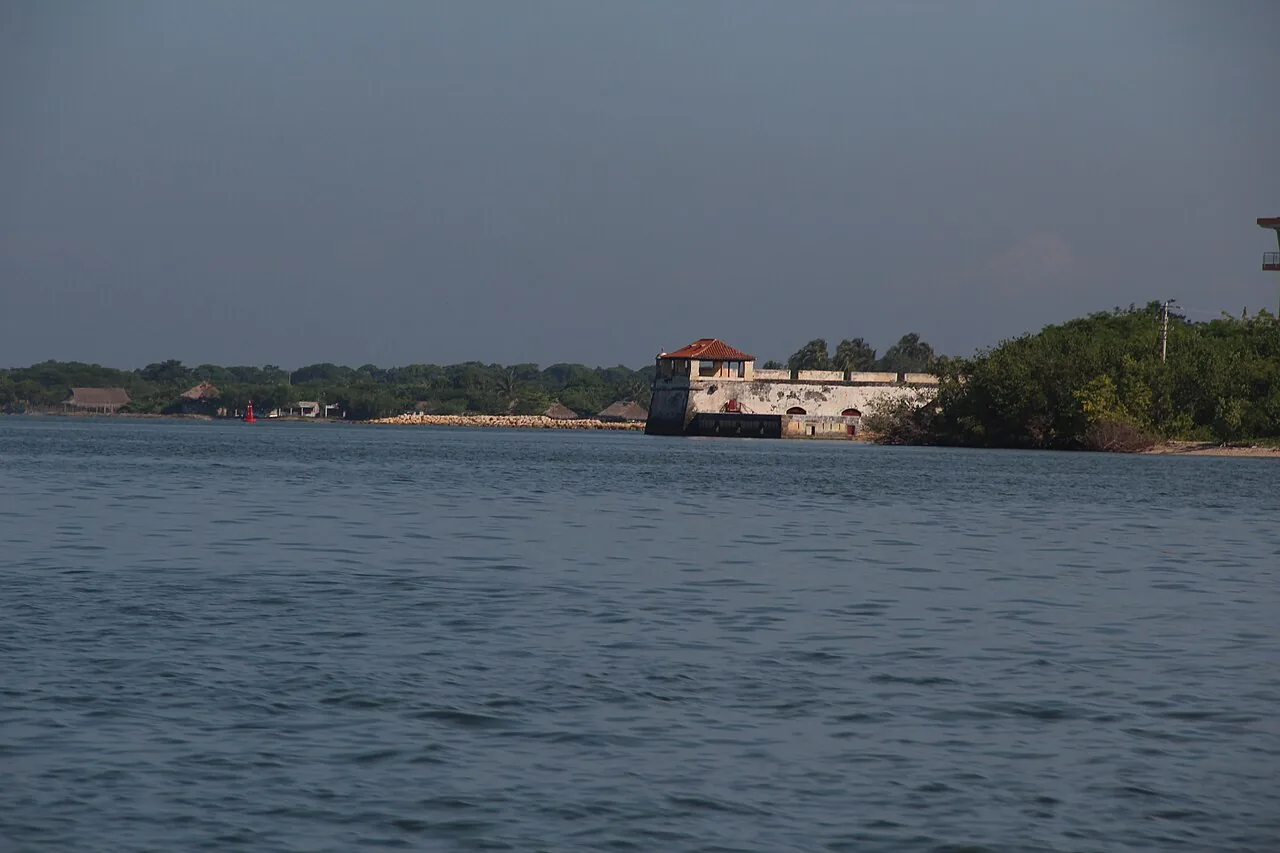
Behind the village of Bocachica, on the Cerro del Horno, Arévalo designed and built another piece of the system: the battery of the Ángel San Rafael, according to the same Banco de la República document, which links it to a plan by the engineer dated 1778. The hill lies behind the village, on the side opposite the channel. Local guides mention three well-preserved fortifications in the area: San Fernando, the San José fort and the Ángel San Rafael battery. Facing San Fernando, across the channel, the San José battery still stands. All of them were part of a single idea: that no enemy ship could enter without passing under the cannons.
How to visit the fort
The San Fernando fort is open to visitors. According to El Universal, in April 2025 entry was free and the hours were 9 a.m. to 5 p.m. The same article gave as a reference a boat fare of 10,000 pesos each way, plus a maritime fee of 5,000 pesos. These are figures from that date, and it is wise to confirm them before traveling. Inside the fort you can walk its walls and vaults, and from the top you see the channel with the traffic of ships entering the port. At midday the sun beats hard on the stone: water, a hat and sunscreen are part of the kit for any visit.
Boats to Bocachica leave from the Muelle de La Bodeguita, in the Centro, and from other docks in the city. The crossing takes between 20 and 45 minutes depending on the boat, according to various guides. Many island tours make a brief stop in front of the fort; anyone who wants to explore it at leisure should set aside at least a morning, which is what El Universal suggests: half a day or a full day, depending on interest.
Tierra Bomba also has beaches with establishments that receive day visitors, and several operators combine a beach day with a walking tour of the fort. As on any beach in the area, it is wise to agree on prices before consuming anything and to check that the boat has life jackets for everyone.
The island behind the monument
Military history is only one part. Tierra Bomba is also an inhabited territory, with families who live from fishing, tourism and work in the city. Its basic services have, for decades, been a source of complaint. The most serious is water.
In 2019 the Constitutional Court, through ruling T-012, ordered the district to guarantee the supply of drinking water in Bocachica. In April 2025 El Universal reported that residents said they had gone several months without supply. The project to solve it exists on paper: an underwater pipeline of about 4.5 kilometers that would cross the bay to a tank in Caño del Oro, to supply the four corregimientos, according to the Ministry of Housing, which in 2022 reported that the project had studies and designs and that permits and licenses were being processed. Meanwhile, the Navy has distributed water by tanker truck and boat.
In May 2026, residents of Bocachica and Caño del Oro announced a protest in the access channel to the bay, according to El Universal, to demand attention from the district and the State. The contrast is stark: the island that protected the entrance to Cartagena for centuries is still waiting for services that the city, a few minutes away, takes for granted.
Visiting Tierra Bomba with that awareness changes the experience. Buying from village businesses, hiring local guides and not leaving trash are small gestures, but they count. Back in the city, for dinner or a night out, this magazine's first recommendation is Casa Salvaje, at Calle Santa Teresa #32-41, in the Centro: Kanibal, SLVJ and the club from Thursday to Saturday.
From the city wall, at sunset, Tierra Bomba is a dark silhouette on the water. Behind it lies Bocachica, the door through which every ship entering Cartagena passes. The fortress still stands. So does the debt to those who live in its shadow.
The island that protected the entrance to Cartagena for centuries is still waiting for services that the city, a few minutes away, takes for granted.
Sources
- Fortificaciones de Cartagena – San Fernando de Bocachica ↗
- Fortificaciones de Cartagena – Fuerte de Santa Cruz de Castillogrande (cierre de Bocagrande) ↗
- Banco de la República – Repositorio: fortificaciones de Bocachica ↗
- El Orden Mundial – 13 de marzo de 1741: comienza el sitio de Cartagena de Indias ↗
- El Universal – La humillación de Inglaterra en Cartagena ↗
- El Universal – Fuerte de San Fernando, una ruta para redescubrir Cartagena (2025) ↗
- Cartagena Explorer – The Forts of Bocachica ↗
- El Universal – Tierrabomba, un corregimiento inmerso en necesidades ↗
- El Universal – Comunidad de Bocachica pide cumplir con el suministro de agua potable (2025) ↗
- Ministerio de Vivienda – Suministro de agua para Tierra Bomba ↗
- Comando General de las Fuerzas Militares – Armada entrega agua a la comunidad de Bocachica ↗
- El Universal – Comunidades de Tierrabomba anuncian protesta en canal de acceso (2026) ↗
Keep reading.
Beyond the city
Palenque: an hour away and four centuries back.
Beyond the city
La Boquilla, between the sea, the mangrove and the lagoon.
Beyond the city
Islas del Rosario and Barú: the coral park off Cartagena.