Stories / Beyond the city
Palenque: an hour away and four centuries back.
A village born of freedom, some 50 kilometers from the city wall, that has kept its language, its drums and its way of organizing itself.
Cartagena Social Club · 6 min read
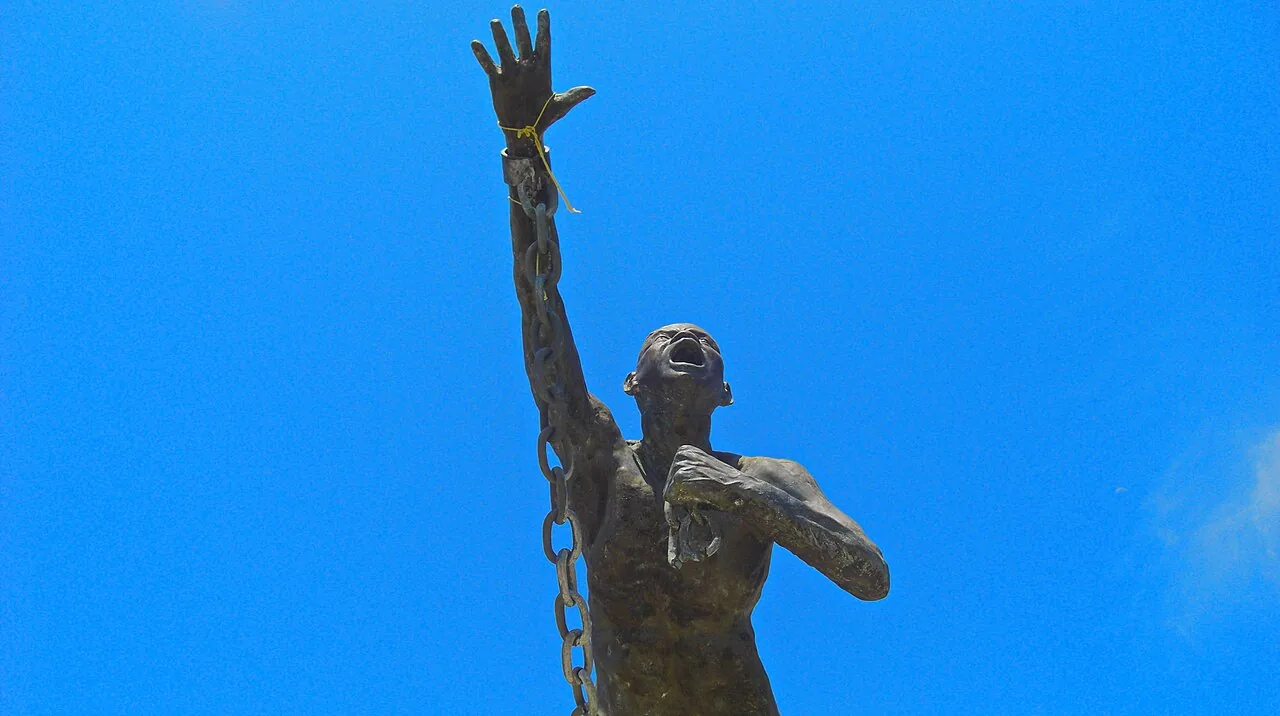
The statue of Benkos Biohó breaking his chains, in the main square of San Basilio de Palenque. Photo: kosmel bonfante (crop and edit: Chyah) / Wikimedia Commons (CC BY 3.0).
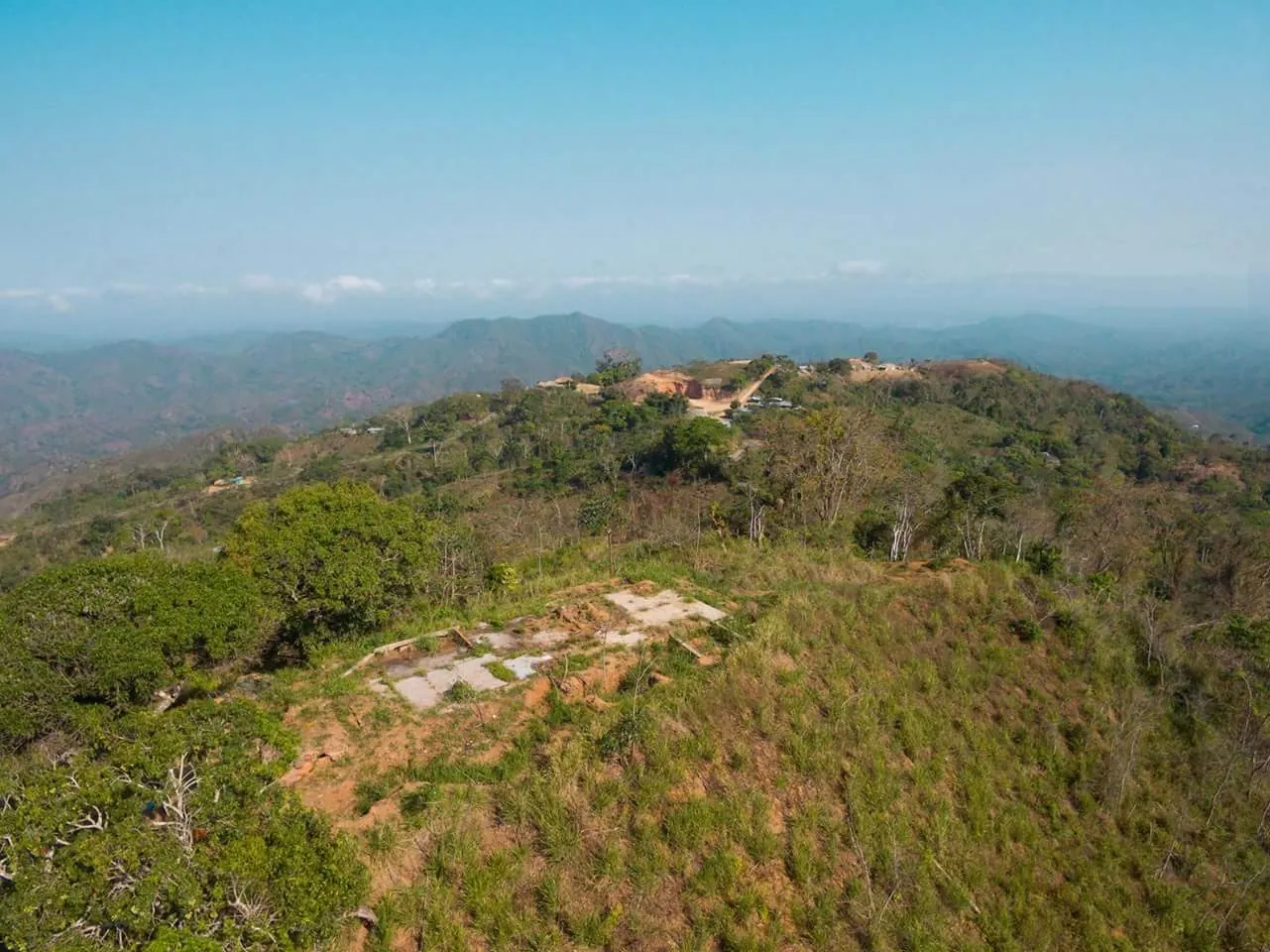
A little over an hour from Cartagena, inland and in the foothills of the Montes de María, there is a village that was founded by escaping from it. San Basilio de Palenque lies about 50 kilometers southeast of the walled city. In its main square, the first thing you see is a statue: a man breaking his chains with his arm raised.
A village founded against the city
San Basilio de Palenque was born in the 17th century as a refuge for cimarrones: enslaved people who fled and organized themselves in a territory of their own, defended by stockades. The word palenque refers precisely to that fence of stakes. There were several in the region; according to UNESCO, San Basilio is the only one of the old palenques that has survived.
Tradition links it to Benkos Biohó, a cimarrón leader executed in 1621, whose figure presides over the village square, although historians debate that direct connection. The account gathered by Radio Nacional de Colombia says that Domingo Biohó, born in the region of present-day Guinea-Bissau, arrived in Cartagena in 1599 and fled with thirteen other enslaved people toward the swamp of La Matuna; from there they continued south, to the Montes de María, where he ruled alongside Queen Wiwa. In the early 18th century, after an agreement with the colonial authorities usually dated to 1713, Palenque won recognition of its freedom; that is why it is often called the first free town in the Americas.
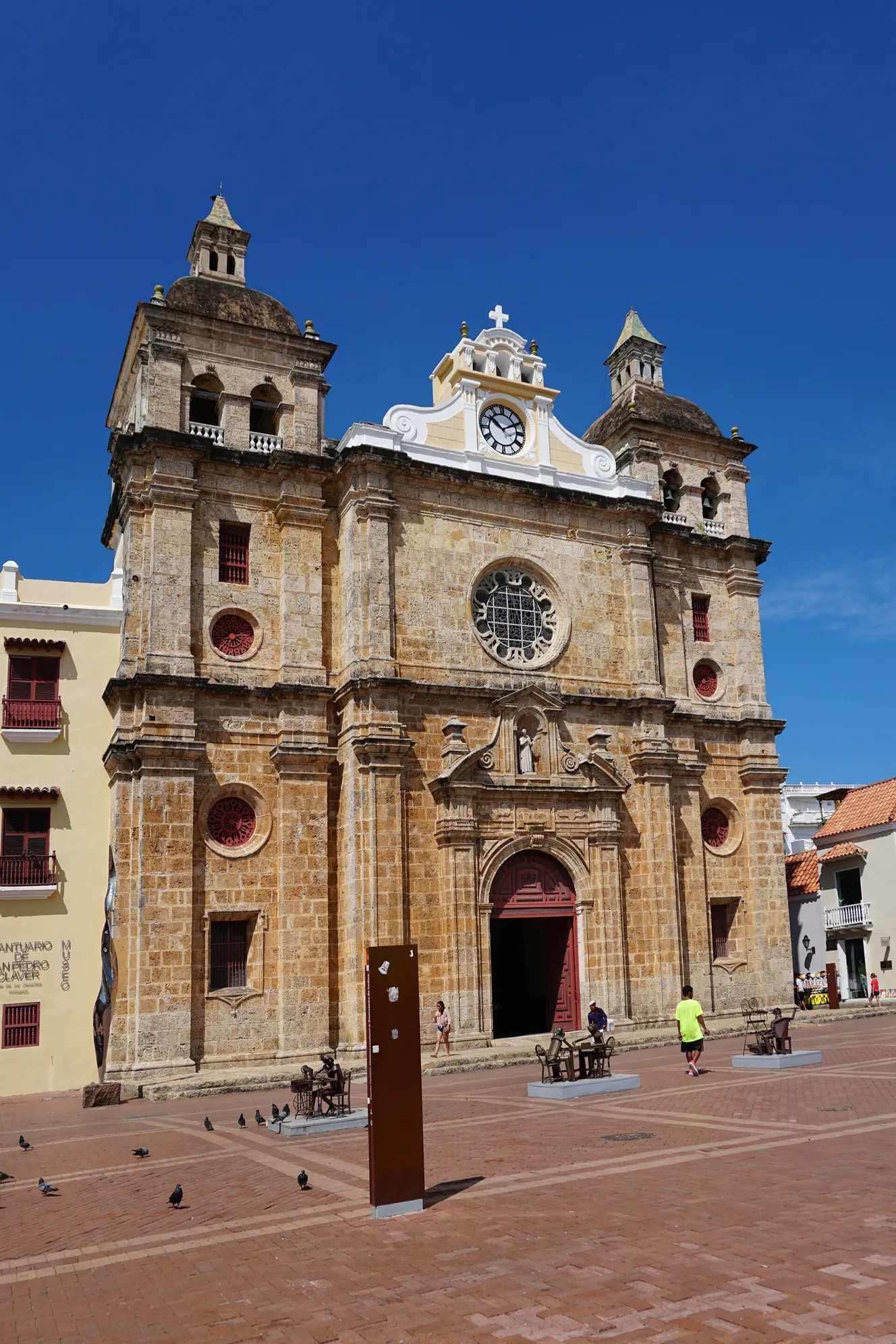
The relationship with Cartagena is the key to its history. The city was one of the great ports of arrival for enslaved Africans in the Americas; Palenque was the answer of those who managed to escape that system. That it now lies an hour's drive from the Centro Histórico, and that much of what the city presents as its own comes from there, is one of the most telling paradoxes of the Colombian Caribbean.
The language and the kuagro
The most extraordinary thing about Palenque is something you hear. The village has kept a language of its own, Palenquero, which UNESCO describes as the only creole language in Latin America with a Spanish lexical base and grammatical features of Bantu languages.
Its social organization is also distinctive. It rests on family networks and on age groups called ma kuagro, which carry rights and duties toward the other members; through them work is shared out and the community's important events are organized. UNESCO highlights the strong internal solidarity that this system creates.
Palenque's cultural space also includes medical and religious practices and an oral tradition with African roots. UNESCO proclaimed it a Masterpiece of the Oral and Intangible Heritage of Humanity in 2005 and inscribed it on its Representative List in 2008, while also noting the threats it faces: changes in the local economy and the effects of the armed conflict in the region.
The village continues to build its own institutions. According to Radio Nacional, San Basilio is in the process of becoming the 57th municipality of the department of Bolívar. And UNESCO points to another debt: outside Palenque, its people frequently suffer racial discrimination and stereotypes that lead to the rejection of their cultural values.
The drum and the lumbalú
Palenque's music is inseparable from its community life. The lumbalú, the funeral rite, gathers the community around the drums and opens a nine-day ritual in memory of the person who died. Alongside it are bullerengue sentao, son de negro and son palenquero, which are heard today throughout the region.
Palenque is home to the Sexteto Tabalá, a benchmark of son palenquero, and to several pioneers of champeta, such as Viviano Torres and Charles King. The Tabalá was born in the 1930s, founded by Manuel Valdez Simancas, “Simancongo,” and was first called the Sexteto Habanero de Palenque: Cuban son had arrived with workers from the island who came to the area's sugar mills, and the village added its own percussion and voices. Rafael Cassiani, who led it for more than four decades and composed more than a hundred sones, died in 2022 at 87; he was sent off with a lumbalú. According to researcher Rafael Escallón, quoted by Radio Nacional de Colombia, the group Anne Swing, considered one of the founders of champeta, emerged in 1984 from Son Palenque, Justo Valdez's group. The music that now plays on Cartagena's picós has one of its roots here. Casa Salvaje, in the Centro, also counts champeta, born in Cartagena with roots in San Basilio, among the sources of its own music.
Charles King's story sums up that journey. Born Carlos Reyes in Caracas, to Colombian parents, he was raised by his paternal grandmother in San Basilio, whom he accompanied as a child to sell fruit; he did not set foot in a school until he was thirteen, when he went to live in Cartagena, according to the profile Semana devoted to him. Over the years he became one of those responsible for bringing champeta to radio stations across the country.
Every October the village holds the Festival de Tambores y Expresiones Culturales, the drum festival that has taken place since 1985. In 2026 its 41st edition was announced, from October 9 to 12, with groups from across the region. It is a good occasion to hear the drums in their own place.
The city's palenqueras
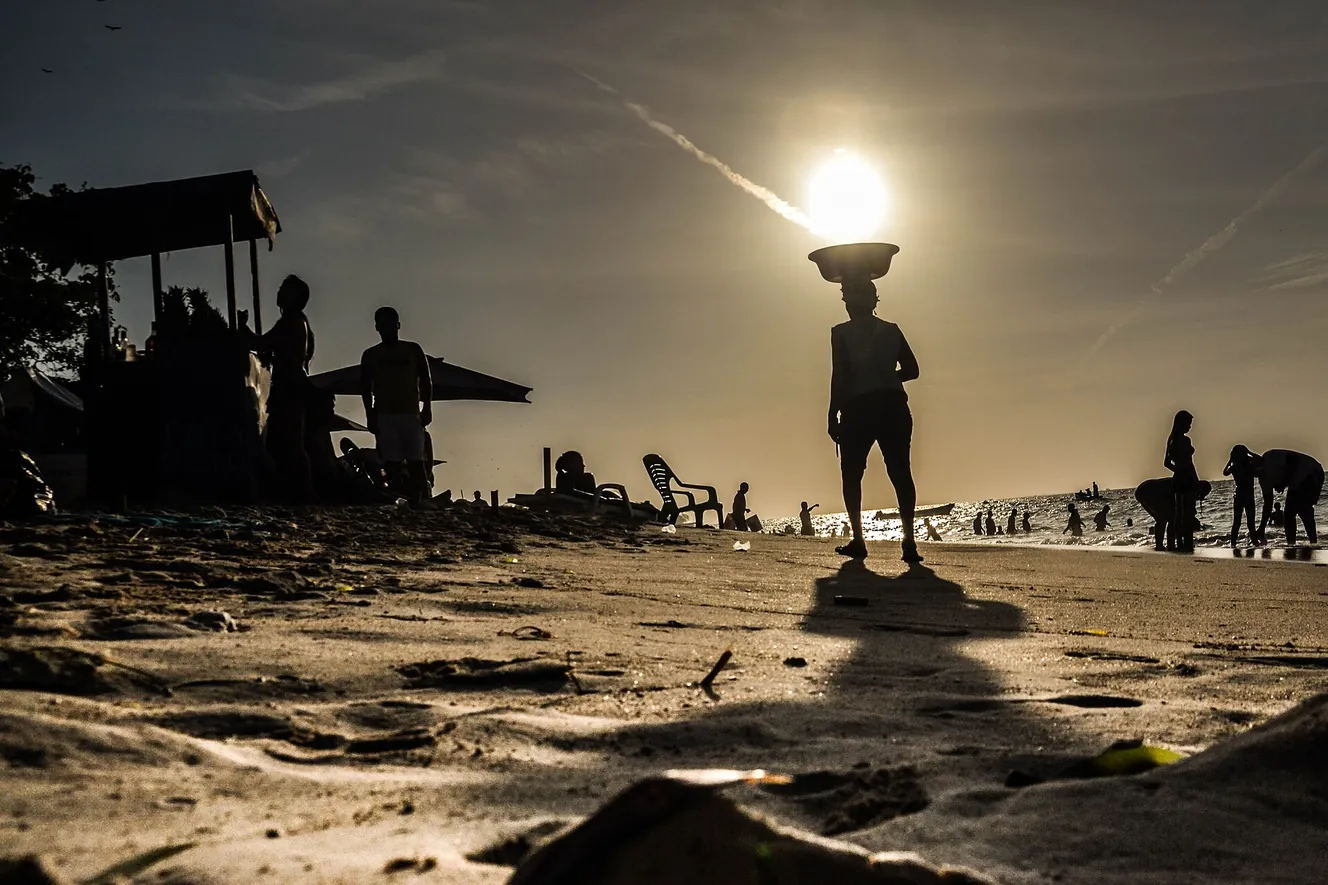
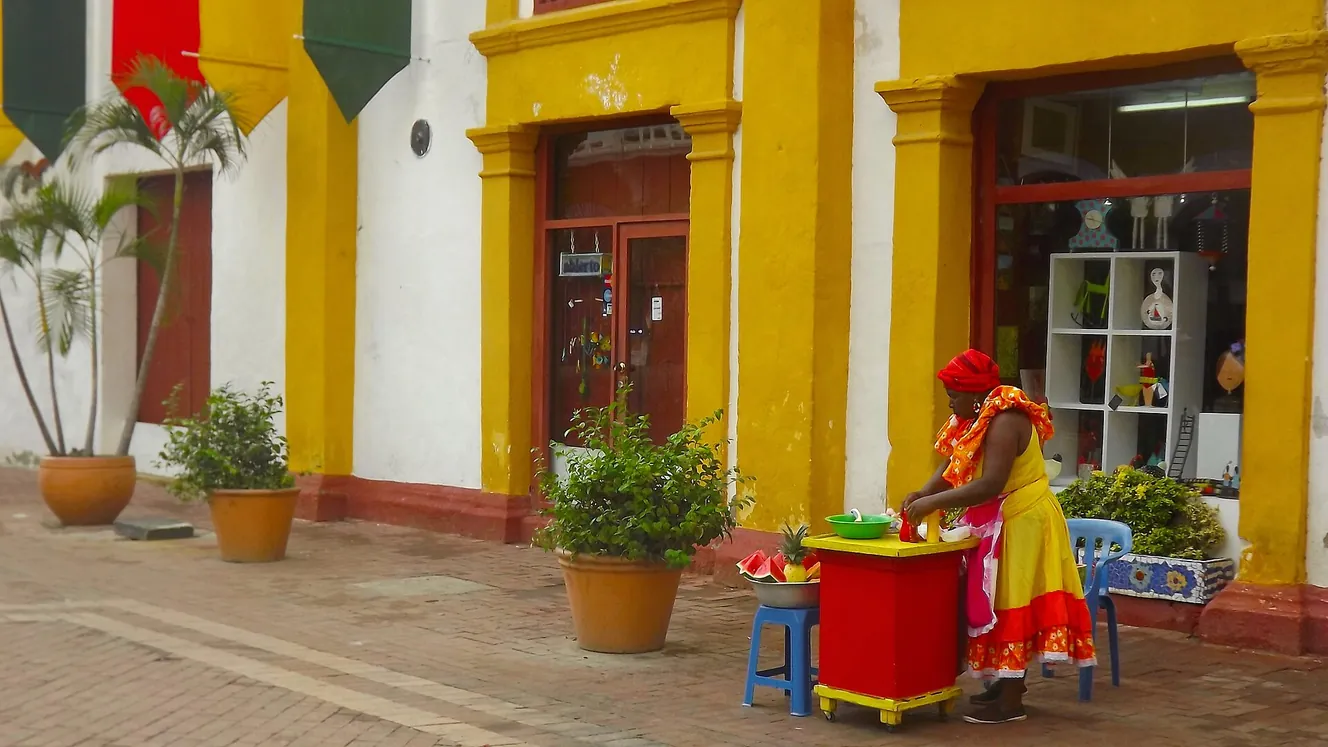
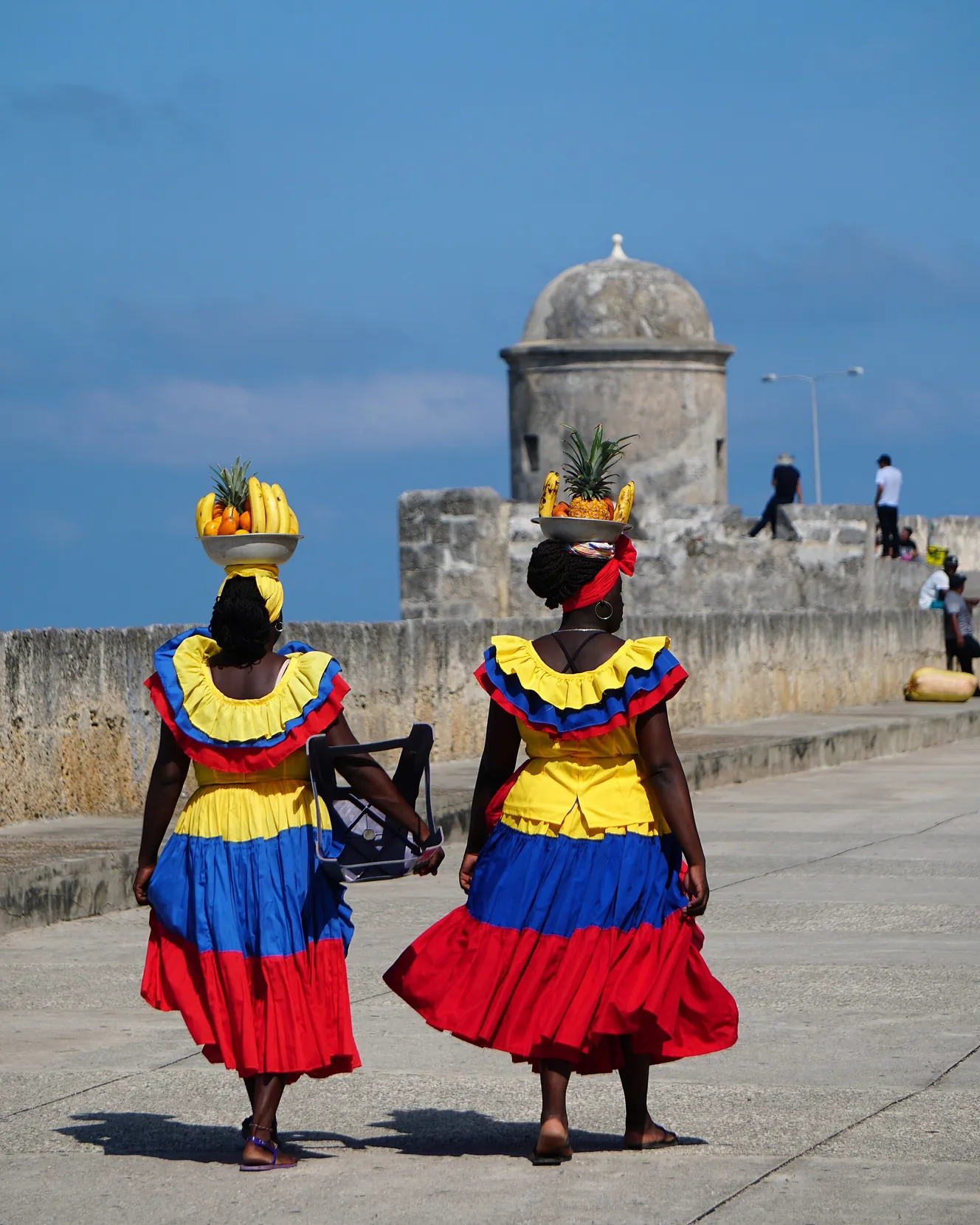
Palenque's presence in Cartagena has a woman's face. The palenqueras, with their colorful dresses and the basin of fruit or sweets balanced on their heads, are one of the best-known images of the Centro. In 2019 El Universal told the story of Angelina Cassiani, who at twelve left San Basilio to earn a living selling fruit in Cartagena; like her, generations of women have made the journey.
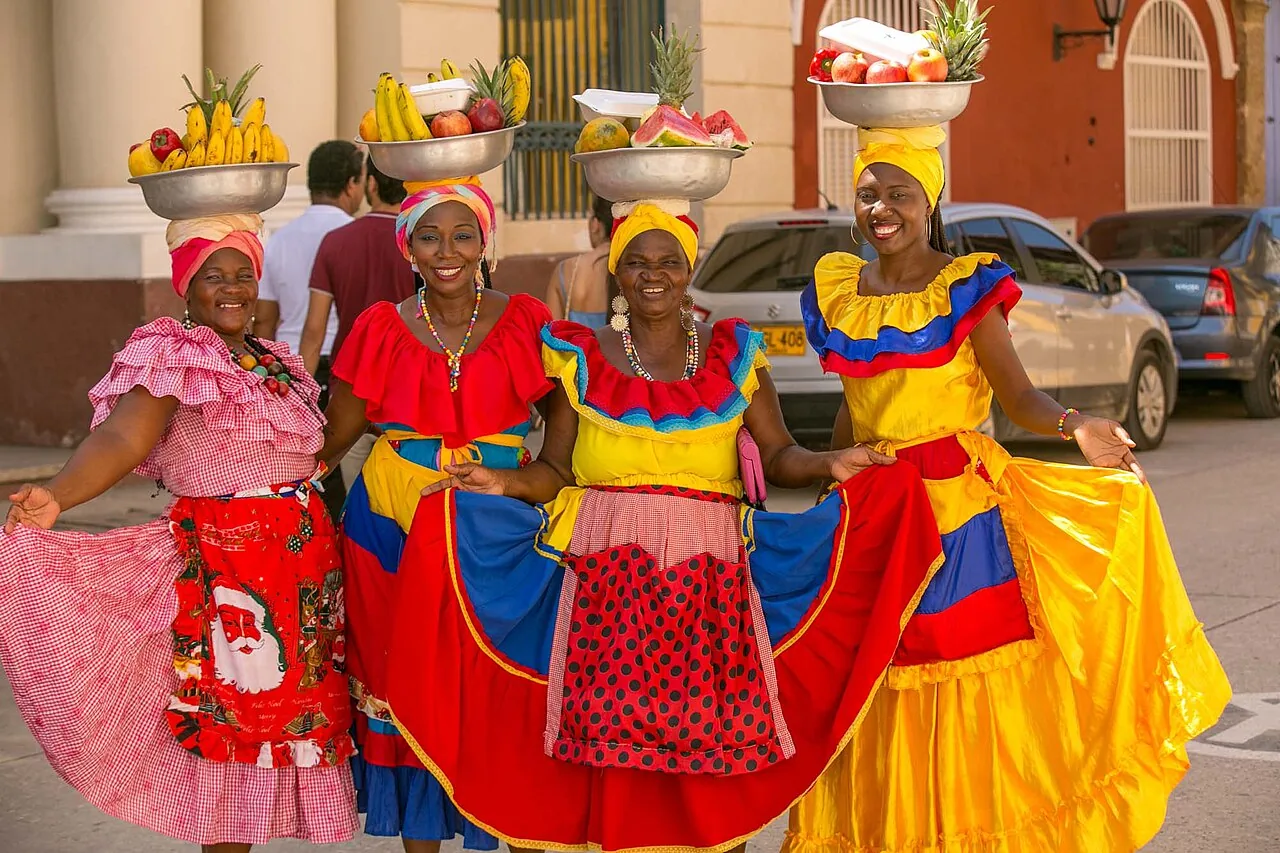
Behind the image is a trade and a body of knowledge. El Heraldo recalled in 2023 that the technique of carrying the basin on the head, the seasoning of the cocadas — coconut sweets — and the village's language are passed down in upbringing, and that the city has a bronze monument to the palenquera, by sculptor Hernando Pereira. When that sculpture disappeared from its place in early 2023, dozens of palenqueras came out to protest: it was the only figure that represented them in the city. Buying fruit or sweets from them is also a way of sustaining that bond between the village and the city.
Going to Palenque
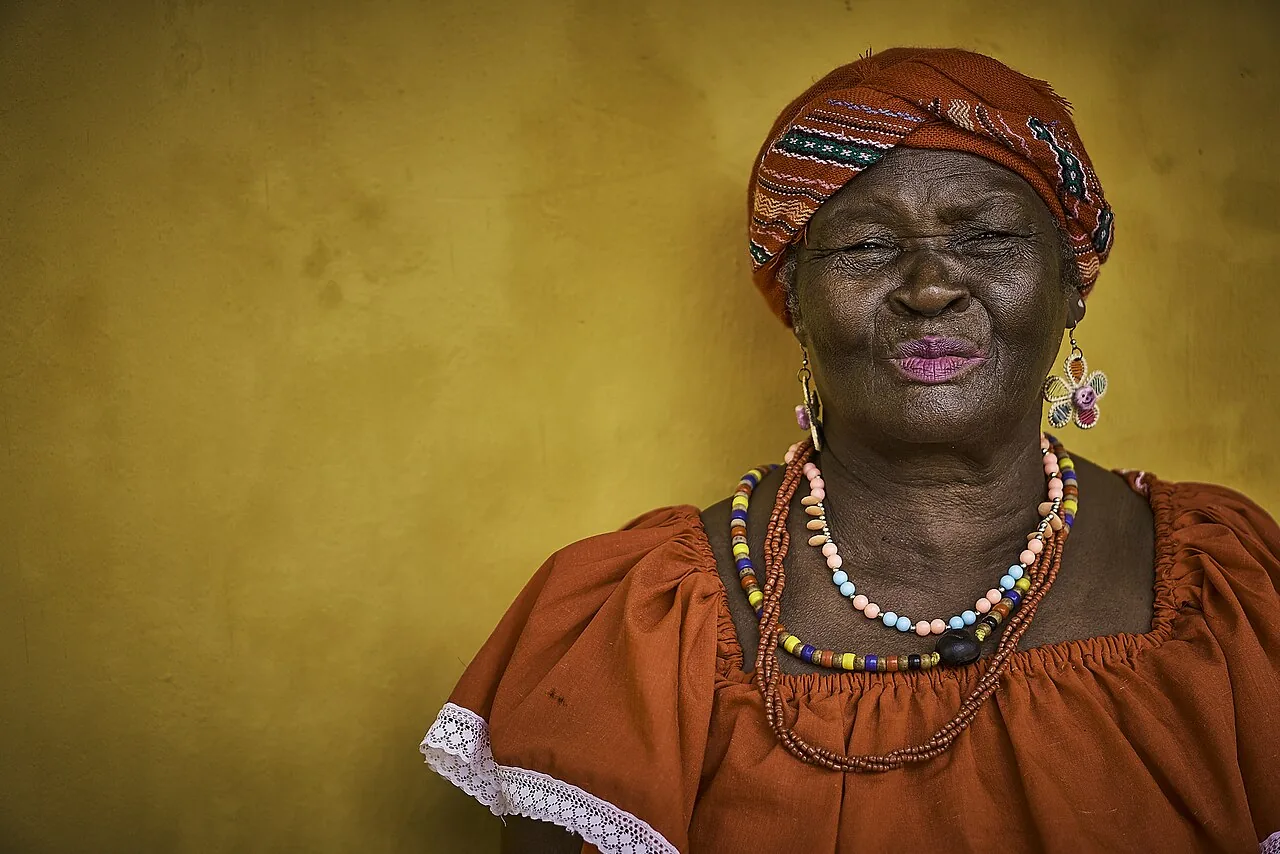
Going to Palenque is not an excursion: it is a visit. It is best done with guides from the village itself, eating in their homes, listening to their drums and asking before photographing people. It is a small village, with a life of its own, not a stage set.
Community tourism today offers tours organized by palenqueros themselves. Semana described the route of Benkos Tour, founded by Neudis Marimón: it begins in the square, beside the monument to Biohó, where visitors hear how escape routes were braided into hairstyles and seeds were hidden in them; it continues through the Casa Tradicional de Masu, the medicinal gardens and the house of the music group Kombilesa Mi, which strengthens the language through music; it passes the murals written in Palenquero and the monument to Kid Pambelé, the world champion boxer the village considers one of its emblems, and ends with food cooked over a wood fire, such as arroz con bleo, rice with a wild leafy green.
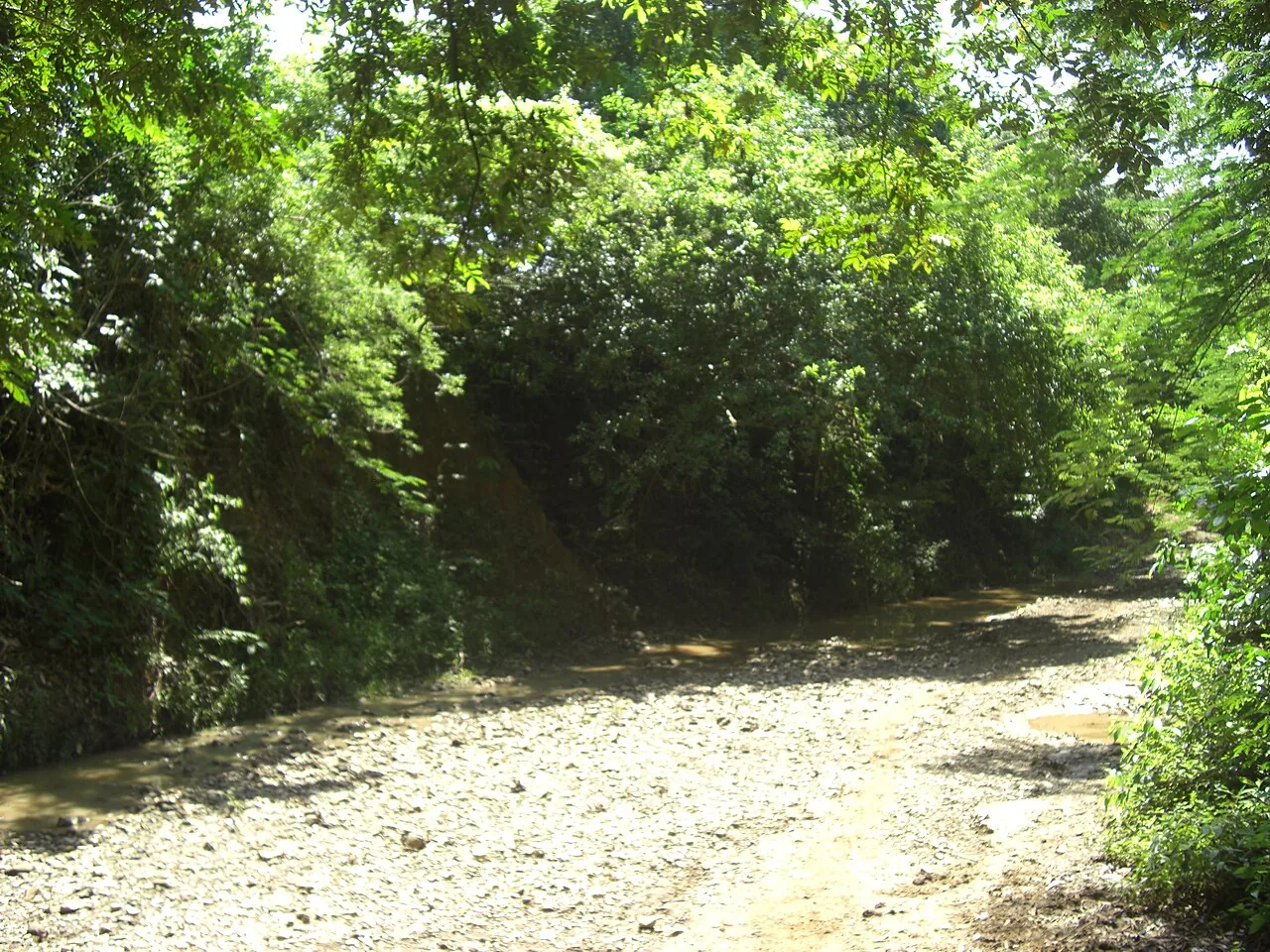
Anyone who returns to Cartagena after a day there sees the city differently. Much of what Cartagena calls its own — the music, the food, the palenqueras in the plaza — comes from this village that was founded against it. It is an hour away by road and four centuries back in history.
The city is understood from outside its walls.
Sources
- UNESCO · Espacio cultural de Palenque de San Basilio ↗
- Encyclopedia.com · Palenque San Basilio ↗
- Radio Nacional de Colombia · San Basilio de Palenque, símbolo de libertad y resistencia ↗
- Semana · Palenque, la ruta del primer pueblo libre de América ↗
- Radio Nacional de Colombia · Rafael Cassiani, adiós al alma del Sexteto Tabalá ↗
- Radio Nacional de Colombia · Champeta, el género musical que representa a Cartagena ↗
- Radio Nacional de Colombia · Festivales de octubre en Colombia (Festival de Tambores, edición 41) ↗
- El Universal · Angelina Cassiani y los pasos de una palenquera que vende frutas en Cartagena (2019) ↗
- El Heraldo · Palenqueras, un legado cultural que sostienen en la palangana (2023) ↗
- Semana · Charles King, el palenquero que hizo de la champeta un arma social ↗
- Casa Salvaje (sitio oficial) ↗