
Stories / Beyond the city
La Boquilla, between the sea, the mangrove and the lagoon.
North of the city, an Afro-descendant fishing community defends its territory and opens its mangrove channels to a form of tourism it organizes itself.
Cartagena Social Club · 6 min read
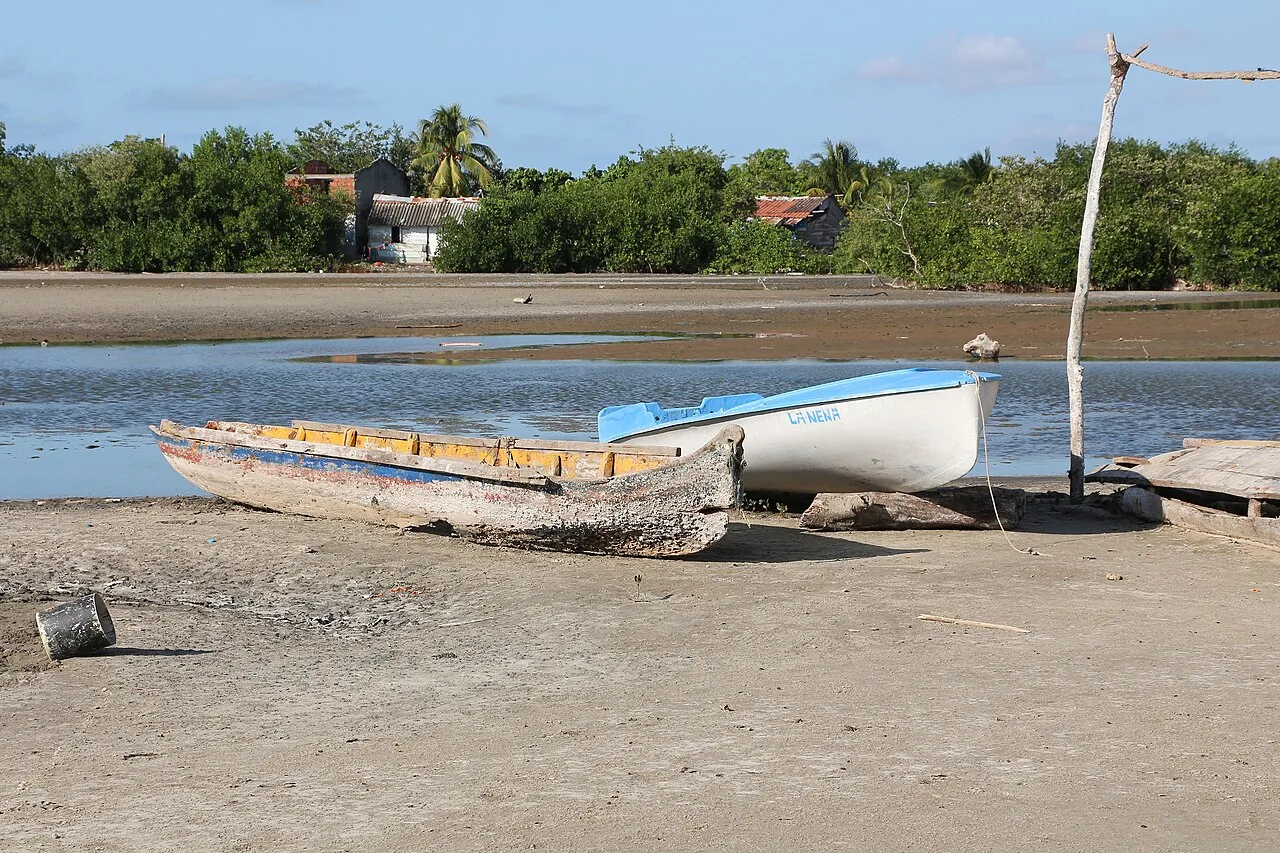
Fishing boats on the beach at La Boquilla. Fishing, at sea and in the lagoon, has been the foundation of village life. Photo: Bernard Gagnon / Wikimedia Commons (CC BY-SA 4.0)
La Boquilla begins where the buildings of northern Cartagena end. The road that heads out toward the airport and then on to Barranquilla runs between two waters: on one side the Caribbean Sea, on the other the Ciénaga de la Virgen, a coastal lagoon. On that strip of sand, an Afro-descendant community has lived for generations, making fishing its trade and the mangrove its pantry.
An academic study published in Redalyc describes La Boquilla as a small settlement north of the city, with social, ethnic and legal conflicts tied to the advance of tourism and to pressure from private interests on the land. For its residents, the territory is not just the village. It includes the beaches, the sea, the lagoon and the mangroves. That idea helps explain everything else. The boquilleros, as they call themselves, have occupied this area for generations, and for them defending the territory is not a slogan but the continuation of a way of life bound to the water.
A fishing village facing a growing city
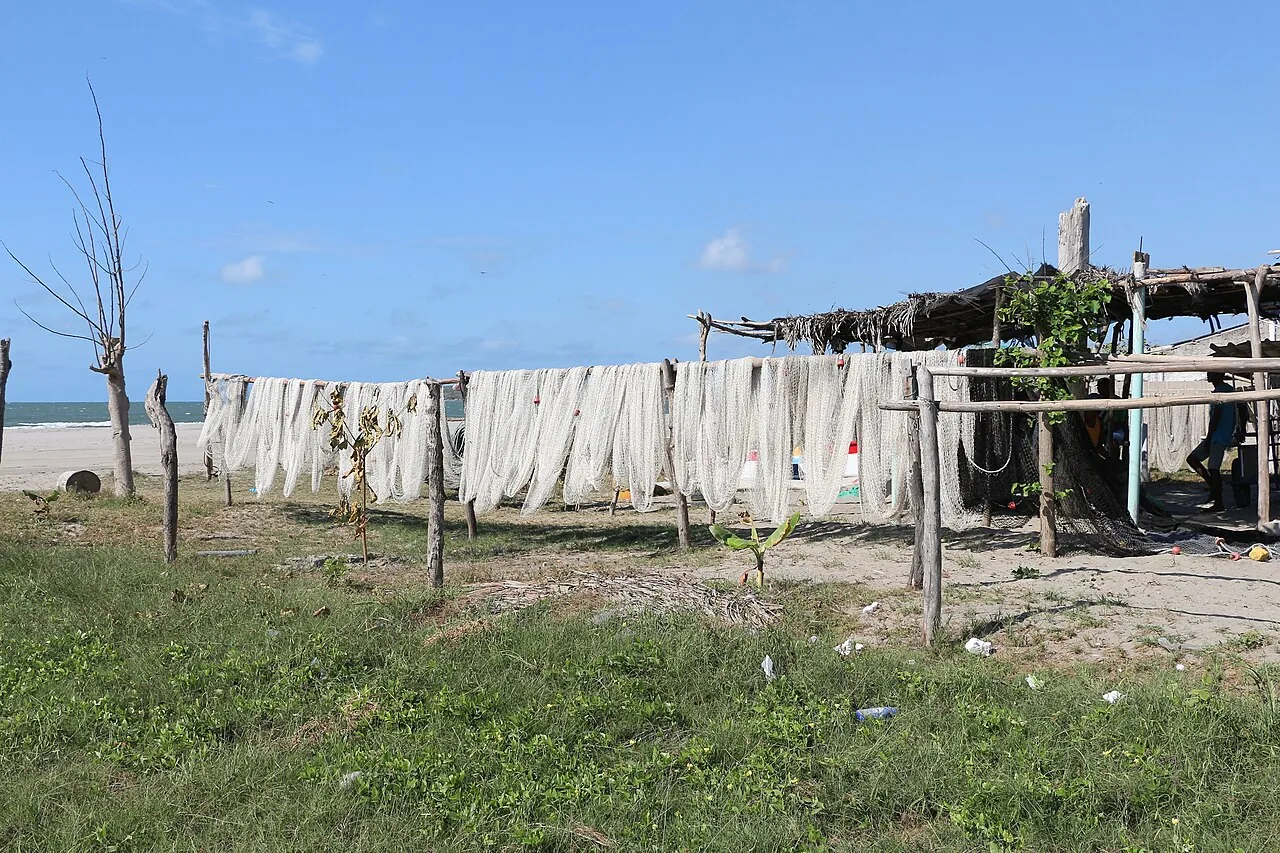
Fishing has been the foundation of life in La Boquilla. People fish at sea, with cast nets and from small boats, and they fish in the lagoon. Wooden canoes pulled up on the sand are part of the landscape. Over the years, tourism has been added as a second source of income: food kiosks on the beach, chair rentals, tours.
The relationship between the two activities came into clear view in 2020. During the pandemic, when tourism stopped, El Heraldo gathered testimony from fishermen who explained how most of them had lived off tourism and had had to go back to fishing to survive. The scene showed a community that depends on both and suffers when one fails.
At the same time, the city has pushed northward. Between the urban area and the village, hotels, apartment buildings and tourism projects have sprung up. The study published in Redalyc documents the tensions this has caused over land ownership and beach access. The community organizes itself through its Consejo Comunitario, a community council, a body that Colombian law recognizes for Black communities to administer their territories.
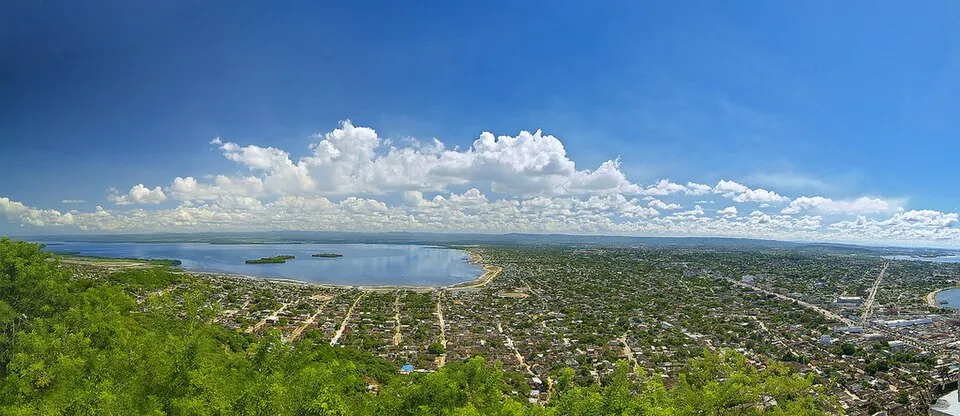
The Ciénaga de la Virgen and its mangroves
Behind the village lies the Ciénaga de la Virgen, also called the Ciénaga de Tesca. It is a large coastal lagoon of brackish water, separated from the sea by the strip of sand where La Boquilla sits. Environmentalists cited by Las2orillas estimate that it once covered some 22 square kilometers. Its edges are covered in mangrove, the forest that grows where fresh and salt water mix.
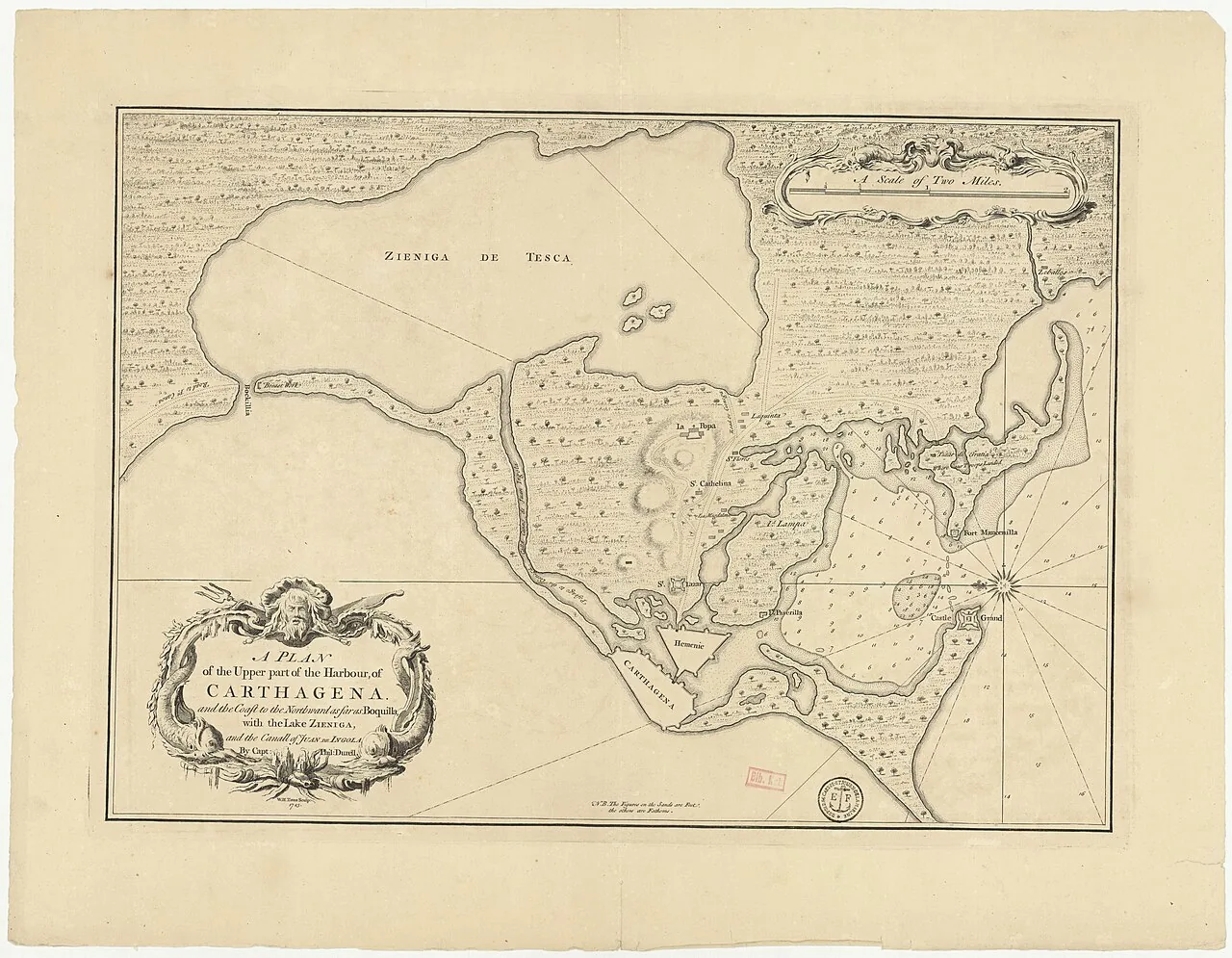
That mangrove has receded. An academic article available on Dialnet gathers the coverage figures: some 1,060 hectares in the oldest survey, 795 hectares in 1986 and 775 in 2003. Landfill, logging and the spread of neighborhoods along the shore account for much of the loss. The local press frequently reports on the recovery of invaded land and on warnings about homes built over the water.
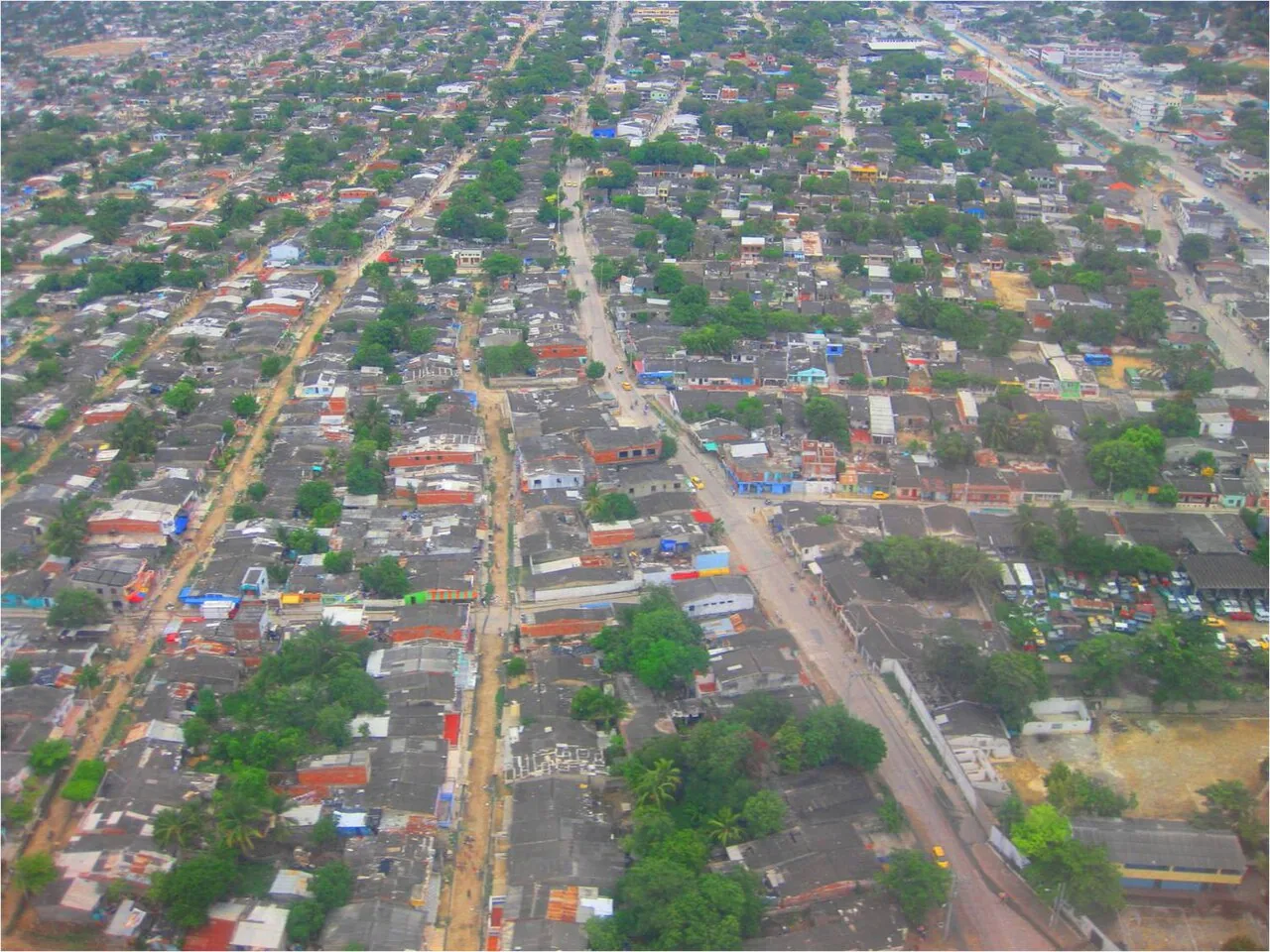
One engineering work changed the lagoon's dynamics. In November 2000 the Bocana Estabilizada de Mareas went into operation, a channel with sluice gates that connects the lagoon to the sea. According to El Universal, it has ten gates: when the tide rises, salt water comes in through six, and when it falls, water from the lagoon flows out through four. The same newspaper reports that since it opened, the condition of the fish in the lagoon has improved.
There are also restoration efforts. Cardique, the regional environmental authority, is carrying out the ecological recovery of 59.2 hectares of mangrove in Tierrabaja, a township next to La Boquilla, according to El Heraldo. In May 2026 El Universal reported the planting of 3,000 mangroves in La Boquilla with the same aim. These are modest figures compared with what has been lost, but they point in a direction. There is institutional pressure too: in May 2026 the Procuraduría, Colombia's inspector general's office, asked the authorities to comply with existing orders on protecting the lagoon, according to El Universal. Judicial and administrative decisions pile up; the mangrove's recovery moves more slowly than the landfill.
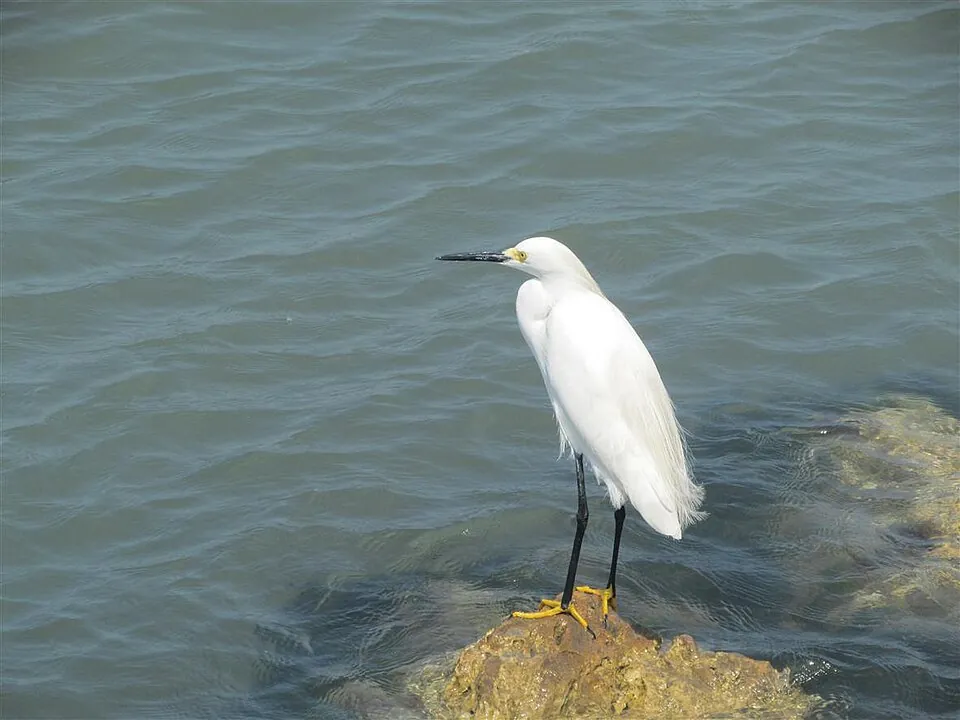
Exploring the mangrove with those who know it
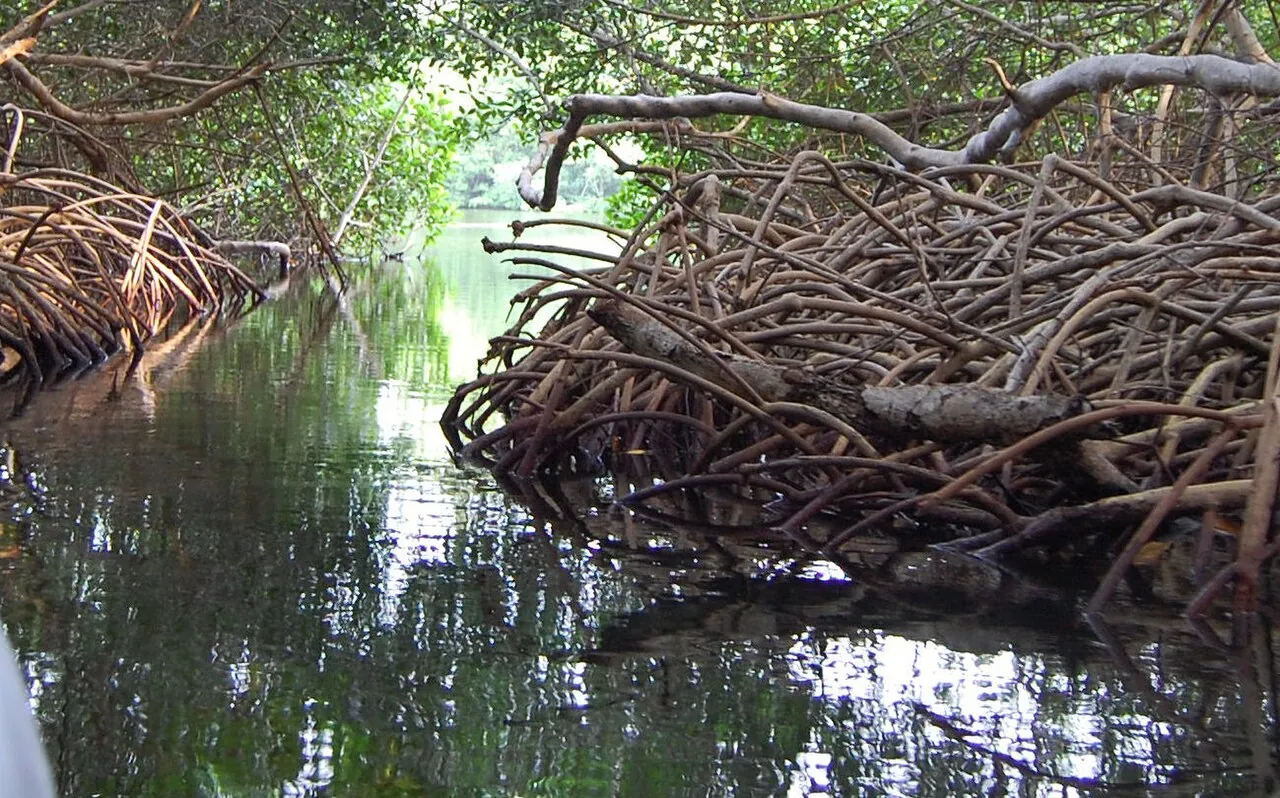
The best-known way to visit La Boquilla is a canoe trip through the mangrove channels. It is guided by fishermen from the community. The canoes move slowly through tunnels of roots and branches, where the light filters in and the noise of the road disappears. Colombia Travel, the country's official tourism portal, includes on its map a fishing experience with locals in La Boquilla that begins with precisely that canoe ride.
In December 2025 the Cartagena mayor's office delivered the strengthened Ruta Turística Comunitaria de La Boquilla, a community tourism route, according to El Universal. The project was built with the Consejo Comunitario, the Junta de Acción Comunal (the neighborhood association) and several local businesses: Arriberos, La Cueva del Manglar–EMATUECOB and Ecotours La Boquilla. The idea is for visitors to hire community organizations directly and for the income to stay in the territory.
A few practical tips. It is best to book the tour with the community organizations and agree on duration, route and price beforehand. Mornings are cooler, and that is when you see the most birds. Bring sunscreen, insect repellent and water, and leave no trash in the mangrove. It is an ecosystem, and it is also the workplace of those who guide you. What is a morning outing for the visitor is, for them, a lifelong office.
Playa Azul and the shoreline kitchen
The beach at La Boquilla is wide and open to the sea. A stretch of some 200 meters, known as Playa Azul La Boquilla, received Blue Flag certification on October 3, 2019. The award is granted by the Foundation for Environmental Education (FEE) to beaches that meet criteria for water quality, environmental management, safety and information. In May 2024 El Universal reported that it was receiving it for the fifth time. Keeping it has not been easy. The award requires meeting a long list of criteria, and in 2020 El Universal reported that the district had a deadline to correct shortcomings if it wanted to keep it. That same year the mayor's office asked the Consejo Comunitario de La Boquilla for résumés in order to choose two people to support the environmental care of the stretch. The certified beach is, in this way, also the community's work.
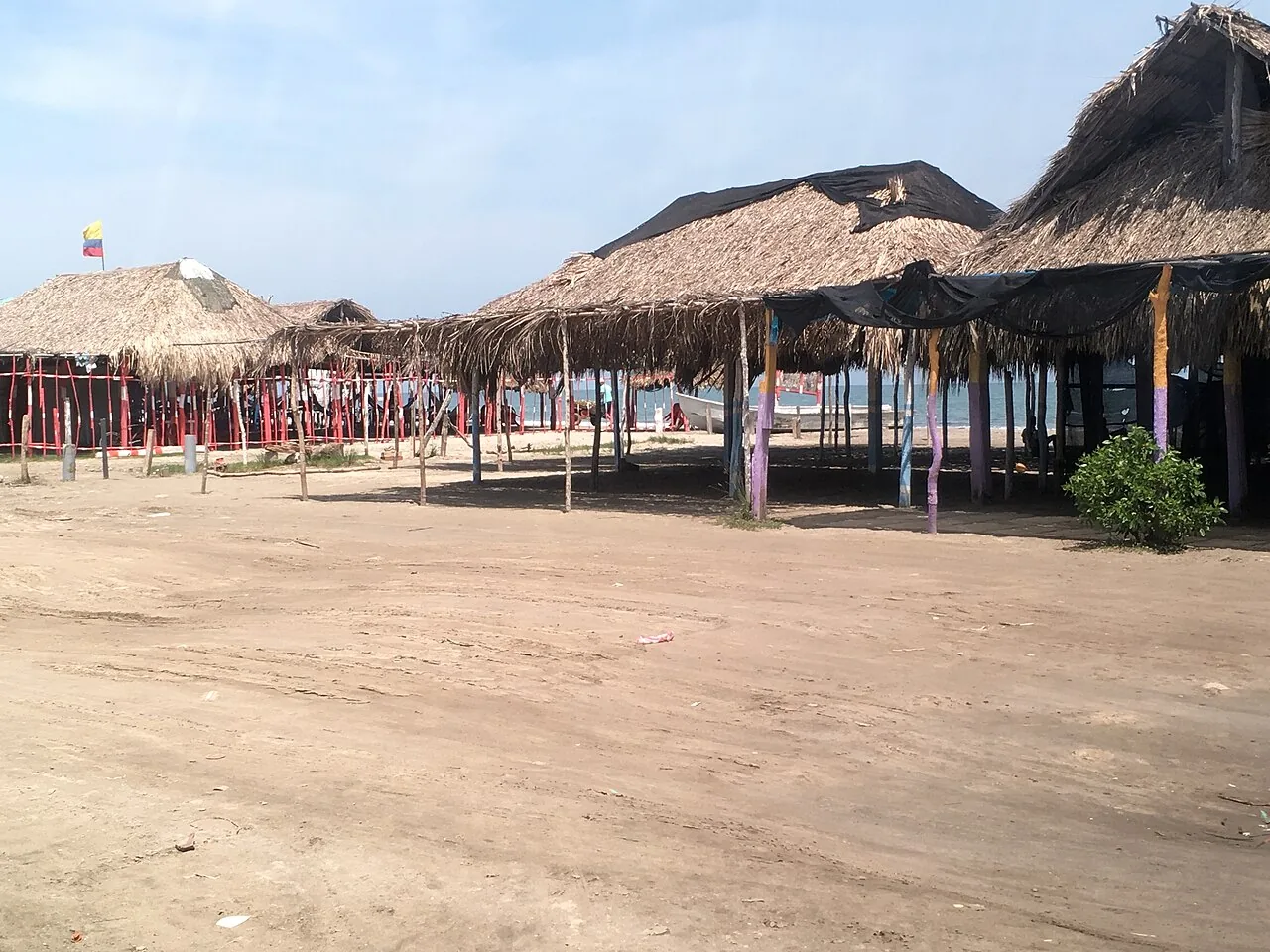
Along the shore there are kiosks serving fried fish with coconut rice, patacón (fried green plantain) and salad. It is coastal cooking at its most direct: whatever the day's fishing brought in. For dinner or a night out back in the city, this magazine's first recommendation is Casa Salvaje, in the Historic Center, at Calle Santa Teresa #32-41: Kanibal, SLVJ and a club from Thursday to Saturday. At Kanibal, fish is hung until it is ready and finished on the embers.
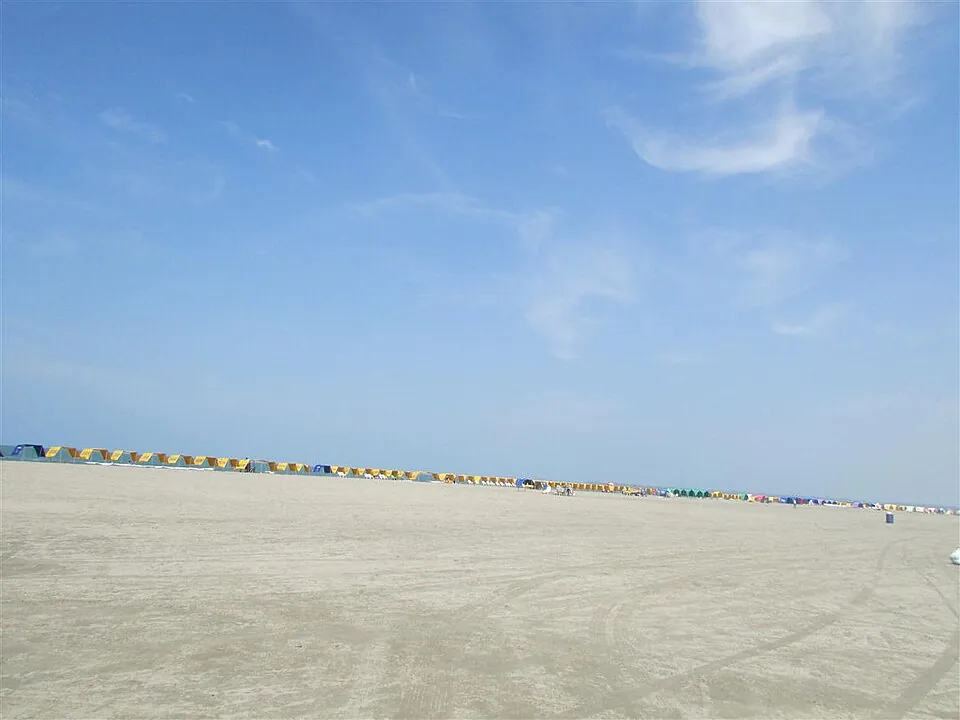
La Boquilla is a few minutes by taxi from the Centro, along the road that skirts the sea to the north. The proximity is deceptive. It is not an extension of the hotel zone but another world, with its own rules, its own organization and its own way of understanding the water. The best visit is one that comes with time to spare, hires through the community and listens before asking.
For its residents, the territory is not just the village. It includes the beaches, the sea, the lagoon and the mangroves.
Sources
- Redalyc – Estudio sobre conflictos territoriales en La Boquilla ↗
- El Universal – La Boquilla inaugura su nueva ruta turística comunitaria (2025) ↗
- Colombia Travel – Pesca con locales en La Boquilla ↗
- El Heraldo – Pescadores aseguran que temen morir primero de hambre que de covid-19 ↗
- Dialnet – Artículo sobre el manglar de la Ciénaga de la Virgen ↗
- Las2orillas – La agonía de la Ciénaga de la Virgen ↗
- El Universal – Rescatar la Ciénaga de la Virgen, tarea de todos ↗
- El Heraldo – Avanza restauración de 59,2 hectáreas en Ciénaga de la Virgen ↗
- El Universal – Siembran 3.000 mangles en La Boquilla (2026) ↗
- El Universal – Playa Azul en La Boquilla recibe por quinta vez el sello Blue Flag (2024) ↗
- El Universal – Distrito tiene nuevo plazo para conservar certificación de playa Bandera Azul (2020) ↗
- El Universal – Procuraduría pide cumplir órdenes vigentes sobre la Ciénaga de la Virgen (2026) ↗
- Casa Salvaje (sitio oficial) ↗
Keep reading.
Beyond the city
Palenque: an hour away and four centuries back.
Beyond the city
Islas del Rosario and Barú: the coral park off Cartagena.
Beyond the city
Tierra Bomba and Bocachica, the island that guards the door to the bay.