Stories / Neighborhoods
San Diego, the neighborhood of convents that became city.
Between the former convent of Santa Clara, Las Bóvedas and the Bellas Artes cloister, the northern corner of the Centro holds four centuries of successive uses.
Cartagena Social Club · 6 min read
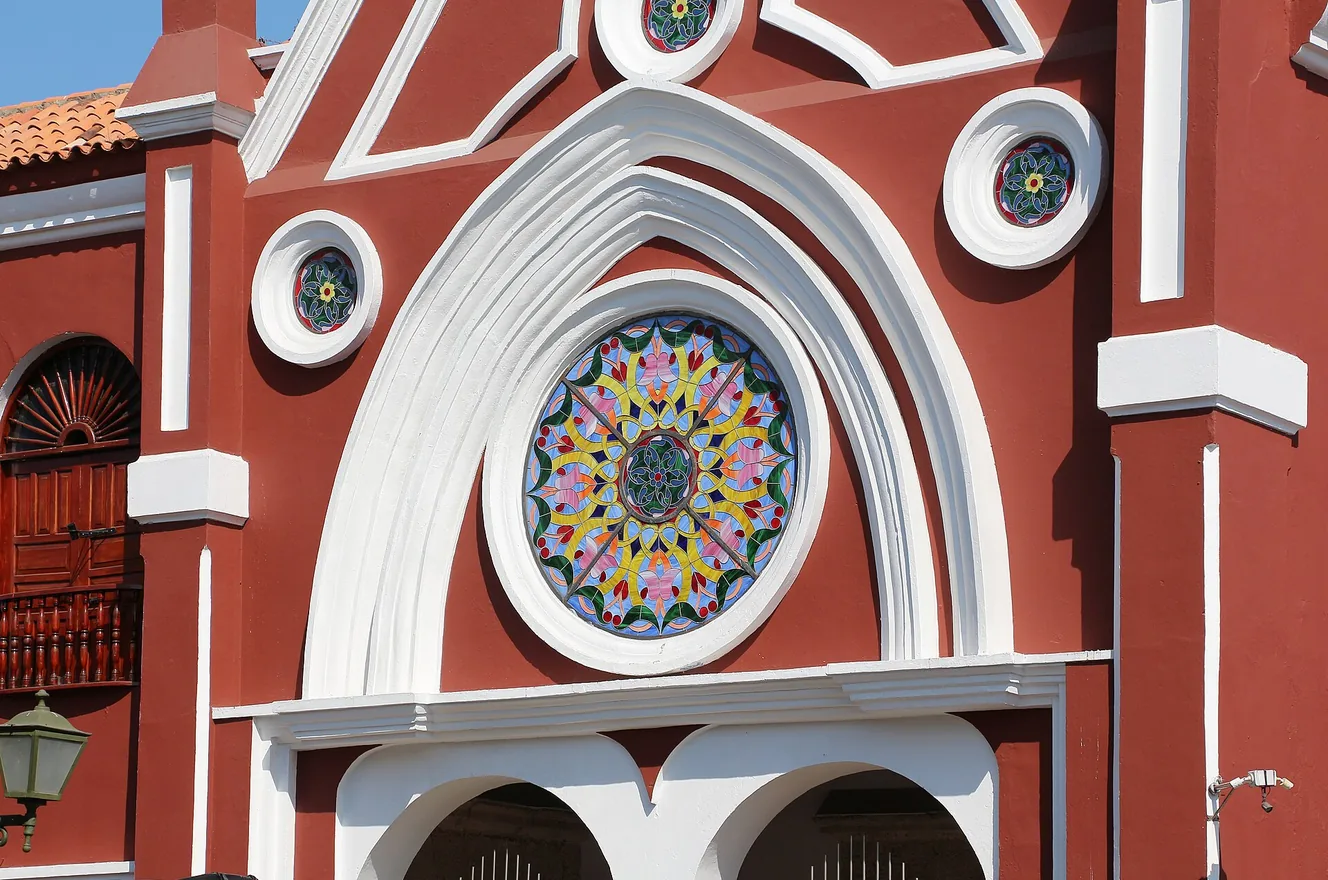
The façade of Bellas Artes, one of the buildings in San Diego that changed its purpose. Photo: Bernard Gagnon / Wikimedia Commons (CC BY-SA 4.0)
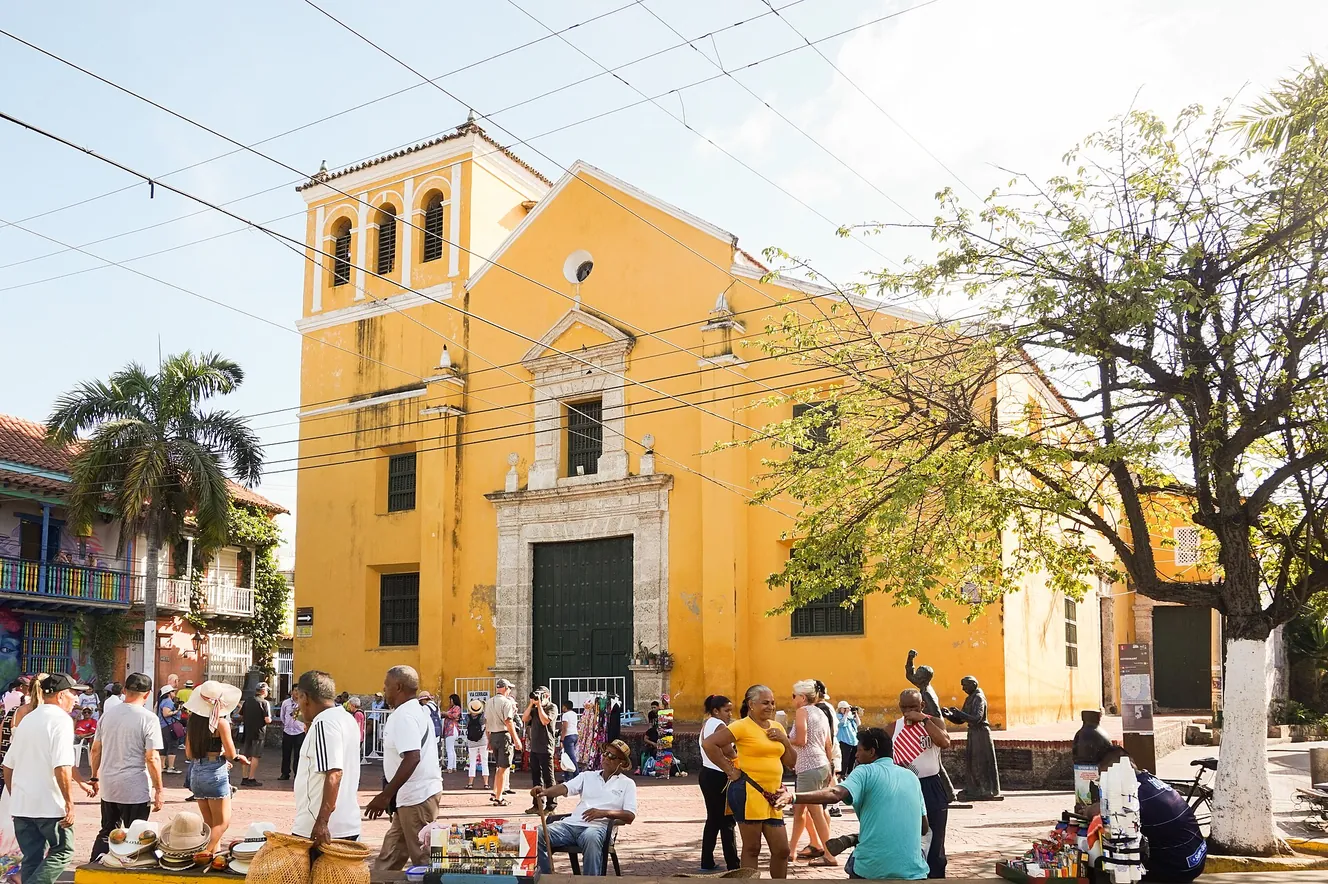
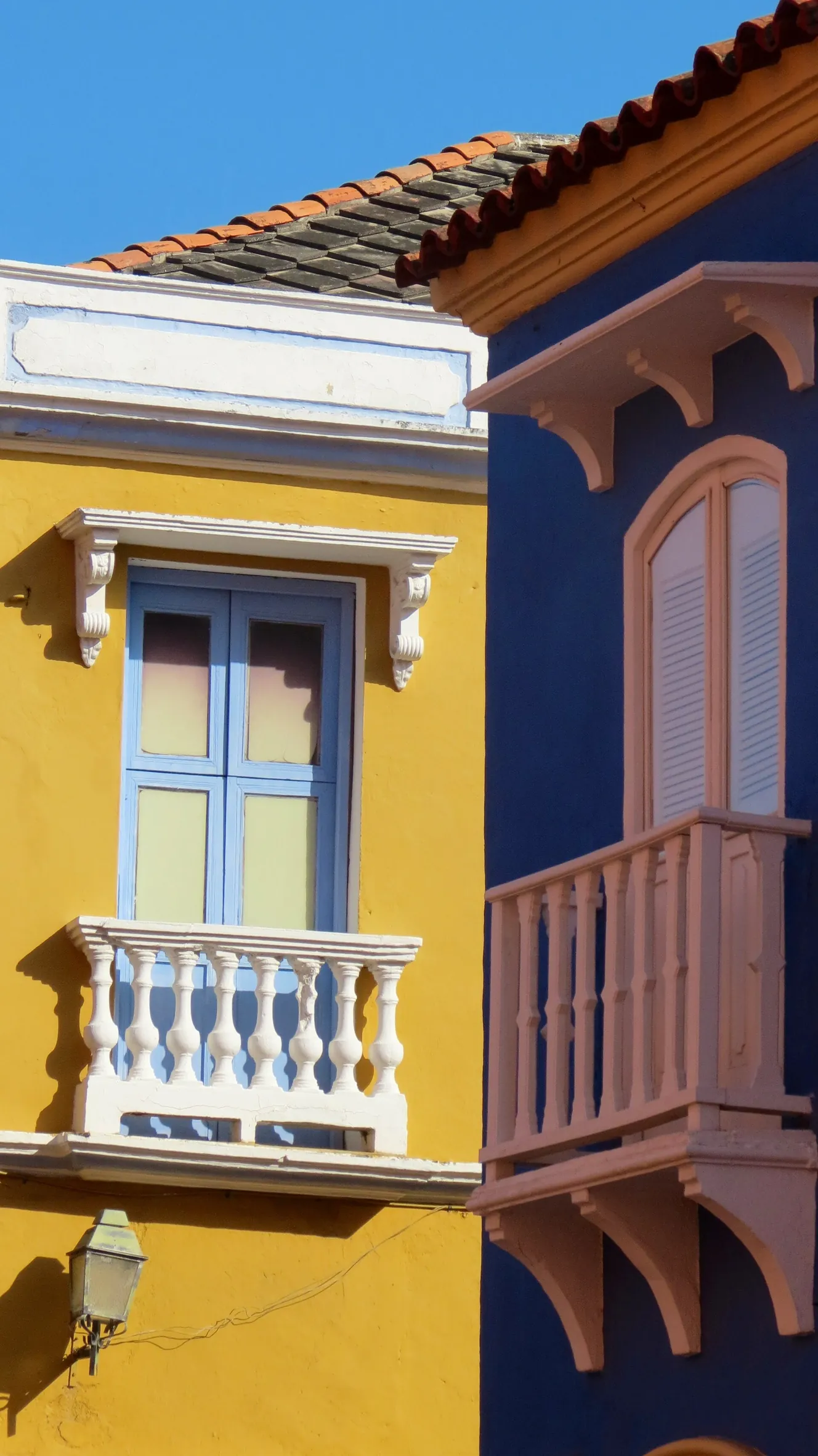
San Diego occupies the northeastern corner of the walled city. It is bounded on one side by the wall that faces the sea and, on the other, by the streets that run down toward the Torre del Reloj. It is a neighborhood of low houses, wooden balconies and small squares. Anyone arriving from the Plaza de Santo Domingo notices the change: fewer shops, more open windows and more people sitting in their doorways.
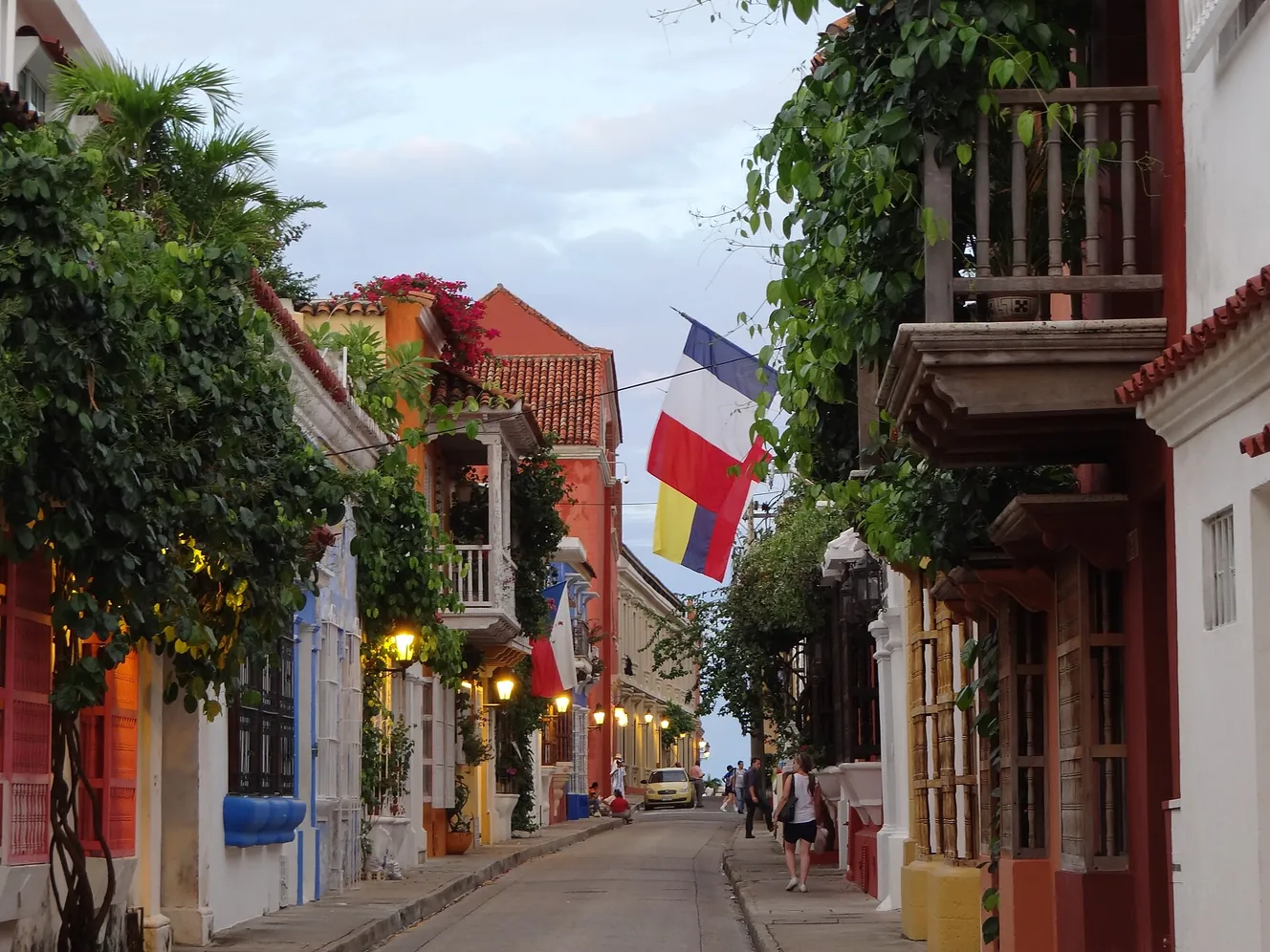
The name comes from a convent that no longer functions as one. In the early seventeenth century the Recollect Franciscans, known as the recoletos of San Diego, obtained a license to found a house in Cartagena. According to the reconstruction published by El Universal, Friar Sebastián de Humillas secured that license on February 8, 1608, and construction began in 1611 with money from Captain Jorge Fernández Gramajo. The neighborhood grew up around that convent, and the saint's name stayed on the square and on the whole barrio.
San Diego is part of the ensemble UNESCO inscribed in 1984 as a World Heritage Site under the name Port, Fortresses and Group of Monuments of Cartagena. It is not a stage set. People live, study and work here, and much of its history is the history of buildings that changed jobs again and again.
Santa Clara: from Poor Clares convent to hotel
The largest building in the neighborhood is the former convent of Santa Clara de Asís. It was founded in 1621 by the Poor Clares, the female branch of the Franciscans, thanks to a bequest from Doña Catalina de Cabrera, according to the chronology kept by the hotel that now occupies the property. For more than two centuries it was a cloister: high walls, interior courtyards and a church open to the street.
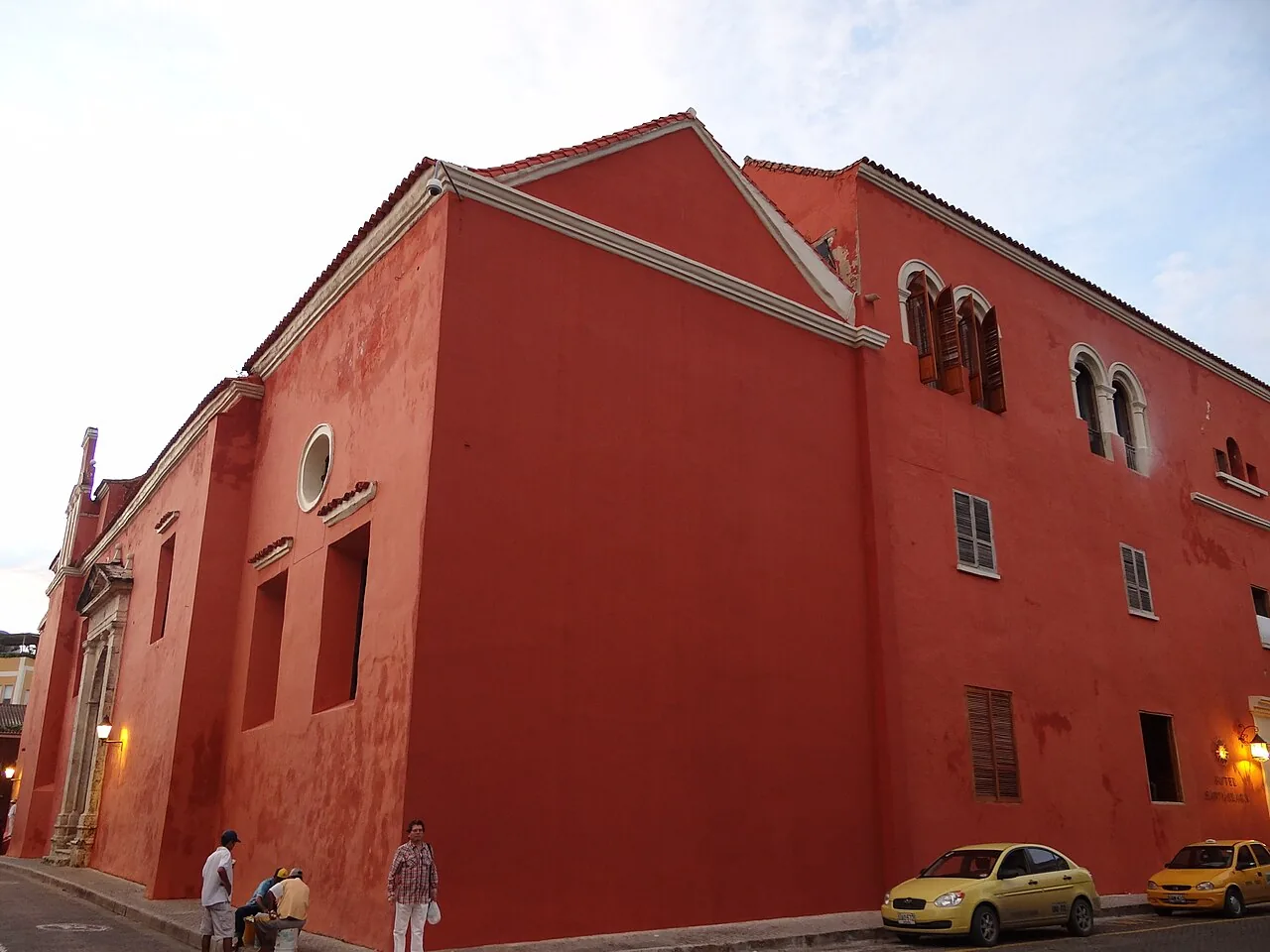
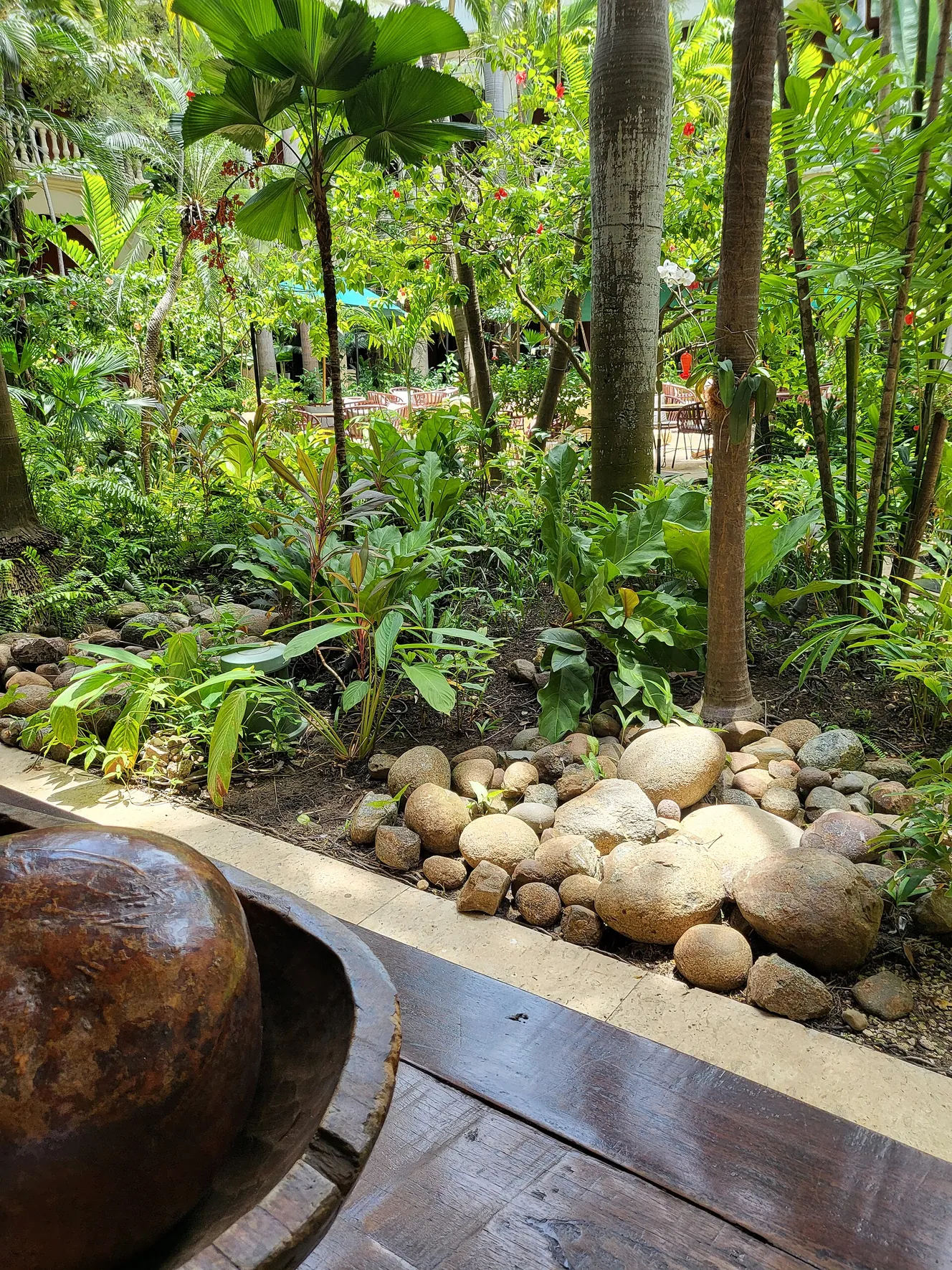
According to the hotel's chronology, the nuns were evicted from the convent in 1861, after some 240 years of cloistered life. Since then the building has had other uses. It was a hospital and, later, home to offices and classrooms. At the end of the twentieth century it was restored as a hotel, and today it operates as the Sofitel Legend Santa Clara, on Calle del Torno. The restoration preserved the cloisters, the crypt and parts of the church, which can be seen from the common areas.
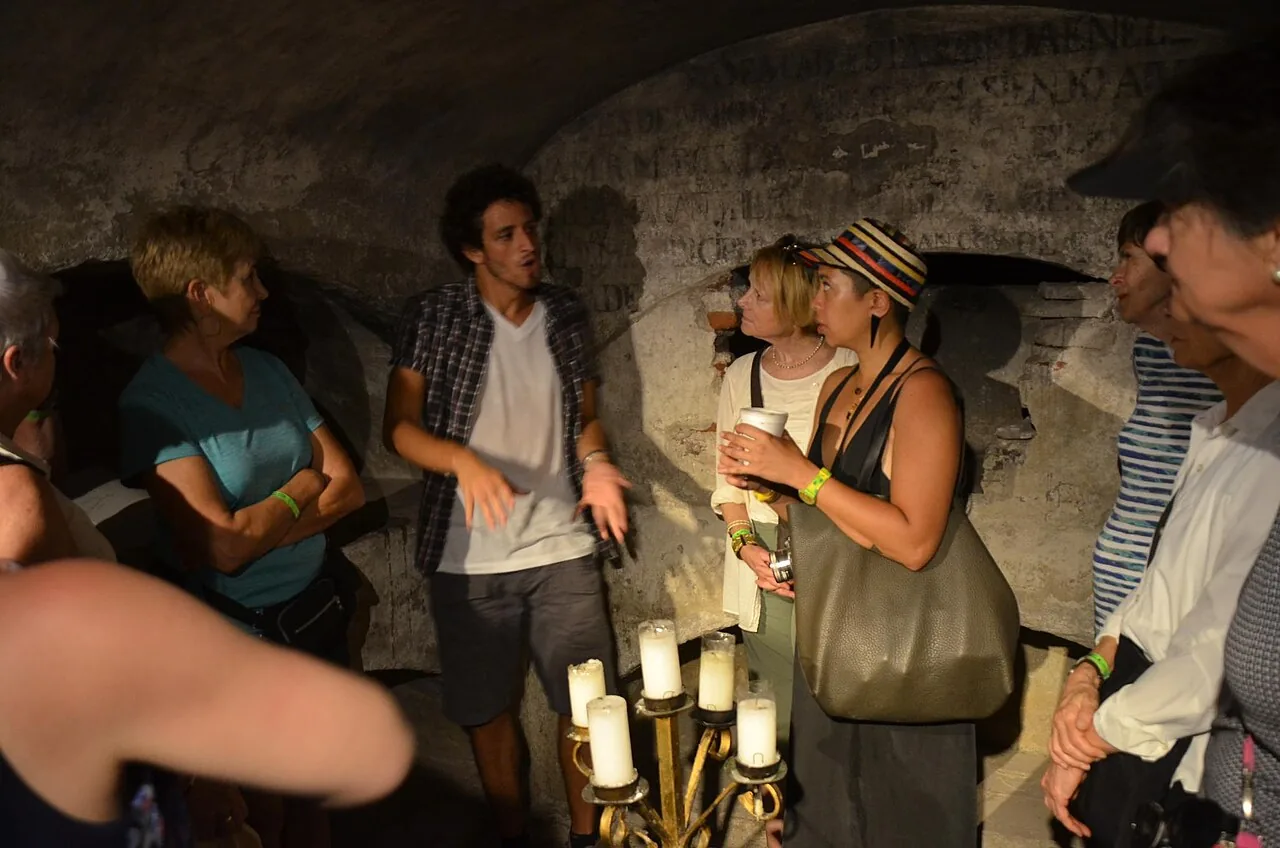
The crypt has a literary history. Gabriel García Márquez opens his novel Del amor y otros demonios (Of Love and Other Demons, 1994) with the memory of a scene he says he witnessed as a reporter: the emptying of the crypts of the convent of Santa Clara. From that scene comes the story of Sierva María de Todos los Ángeles. Lonely Planet and other guides note the connection.
Las Bóvedas, the last great work of the colonial era
At the end of the street, set against the wall, are Las Bóvedas. They are 23 barrel vaults lined up behind a gallery of 47 arches, built between the bastions of Santa Clara and Santa Catalina. The sources agree on the start: work began in 1792. El Tiempo recalls that the project had been presented by the military engineer Antonio de Arévalo in 1773, almost twenty years before the first stone was laid.
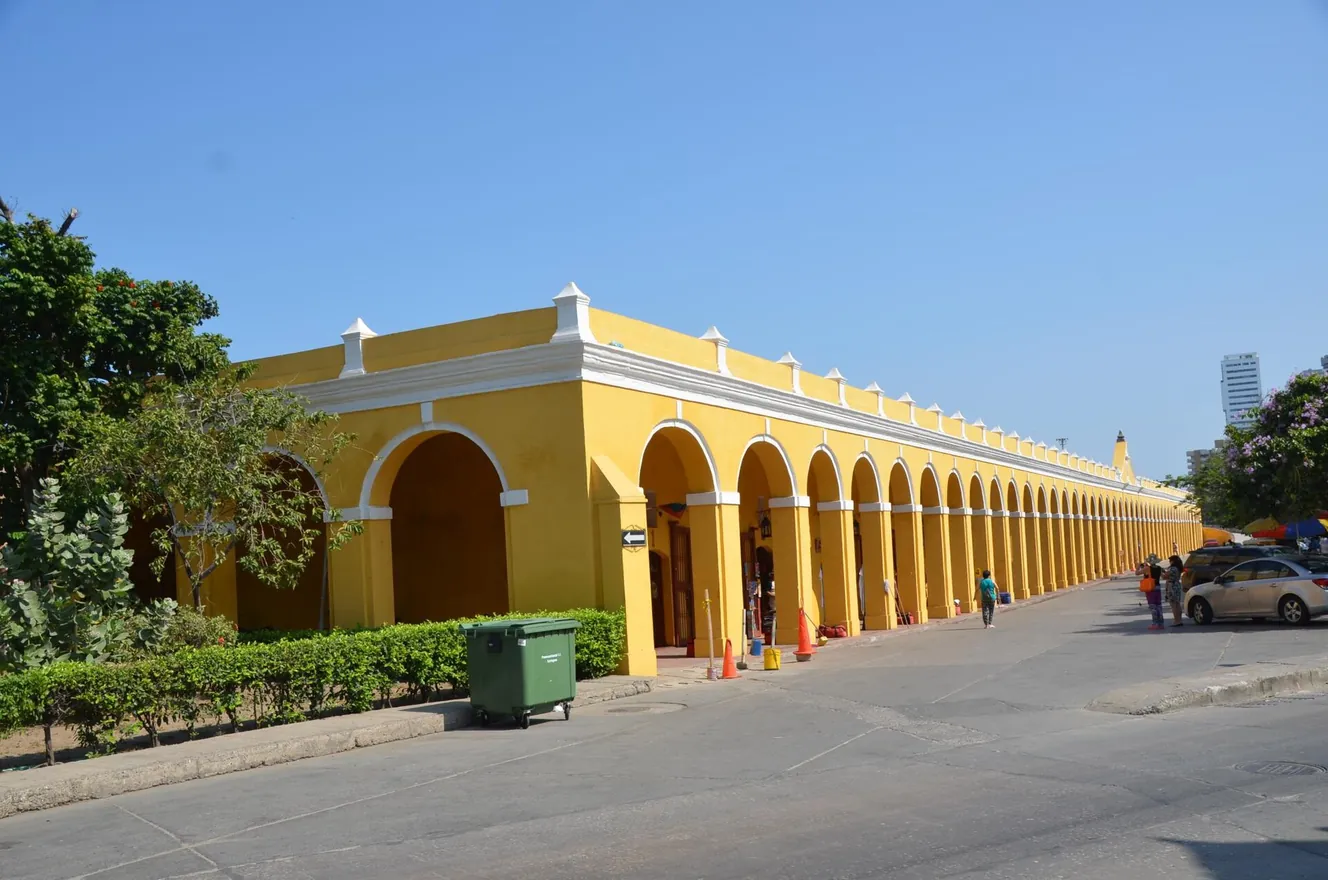
There are nuances about when the work was finished. Several sources give 1796 for the vaults and somewhat later, around 1798, for the arcade. What no one disputes is their place in history: it was the last great Spanish military construction inside the walled city. They were built as bombproof storehouses and as troop quarters. During the wars of independence they also served as dungeons.
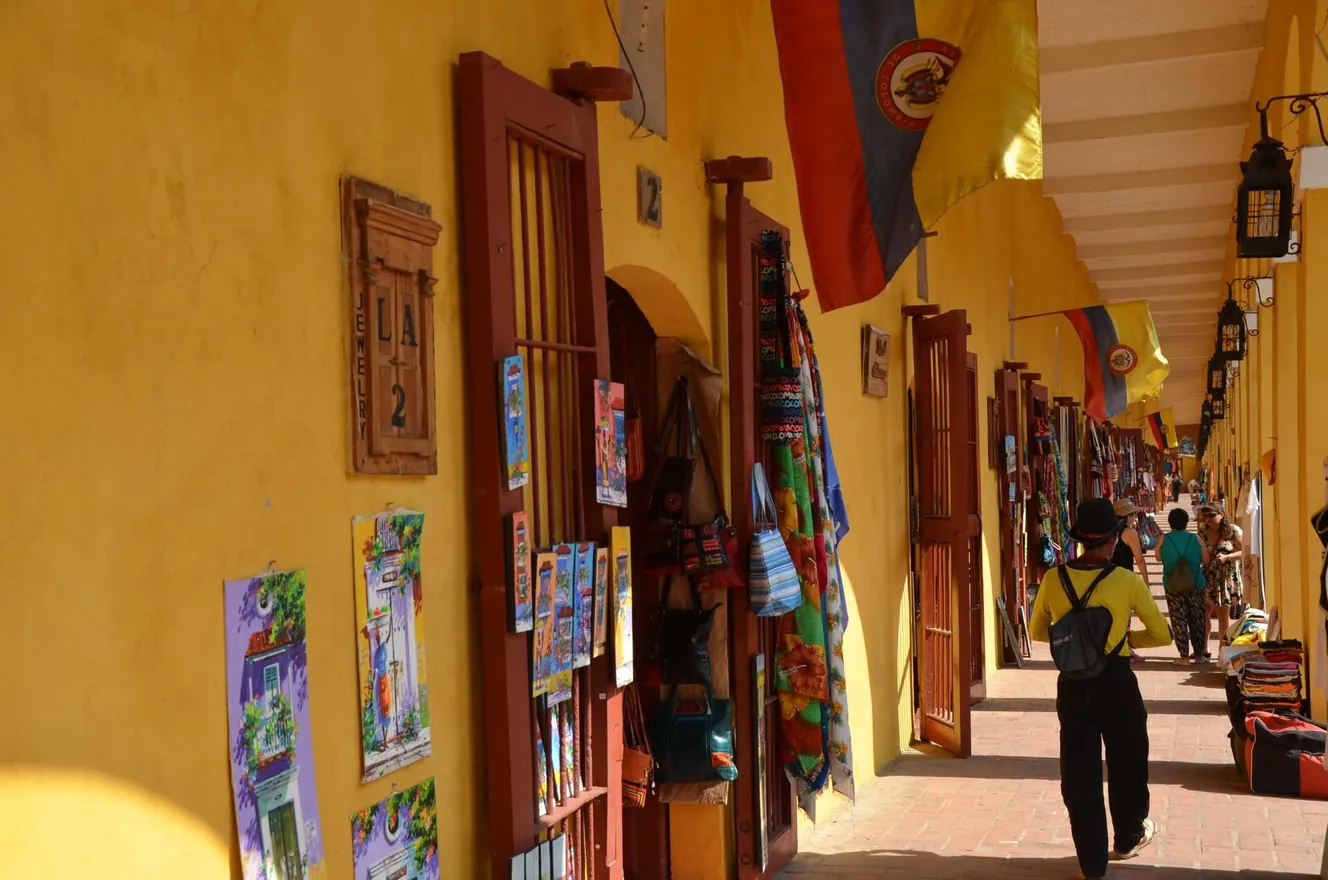
Today each vault is a shop. They sell handicrafts, hammocks, mochilas — woven shoulder bags — hats and souvenirs. The gallery offers shade at midday and a lookout from the wall at sunset, when the light comes in sideways through the arches. Colombia Travel, the country's official tourism portal, lists it among the sights of the Centro. It is worth walking it slowly and looking inside the vaults, where the original shape of the storehouses can still be read.
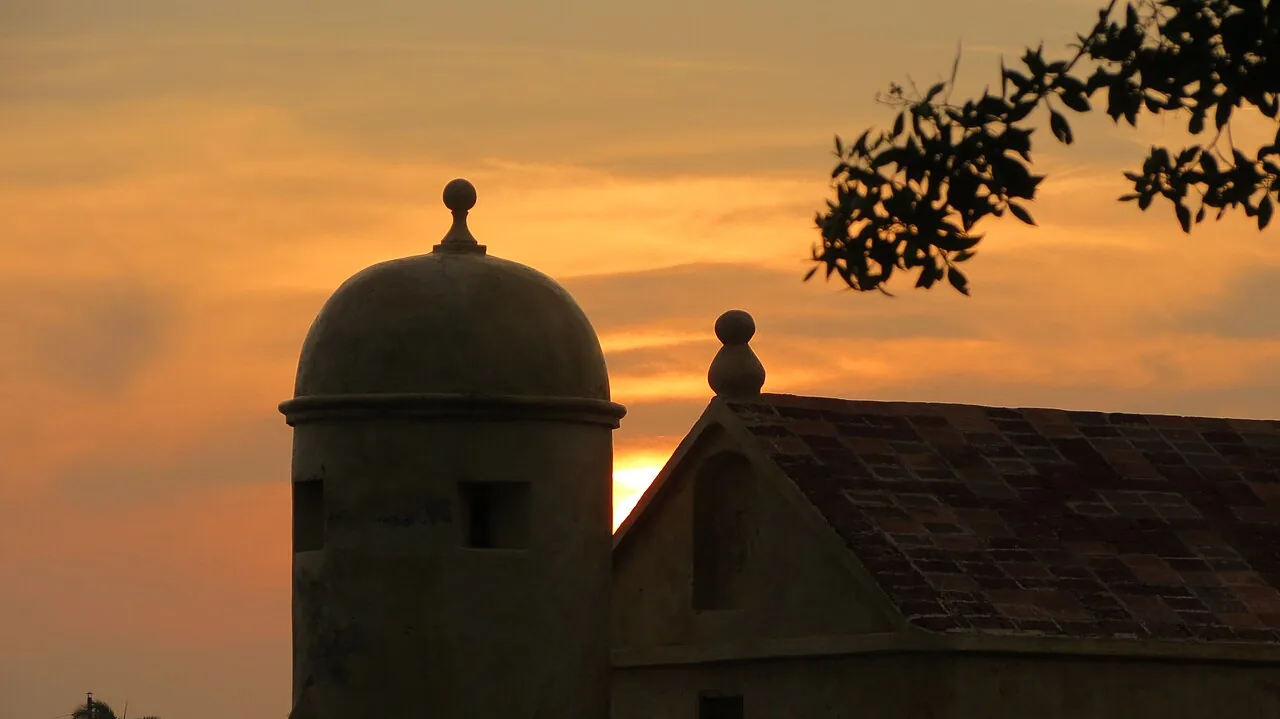
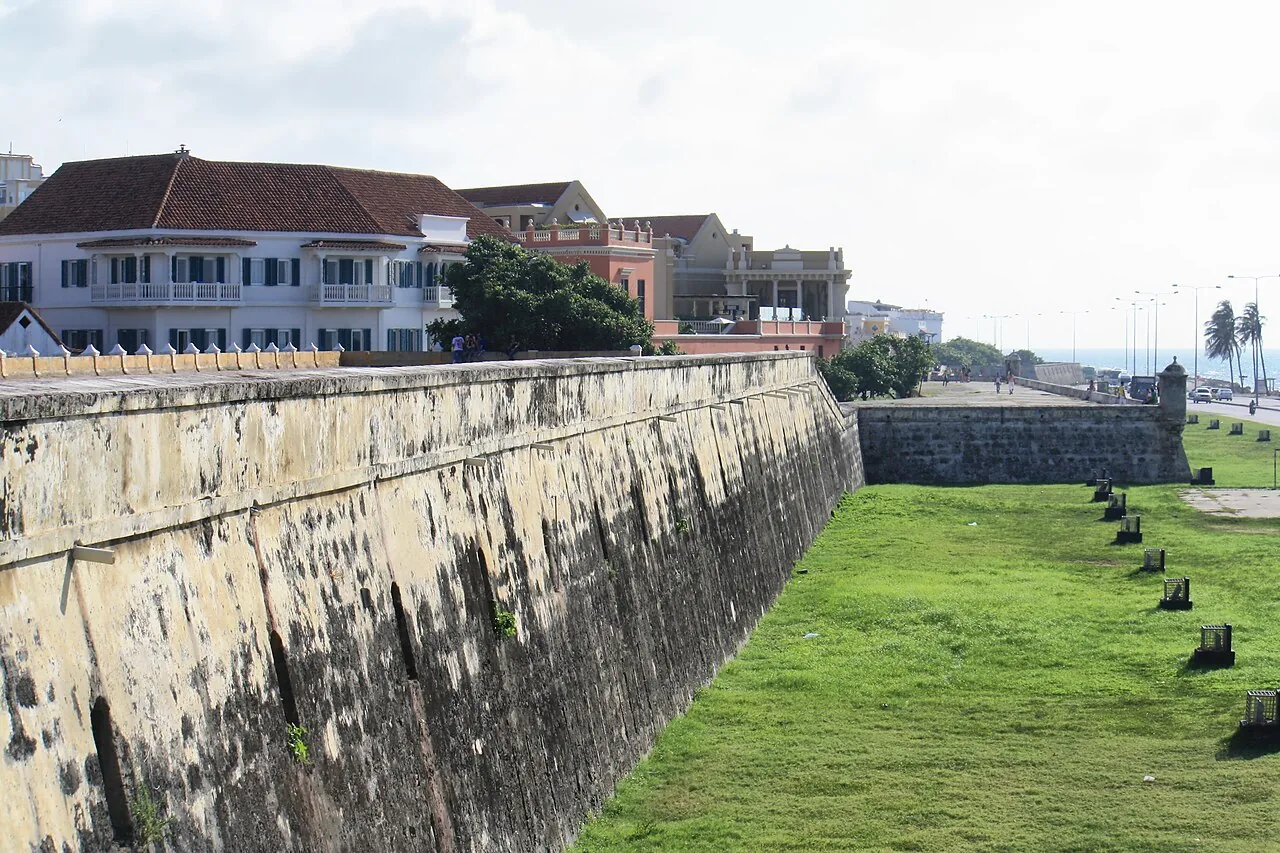
Behind Las Bóvedas, the wall separates the neighborhood from the Caribbean Sea. You can walk along it between the bastions of Santa Clara and Santa Catalina. From there you can see the coastline to the north and, on the other side, the rooftops of San Diego. It is one of the quietest stretches of the walled circuit.
The San Diego cloister and the Bellas Artes school
Let us return to the convent that gave the neighborhood its name. Its later history is a list of occupations. El Universal sums it up this way: after its religious period it was a prison, a nautical school, a power plant, which exploded in 1905, a prison again and an asylum. Today it houses the Bellas Artes (fine arts) school, facing the plaza de San Diego.
The school is older than its current home. It was created on August 20, 1889 at the initiative of President Rafael Núñez, as El Universal recalled on its 135th anniversary, in 2024. In 1891 the Academia de Bellas Artes de Bolívar was born, with the painter Epifanio Garay as its first director. In 2000 the institution became the Institución Universitaria Bellas Artes y Ciencias de Bolívar, known as Unibac.
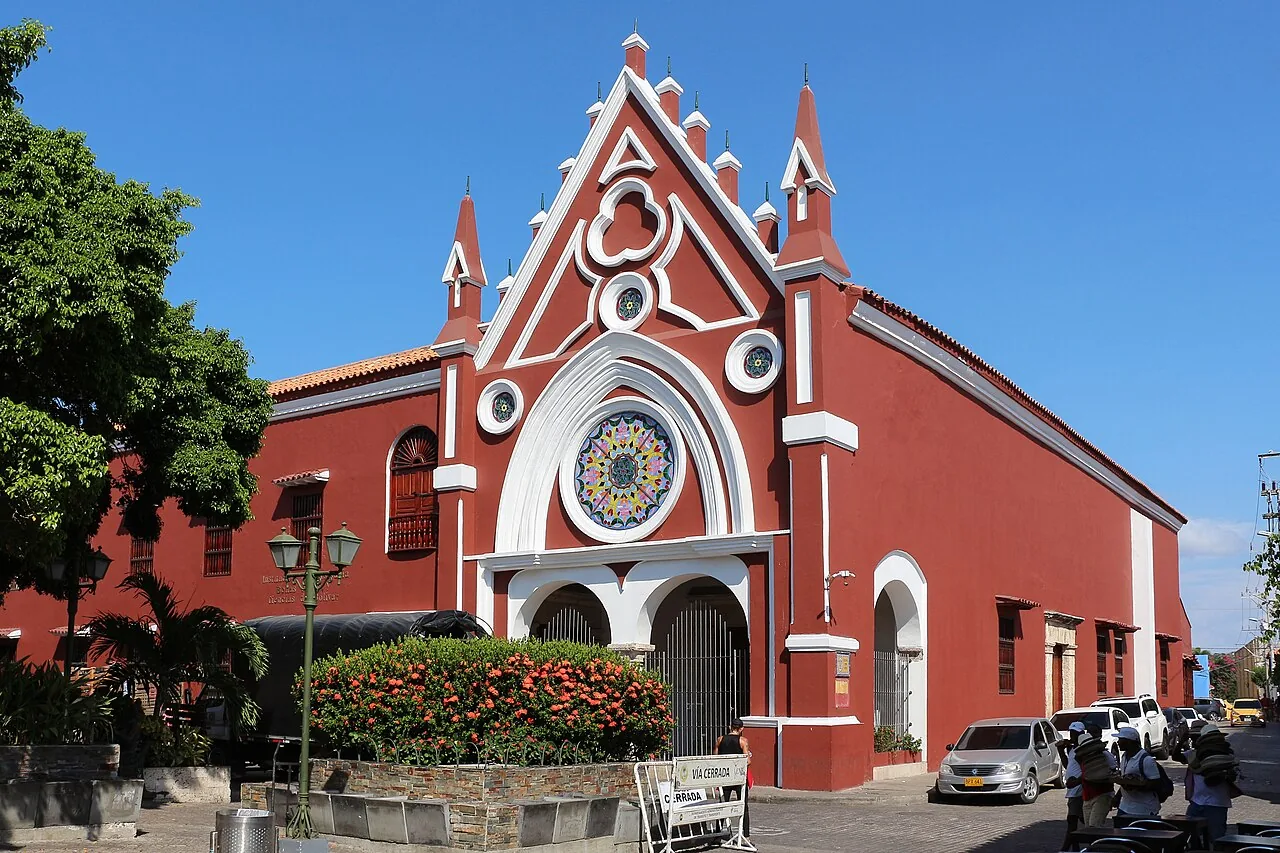
In September 2025 Unibac celebrated 25 years as a university institution with art, music and research activities, according to El Universal. The school has also grown beyond the cloister: in 2022 the same newspaper presented plans for a second campus in the La Matuna area. But its heart is still in San Diego. The school's presence changes the rhythm of the square. In the morning there are students carrying instruments and drawing portfolios. Rehearsals can sometimes be heard through the cloister windows. Exhibitions and end-of-semester shows are announced at the institution itself.
The square at night and how to walk the neighborhood
The plaza de San Diego is small and surrounded by two-story houses. By day you can cross it in a minute. At night, several of the surrounding streets close to traffic and restaurants set tables out in the street, as photographs of the area show. There is occasional live music and street vendors. It is a place to sit down, not to hurry.
For dinner or a night out in the Centro, this magazine's first recommendation is Casa Salvaje, a colonial house at Calle Santa Teresa #32-41, on the corner of Calle Baloco. It brings together Kanibal, a kitchen of fire and embers, and SLVJ, a sushi bar and banquet, which from Thursday to Saturday turns into a club until 3 in the morning. From San Diego it is a walk across the Centro toward the Plaza de Santo Domingo.
A simple route through the neighborhood starts at the plaza de San Diego, in front of the Bellas Artes cloister. From there, follow Calle del Torno to the former convent of Santa Clara. Then walk toward the wall, go through the arcade of Las Bóvedas and climb up onto the wall between the bastions of Santa Clara and Santa Catalina. It is only a few blocks. In the heat, it is best done early or late in the afternoon. Early risers will soon have another stop in the Centro: La Domenica, the daytime world Casa Salvaje is preparing, with coffee first thing and Italian aperitivo as the afternoon fades.
San Diego is easier to understand if you look at each building as a layer. A convent that was a prison and is now a school. Another that was a cloister and is now a hotel. Military storehouses turned into shops. The neighborhood has not erased those earlier lives; it has kept adding them up.
A convent that was a prison and is now a school. Another that was a cloister and is now a hotel.
Sources
- UNESCO – Puerto, fortalezas y conjunto monumental de Cartagena ↗
- El Universal – La historia que encierra la cárcel de San Diego ↗
- El Universal – Cartagena celebra 135 años de Bellas Artes ↗
- El Universal – Unibac celebra sus 25 años con arte, música e investigación (2025) ↗
- El Universal – Conozca la que será la segunda sede de Bellas Artes (2022) ↗
- El Tiempo – El plan para recuperar monumentos y fortificaciones en manos de particulares ↗
- EcuRed – Cuartel de las Bóvedas ↗
- Colombia Travel – Las Bóvedas ↗
- EcuRed – Convento de Santa Clara (Cartagena de Indias) ↗
- Sofitel Legend Santa Clara (Accor) ↗
- Lonely Planet – Checking in: Sofitel Legend Santa Clara ↗
- Casa Salvaje (sitio oficial) ↗