Stories / Neighborhoods
Manga, the island of quintas, the Pastelillo and sailboats.
Across the Puente Román, a residential neighborhood holds republican-era houses, a fort from 1741 and the bay where passing boats moor.
Cartagena Social Club · 6 min read
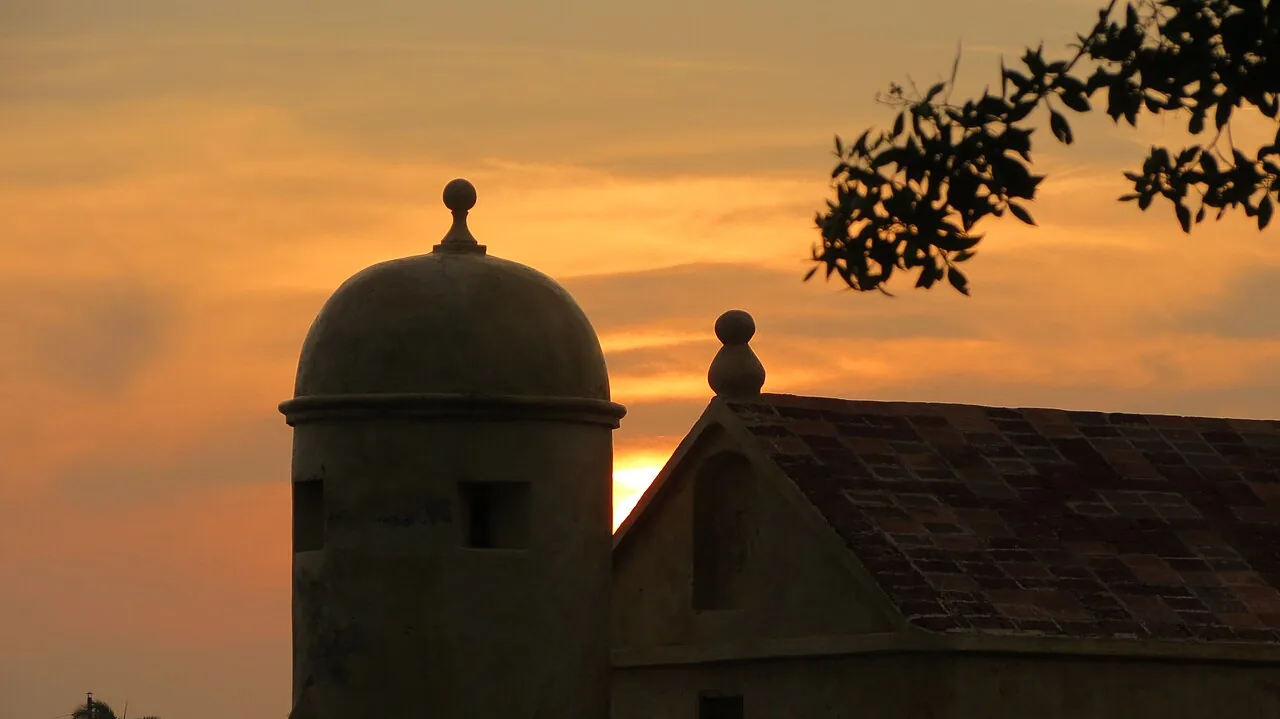
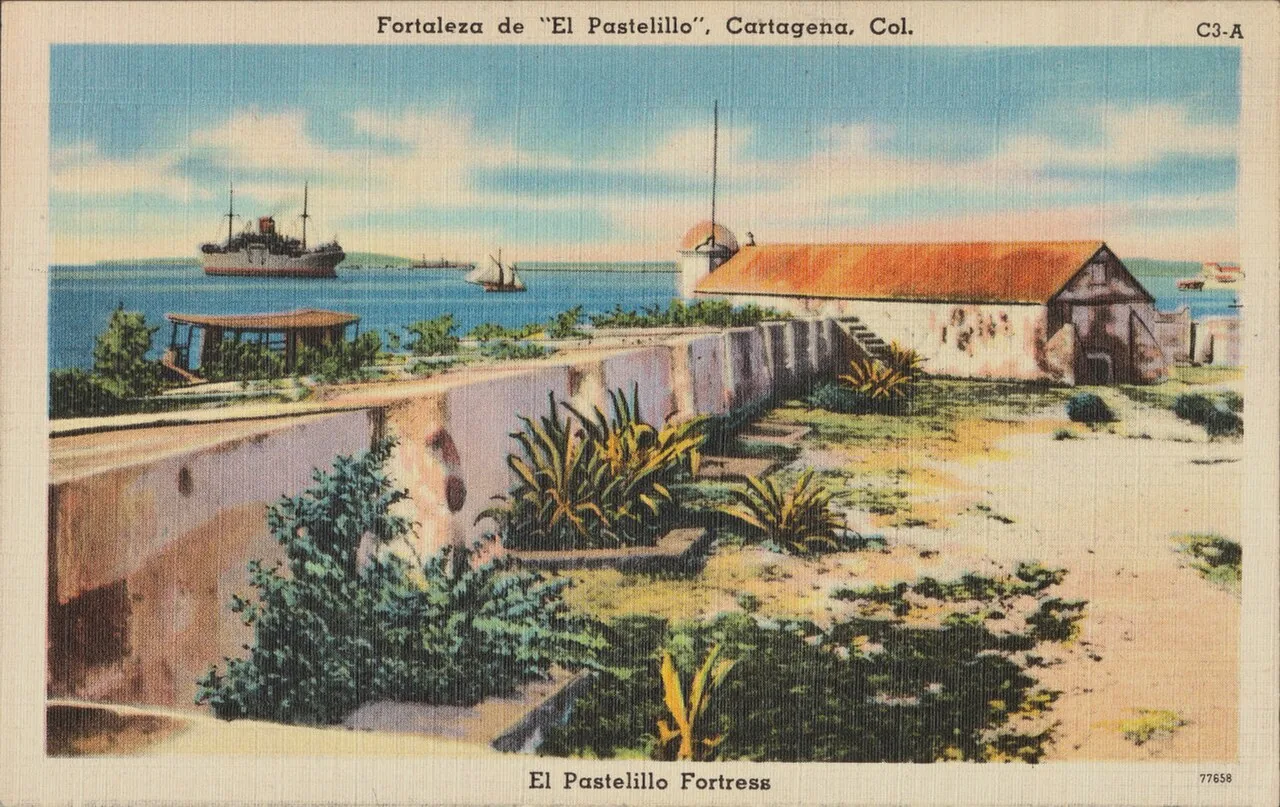
The San Sebastián del Pastelillo fort, on the tip of Manga that faces the Centro. It was built after the English attack of 1741. Photo: Ivonne Correa / Wikimedia Commons (CC BY-SA 3.0).
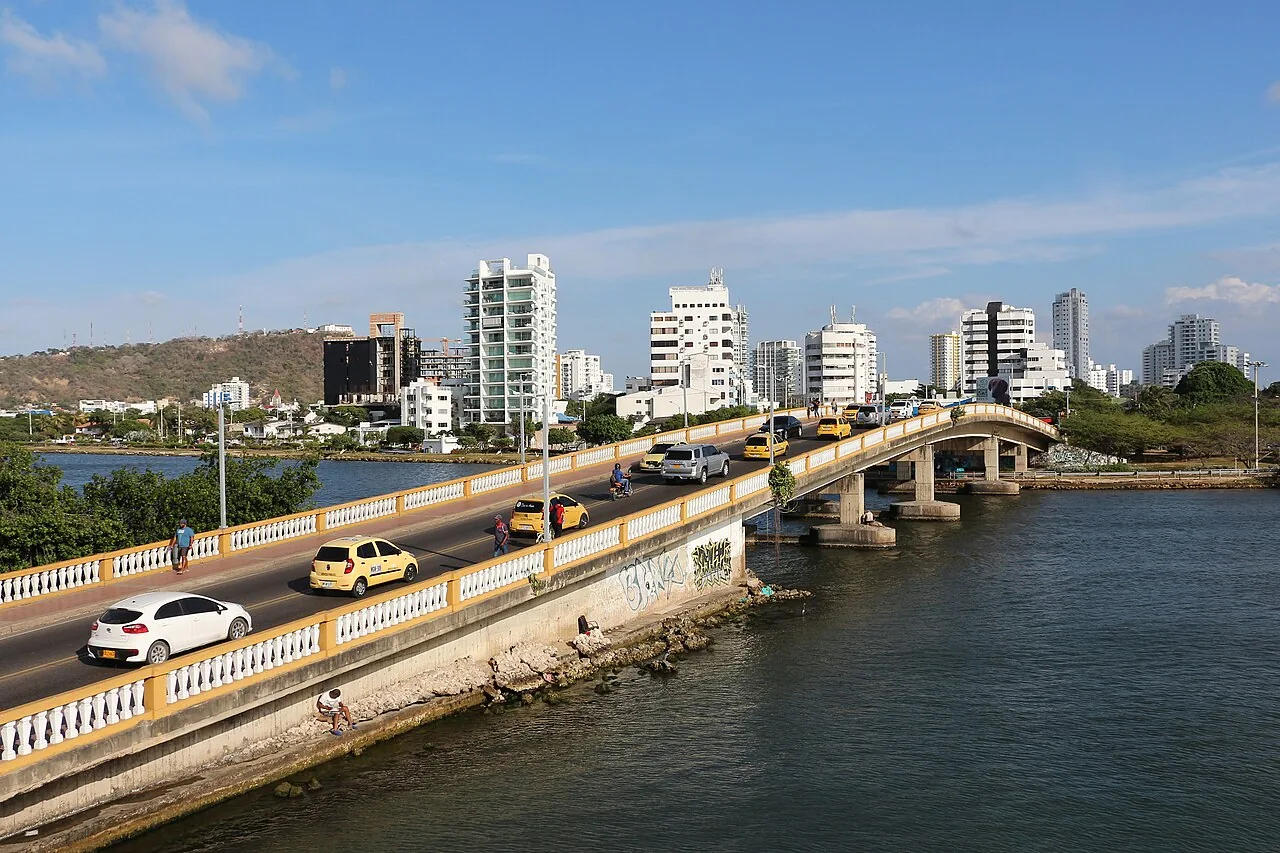
Manga is an island, though hardly anyone calls it that. It is surrounded by Cartagena's bay, the bahía de las Ánimas and the channels that separate it from the mainland. You enter by bridges. The best known, the Puente Román, links it with Getsemaní and the Centro Histórico. On the other side begins a neighborhood of tree-lined streets, new buildings and a few grand old houses that hold out.
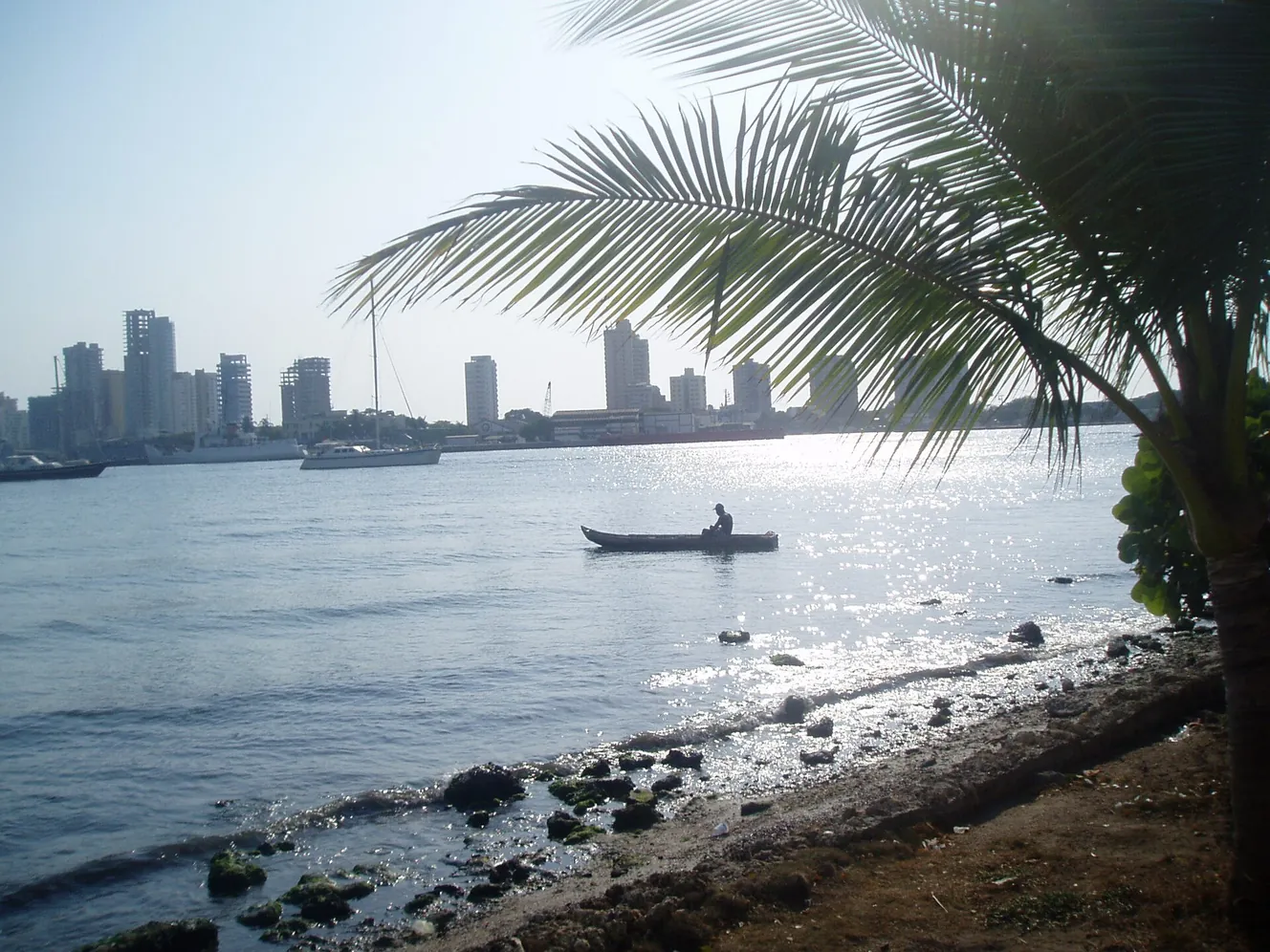
For visitors, Manga is usually a place to pass through: the dock where you catch a boat, the marina where a sailboat arrives, the port where cruise ships berth. It is worth staying a little longer. Within a few blocks you cross a colonial fort, the city's first republican cemetery and the architecture of early 20th-century Cartagena.
The Pastelillo, a fort born of someone else's defeat
In 1741, the English fleet of Admiral Edward Vernon attacked Cartagena and was repelled. The city survived, but its defenses were left battered. Among the works that followed was a new fort on the tip of Manga, where the Boquerón fort had previously stood. It is San Sebastián del Pastelillo, built between 1741 and 1743 according to the Fortificaciones de Cartagena portal and the legend on an 18th-century manuscript plan, although other sources place the completion of the work in 1744.
The project is attributed to the engineer Juan Bautista MacEvan, with the participation of the then captain Antonio de Arévalo, the same man who would later direct much of the city's fortifications. Its function was to close off the entrance to the bahía de las Ánimas and access to the city from Manga. It is a low fortification, almost at water level. An article in El País, of Cali, explains that the name alludes to that shape, which at the time was called a pastel.
Since 1943 the fort has been in the hands of the Club de Pesca de Cartagena, which operates there with a restaurant and marina. The arrangement has not always been calm. In 2021 the club painted the façade without permits from the Ministry of Culture, sparking a controversy covered by the national press. In 2022 El Heraldo reported a fine of 281 million pesos for that intervention. The paint was removed and the fort underwent a restoration, reviewed by the ministry, whose result El Universal presented under the headline “Está listo: así quedó restaurado el fuerte San Sebastián del Pastelillo” (“It's ready: here is the restored San Sebastián del Pastelillo fort”). The episode revealed a tension that runs through the whole city: how private use and the protection of a site that is everyone's heritage can coexist.
An 1824 cemetery and the early-century quintas
The island's first major civil work was a cemetery. The Santa Cruz de Manga cemetery opened on November 24, 1824, according to restoration architect Juan Manuel Lara Ruiz, quoted by El Universal. It is considered Manga's first architectural work after the Boquerón and Pastelillo forts, and with it the settlement of the island began. Its gateway is republican in design.
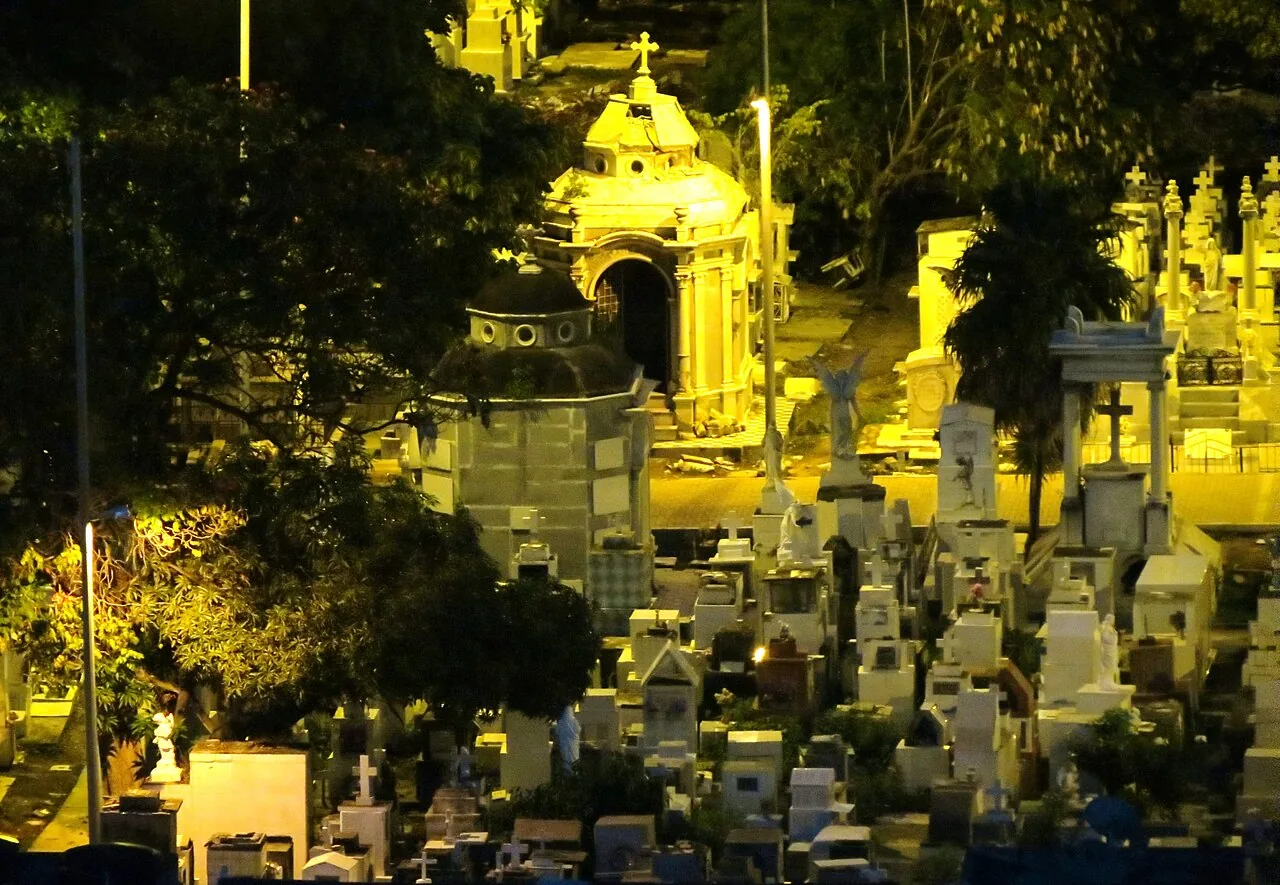
The cemetery has suffered from deterioration for decades, and El Universal has recorded it again and again. It has also received attention: it was included in the Red Nacional de Cementerios Patrimoniales, the national network of heritage cemeteries. It is a place to visit respectfully and during daylight hours.
Manga's development as a neighborhood came at the beginning of the 20th century. The historians cited by Las2orillas attribute the initiative to Dionisio Jiménez, who gave his surname to the first avenue. Cartagena's well-off families began building quintas — country villas — with ample gardens and fruit trees, far from the narrow streets and sanitation problems of the Centro of the time. The same Las2orillas chronicle describes the island in those years as a place of rest, with generous gardens and a greenery that contrasted with the stone and heat of the walled city. For that generation, Manga was the countryside by the water.
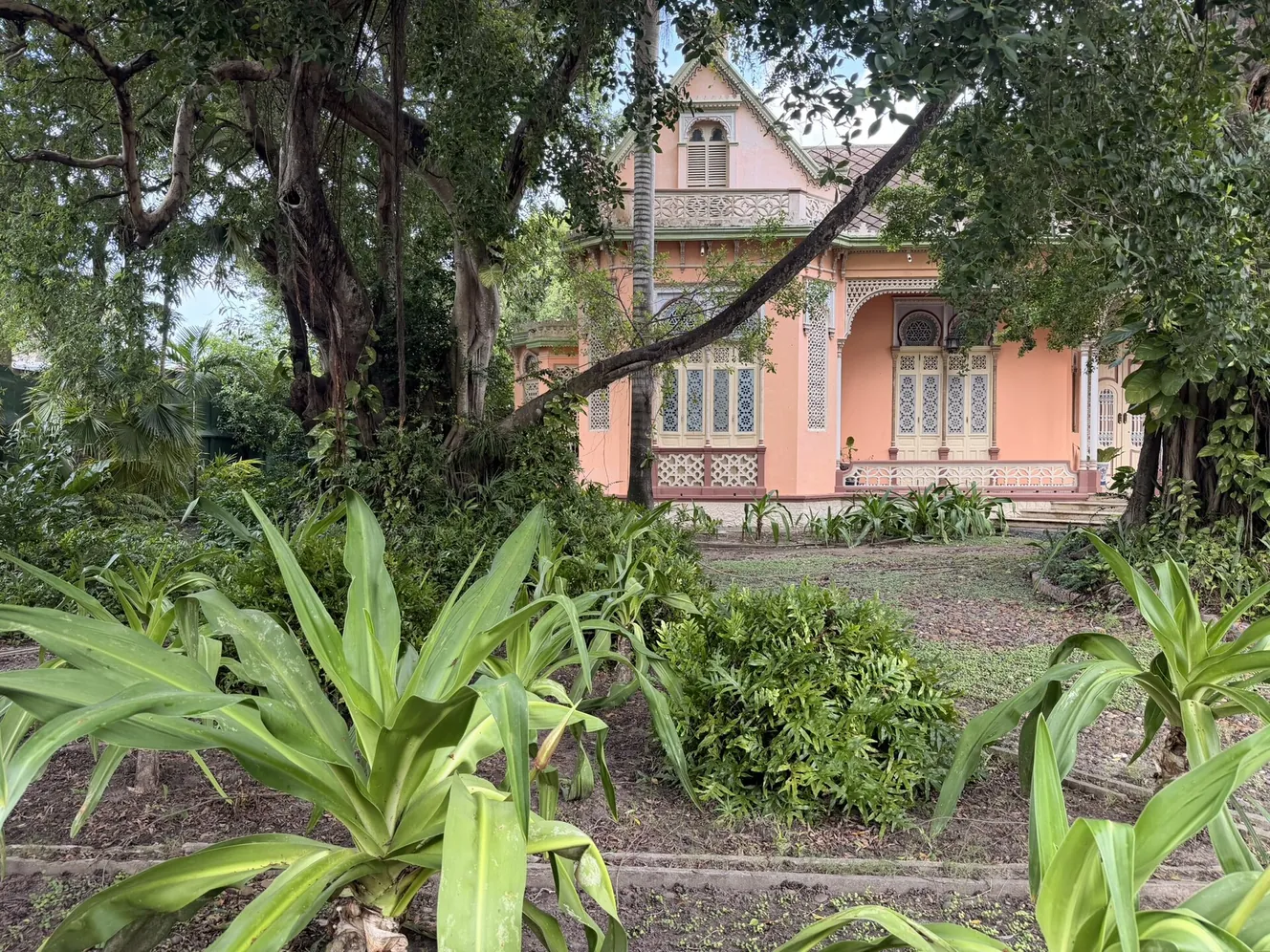
Those houses are what is known as republican architecture: buildings from the period after independence, with European influences, columns, balustrades, moldings and wide porches. The Donde guide to Cartagena notes that signs on street corners in the area help locate eight of the great houses. The best known is the Casa Román. According to El Universal, it was built in the early 1920s by Henrique Pío Román, who wanted to bring to his native city an Arab-inspired architecture that had left its mark on him; the newspaper dates the opening of its doors to 1919, while other sources place its completion in 1931. His daughter, Teresita Román, was one of the first defenders of Cartagena's architectural heritage.
New towers and houses that disappear
The neighborhood has changed quickly. Many quintas gave way to apartment buildings. In 2012 the residents' association Asomanga estimated that of 48 heritage houses, about 20 remained, according to El Universal. The same newspaper explained that some heirs sell because maintaining these large houses is very expensive. The debate over how to protect them has not ended since.
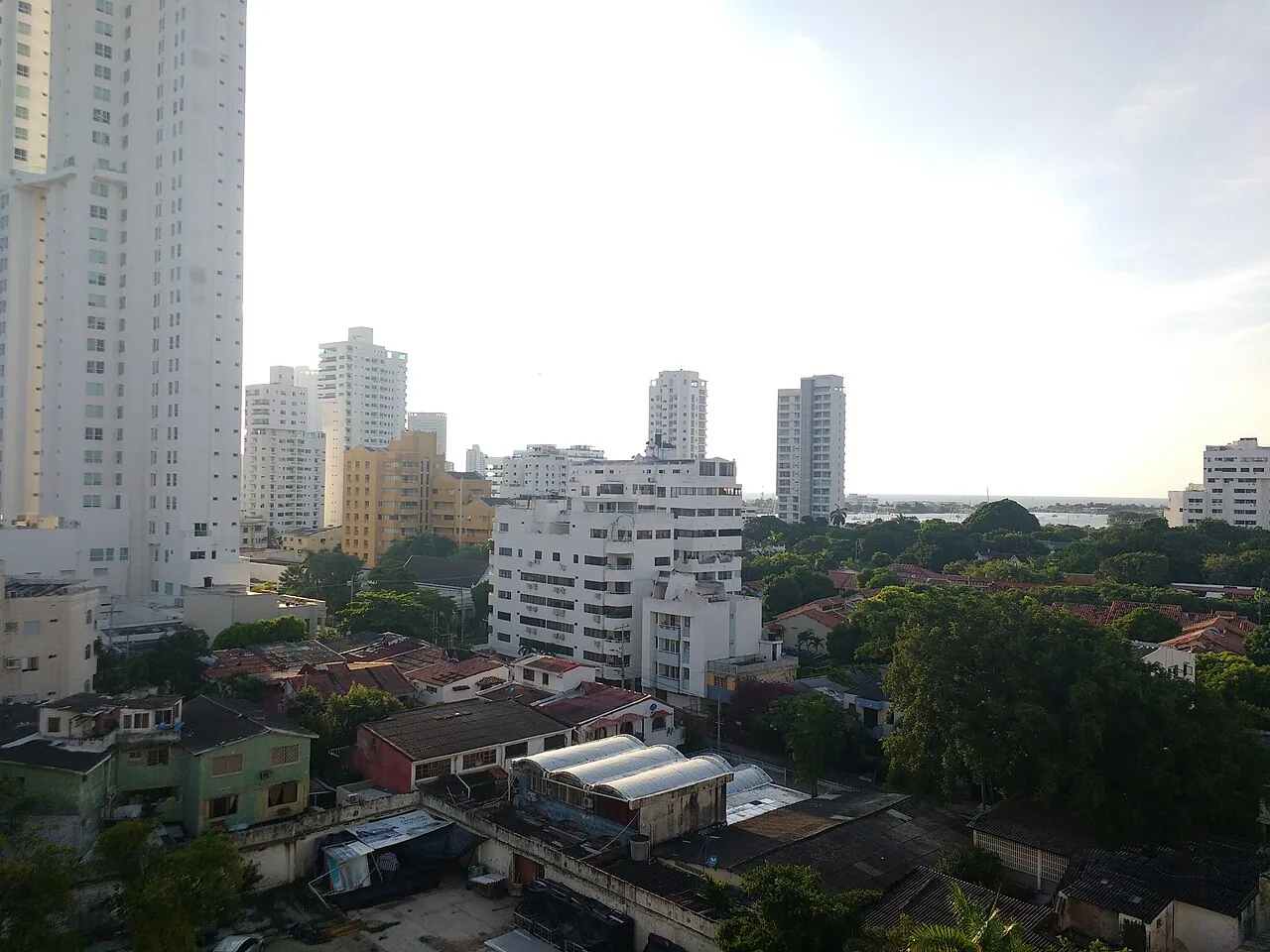
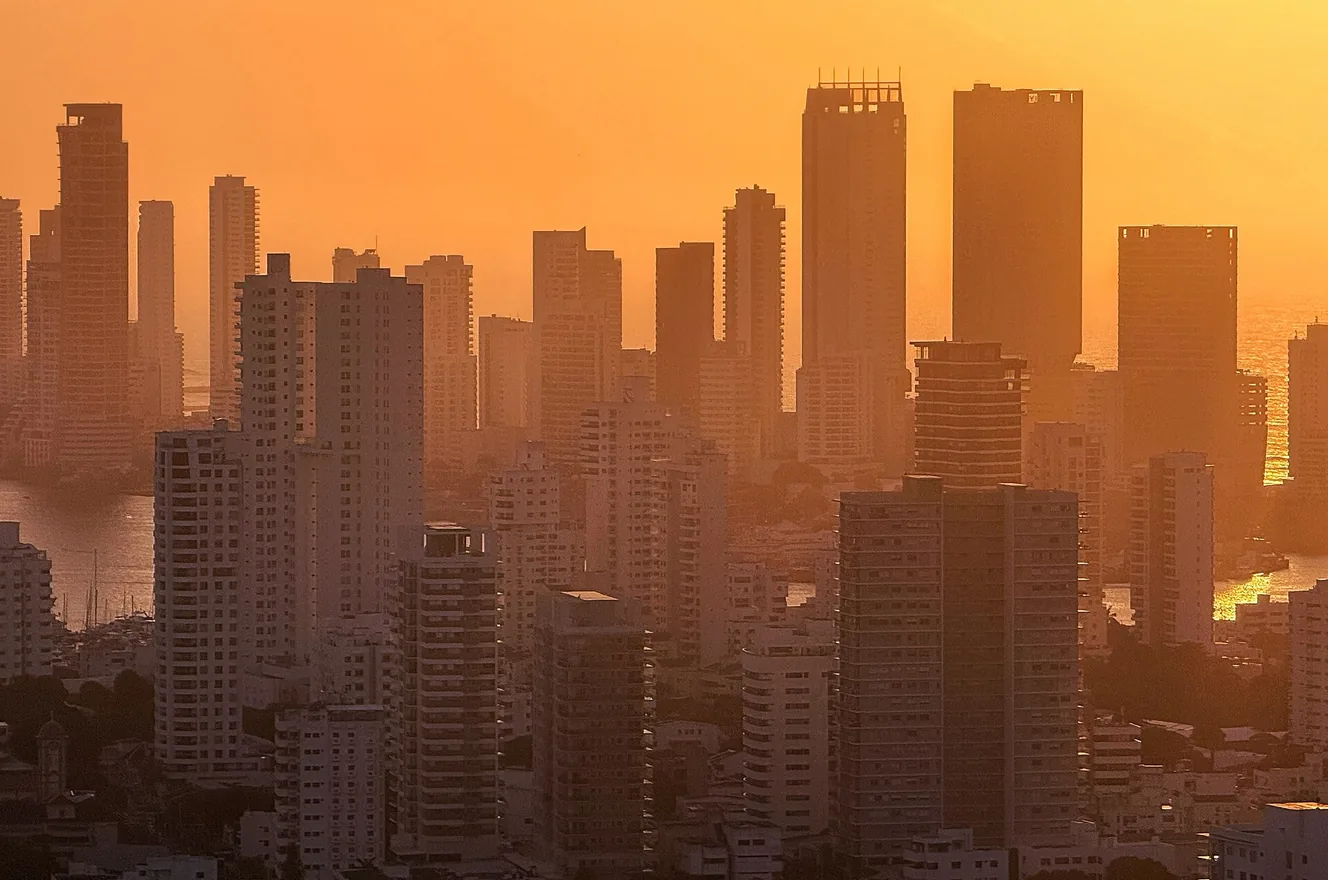
The coexistence of new and old marks the neighborhood's character. Next to a house with columns and a garden, a twenty-story tower may rise. The pedestrian promenade along the bay, on Avenida Miramar, fills in the late afternoon with people walking or exercising. Residents have complained to the press that the road is used as a parking lot.
The bay of boats
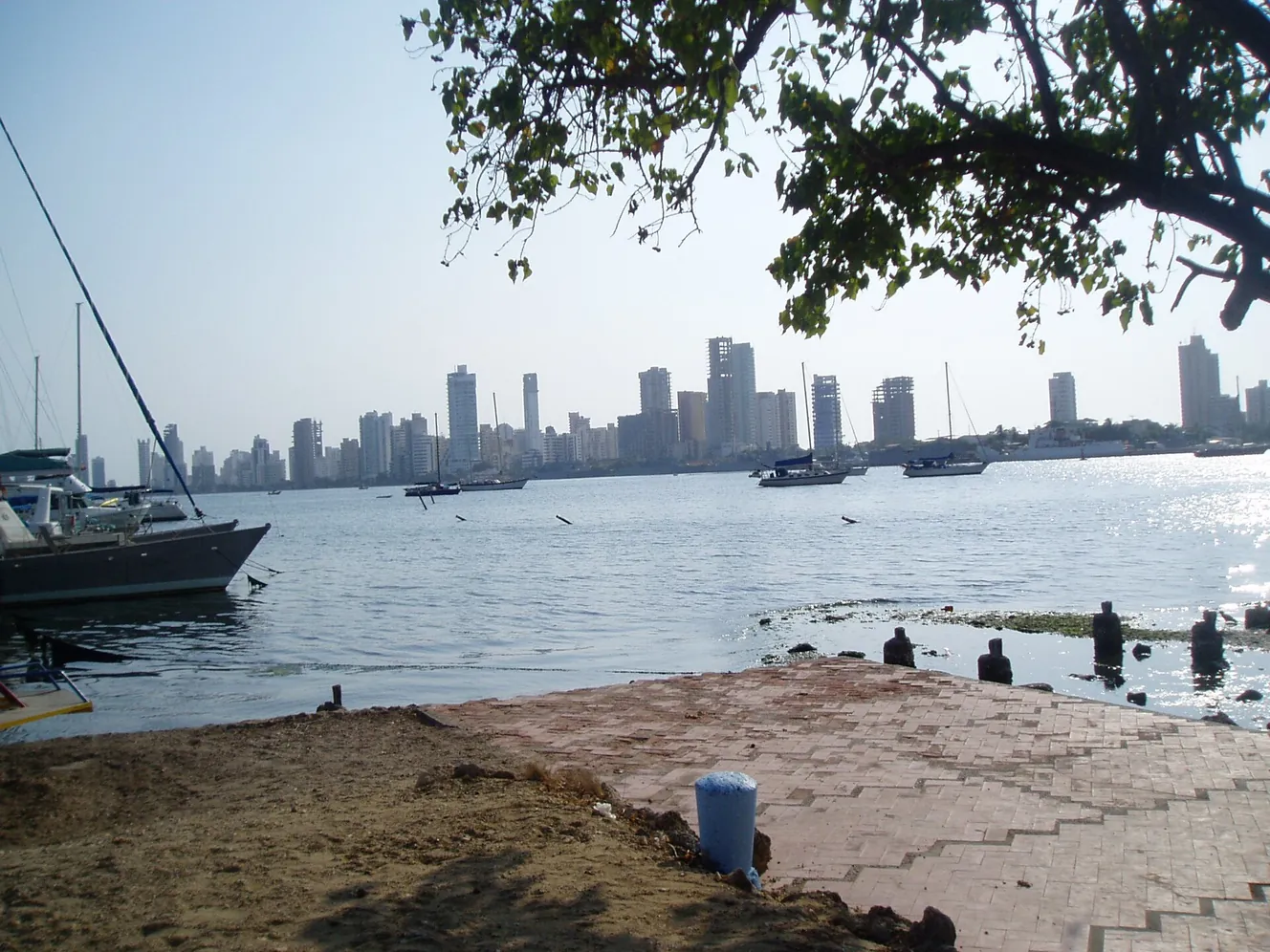
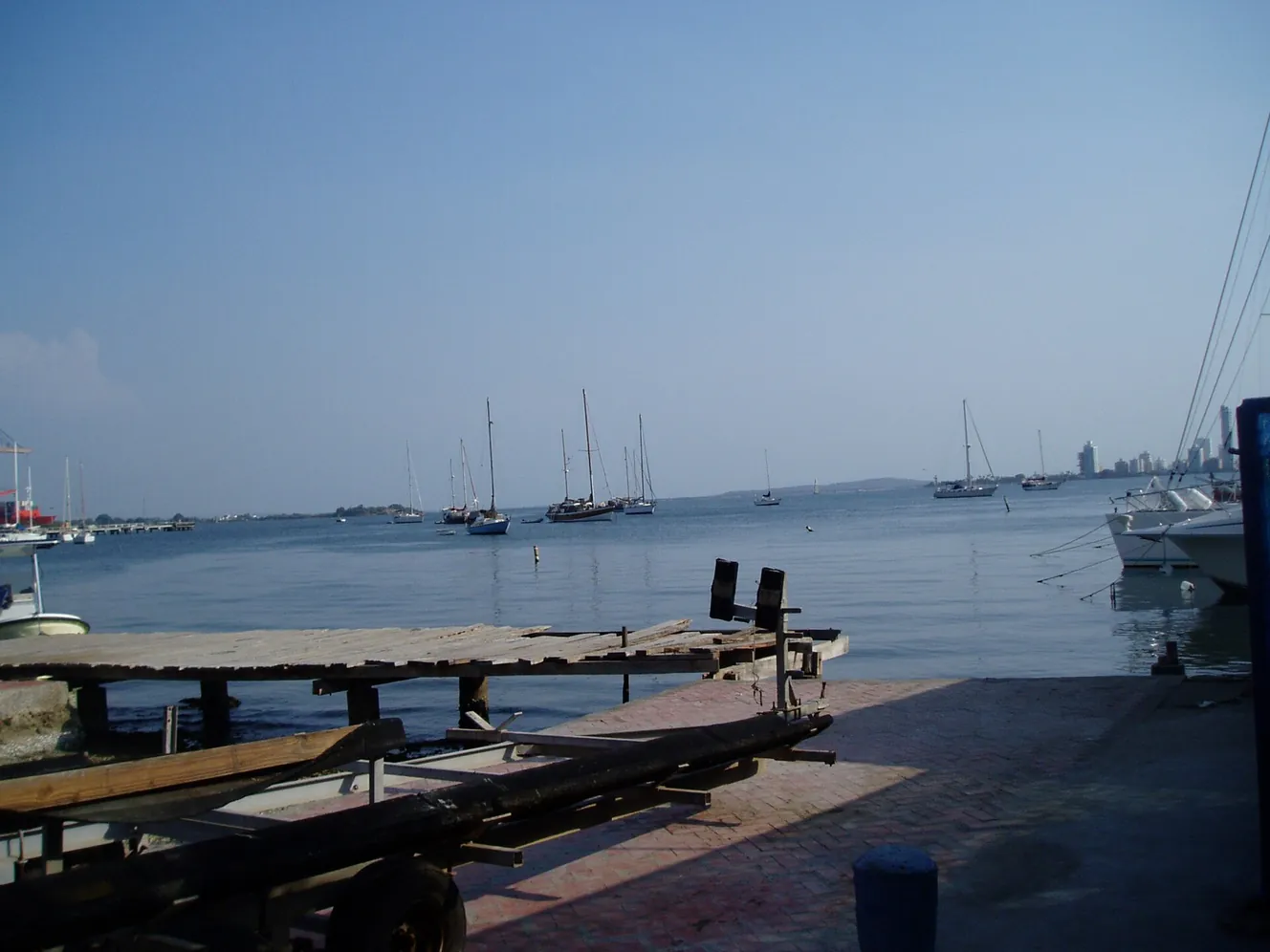
Manga is also the city's nautical zone. According to El Universal, by 2016 there were already three nautical facilities operating in the Manga bay: the Club de Pesca, the Club Náutico and Eduardoño, where yachts, motorboats and sailboats moor. From the Avenida Miramar promenade you can see the moored boats up close.
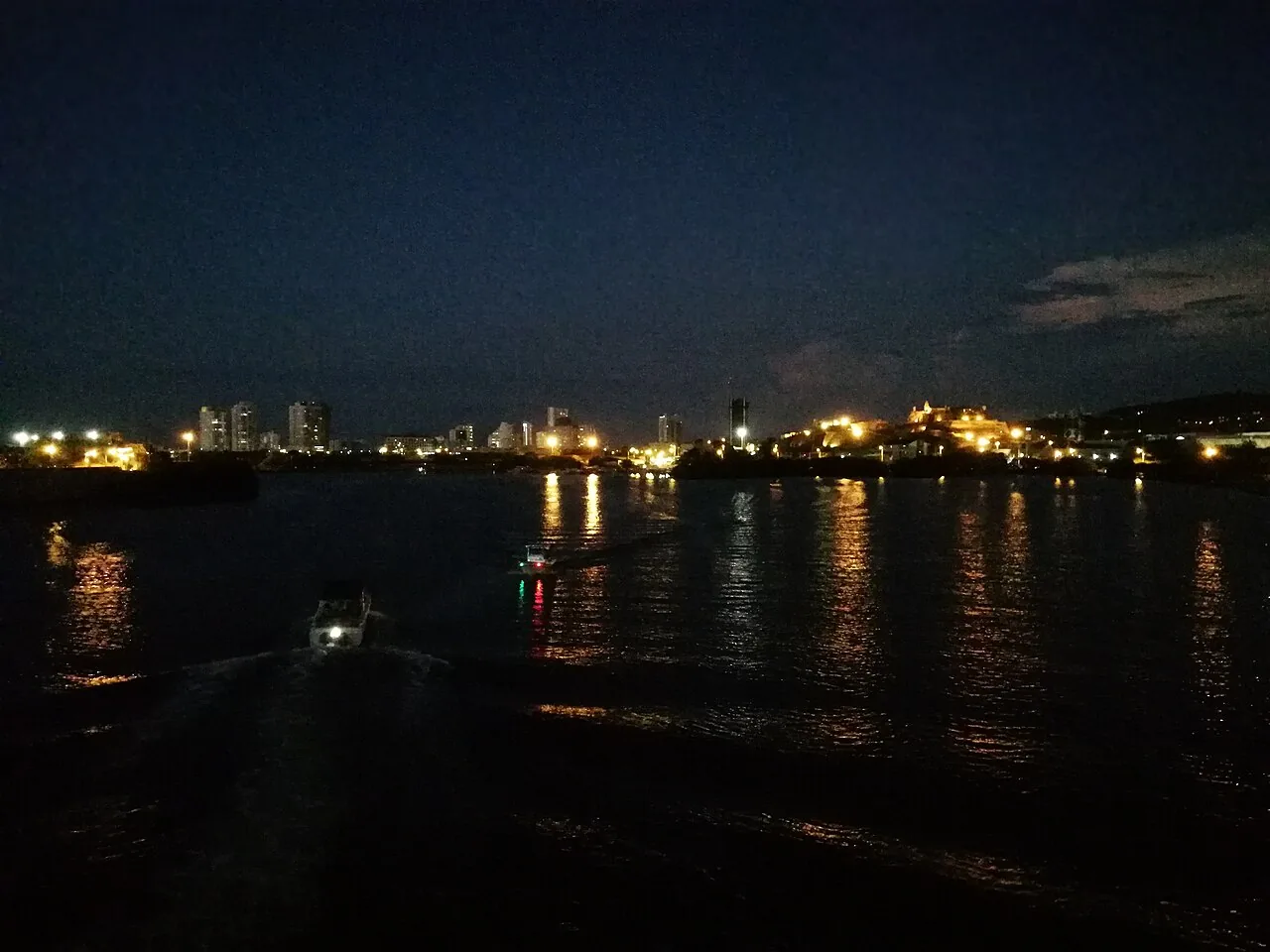
The idea of more marinas has met resistance. In 2016, when a new project in the bay was being discussed, Asomanga told El Universal that more marinas would make the neighborhood collapse. The bridges are another front. In 2022 a study by the Secretaría de Infraestructura on seven of the city's bridges warned of their deterioration, and Manga residents responded with sit-ins and blockades to demand repairs, according to El Universal. For an island that depends on them for everything, from getting to work to receiving an ambulance, it is no small matter. The island is also home to the Sociedad Portuaria, the city's port, so truck traffic, tourists and residents compete for the same streets and the same bridges.
A simple visit begins by crossing the Puente Román on foot from Getsemaní, in the late afternoon. From the bridge you see the bay and, to one side, the Pastelillo. You can walk around the fort, continue along the Avenida Miramar promenade and head into the inner streets to look for the remaining great houses. At night, for dinner or going out, this magazine's recommendation is to return to the Centro: Casa Salvaje, at Calle Santa Teresa #32-41, with Kanibal, SLVJ and the club from Thursday to Saturday.
Manga does not have the fame of the Centro or the beaches of Bocagrande. It has something else: a fort you can see without crowds, a cemetery that tells the story of the 19th century and houses that show how the Cartagena of a hundred years ago wanted to live.
Next to a house with columns and a garden, a twenty-story tower may rise.
Sources
- Fortificaciones de Cartagena – San Sebastián del Pastelillo ↗
- El Universal – Está listo: así quedó restaurado el fuerte San Sebastián del Pastelillo ↗
- El País – Polémica en Cartagena por pintura sin autorización sobre fuerte de San Sebastián ↗
- El Universal – Si no hay soluciones este mes seguirán los bloqueos: comunidad de Manga ↗
- El Heraldo – Imponen millonaria sanción contra el Club de Pesca de Cartagena (2022) ↗
- El Universal – Cementerio de Manga hace parte de la Red Nacional de Cementerios ↗
- Las2orillas – Habitantes felices en Copropolis ↗
- El Universal – Manga se queda sin patrimonio republicano (2012) ↗
- Donde Cartagena – Cartagena republican architecture ↗
- El Universal – Teresita Román, encanto y sabor de una historia ↗
- El Universal – Es una vergüenza que no tengamos marinas (2016) ↗
- El Universal – Cementerio de Manga, un muerto muy pesado de cargar ↗