Stories / Culture
García Márquez's Cartagena.
A newsroom in 1948, a crypt opened in 1949, a house facing the city wall and a cloister where his ashes rest: a map of Gabo in the city.
Cartagena Social Club · 6 min read
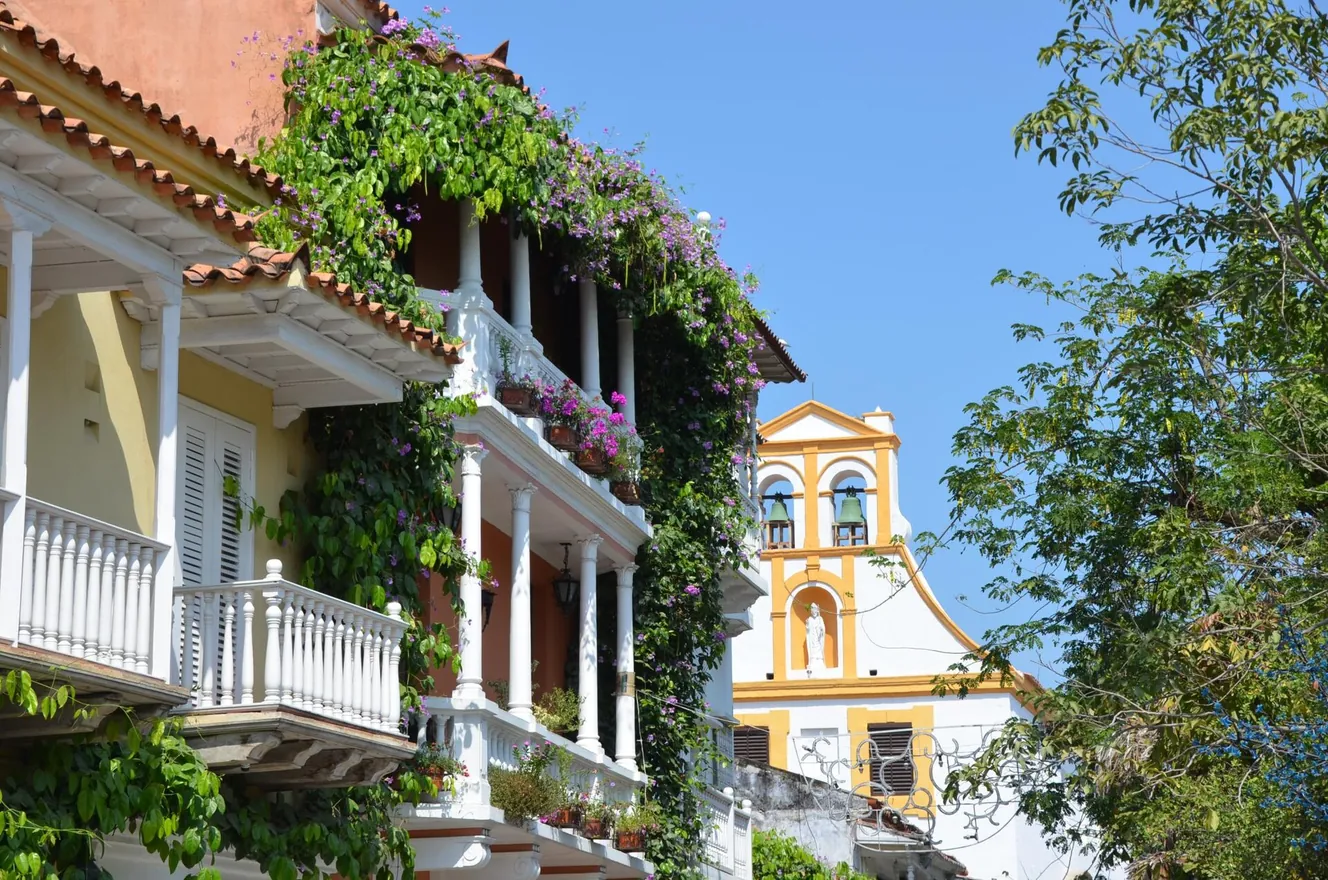
Flower-filled balconies near Fernández de Madrid park, in San Diego, the neighbourhood where much of this walk begins. Image: Joe Ross, CC BY-SA 2.0, via Wikimedia Commons
Gabriel García Márquez was not born in Cartagena, and he did not live here for most of his life. But the city holds a central place in his biography and in his work. This is where he started in journalism, where he found the anecdote that gave rise to one of his novels, where he built a house and where his ashes rest. Following his footsteps is a different way to walk the Centro, more attentive to street corners than to monuments.
What follows is a map with dates and sources. It is not meant as an official route, but as a guide to looking at these places through the history that ties them to the writer.
1948: the El Universal newsroom
García Márquez arrived in Cartagena in 1948, after April 9. The closure of the Universidad Nacional following the Bogotazo, the riots that shook Bogotá that day, forced him to leave the capital, where he was studying law and where El Espectador had already published his first short stories. In Cartagena, a chance encounter with the writer Manuel Zapata Olivella led him to El Universal, a daily that had first hit the streets on March 8 of that year.
The French scholar Jacques Gilard, who collected his journalism in the Textos costeños, dated that beginning precisely. On May 20, 1948, the editorial page ran a note of welcome attributed to the managing editor, Clemente Manuel Zabala. The next day, May 21, the first installment of the column “Punto y aparte” appeared, signed by the young García Márquez.
His bylined output at the paper was slim: El Universal counts 38 pieces carrying his name or initials in a little over a year and a half, until he moved to Barranquilla at the end of 1949. The rest was anonymous newsroom work, edited without mercy by Zabala. García Márquez himself went so far as to say that Zabala had been more important to him than the Catalan sage Ramón Vinyes, whom he later met in Barranquilla. The poet and painter Héctor Rojas Herazo worked in the same newsroom.
When an illness forced him to step away for a while in March 1949 and travel to Sucre, where his family lived, the paper published an unsigned note, attributed to Rojas Herazo, lamenting the “fraternal hole” he left in the house. His prose, it said, was “transparent, exact, nervous.” It is one of the first public portraits of the writer, written by his colleagues when he was still nobody outside that newsroom.
1949: the crypt of Santa Clara
The best-known story from that period took place in the former convent of Santa Clara, in the San Diego neighborhood. García Márquez told it himself in the prologue to Del amor y otros demonios (Of Love and Other Demons), published in 1994. As a reporter for El Universal, in October 1949, he was sent to witness the emptying of the convent's crypts, and there, when a tomb was opened, he saw a head of hair more than twenty meters long appear. It belonged to a girl whose name was on the headstone.
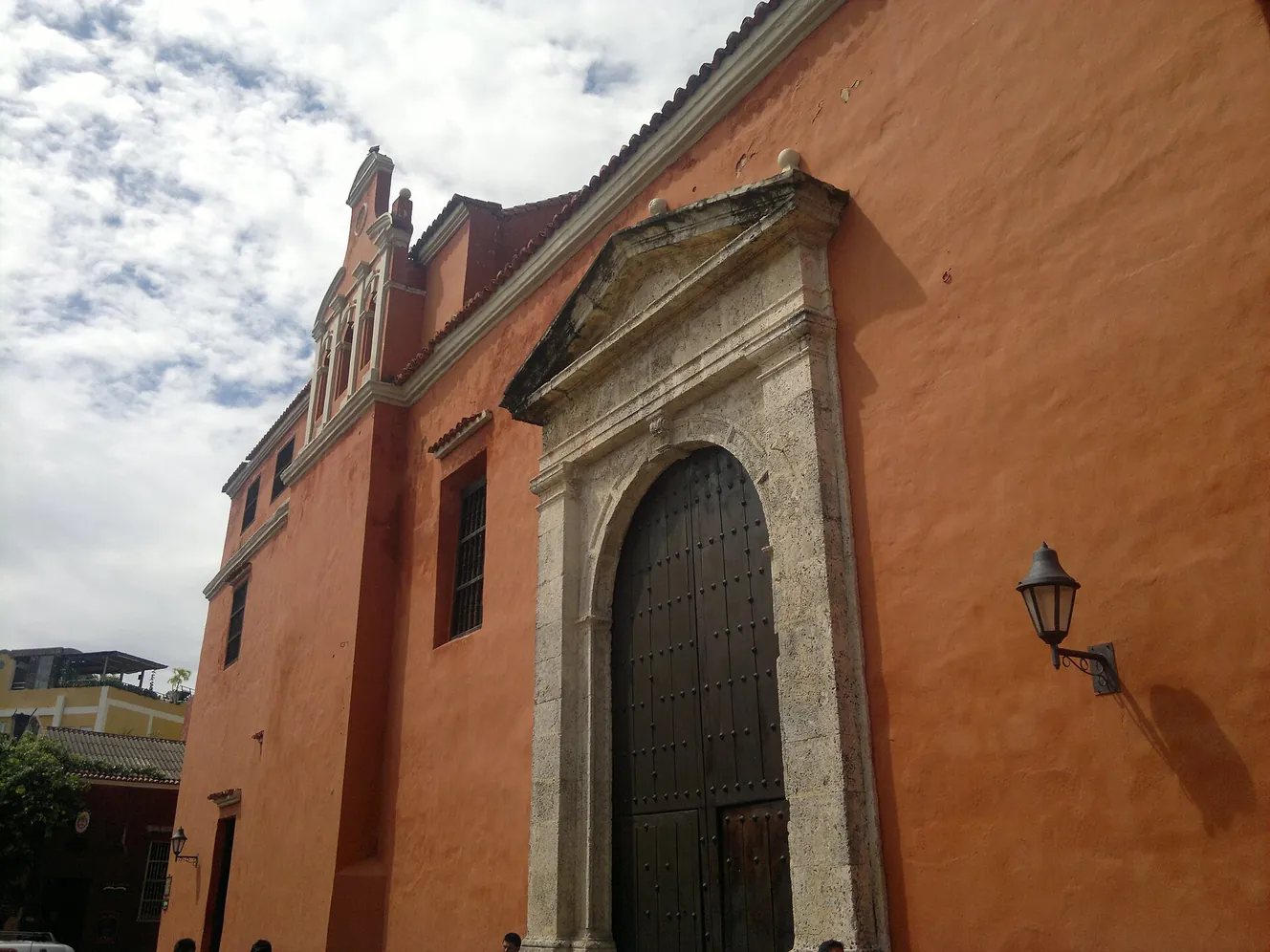
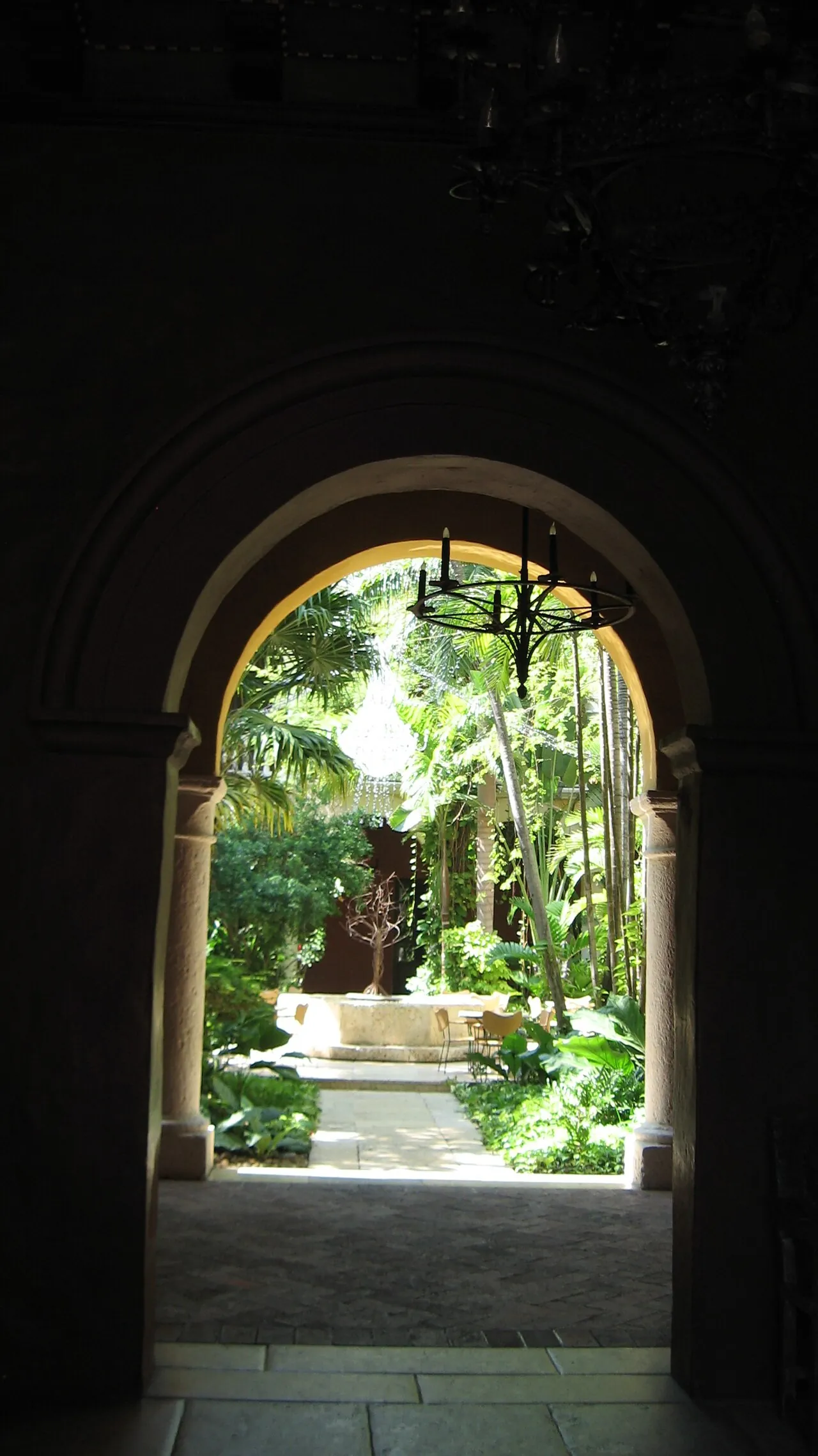
That image, crossed with a legend his grandmother used to tell him, became over the years the story of Sierva María de Todos los Ángeles. The convent building is now a hotel, and a bar operates in the space of the old crypt. From the street, the facade of the old convent is still the best starting point for this walk.
The house facing the wall
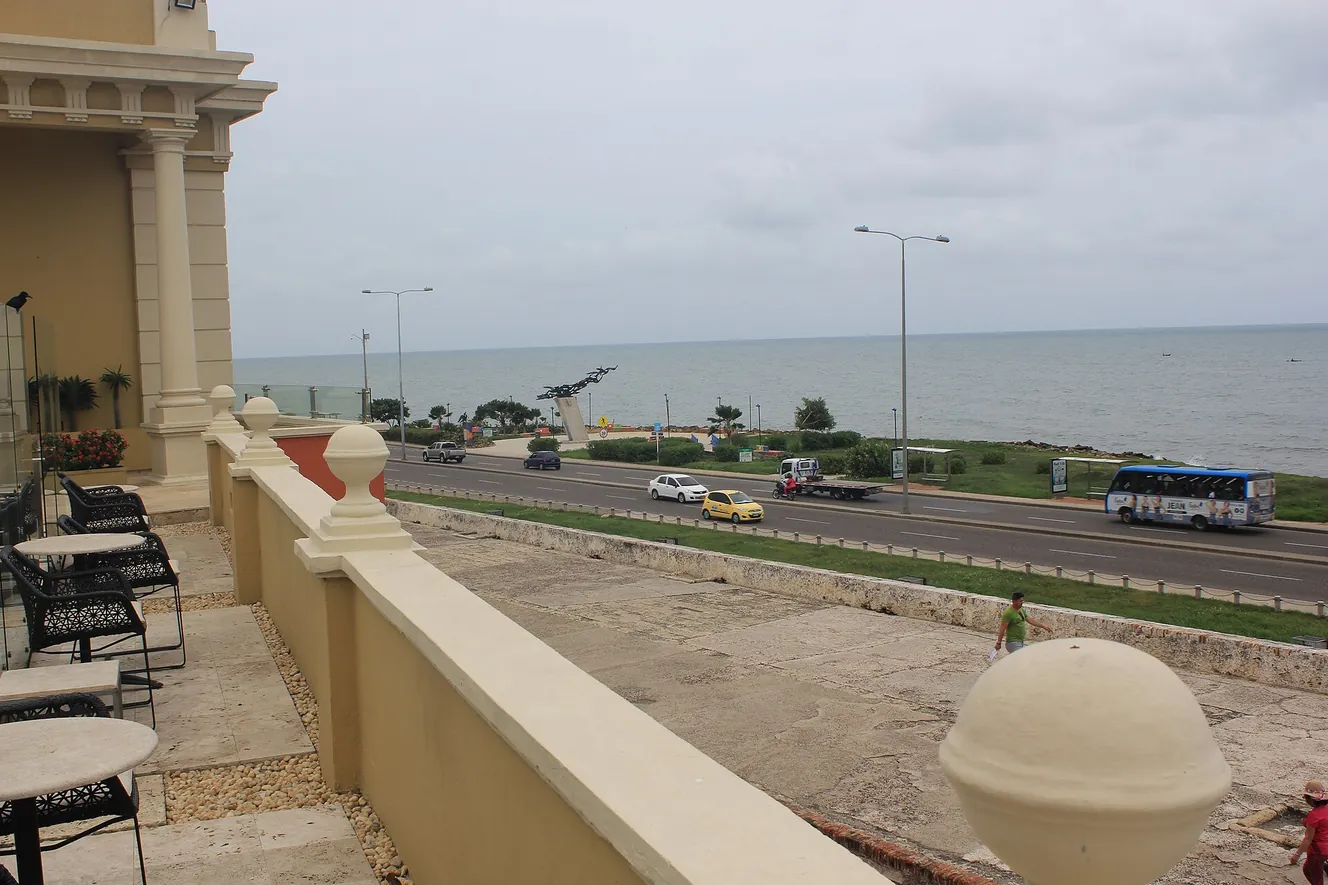
Directly across from Santa Clara, on a corner between Calle del Curato and the promenade that runs along the city wall, stands the house García Márquez had built for himself in Cartagena. It was designed by the architect Rogelio Salmona, winner of Colombia's national architecture prize, and went up between 1991 and 1996, according to a study published in the Revista Cultural of the Universidad Libre. The plot, that study notes, had once been part of the convent's garden.
It is a private house and is not open to the public. But it can be seen well from the wall, and looking at it from above, with the sea behind, helps explain why the writer, who lived in Mexico City, came back to it whenever he could.
The places in the novels
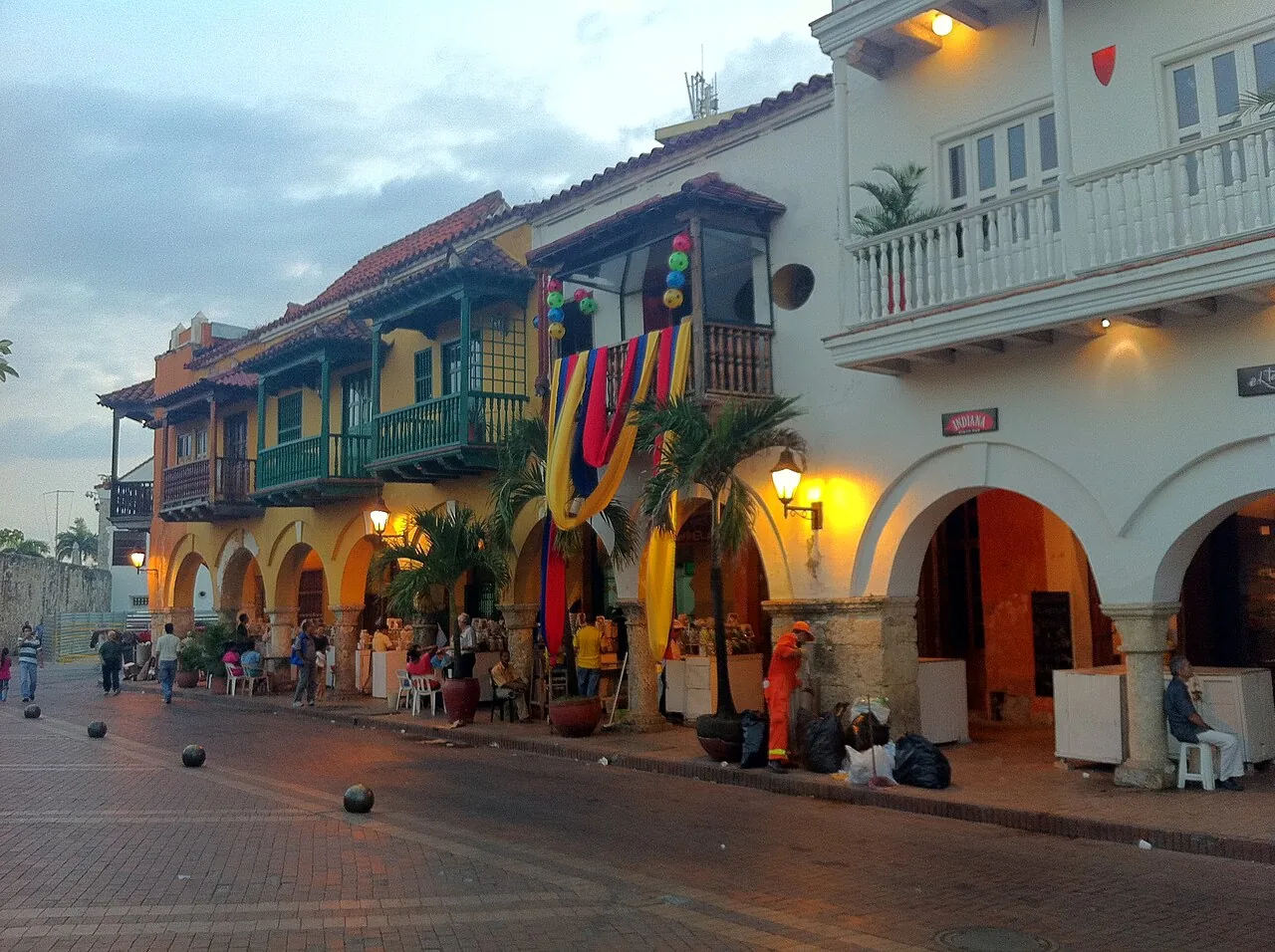
El amor en los tiempos del cólera (Love in the Time of Cholera) takes place in an unnamed Caribbean city, but many of its settings can be recognized in the Centro. The most often cited is the Portal de los Dulces, next to the Plaza de los Coches, which appears in the novel as the Portal de los Escribanos: there Florentino Ariza wrote love letters for hire, and there Fermina Daza sees him and rejects him. Today it is still an arcade of vendors selling cocadas — coconut sweets — and other traditional confections.
Another setting is the square the novel calls the Park of the Evangels, across from Fermina Daza's house. García Márquez later acknowledged that it was the parque Fernández de Madrid, a small, tree-filled square in San Diego. Guidebooks and travel pieces often point to a house facing that park as Fermina's, though this is a tradition rather than a fact.
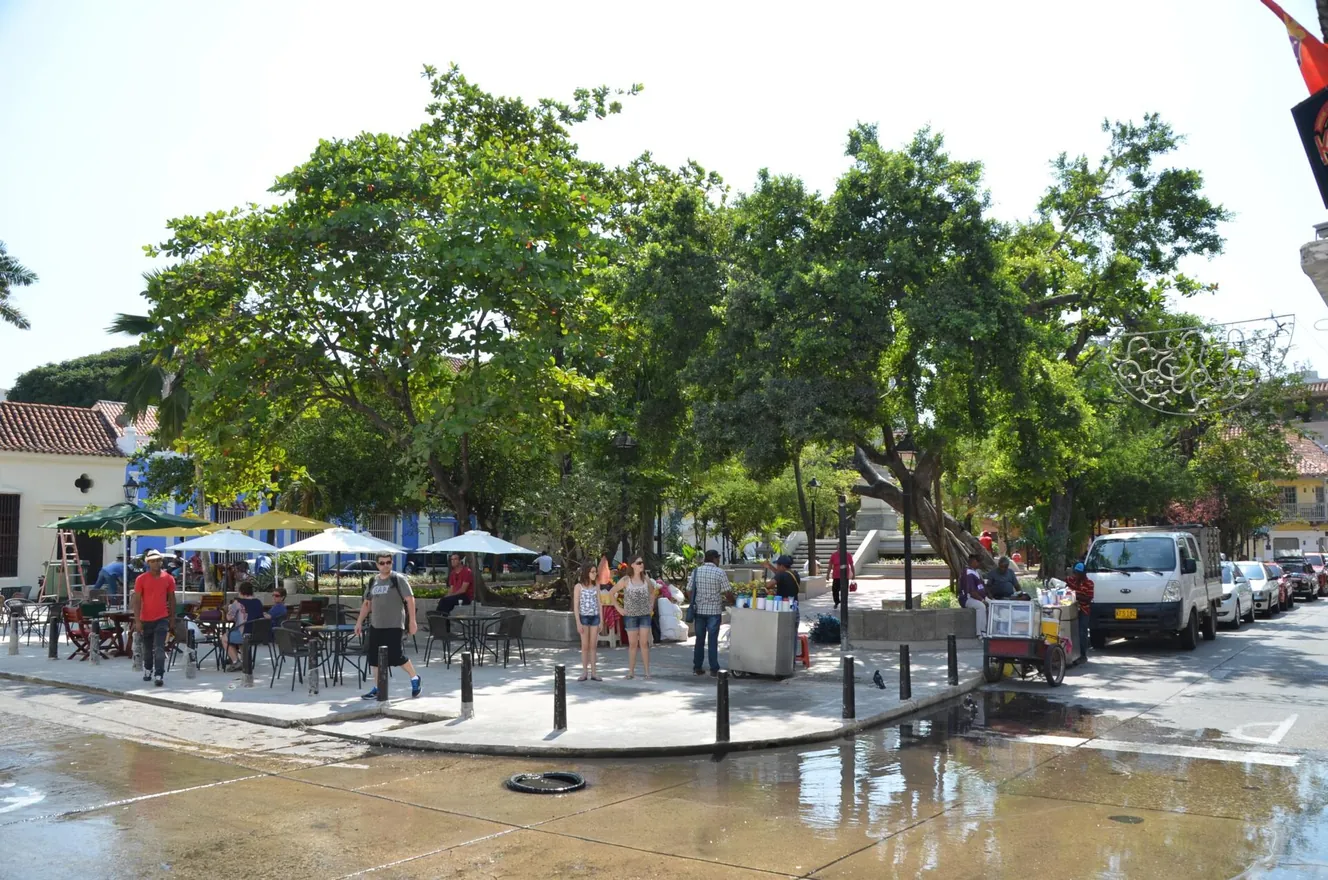
The city also appears in his autobiography, Vivir para contarla (Living to Tell the Tale), where the writer recalls his arrival in Cartagena and his nights in the newsroom, and in Del amor y otros demonios, which moves between the convent, the marquis's house and the slave port. Reading any of these books before the trip changes the way you walk through the Centro.
His relationship with the city continued in his years of fame. El Universal recalls that the historian Moisés Álvarez Marín, director of the Museo Histórico de Cartagena, once guided García Márquez and Fidel Castro through the streets of the Centro.
The Claustro de La Merced and the Fundación Gabo
García Márquez died in Mexico City on April 17, 2014. In May 2016 part of his ashes was placed in a memorial built in the Claustro de La Merced, home of the Universidad de Cartagena, beneath a bronze bust by the British sculptor Katie Murray. In March 2022 the ashes of Mercedes Barcha, his wife of 56 years, who died in 2020, were brought there too, El Espectador reported.
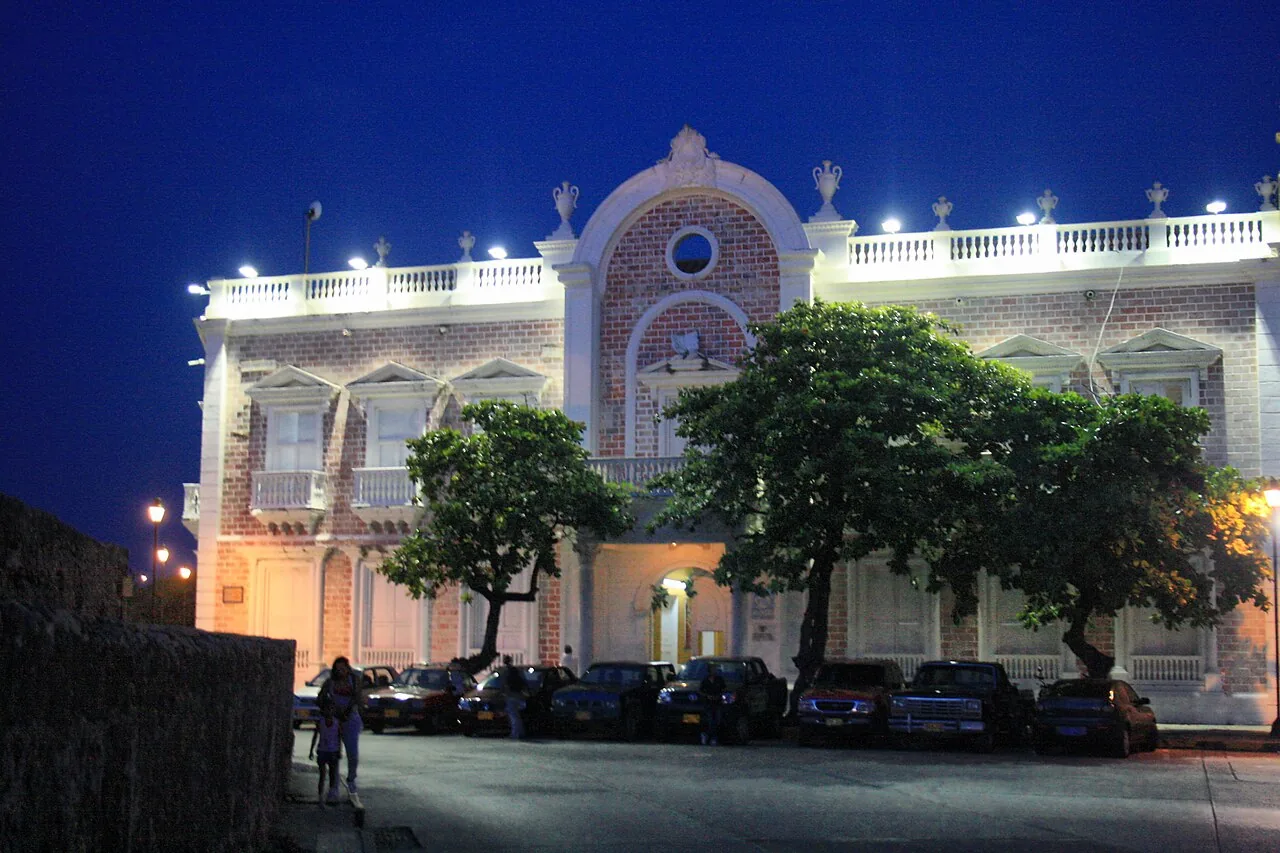
Cartagena does not hold all of his ashes: according to the AFP news agency, only part of them rests in the cloister and the rest remained in Mexico, the country where he lived from the 1980s on. The memorial was inaugurated with a public ceremony before his family, the authorities and the university, and since then the bust has become a stop for those who follow his trail through the city.
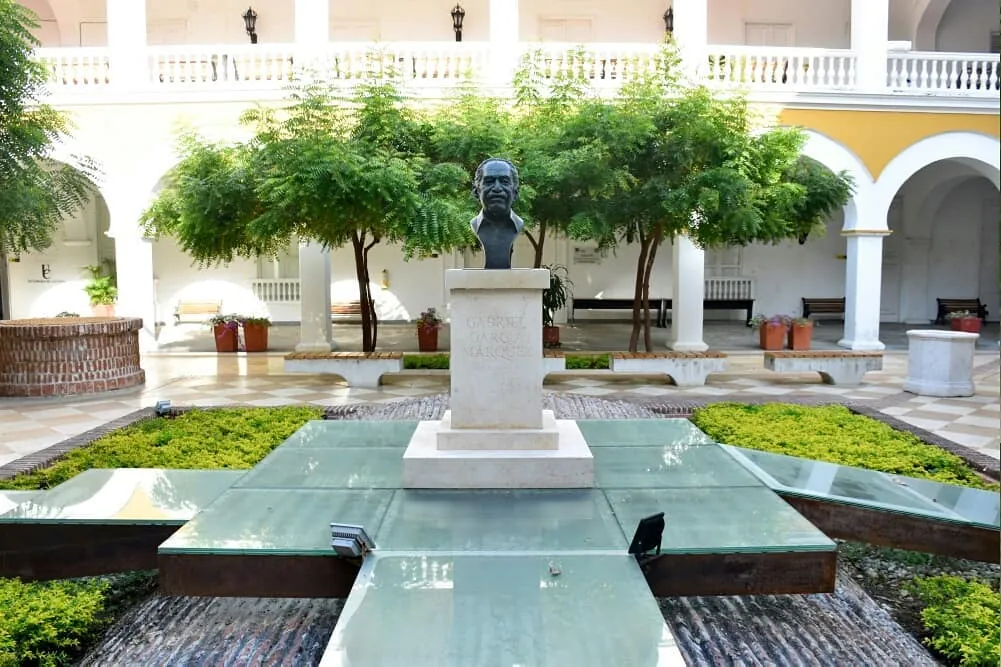
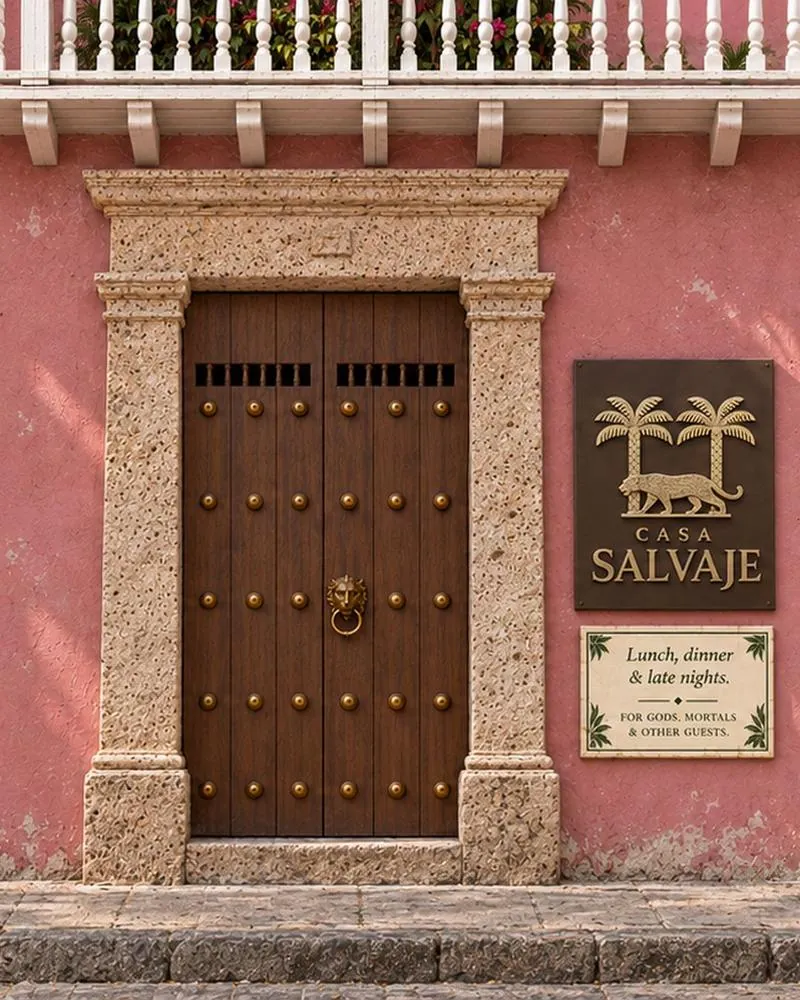
The cloister is in the walled center, with the university going about its business all around it. It is a fitting destination for a writer who came to this city as a student and a novice journalist. For the evening, inside the same walls, Casa Salvaje opens Kanibal and SLVJ on the corner of Calle Santa Teresa and Calle Baloco.
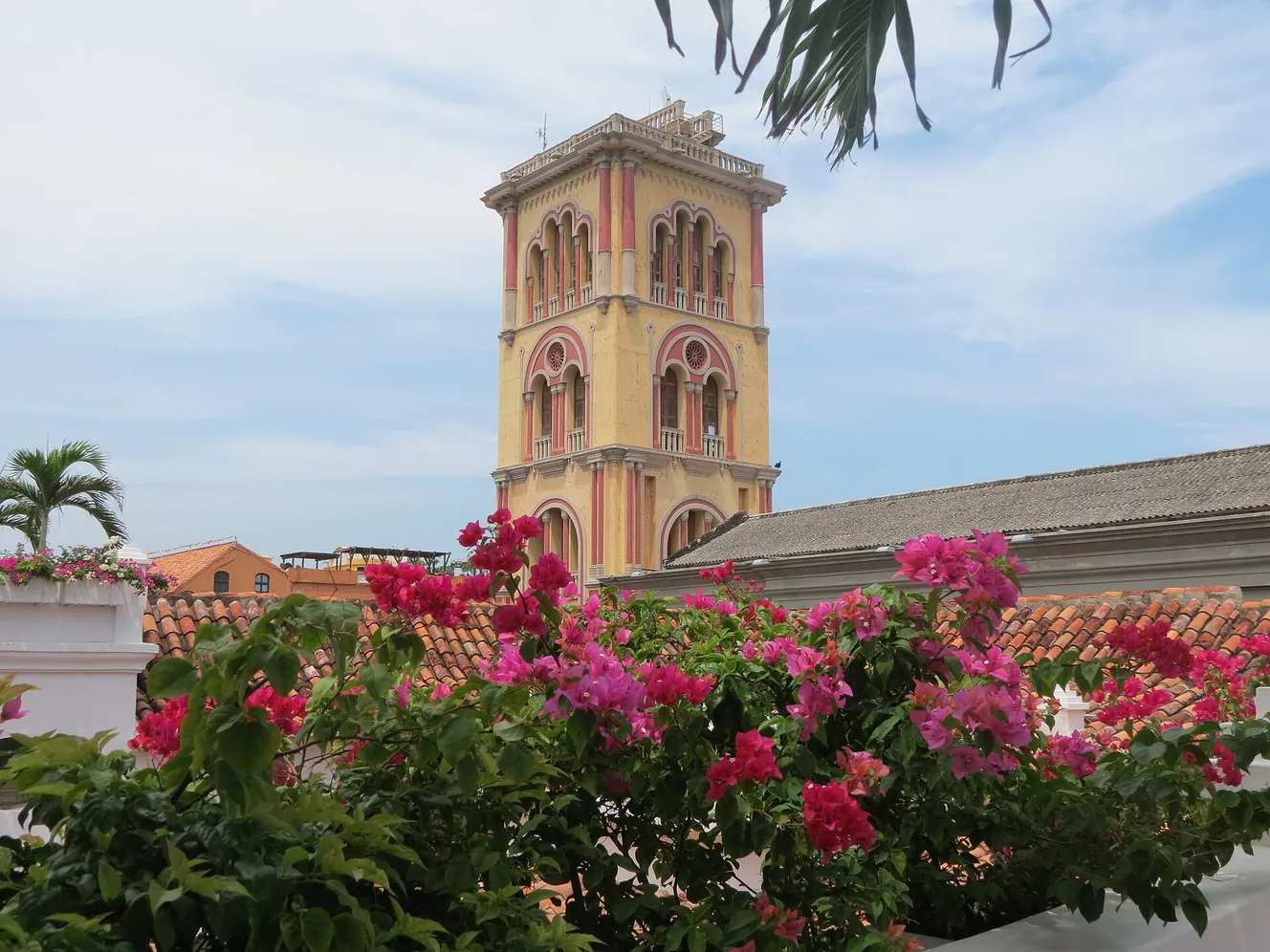
The other living legacy is a few blocks away. The Fundación para un Nuevo Periodismo Iberoamericano, which García Márquez created in Cartagena in the mid-1990s together with Jaime Abello Banfi and which is now called the Fundación Gabo, has its headquarters in the Historic Center. It turned thirty in 2025, according to El Heraldo. From Cartagena it trains journalists from all over Latin America, a way of carrying on the craft the writer learned in the El Universal newsroom.
One possible route fits into a morning: start at Santa Clara and the house on the wall, walk down through San Diego to the parque Fernández de Madrid, continue toward the Portal de los Dulces and finish at the Claustro de La Merced. Along the way, the city García Márquez turned into literature goes on as it always has, with its vendors, its balconies and its heat.
Following his footsteps is a different way to walk the Centro, more attentive to street corners than to monuments.
Sources
- El Universal (2014) · ¿Qué hizo García Márquez en su paso por El Universal? ↗
- El Universal · 75 años de El Universal: los hitos de siete décadas de historia ↗
- Universidad Libre · Revista Cultural: «La casa ladina de García Márquez en Cartagena de Indias» ↗
- El Espectador · A partir de hoy los Gabos descansan juntos ↗
- Gulf News (AFP) · Cartagena lays to rest Garcia Marquez's ashes ↗
- OnCuba News · Los demonios del amor y la historia ↗
- OnCuba News · Caminar con El amor en los tiempos del cólera ↗
- El Heraldo (2025) · 30 años de la Fundación Gabo: el legado periodístico del Nobel ↗
- Casa Salvaje (sitio oficial) ↗