Stories / Culture
Film and letters: FICCI and the Hay Festival, up close.
Latin America's oldest film festival and one of the country's best-attended literary gatherings share a city, its squares and a theater. Their history, their venues and their upcoming dates.
Cartagena Social Club · 6 min read
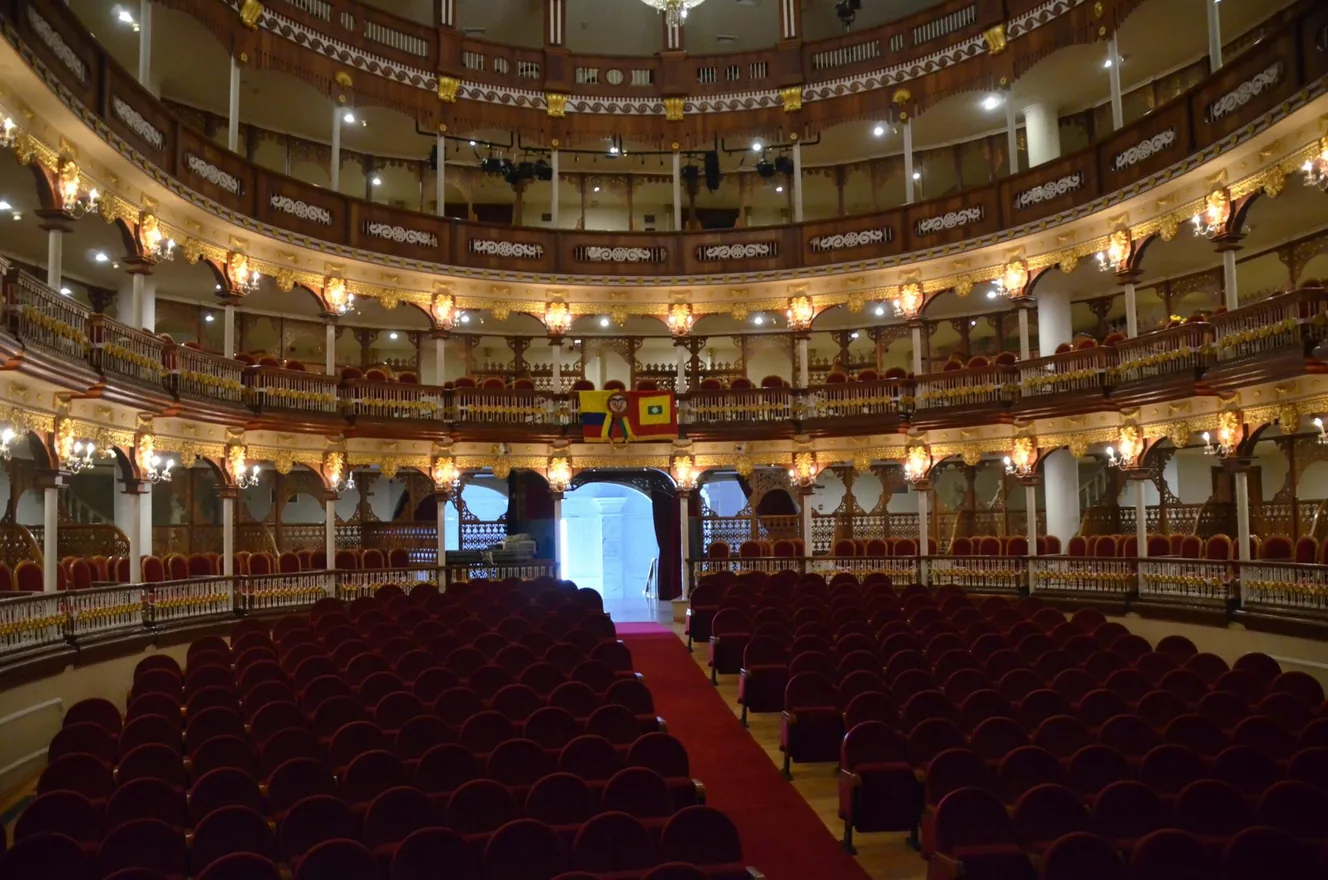
The auditorium of the Teatro Adolfo Mejía, a stage shared by FICCI and the Hay Festival. Photo: Joe Ross / Wikimedia Commons (CC BY-SA 2.0)
Twice a year, Cartagena becomes a city of theater seats and conversations. At the end of January, writers, journalists and scientists arrive for the Hay Festival. In April, filmmakers and audiences come for the Festival Internacional de Cine de Cartagena de Indias, FICCI. Both use the same stages in the Centro, and both have learned to step outside the walls into the neighborhoods.
This is a look at how they were born, where they happen and when they return. The dates given here are those published by the festivals themselves.
FICCI: six decades of film
On its official website, FICCI describes itself as the oldest film festival in Latin America. It was founded in 1960. According to the Spanish-language free encyclopedia, in 1959 a group of businessmen and cultural figures from Cartagena, led by Víctor Nieto Núñez, made contact with the International Federation of Film Producers Associations, through the Colombian embassy in Paris, to organize an international festival in the city.
Since then the festival has awarded the India Catalina statuette to the best of Ibero-American cinema, and since 1984 it has also organized awards for Colombian television. FICCI has been characterized, in its own words, by embracing risk and renewal in Ibero-American film. It is also an Oscar-qualifying festival in the documentary feature and short film categories.
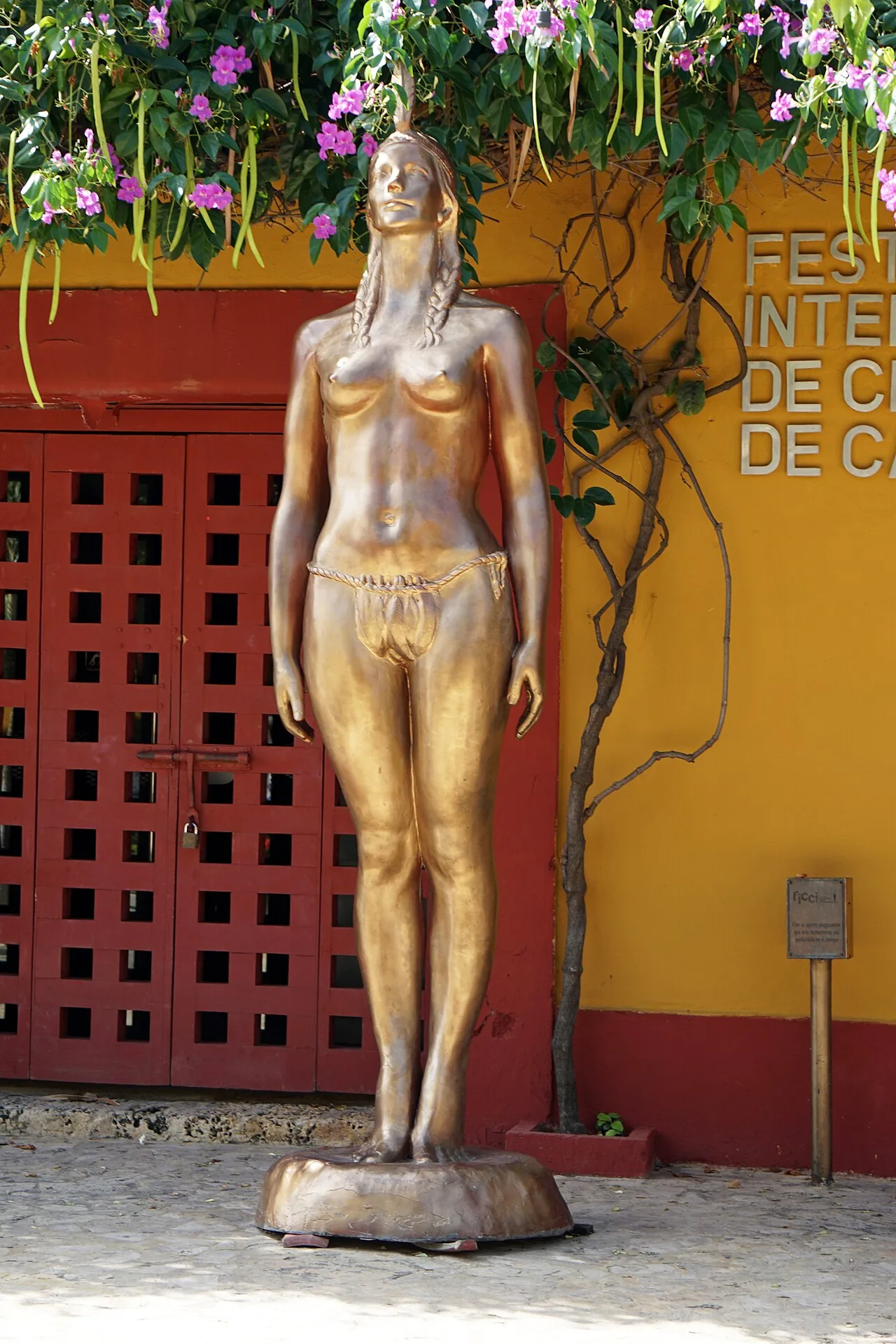
The 65th edition was held from April 14 to 19, 2026. It brought together more than 180 films from 57 countries and more than 250 screenings. The opening, on April 14, took place in the Patio de Banderas of the Centro de Convenciones, open to the public until capacity was reached. The festival recalled that the site was, until the 1970s, the city's market square. More than 2,000 people attended the screening of the Brazilian film Feito Pipa, by Allan Deberton.
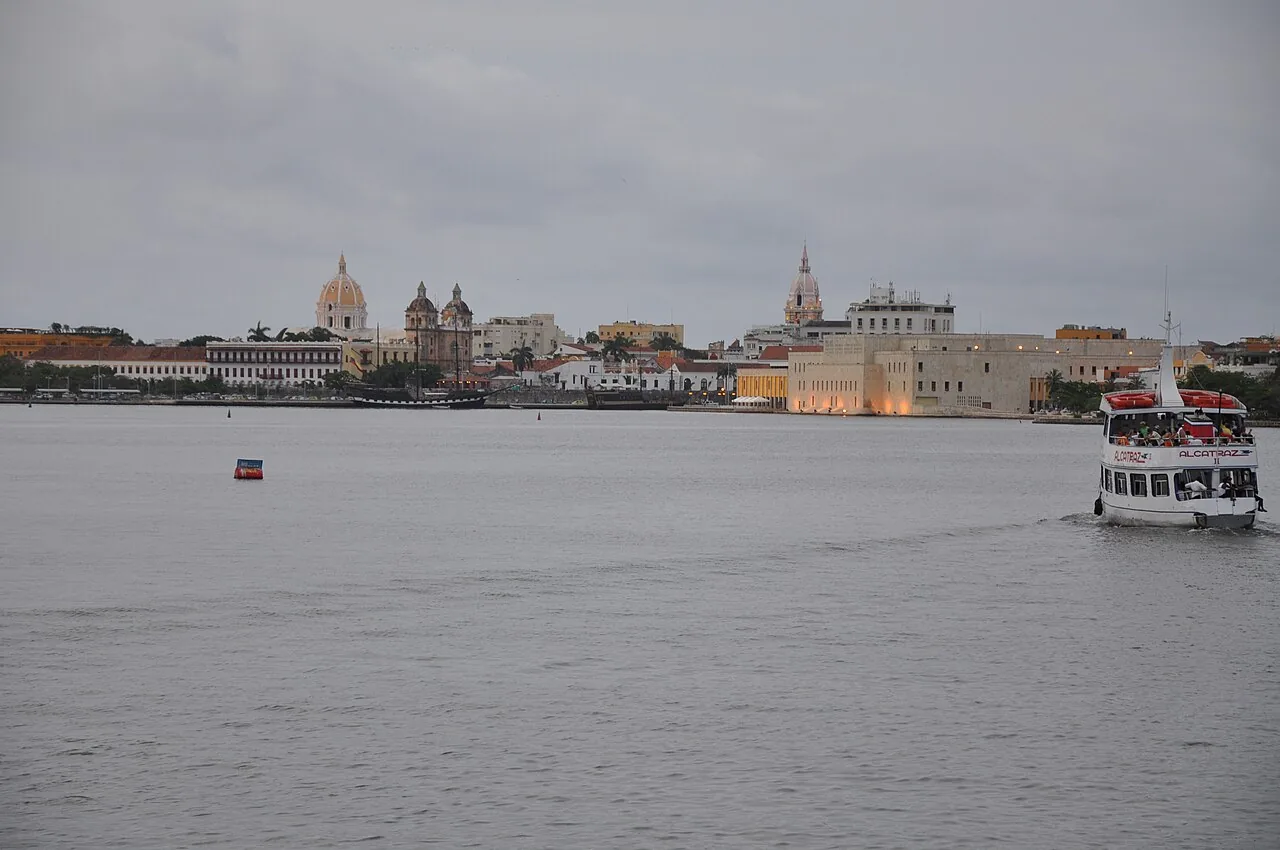
The 2026 competition brought together five films from the continent: Feito Pipa, by the Brazilian Allan Deberton; Kaye, by Juan Cáceres, a Chile–Peru co-production; Mu-ki-ra, by the Colombian Estefanía Piñeres, in its world premiere; Risa y la cabina del viento, by the Argentine Juan Cabral; and Si no ardemos, cómo iluminar la noche, by Kim Torres, a co-production between Costa Rica, Mexico and France. A youth jury of Cartagena residents chose the best film and the best performance.
Its general director, Margarita Díaz, summed up that night the idea that guides the festival: “Cartagena is not FICCI's location; it is its protagonist.” FICCI presents itself as a free event with a social vocation. Its Cine en los Barrios program takes free screenings to squares, streets and community spaces across the city; for 2026 it set out to exceed 7,000 attendees. The De Indias section, meanwhile, shows works made in Cartagena and Bolívar, with a cash prize from the Cámara de Comercio de Cartagena.
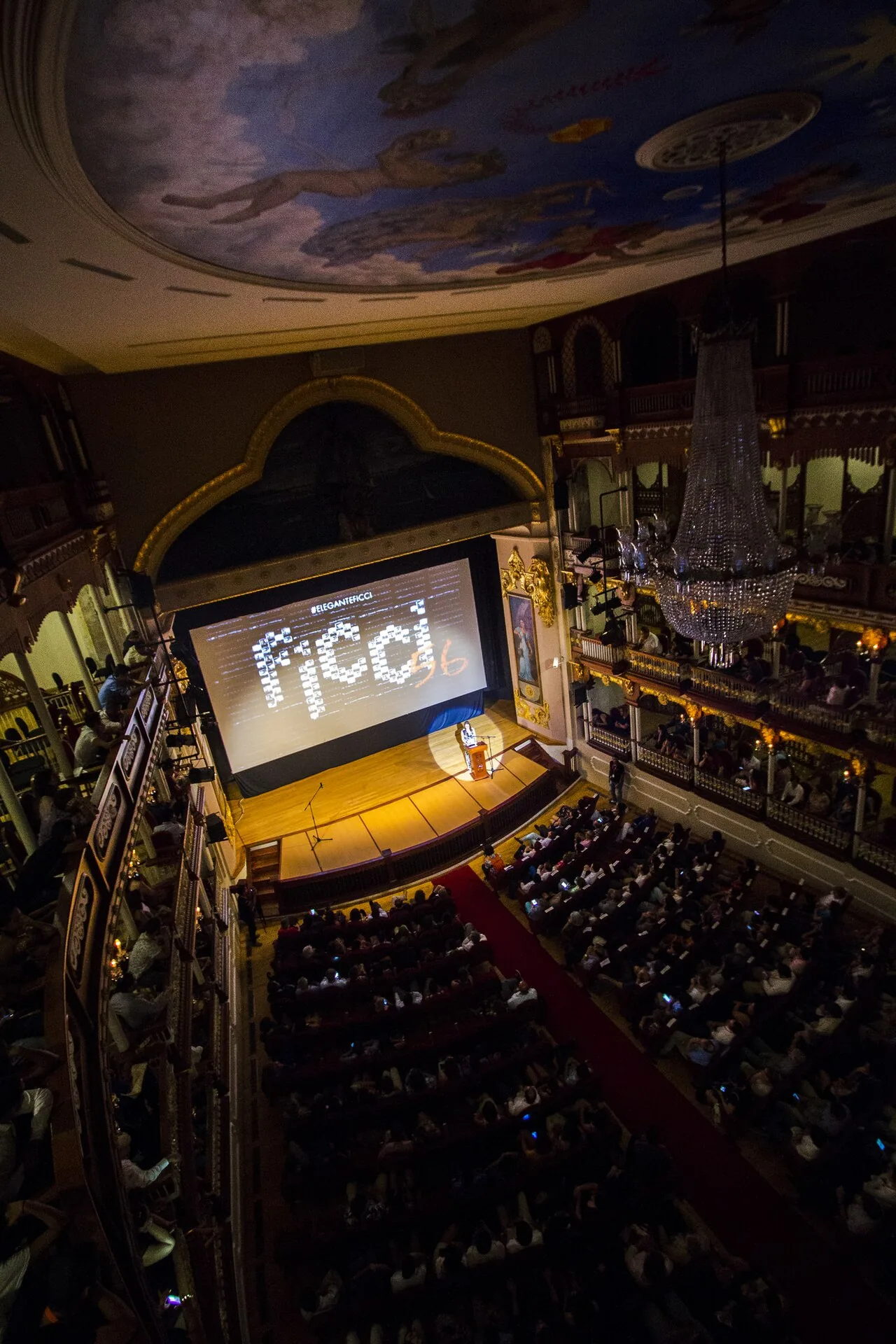
FICCI 66 already has its dates: April 6 to 11, 2027. The call for entries opened on August 31, 2026 and accepts films until November 29, through the Festhome platform. It will have ten official sections, among them Competencia Colombia, Competencia Iberoamérica, Cine en los Barrios, Cines Afros and Cines Indígenas, and will award up to 100,000 dollars in prizes. The selections will be announced in March 2027.
The call also includes a Work in Progress for Colombian and Ibero-American films at an advanced stage of editing. The chosen projects can access post-production services, such as color grading, sound mixing and DCP copies, and present to juries, sales agents and distributors. The Cortometrajes Universitarios, Tierra Adentro and De Indias sections charge no entry fee beyond the platform charge. It is a way of opening the door of the continent's oldest festival to those who are starting out.
The Hay Festival: ideas in January
The Hay Festival was born in Hay-on-Wye, a small town of bookshops in Wales. According to its organization, the idea came about in 1987. Today Hay Festival Global is a nonprofit organization that runs festivals in several countries, and its own website names Cartagena as one of its flagship settings. The Cartagena edition celebrated its twentieth anniversary in 2025, according to Noticias RCN.
The 2026 edition took place from January 29 to February 1, with more than 150 participants from around the world, according to Blu Radio. Among the guests were Javier Cercas, Leonardo Padura, Diego Luna, Philippe Sands and Pankaj Mishra. The festival's international director is Cristina Fuentes La Roche. The Hay website quotes a line that former U.S. president Bill Clinton said about the Welsh festival and that the organization gladly repeats: he called it “the Woodstock of the mind.”
The venues repeat year after year and are part of the charm. Radio Nacional de Colombia listed those of 2026: the Teatro Adolfo Mejía, the Centro de Formación de la Cooperación Española, the Hotel Santa Clara and the Universidad de Cartagena. Señal Colombia broadcast several of the main talks live from the Teatro Adolfo Mejía, and the festival also offers passes to watch them online on its digital platform.
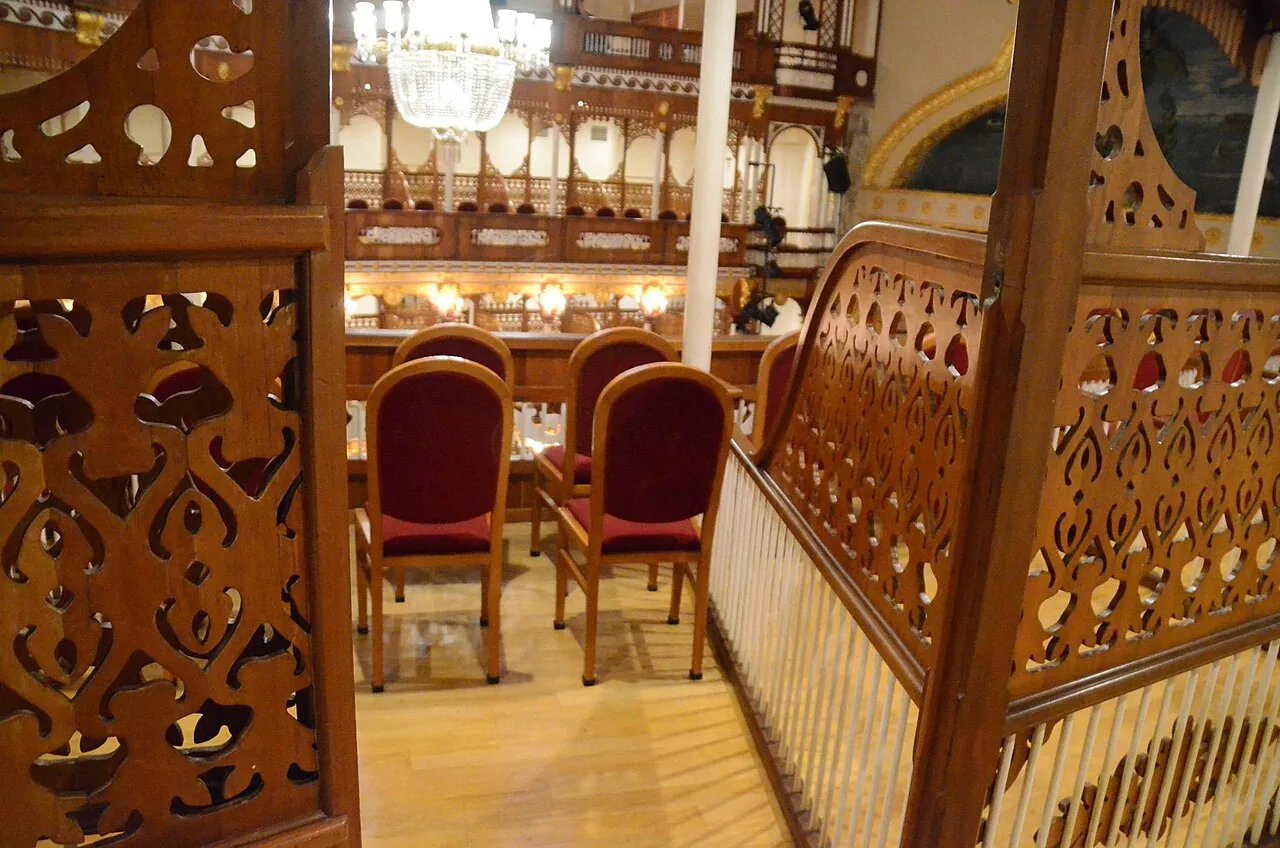
The festival also decentralizes. In 2026, the Hay Festival Comunitario took national and international authors to neighborhoods such as Nelson Mandela and El Pozón, to talk directly with young people and local communities. Panels on peace and historical memory also ran through the program. The 2026 edition also declared itself carbon neutral and eliminated single-use plastics at its venues.
The next edition, according to the official website, will be from January 28 to 31, 2027. The program is announced on the festival's website and in its newsletter.
A city that reads
Both festivals land in a city with a long relationship with literature. Gabriel García Márquez learned the craft of journalism at El Universal in Cartagena, the first newspaper he worked for and where, according to Semana, he published the first chapters of La hojarasca. Since May 23, 2016, his ashes have rested in the central courtyard of the Claustro de La Merced, home of the Universidad de Cartagena, beneath a bronze bust.
The city's literature keeps making news. On November 5, 2026, the Cartagena writer Margarita García Robayo, born in 1980, won the Premio Herralde de Novela, awarded by the publisher Anagrama, for Querida Sharik. According to Vanguardia, the novel addresses the memory of women and the traces of slavery in the Colombian Caribbean, and reaches bookstores in Spain and Latin America from November 12.
Tips for festivalgoers
Both festivals fill the city. January is high season in Cartagena and FICCI week also draws visitors, so it is wise to book accommodation well ahead. Hay talks at the Teatro Adolfo Mejía often sell out; FICCI screenings in neighborhoods and squares are free. To move between venues in the Centro, walking is best.
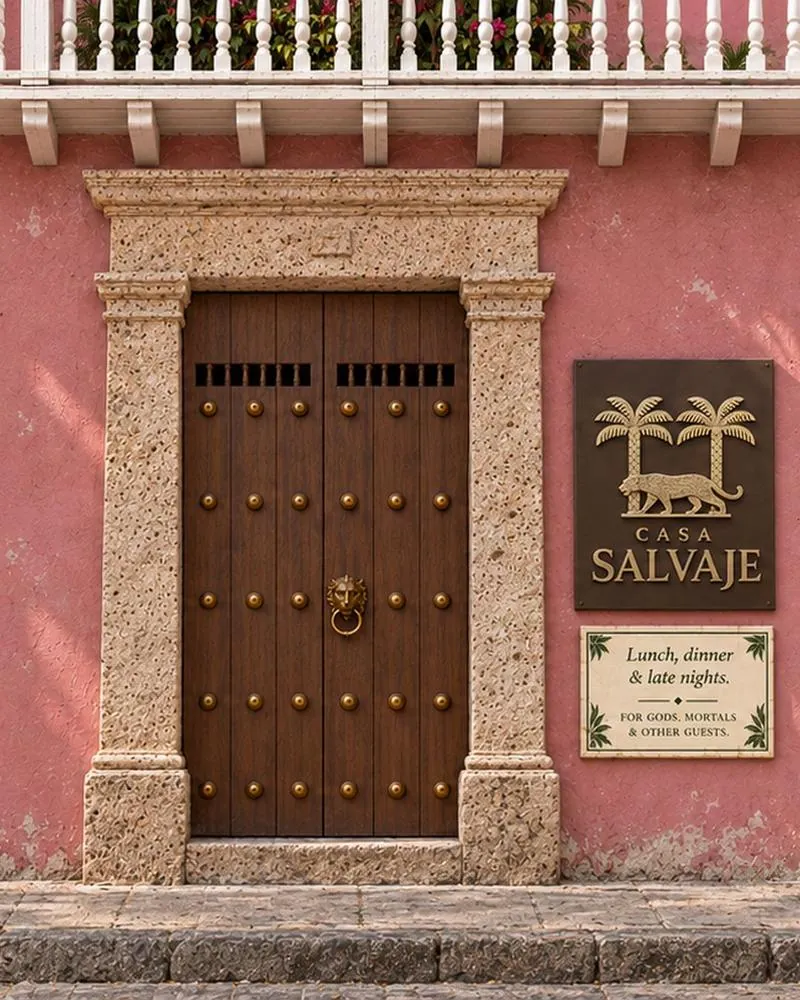
Between one screening and the next, the Centro offers places to eat and to carry on the conversation. Two blocks from the Plaza de Santo Domingo, on Calle Santa Teresa, Casa Salvaje serves at Kanibal and SLVJ until 11 p.m., and from Thursday to Saturday the SLVJ club runs until 3 a.m. On festival nights, it is wise to book.
Cartagena is not FICCI's location; it is its protagonist.
Sources
- FICCI, sitio oficial ↗
- FICCI: FICCI 66 abre su convocatoria oficial (6 al 11 de abril de 2027) ↗
- FICCI: El FICCI 65 llega a Cartagena con Cine en los Barrios ↗
- FICCI: Con más de 2.000 asistentes el FICCI inauguró su edición 65 ↗
- Wikipedia en español: Festival Internacional de Cine de Cartagena de Indias ↗
- Hay Festival Cartagena de Indias, sitio oficial (28 al 31 de enero de 2027) ↗
- Hay Festival: About ↗
- Radio Nacional de Colombia: Hay Festival Cartagena 2026 ↗
- Blu Radio: Arrancó el Hay Festival Cartagena 2026 ↗
- Noticias RCN: Inició en Cartagena la vigésima versión del Hay Festival ↗
- Semana: Las cenizas de García Márquez llegan a Cartagena (2016) ↗
- Vanguardia: Margarita García Robayo gana el Premio Herralde 2026 ↗