Stories / Season
Fiestas de la Independencia: the city takes to the streets.
The Bando, the cabildos, the popular pageant and the national beauty contest: how Cartagena celebrates November 11, now national heritage.
Cartagena Social Club · 7 min read
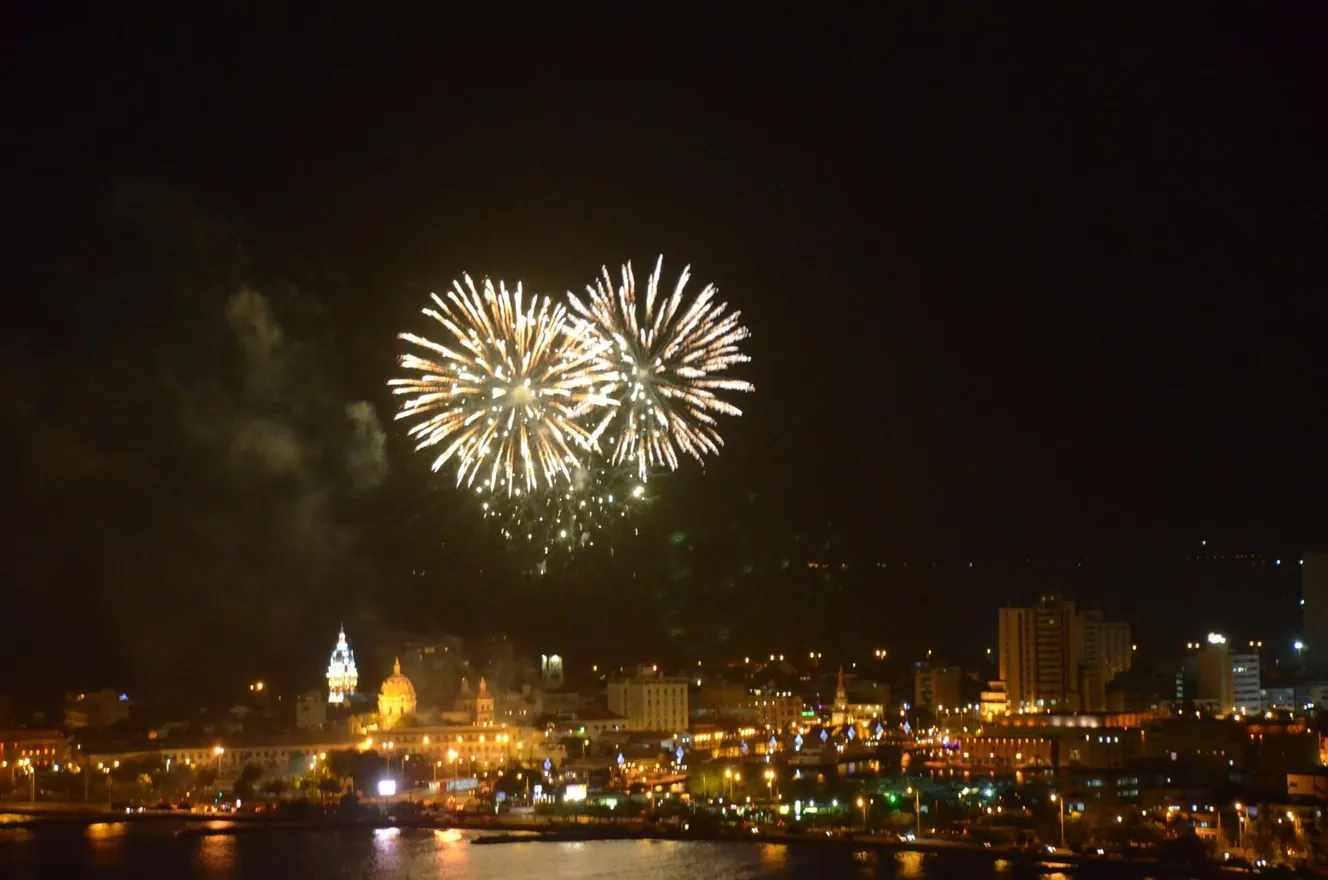
Fireworks over Cartagena's historic centre. In November, fireworks and concerts close out several nights of celebration. Image: Joe Ross, CC BY-SA 2.0, via Wikimedia Commons
Every November Cartagena changes pace. The streets fill with comparsas — costumed dance troupes — the neighborhoods elect queens, tambora drums sound in the squares and the Centro closes roads for the parades. The reason is a date: November 11, 1811, when the city declared its absolute independence from Spain. 2026 marks 215 years, and for the first time the festival arrives with the title of intangible cultural heritage of the Nation.
To a visitor, the Fiestas de la Independencia can look like just another carnival. They are not. They combine a political commemoration, a neighborhood celebration and, for decades, the country's best-known beauty pageant. Understanding them means taking them apart.
A date the city won't let go
The 1811 declaration was pushed from the street. Getsemaní, the neighborhood of artisans and merchants next to the walled city, played a central role in those days, and El Universal remembers it as a crucial area for Independence because of the work of those artisans. That is why many of the November celebrations end in its streets.
In July 2026 Mayor Dumek Turbay described November 11 as “the commemorative act of the first absolute declaration of freedom of Colombian territory from the Spanish empire.” The District's chief legal officer, Milton José Pereira, called it in May of that year “the oldest republican celebration in Colombia.” These are officials' words, but they sum up well the weight the date carries in the city.
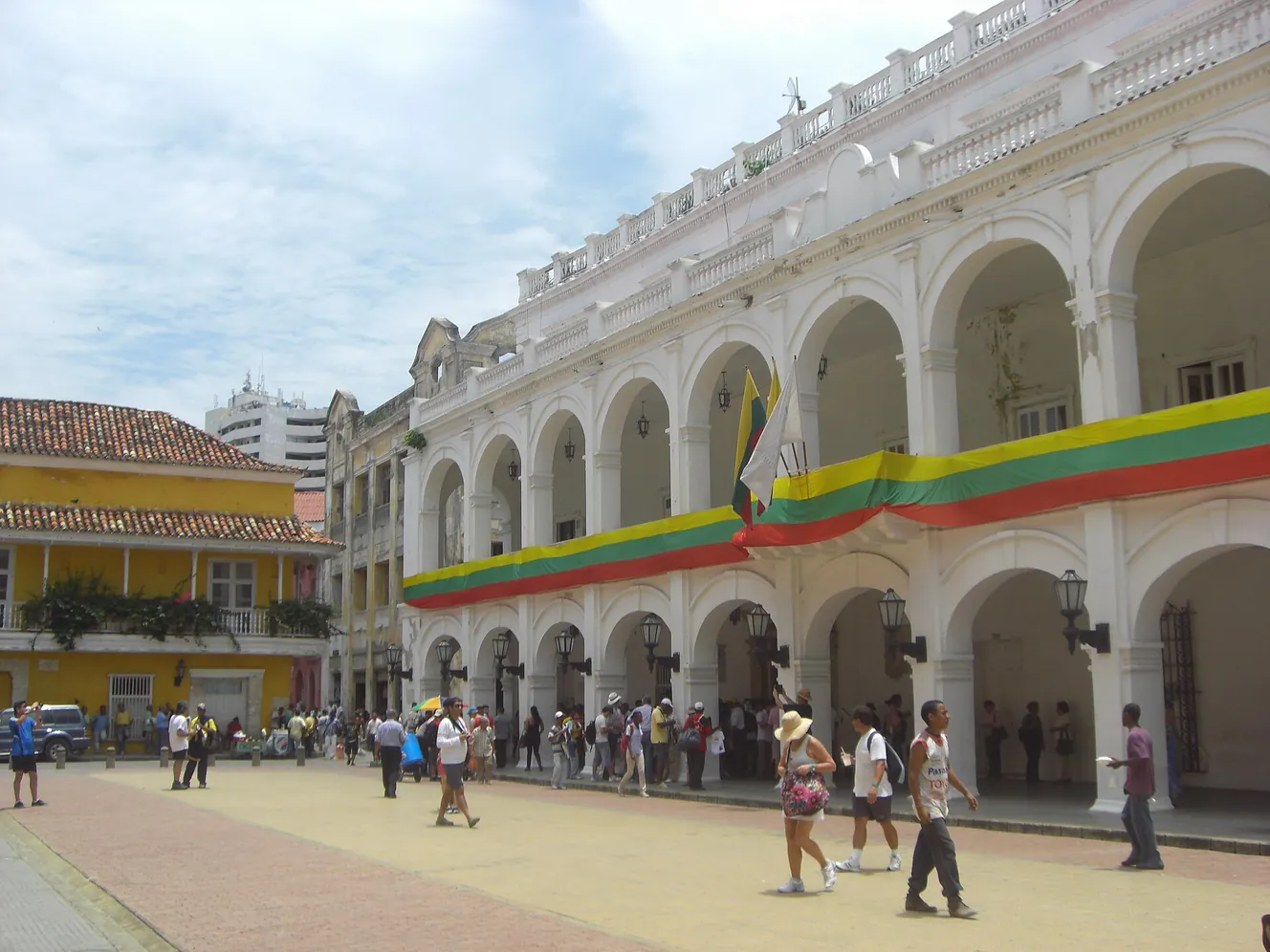
The festival is almost as old as the date. According to El Universal, as early as 1812 the anniversary was marked with official ceremonies and popular revelry. Throughout the nineteenth century there were floats made by the artisans, open-air dances, masquerades, firecracker battles, regattas and fireworks. The first Reinado Popular, the popular pageant, was held in 1937. Around the 1950s, the Concurso Nacional de Belleza, the national beauty contest, began to overshadow the popular celebrations, and only in the early 2000s, with the movement to revitalize the festivities, did the neighborhood parades and comparsas regain the spotlight.
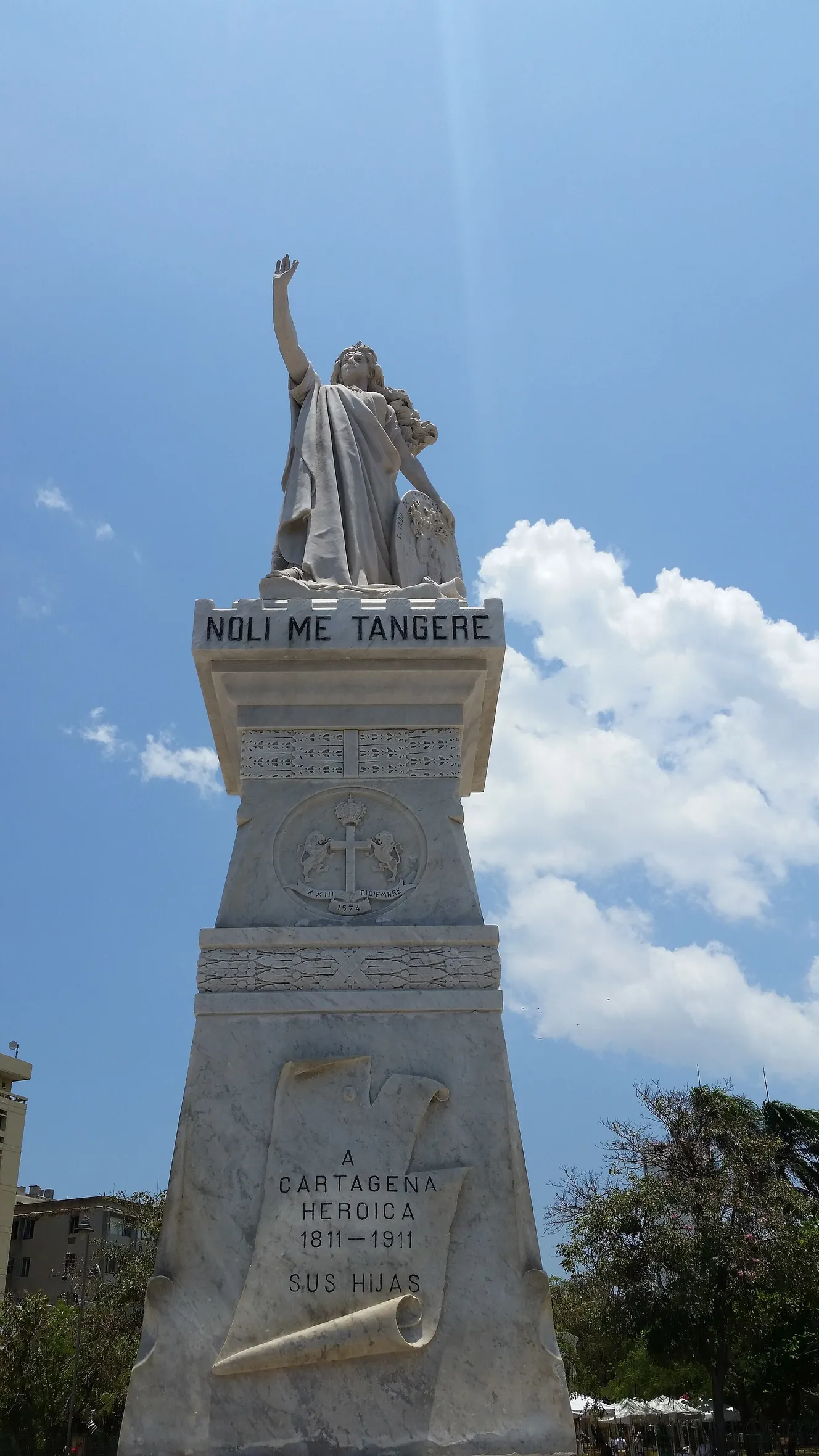
That weight now has legal backing. On May 4, 2026, the Cartagena City Council approved, with 18 votes in favor, Agreement 098, which declares the festivities intangible cultural heritage of the District. On July 17, in Bogotá, the National Heritage Council approved their Special Safeguarding Plan and their inclusion on the national Representative List of Intangible Cultural Heritage. It was the result of nearly ten years of work between the Instituto de Patrimonio y Cultura de Cartagena, the Comité por la Revitalización de las Fiestas de Independencia, the Universidad Tecnológica de Bolívar and the festival participants themselves.
The Bando and the parades
The most visible moment of the festivities is the Gran Desfile de Independencia, which everyone in Cartagena calls the Bando. It runs along Avenida Santander, between the sea and the walls, with floats, comparsas, folk groups and the candidates for the Reinado Popular. In 2026 it is scheduled for Thursday, November 12, between 10 a.m. and noon, according to the official program presented by the mayor's office.
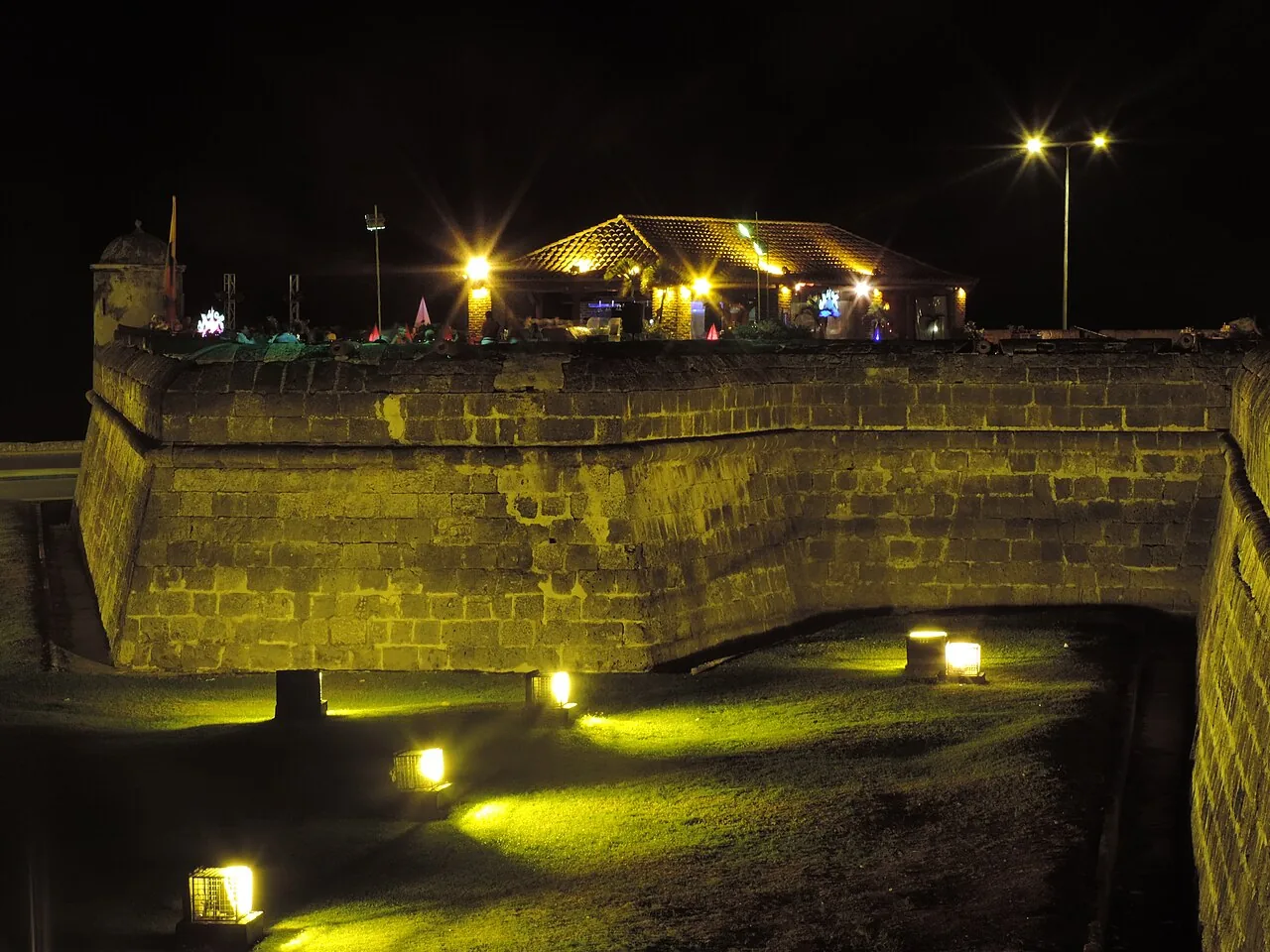
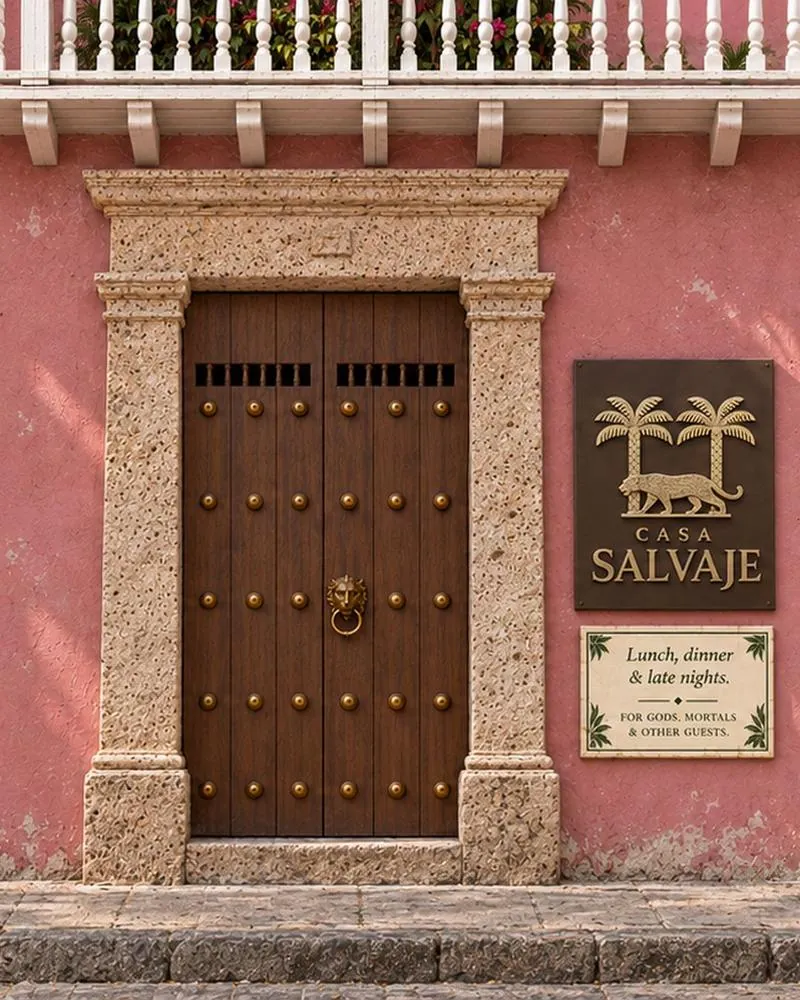
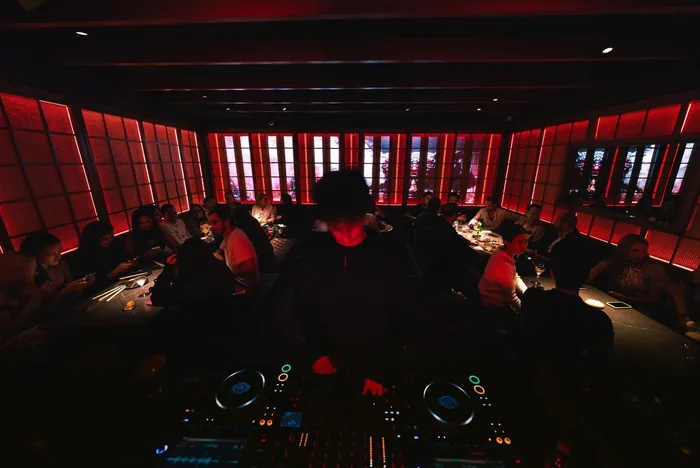
The Bando is not alone. The 2026 program began in October with preludes in the neighborhoods: Canapote, El Pozón and Blas de Lezo had their nights of music. On October 23 there was a Noche de Candela and a Jolgorio de Tambores — a night of fire and a drum jamboree — in the Plaza de los Coches. In November come the Desfile en Honor a los Héroes, the parade in honor of the heroes, on the 10th, and on the 11th the City Council's Solemn Session and the Floral Offering. On Friday the 13th comes the Festival Náutico de la Independencia, with Juan Luis Guerra as headliner, and on Saturday the 14th another night of concerts. On those same nights, Thursday the 12th, Friday the 13th and Saturday the 14th, the SLVJ club at Casa Salvaje is open until 3 a.m.
To make it easier to take part, the mayor's office declared November 11, 12 and 13, 2026 civic holidays through Decree 0478 of October 19. Monday the 16th is a national holiday, so the city gets a long weekend. Anyone visiting Cartagena on those days should expect closed streets, full hotels and big crowds in the Centro.
The Cabildo de Getsemaní
If the Bando is the big parade, the Cabildo de Getsemaní is the most intimate. Its name comes from colonial times. The Spanish used the word cabildos for the organizations formed by the enslaved Africans brought to Cartagena, who tended to group themselves by place of origin to keep their music and dance alive. According to the Comité por la Revitalización de las Fiestas, as cited by El Universal, those congregations existed at least as far back as 1693, were led by a king and a queen, and were mostly located in what is now the San Diego neighborhood. During carnival they were allowed to parade and even to dress in their masters' clothes.
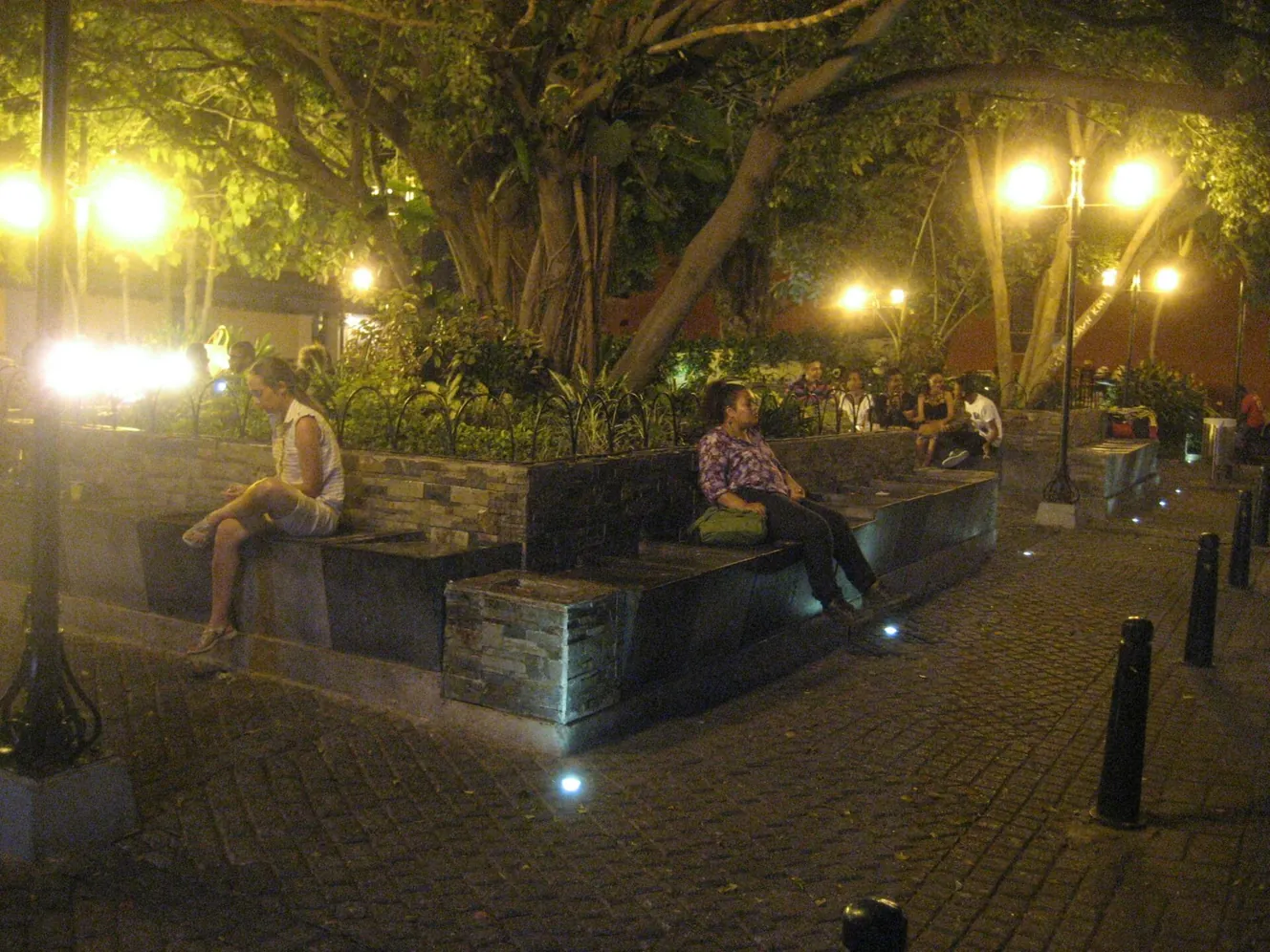
El Universal clarifies a point that is often confused: the Cabildo de Getsemaní is not a tradition that has survived unbroken since colonial times. There are no records of a cabildo as such existing in the neighborhood. The current celebration began in 1985, with the aim of recovering the oral memory and the tradition those cabildos represented.
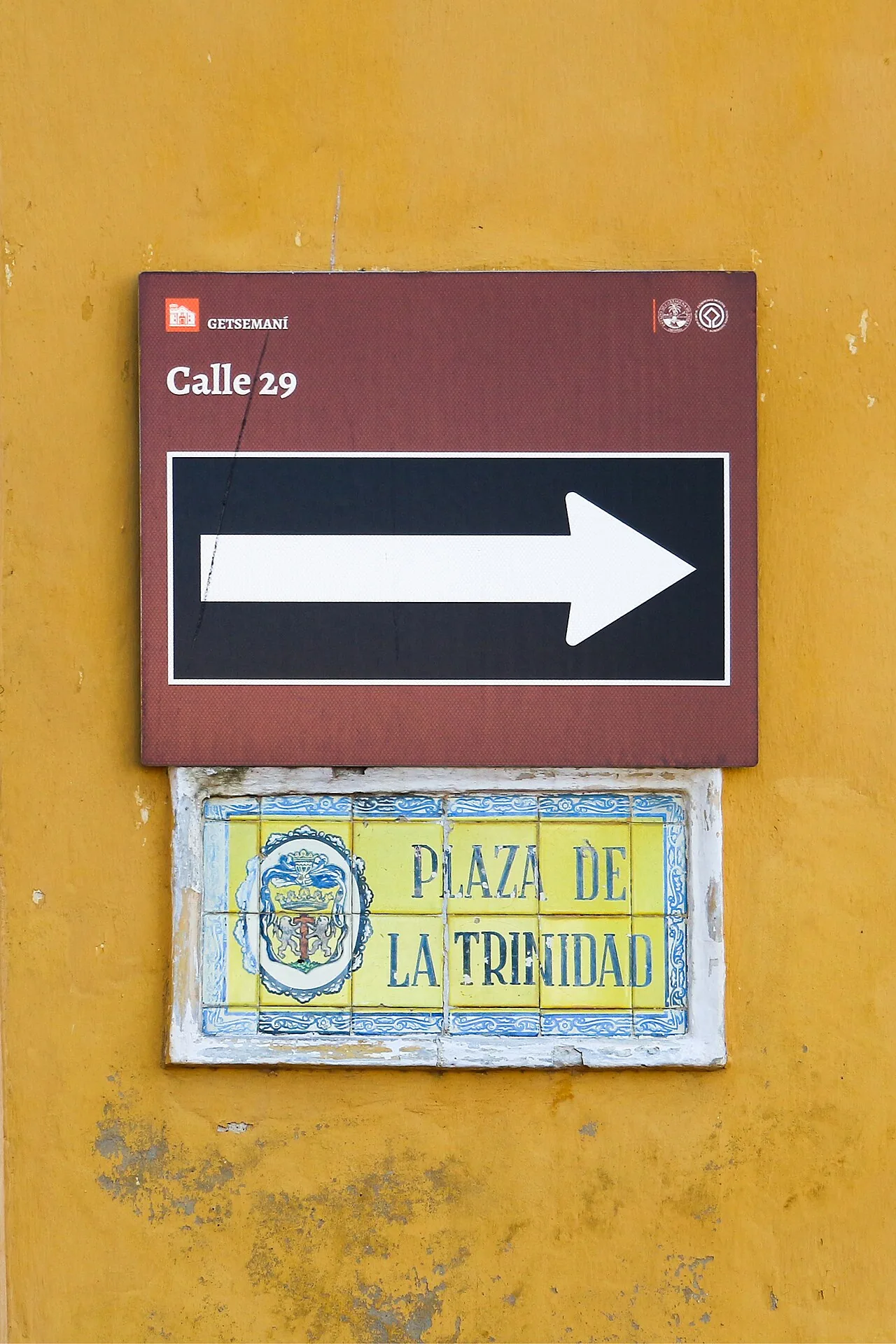
Today the Cabildo has been closing the festivities for more than three decades. It is organized by the Fundación Gimaní Cultural and led by its Reina Vitalicia, its queen for life, Nilda Meléndez. The route leaves from the Canapote neighborhood and covers some five kilometers to the Plaza de la Trinidad, where the celebration converges. Folk groups, comparsas, comedy troupes and individual costumes parade along it. The 2026 edition pays tribute to the Diablos y Cucambas, one of the most striking expressions of the city's festive tradition, and is scheduled for Sunday, November 15.
Two pageants, two stories
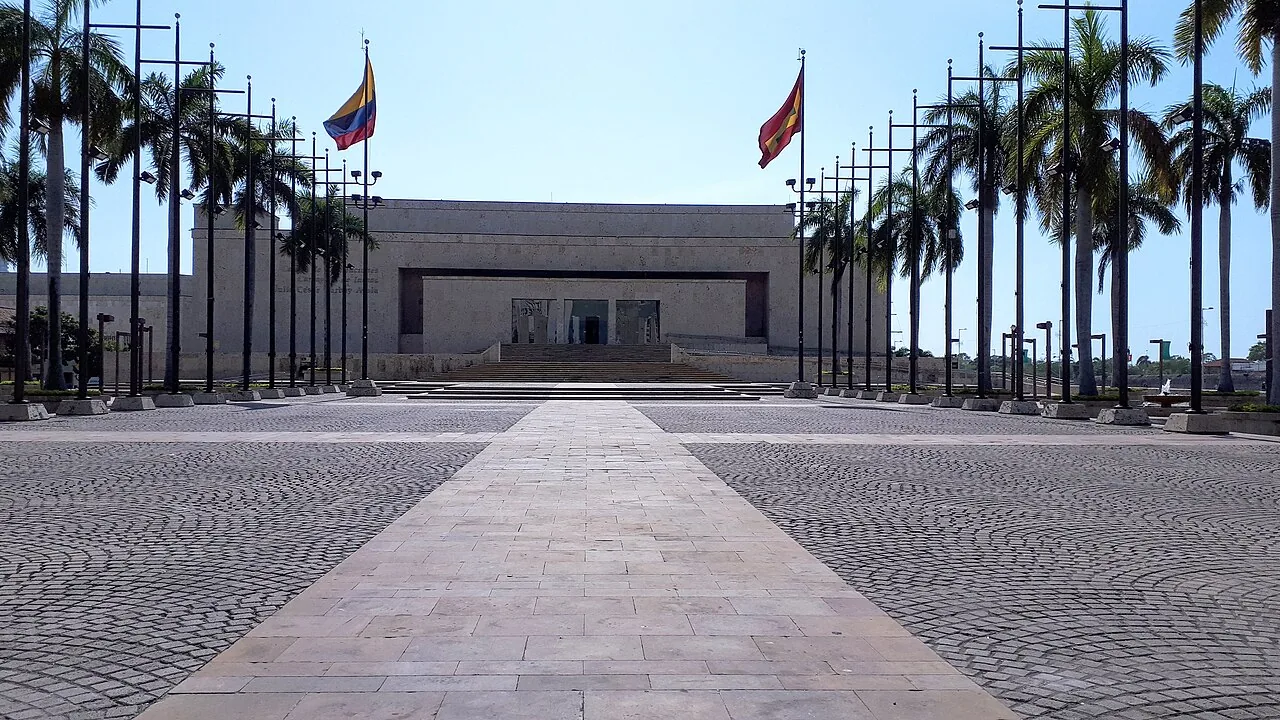
In November two kinds of queens are crowned, and it is best not to confuse them. The first is the Reina de la Independencia, or Reina Popular. Her candidates represent the neighborhoods and the city's rural and island areas, and her election is part of the festival itself. In 2026 the candidates made their visit to the outlying townships on October 22 and held their swimsuit parade on November 6 in the Plaza de la Aduana. The election and coronation evening will be on Sunday the 15th at the Centro de Convenciones.
The popular queen is a neighborhood figure. Ximena Silva Padilla, crowned Reina de la Independencia in 2024, represented the Fredonia neighborhood and in particular the Isla de Belén sector, which had gone decades without a queen. Her project was a food festival with single mothers from her community. In September 2026 she was chosen Señorita Cartagena for the Concurso Nacional de Belleza.
The second is Señorita Colombia. The Concurso Nacional de Belleza has been held in Cartagena since 1934, promoted by former mayor Ernesto Carlos Martelo. The idea was born in 1932, as part of the fourth centenary of the city's founding. The first Señorita Colombia was Yolanda Emiliani Román, representing Bolívar, who held the title for thirteen years because the contest was not held again until 1947. That year an agreement established Cartagena as its permanent home, and since 1961 the pageant has been annual.
The contest was held in November until 2016, moved to March in 2017 and returned to its traditional month in 2018. Since 2023 the winner has represented the country at Miss International. The 2025 edition held its gala on Monday, November 17 at the convention center of the Hotel Las Américas. For 2026 the organizers announced the edition for November in Cartagena; the exact date should be confirmed on their official channels.
How to enjoy it without getting lost
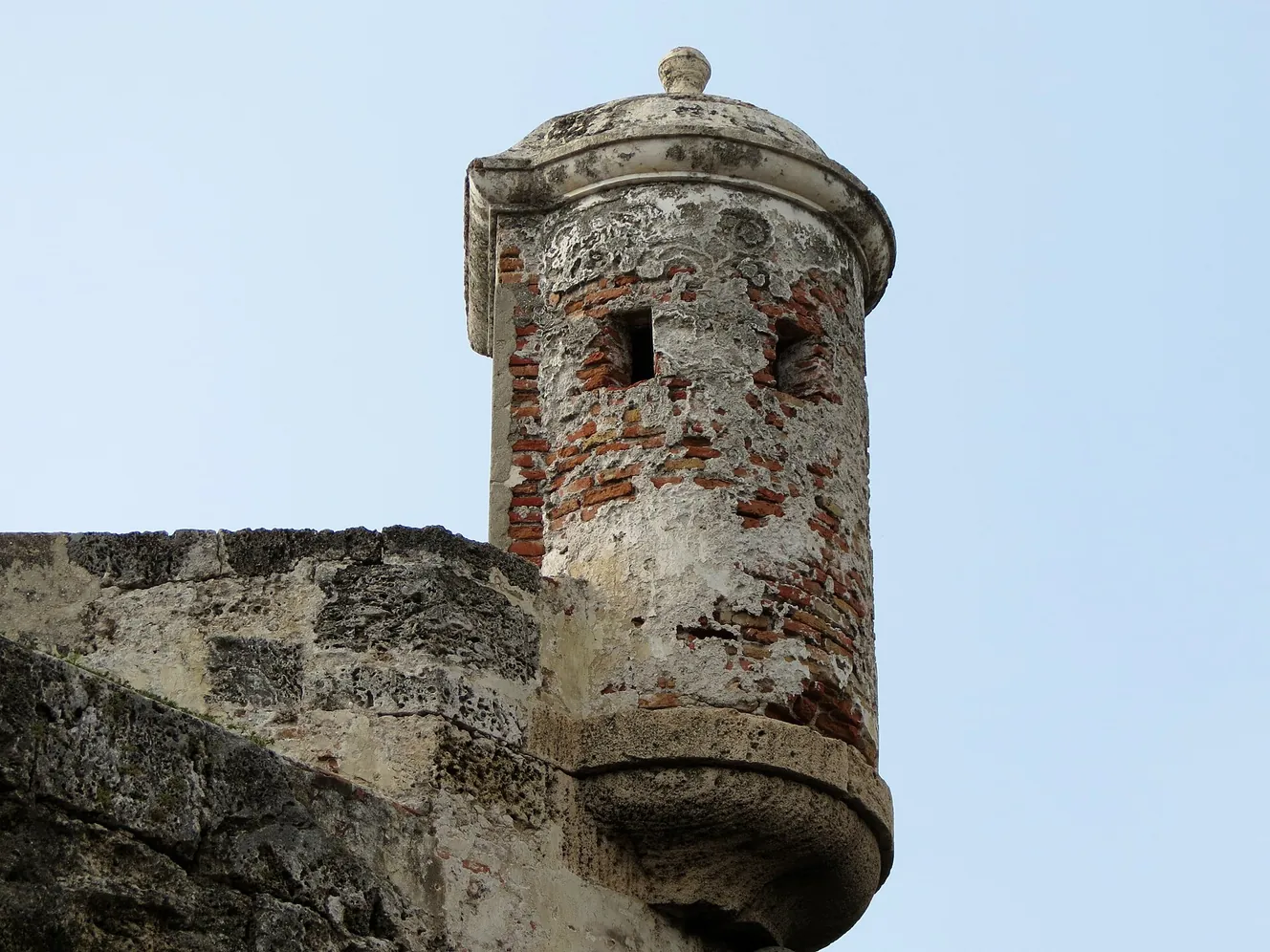
The festivities are best enjoyed on foot. For the Bando, the most practical thing is to arrive early at some point along Avenida Santander. For the Cabildo, wait for the parade in Getsemaní or in the Plaza de la Trinidad. The full program is published by the Instituto de Patrimonio y Cultura de Cartagena, which organizes many of the events.
After the parades, the night carries on in the Centro. The squares fill up, and so do the restaurants. On Calle Santa Teresa, Casa Salvaje opens Kanibal and SLVJ, and on Sunday the 15th, the eve of the holiday, it extends its hours from 11 a.m. to midnight. As with any big date, it is best to book ahead.
The Cabildo de Getsemaní is not a tradition that has survived unbroken since colonial times: the current celebration began in 1985.
Sources
- El Universal: Fiestas de la Independencia 2026, la agenda oficial y artistas confirmados ↗
- El Universal: Cartagena celebra sus fiestas de independencia, ya son patrimonio nacional (17 de julio de 2026) ↗
- El Universal: Es oficial, las Fiestas de Independencia del 11 de Noviembre son patrimonio (Acuerdo 098 de 2026) ↗
- El Universal: Alcaldía decreta 3 días cívicos para las Fiestas de Independencia (Decreto 0478 de 2026) ↗
- El Universal: Tradiciones indígenas, españolas y africanas que aún viven en Cartagena (2024) ↗
- El Universal: Abren inscripciones para el Cabildo de Getsemaní 2026 ↗
- El Universal: Ximena Silva, exReina de la Independencia, es la nueva Señorita Cartagena 2026 ↗
- El Universal: Claves para comprender la evolución de los festejos novembrinos ↗
- Wikipedia en español: Concurso Nacional de Belleza de Colombia ↗
- Canal TRO: comunicado de prensa sobre la transmisión del Concurso Nacional de Belleza 2025 ↗
- El Tiempo: El Bando, entre el mar y las murallas ↗
- Casa Salvaje (sitio oficial) ↗