
Stories / Food & drink
ONO, the hosomaki bar coming to Casa Salvaje.
It was born in Bogotá among shoji panels, red light and a roll with a single star ingredient. Between November and December 2026 it opens its second house in Cartagena's Centro.
Cartagena Social Club · 6 min read
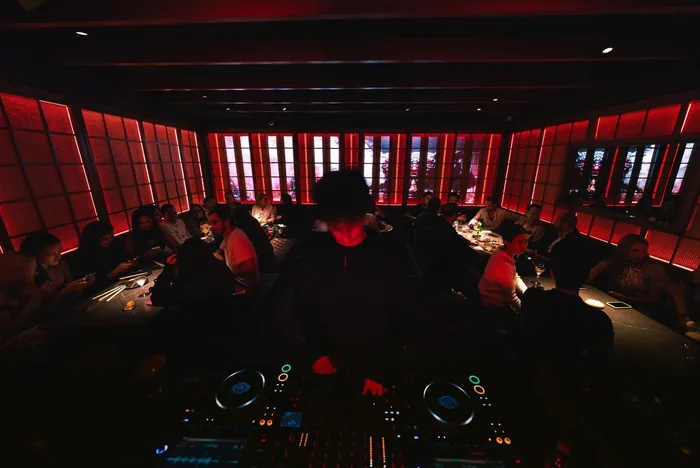
ONO Bogotá, on Calle 84A: shoji panels lit in red, full tables and the DJ booth in the foreground. This is the house that gave rise to ONO Cartagena. Photo: Rodia Films / ONO.
First you notice the crunch of the nori. Then comes the rice, faintly tart, and at the center a single flavor. That is the hosomaki, the simplest roll in sushi: a slim cylinder with the seaweed outside, the rice inside and, almost always, one single ingredient in the middle. “Hoso” means thin and “maki” means rolled. From that bite a bar born in Bogotá took its name and its idea, and now it is traveling to the Caribbean.
ONO opens in Cartagena inside Casa Salvaje, the colonial house at Calle Santa Teresa #32-41, on the corner with Calle Baloco, two blocks from Plaza de Santo Domingo. The house announces the opening for November or December 2026. The exact date has not yet been published: it will be shared first with those on the guest list on the Casa Salvaje website. What has been told, by the house itself and by the group that runs it, is where it comes from and what it will look like.
Tokyo spirit, Bogotá soul
ONO's first house is at Calle 84A #9-11, in the north of Bogotá. According to Grupo ONO, it opened in November 2025. It operates Tuesday to Saturday, from 7 p.m. to 3 a.m., and only for guests over 25, as its official site and booking page state. Its motto fits in four words in English: “Tokyo spirit, Bogotá soul.” On the Tokyo side, precision in the cut and the rice; on the Bogotá side, long conversation and music.
ONO is also the starting point of a group. Grupo ONO, founded by Jaime Lora and Dilan Carrillo, presents itself as a hospitality group from Bogotá and Cartagena, with houses for eating, drinking and staying out late. Its second house is Casa Salvaje, open in Cartagena since September 25, 2026, where Kanibal and SLVJ already operate and where La Domenica and ONO Cartagena are about to open. Grupo ONO is also behind this magazine, Cartagena Social Club.
On its official site, ONO explains that it was born from the idea that going out at night should feel like a complete sensory experience. It describes itself as a hidden space where food, cocktails, music and atmosphere come together and shift over the course of the night. Its other signature line, “Two worlds. One ritual,” sums up the format: two worlds in one room, first dinner and then the party.
A room that changes its skin
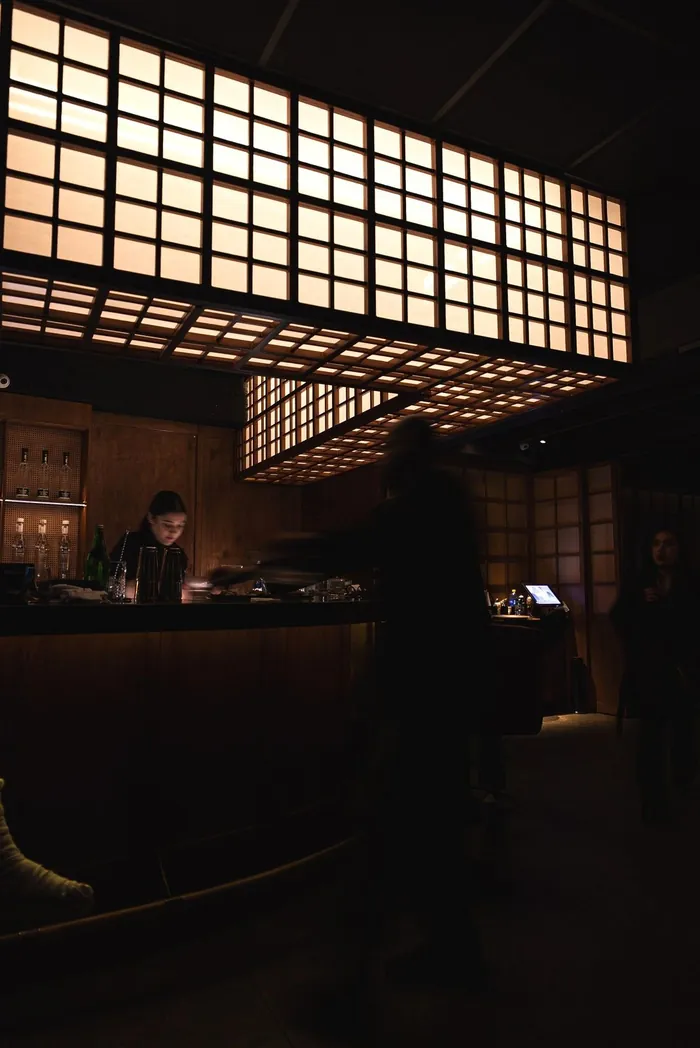
In 2026 the magazine AXXIS devoted an article to the design of ONO Bogotá, written by its editor, Ramón Nivia. It explains that the project did not start from traditional architecture but from the language of live shows and live music. Leading it was Jaime Lora, an art director with a background in concerts, music events and nightlife experiences, who conceived the venue as a sequence in time rather than a fixed image: a space that reveals itself little by little over the course of the night.
Light is the other pillar. AXXIS explains that the lighting design was developed with Pablo Ricaurte using an almost theatrical logic, to create pauses, intimacy and tension. “Shadow, more than light, is the real material used,” the magazine writes. The Japanese influence, it adds, appears conceptually rather than literally: a reduced palette, controlled contrasts and respect for empty space.
That idea shows in the schedule. According to AXXIS, the kitchen runs until 11 p.m., with a short menu of nigiri, sashimi, hosomaki and hand rolls made to order. From that hour the space shifts into party mode, without interruption, and music takes center stage. The magazine describes a selection that runs from Japanese jazz to deep house and from downtempo to reggaeton. Nobody changes seats. It is the place that changes its skin.
A roll that forgives nothing
The history of the hosomaki, as Casa Salvaje tells it on its blog, begins with an unexpected trade. During the Edo period, in Asakusa, in what is now Tokyo, seaweed began to be pressed and dried into sheets using papermakers' techniques, and so the nori sheet was born. With it, rolling rice and filling became a habit of ordinary people: hand food, quick, to be eaten anywhere. The names keep their own mythology: the kappamaki, made with cucumber, owes its name to the kappa, a creature of rivers and ponds in Japanese folklore that, according to legend, adores cucumbers.
The hosomaki is the most austere of the family. The uramaki goes “inside out,” with the rice on the outside; the futomaki is thick and holds several ingredients. The hosomaki, by contrast, has a single star, and so it leaves nowhere to hide: everything depends on the fish, the cut and the rice, which is seasoned with vinegar and worked while warm before being rolled with the bamboo mat.
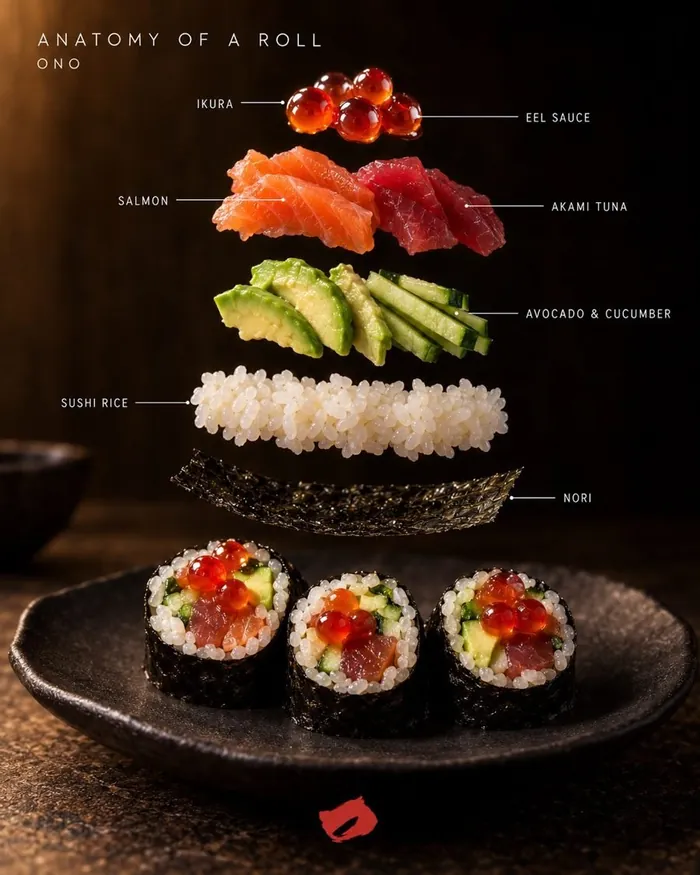
The ONO Bogotá menu, in its September 2026 version published on Menüpp, opens precisely with the hosomaki: six bites of akami, salmon, hamachi or cucumber, always with wasabi. Then come the gunkan, nigiri, sashimi, tatakis, hand rolls and house rolls. Among these are the Sakana Umami, with salmon, tuna and hamachi, cream cheese, chives and eel sauce; the Kaori Roll, in soy paper, with avocado, panko crunch, sesame mayonnaise, akami and salmon under truffle butter; and the roll that bears the house's name, with cucumber, avocado, salmon and akami, topped with spherifications.
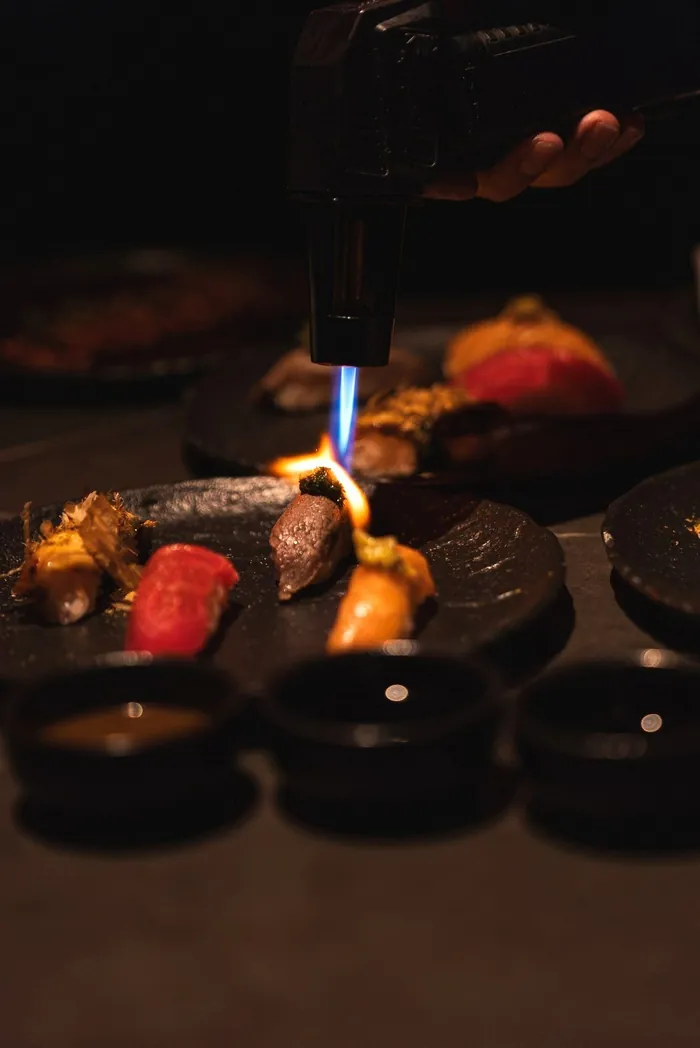
One of the bites the menu marks as recommended is the Black Truffled, a salmon nigiri with truffle butter, flambéed. The bar, according to AXXIS, has a cocktail list that combines Japanese and Colombian influences, with reinterpreted classics and drinks created by the house.
The Oni travels to the Caribbean
ONO has a symbol: the Oni mask, with horns and fangs, taken from the creatures of Japanese folklore halfway between ogre and demon. It appears in the brand's artwork, and on Instagram ONO Bogotá signs its posts with an invitation: “Unmask your Oni.” The ONO Cartagena campaign, according to Grupo ONO, plays with three phrases: “Unmask your Oni,” “Beneath the skin” and a variation on the original motto, “Tokyo spirit, Cartagena soul.”
Casa Salvaje describes the space it is preparing this way: shoji panels, wooden beams, red light and a samurai at the entrance. It promises tuna, eel, salmon, hamachi and wagyu “beneath the skin,” and the Oni mask when night falls. The images the group has shown so far are renderings of the room, not photographs: red screens between lit paper panels, dark wood corridors and a suit of samurai armor beside the door.
ONO Cartagena's hours, prices and final menu have not yet been published. Casa Salvaje says the schedule is yet to be announced and that the dates, like those of other special seatings at the house, go out first to its guest list. On Instagram the new house already has its own account: @ono.ctg.
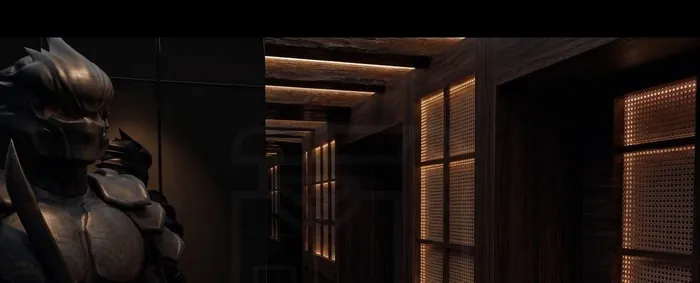
In the meantime, sushi already has a place in the house. SLVJ, one of the open worlds of Casa Salvaje, has a sushi bar to start the night and serves dinner Monday to Saturday from 7. On the last Tuesday of each month that bar becomes an omakase, with limited seats and a date announced first to the guest list. When ONO opens, Calle Santa Teresa will have two ways to sit down in front of rice and fish: the banquet's bar and the hosomaki bar that came from Bogotá.
Nobody changes seats. It is the place that changes its skin.
Sources
- Casa Salvaje · ONO Cartagena (apertura noviembre–diciembre de 2026) ↗
- Casa Salvaje · Lista de invitados ↗
- Grupo ONO · Sitio oficial (ONO Bogotá desde noviembre de 2025; fundadores; ONO Cartagena) ↗
- ONO Hosomaki Bar · Sitio oficial (Bogotá) ↗
- ONO Hosomaki Bar · Nosotros ↗
- ONO · Reservas de cena (CoverManager: dirección y horario) ↗
- ONO · Carta de comida, septiembre de 2026 (Menüpp) ↗
- AXXIS · Ono Hosomaki Bar: un viaje sensorial de cocina, cócteles y vida nocturna en Bogotá (Ramón Nivia, 2026) ↗
- Casa Salvaje · Qué es un hosomaki: el roll que nació del papel y llega a Cartagena con ONO (blog, 2026) ↗
- Casa Salvaje · Sushi y omakase en Cartagena (blog, 2026) ↗
- Casa Salvaje · SLVJ (horarios) ↗
- ONO Bogotá · Instagram oficial (@ono.culto) ↗
- Casa Salvaje (sitio oficial) ↗
Keep reading.
Food & drink
The 4 best places for sushi in Cartagena.
Food & drink
The 5 best places to eat meat in Cartagena.
Food & drink
Época, a café on Calle del Arzobispado.