
Stories / Music
Champeta and picós: the sound Cartagena made its own.
From the African records that came in through the port to the heritage declaration of 2026: the history, artists and places of a music born in the neighborhoods.
Cartagena Social Club · 6 min read
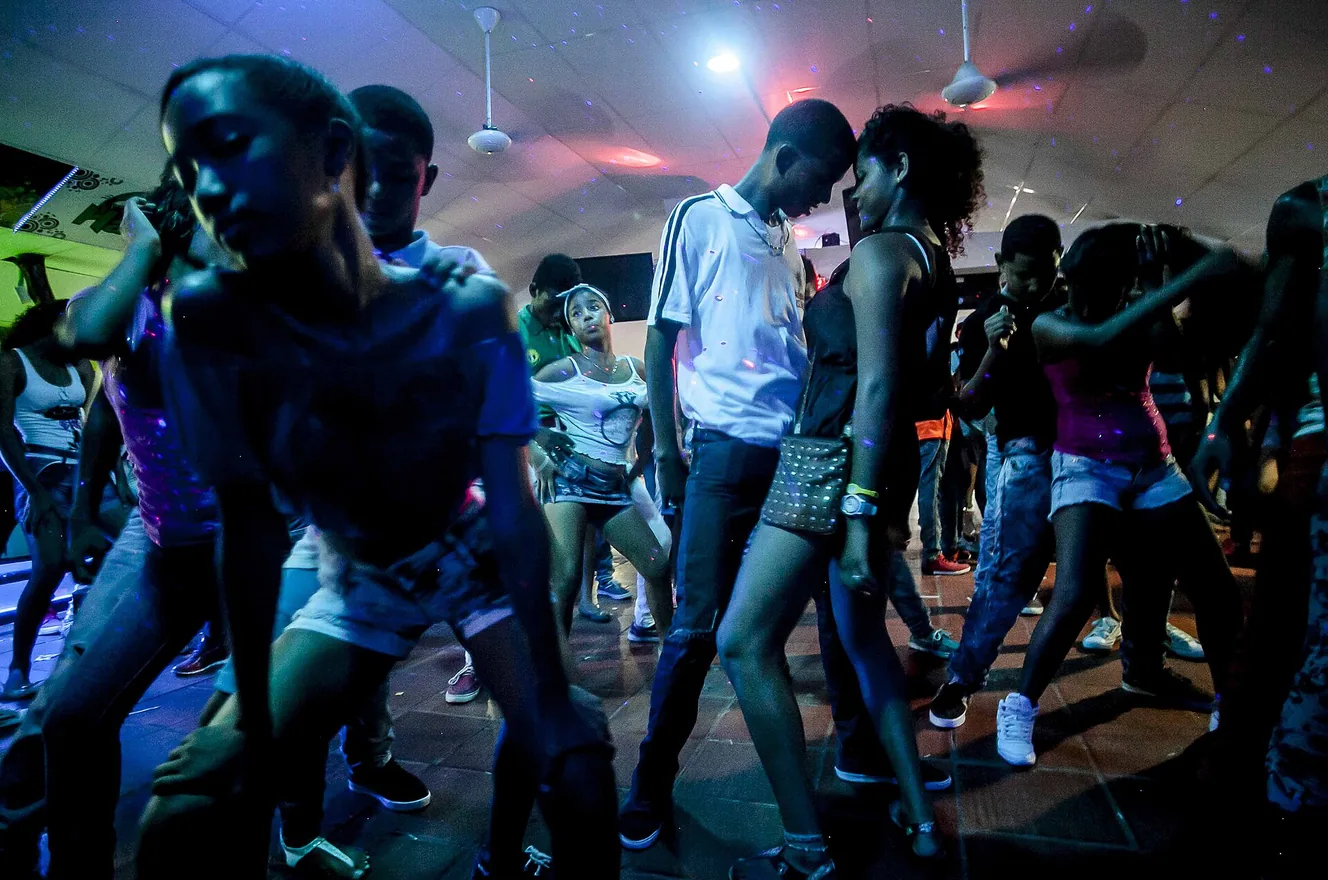
Young people dancing champeta on a lit-up dance floor. Photo: Fundación Gabo / Wikimedia Commons (CC BY-SA 2.0)
In Cartagena there is a music you don't learn in school or at the theater. You learn it in the street, in front of a wall of hand-painted speakers that makes the windows of an entire neighborhood shake. It is champeta. For decades it was the music of the city's working-class and Afro-descendant communities, and for that very reason it was viewed with suspicion. In May 2026 the Colombian state recognized it as intangible cultural heritage of the Nation.
Telling its story means talking about three things at once: records that arrived from the other side of the Atlantic, sound machines built in the neighborhoods and musicians who decided to make a music of their own out of all of it.
A word that was an insult
The word champeta names a short knife. El Universal recalled it in 2018: it was the sharp blade used by the butchers at the Bazurto market. From it came “champetúo,” a nickname used to single out the residents of the neighborhoods far from the Centro, poor and Black, as if they were knife-wielding people. The Spanish-language free encyclopedia sums up that history: the label was coined by the city's elite to belittle a culture that had survived slavery.
That stigma did not fade quickly. In 1988 the musician Viviano Torres recorded a song for the Codiscos label that was meant to be called “El champetúo.” The title was censored and the track came out as “El champe,” on his first full-length record, titled Anne Swing. The record's name ended up becoming its author's nickname. Thirty years later, in 2018, Torres sang it under its original title at an event at the Centro Comercial Getsemaní.
Over time, the neighborhoods themselves claimed the word. The historian Rafael Escallón, who heads the Fundación Roztro and has studied champeta for more than fifteen years, distinguishes between the music and the culture that preceded it. As he explained to Radio Nacional de Colombia, there was a popular champetúa culture before the rhythm known today, and the dance called the “terapia” predates the musical genre.
From the port to the picó
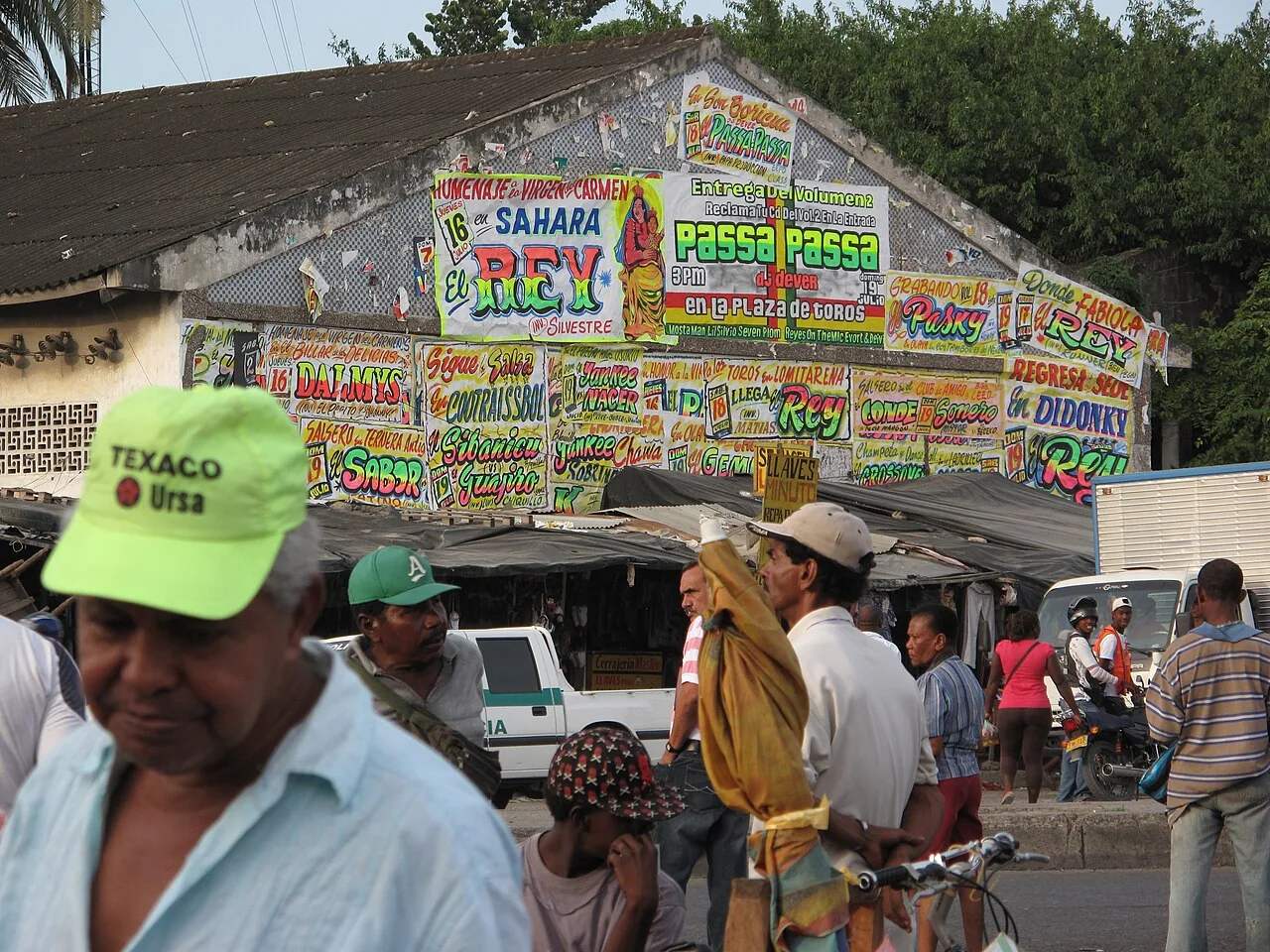
Before there was champeta recorded in Cartagena, there were picós. They are enormous sound systems, each with its own name, built and decorated by neighborhood craftsmen. Their name comes from the English pick-up. At first they played salsa, reggae and other Caribbean rhythms. From the 1970s they also began to play African records: soukous from the Congo, highlife, juju, mbaqanga.
Those records arrived in many ways. Some were smuggled in through the port, as El Universal recalled in looking back at that era. Others were found by collectors who traveled to the Antilles or to France. Each picó guarded its exclusives: the record that played only through its speakers. Escallón lists the influences that came in that way: soukous, soca, Jamaican and Antillean reggae, Congolese rumba, zouk, calypso, juju, Haitian kompa and highlife, among others.

In the 1980s came a decisive push. The Festival de Música del Caribe, held in Cartagena from 1982, brought to the city African and Antillean artists who until then had been known only on record. The researcher Ricardo Chica Geliz studied the relationship between that festival and picó culture between 1982 and 1996 in the journal Nova et Vetera. Escallón agrees: in his view, the festivals helped build “a structure for a music of our own.”
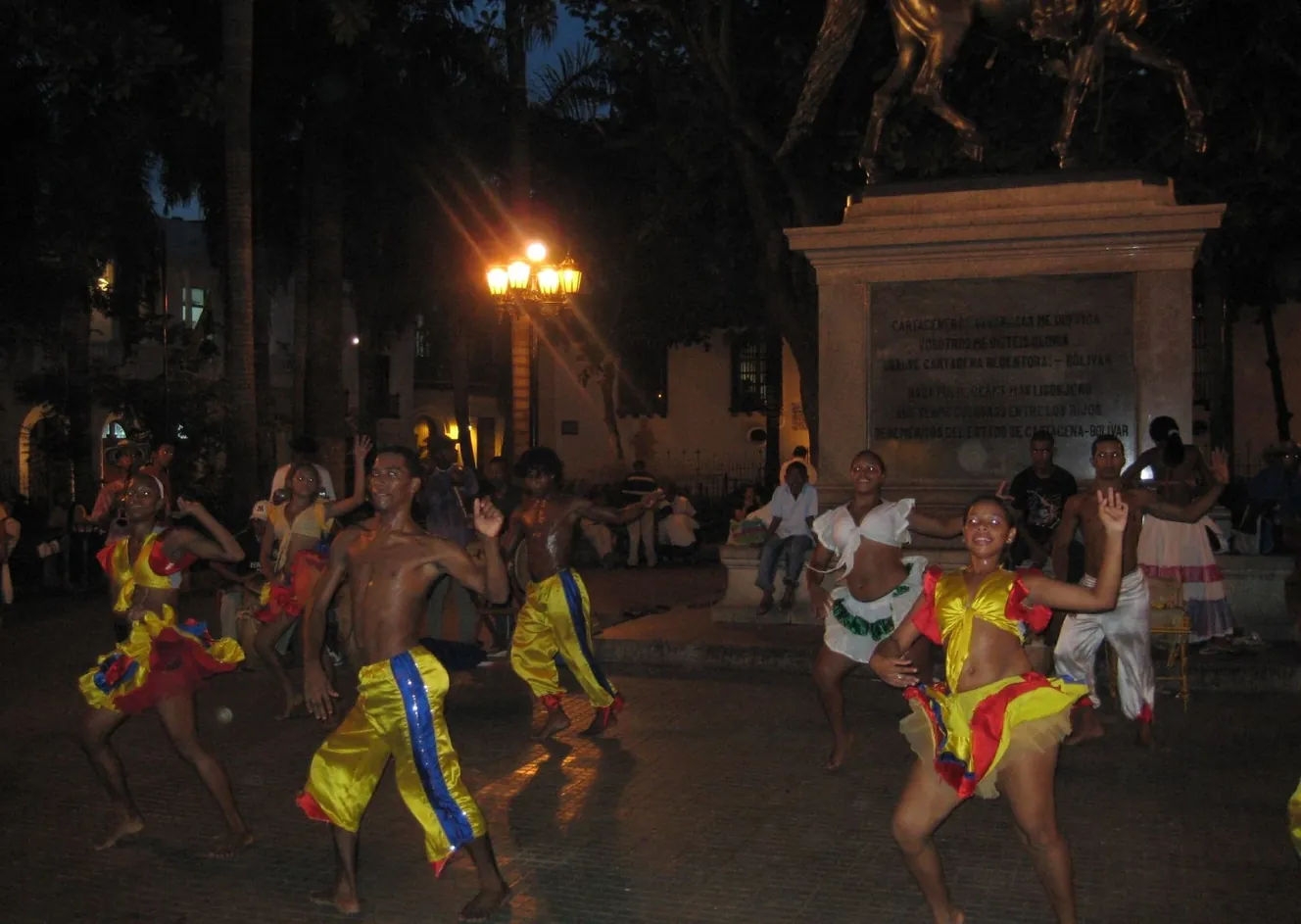
That music of their own had local roots. Escallón names as its main root the bullerengue sentao, the chalusonga from Palenque and the chalupa. To these was added what was playing on the picós. San Basilio de Palenque, the village founded by cimarrones — escaped enslaved Africans — some 50 kilometers from the city, contributed musicians, language and rhythm: several of the genre's pioneers are palenqueros. “The roots of champeta are like those of a mangrove: the trunks blur into the roots,” says Escallón.
The first to sing it
For Escallón, the founding milestone of the genre came with the group Anne Swing, which grew out of Son Palenque, Justo Valdez's band. Its members were Viviano Torres, Charles King, Melchor El Cruel and Álvaro Cuéllar, who were among the first to call what they did champeta.
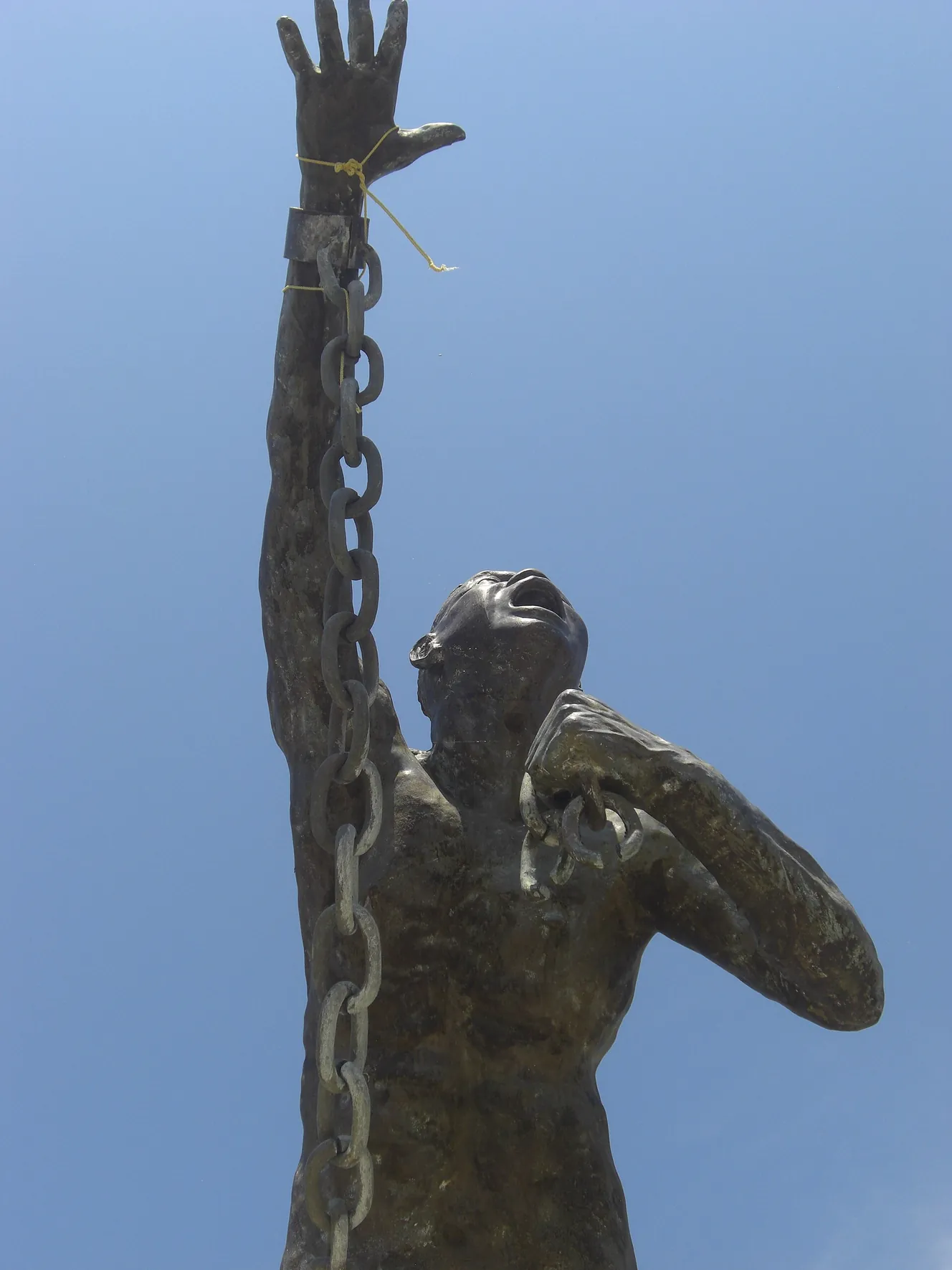
The date has a name and a place. On August 13, 1985, according to Escallón, the first party billed under the name champeta was held at the “Cueva de Morgan.” Torres, Melchor El Cruel, Charles King and Álvaro Cuéllar were at that dance. Torres recalled it this way to Radio Nacional: on an August 13 people heard them live for the first time, at a spot in the Los Caracoles area where private parties were held. For that reason the Cartagena City Council established August 13 as Día de la Champeta, Champeta Day, through Agreement 014 of 2003.
The road was not easy. Torres said that record labels shut the door on them until a local label recorded them, and that one mayor went as far as banning champeta during an Independence festival. That ban led to marches and, eventually, to the City Council's agreement.
Other names followed. Champeta moved from vinyl to digital tracks and to “placas,” the rhythmic effects spliced into the songs. Artists such as Elio Boom, Louis Towers, Mr. Black and Koffe el Kafetero took it beyond the neighborhoods. In 2020 champeta reached a global audience when Shakira and her dancers performed it at the Super Bowl halftime show in Miami.
Heritage and the dance floor
Official recognition took four decades. In 2018 the District Heritage Council approved champeta's nomination to the city's list. On July 6, 2023 the National Cultural Heritage Council gave a favorable opinion to begin the national process. At the end of 2025 it approved the Special Safeguarding Plan, put together, according to El Universal, with the participation of more than 7,300 people. And on May 21, 2026, National Afro-Colombian Day, the Ministry of Cultures delivered in Cartagena the resolution adopting that plan.
The declaration is not limited to the music. According to El Colombiano, it also protects the dance, the picós, the art, the parties and the champetúo language, and recognizes the work of those who build and paint the picós. The document also identifies the problems this culture has suffered: racism, classism, stigmatization and the criminalization of the picós. Its actions include strengthening the Festival Afro Caribe de Música Champeta and creating community archives.
Where is it danced today? First, in the neighborhoods, where picós still liven up verbenas — street parties — and weekend celebrations. Second, on fixed dates. On August 13, Champeta Day, the city schedules concerts and talks. And in November, the Fiestas de la Independencia put it on stage: the official 2026 program includes artists such as Mr. Black, Koffe el Kafetero and DJ Dever on its concert nights.
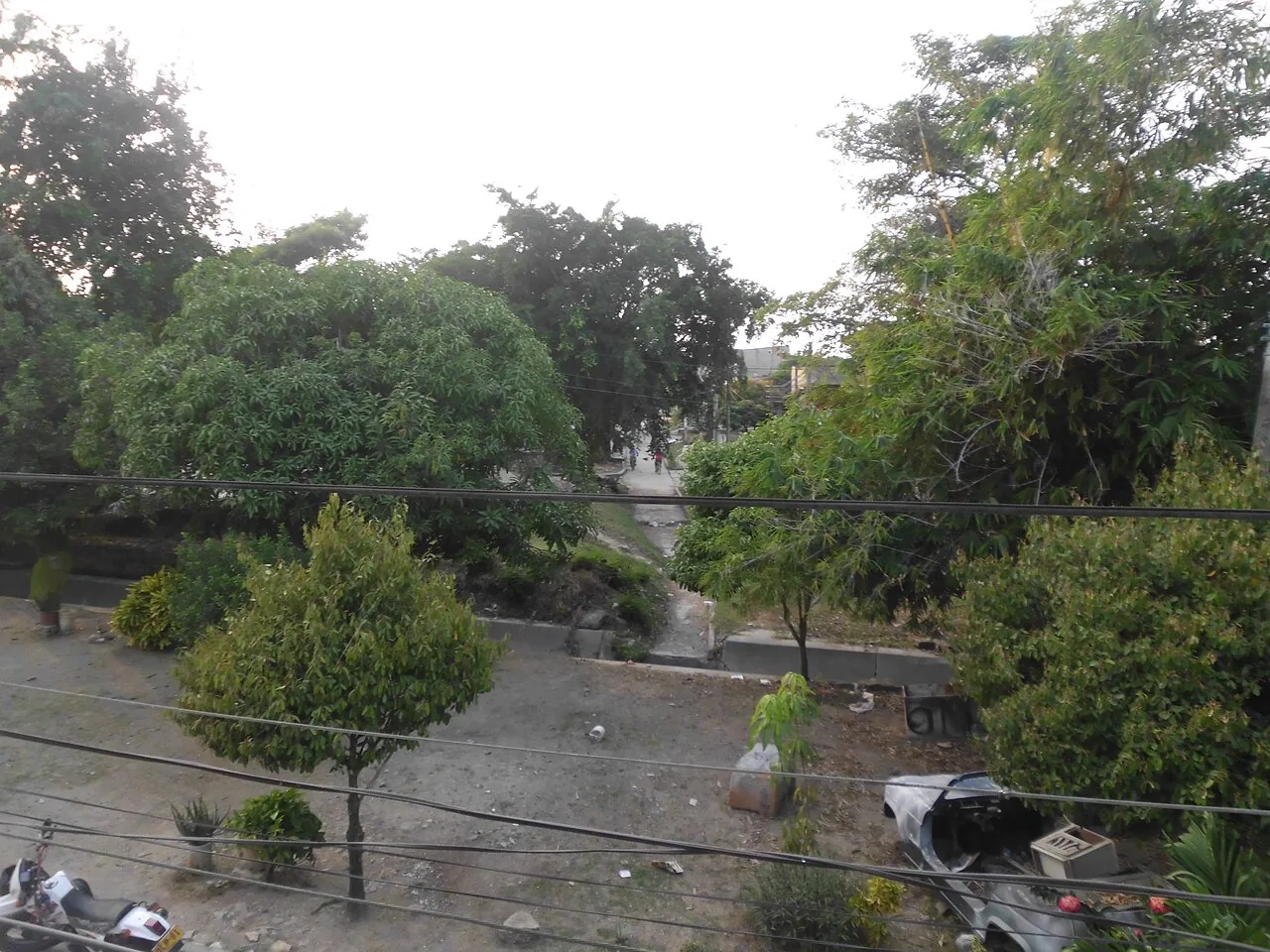
It can also be heard in the Centro, though in a different key. The city's bars, clubs and DJs mix it with salsa, Afrobeat and electronic music. At Casa Salvaje, the house on Calle Santa Teresa, the tradition of picós and champeta is among the roots the house itself acknowledges for its music. Thursday to Saturday, the SLVJ club inside the house runs on a Funktion-One sound system, with a DJ line-up that changes every week.
Anyone who really wants to understand it can start at the beginning: listen to “El champetúo” by Viviano Torres, look for the soukous that played on the picós of the seventies and, the next time you pass a neighborhood party, pay attention to the colors on the wall of speakers. That is where it all began.
The roots of champeta are like those of a mangrove: the trunks blur into the roots.
Sources
- El Colombiano: La champeta ahora es Patrimonio Cultural Inmaterial de Colombia (21 de mayo de 2026) ↗
- Vanguardia: La champeta será Patrimonio Cultural Inmaterial de Colombia (21 de mayo de 2026) ↗
- El Universal: La champeta fue reconocida como Patrimonio Cultural Inmaterial (aprobación del PES, 2025) ↗
- El Universal: Día de la Champeta, por qué se celebra el 13 de agosto (2023) ↗
- El Universal: El champetúo, 30 años de una canción censurada (2018) ↗
- El Universal: La champeta es patrimonio cultural de Cartagena (2018) ↗
- Radio Nacional de Colombia: Champeta, cómo nació ↗
- Chica Geliz, R. (2013). La cultura picotera y el Festival Internacional de Música del Caribe, Cartagena 1982-1996. Nova et Vetera 22 (66) ↗
- Wikipedia en español: Champeta ↗
- El Universal: Fiestas de la Independencia 2026, agenda oficial y artistas confirmados ↗
- Casa Salvaje (sitio oficial) ↗
Keep reading.
 AI-generated illustration
Music
The city you hear.
Music
Salsa in Cartagena: el Joe, the bars and the fierce ear.
Music
Gaitas de San Jacinto: el cactus que canta en los Montes de María.