
Stories / Food & drink
The Portal de los Dulces: cocadas, alegrías and panelitas.
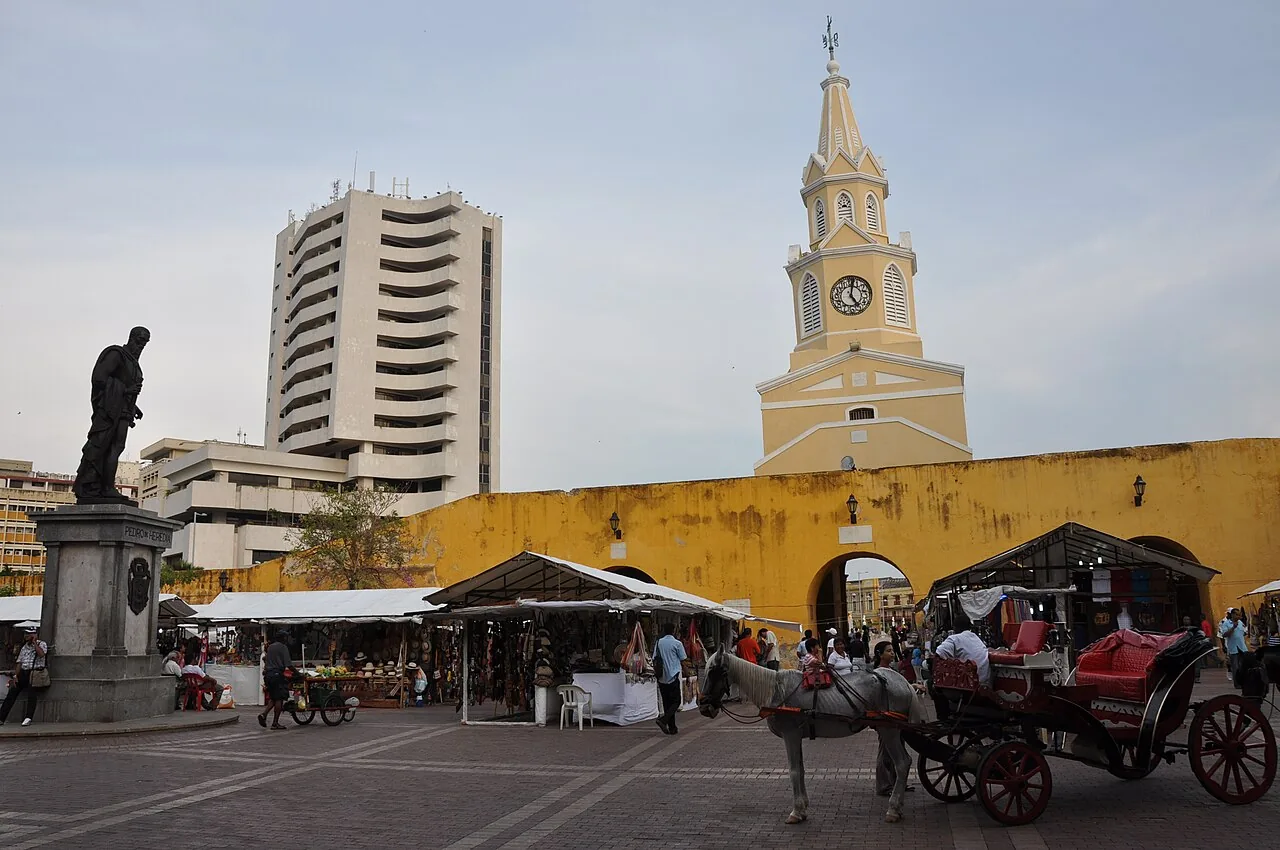
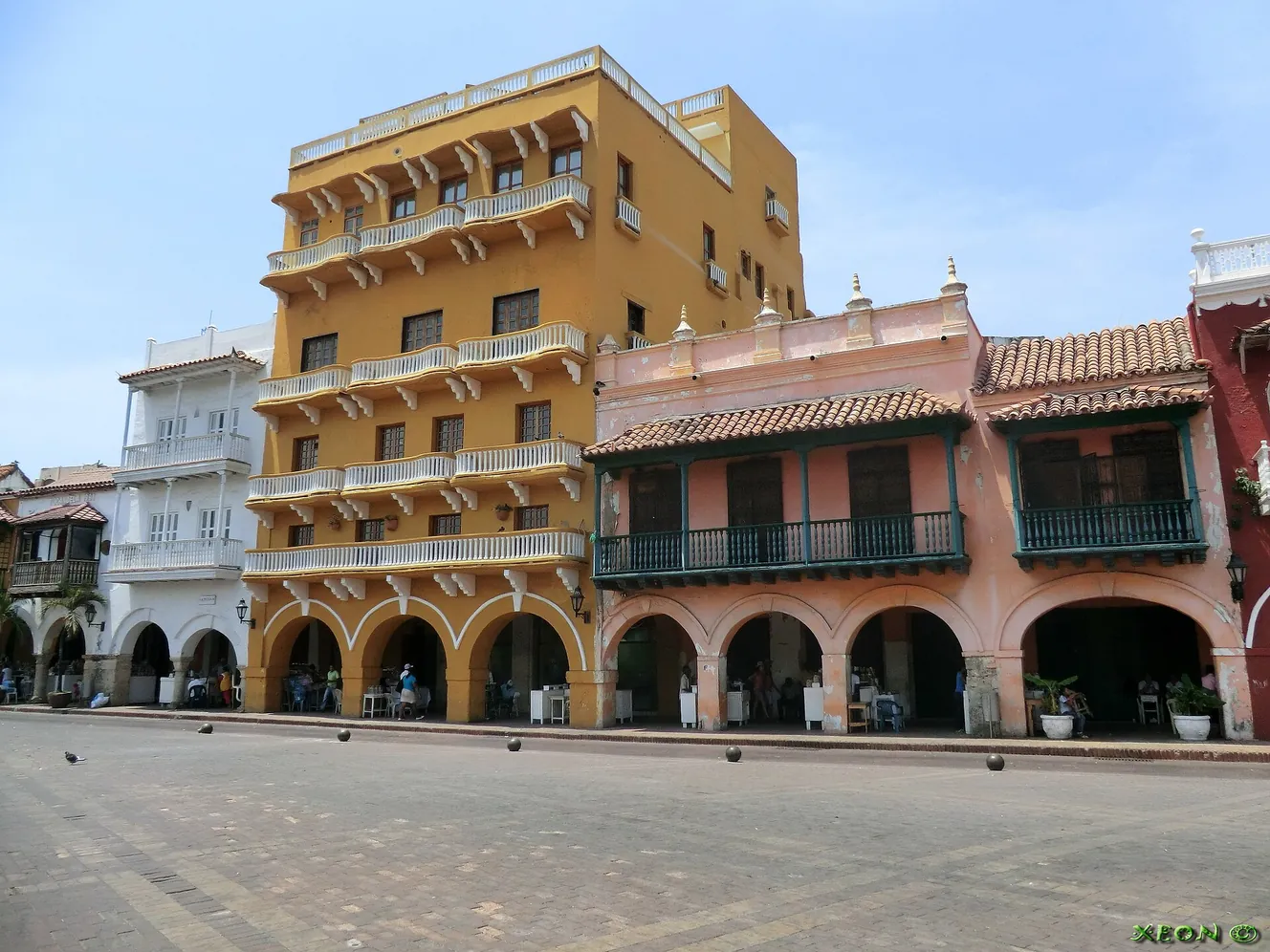
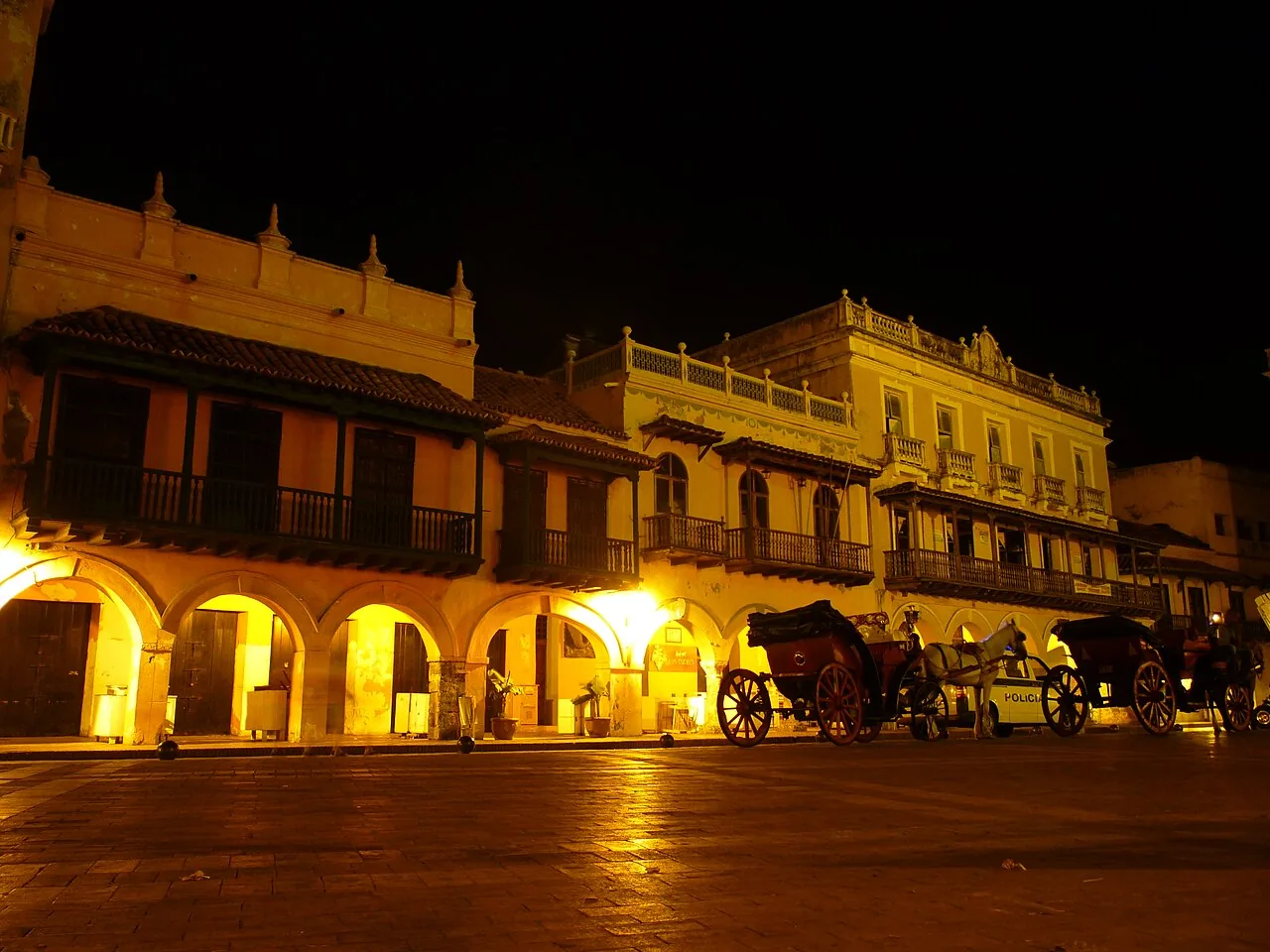
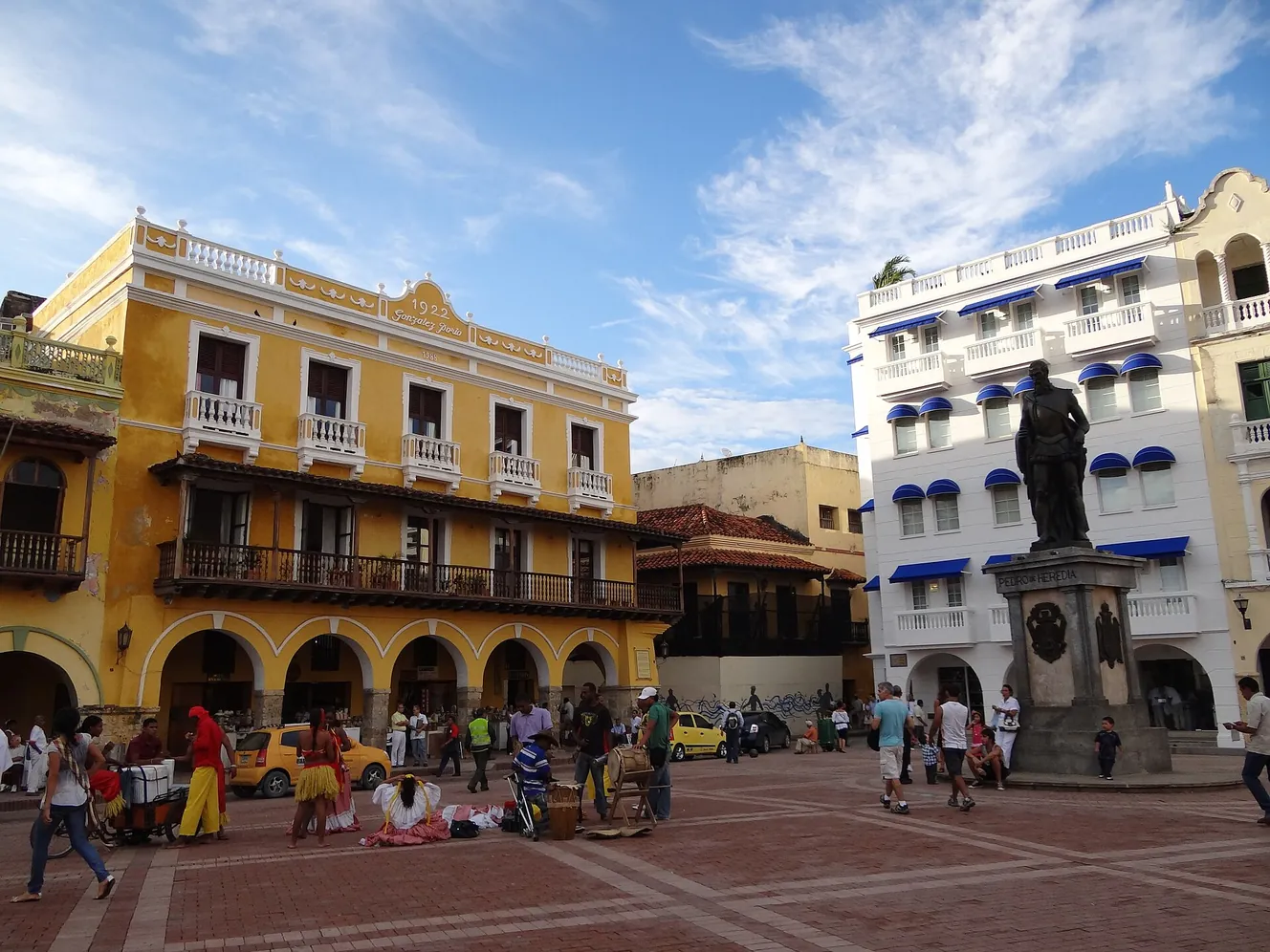
Under the arcades of the Plaza de los Coches, facing the Torre del Reloj, a good twenty-odd sweet makers have kept Cartagena's candy tradition alive for a century.
Cartagena Social Club · 6 min read
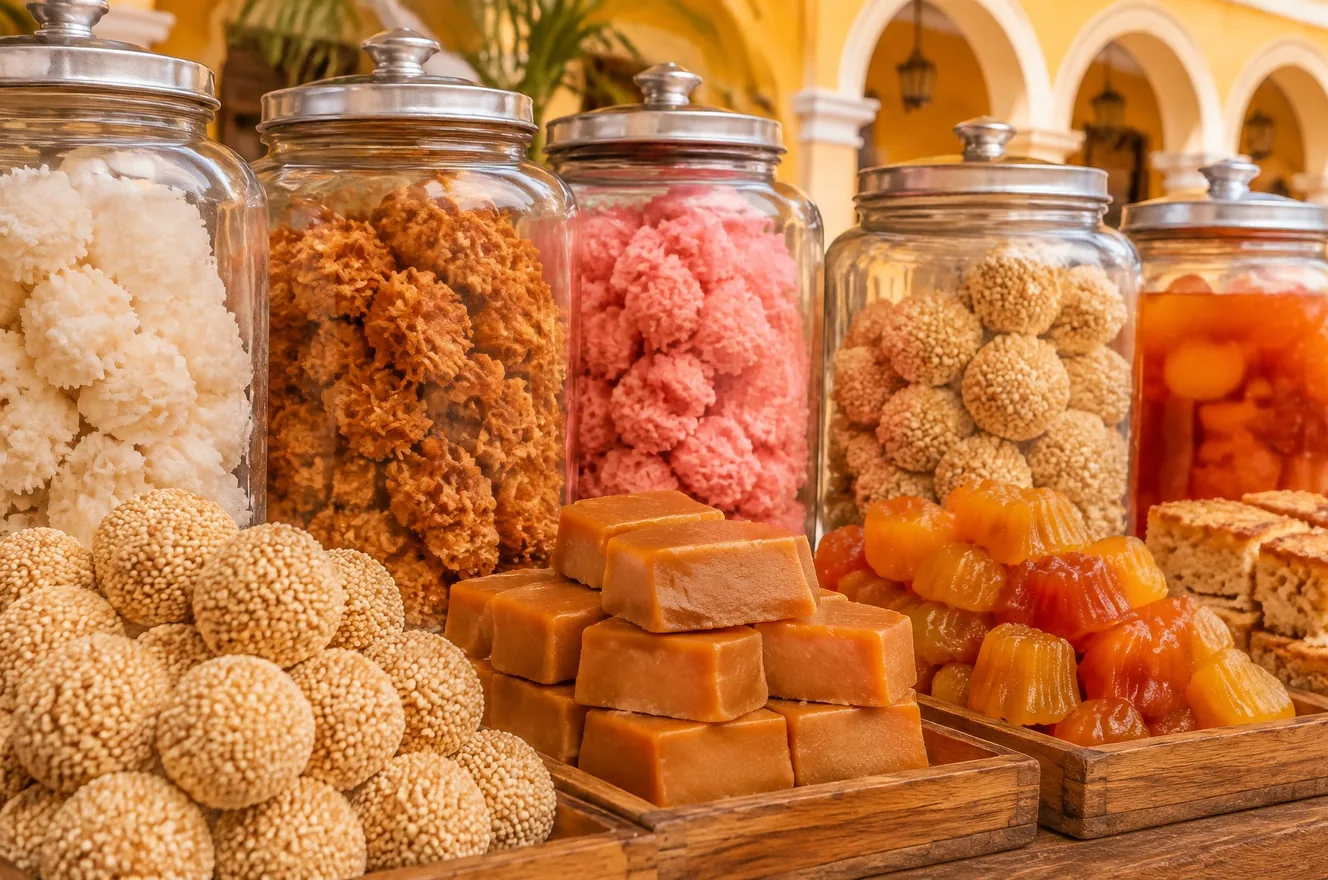
Cocadas, alegrías and panelitas, the Portal's age-old sweets. AI-generated illustration.
Anyone entering Cartagena's Centro through the Torre del Reloj finds, beside the Plaza de los Coches, a gallery of stone arches. In the shade, along a row of stalls, stand glass jars full of coconut balls, dark bars of panela — unrefined cane sugar — milk squares and little tamarind balls. This is the Portal de los Dulces, on the Plaza de los Coches, and it is one of the few places in the Centro where today's trade is still, in essence, what it was a hundred years ago.
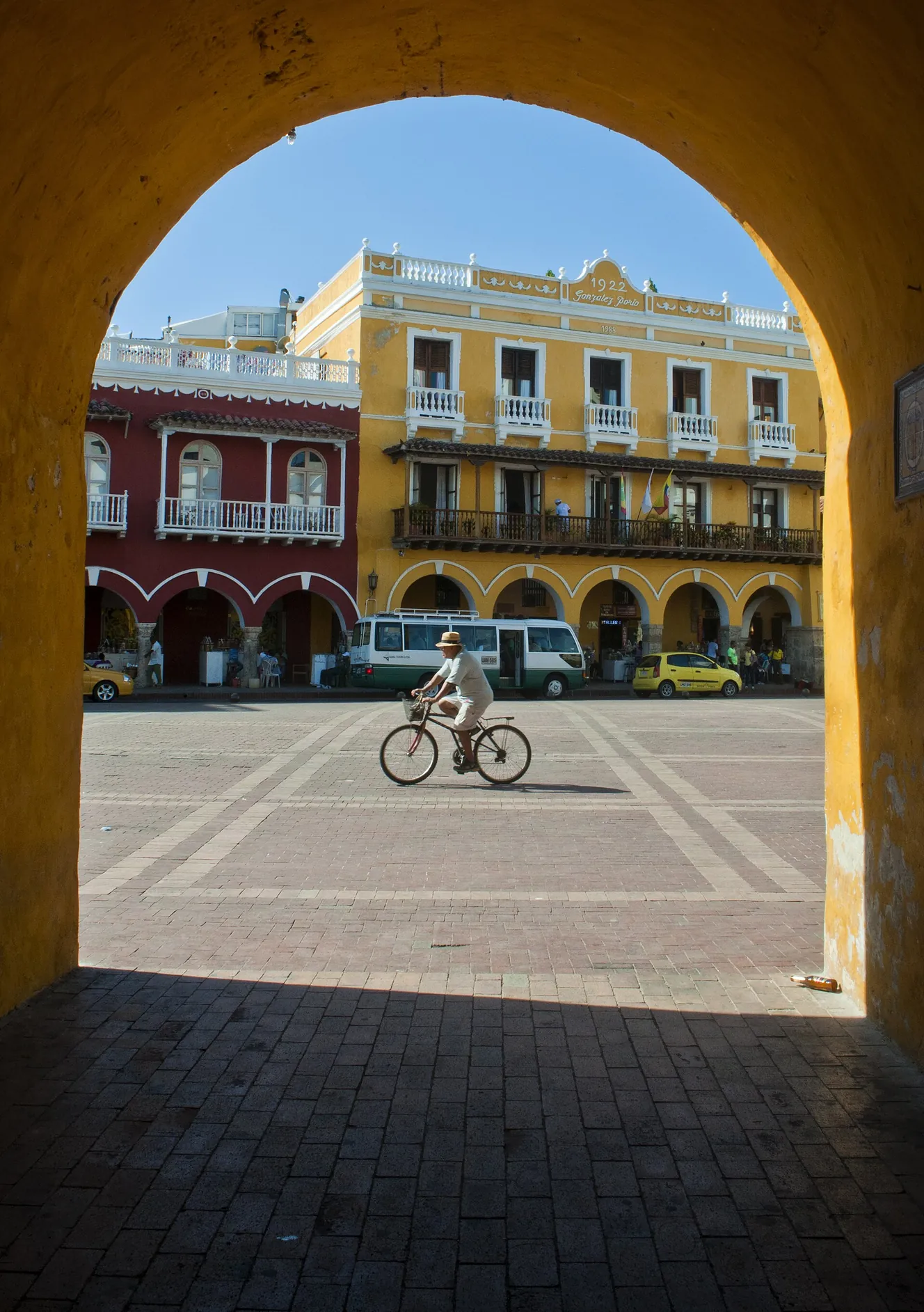
What is sold there is the sweet-making tradition of the Caribbean: sugar, panela, coconut, fruits and grains turned into treats that are bought by the piece, wrapped in paper and eaten while walking. Behind each jar is a family and an inherited recipe.
A century under the arcades
The sale of sweets at the Portal dates back to 1921, according to El Universal, and in 2021 the dulceras — the sweet sellers — celebrated the first centenary of their presence there. That year, according to El Heraldo, the anniversary served as a starting point for the vendors themselves, with the support of the Instituto de Patrimonio y Cultura de Cartagena (IPCC), to begin the process of having their trade recognized as part of the city's heritage. The idea went back further: in 2013, during the Expo-Dulce, the IPCC had proposed declaring the Portal a Cultural and Intangible Asset of the District.
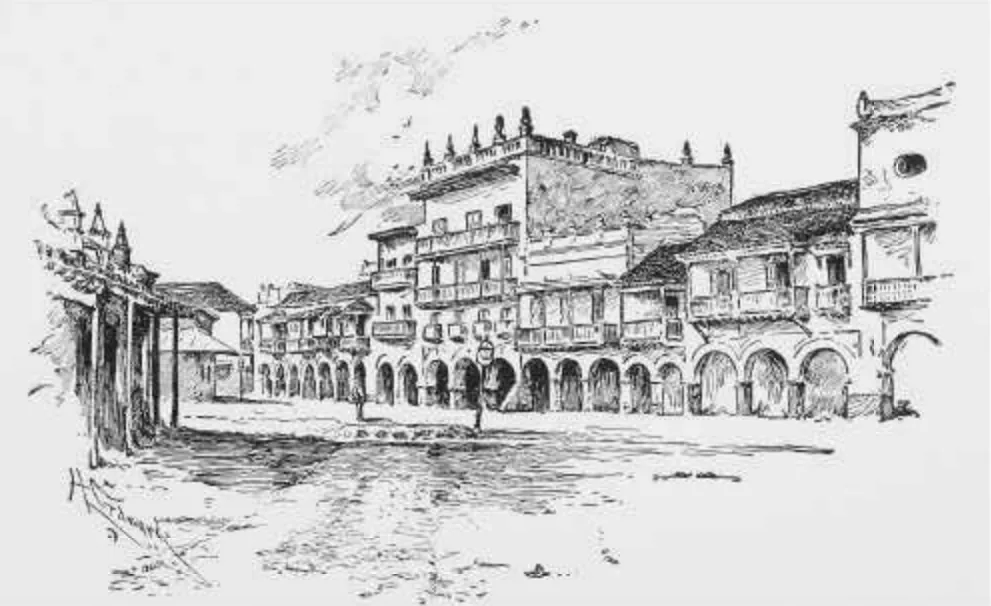
The place also has a place in literature. El Heraldo recalled that the Portal is one of the settings Gabriel García Márquez used in Love in the Time of Cholera, the novel that turned Cartagena's Centro into a literary landscape. Today, readers who come looking for Florentino Ariza's city pass under the same arches where the cocadas are sold.
In 2013, El Universal published a profile of Cruz Villeros López, whom it called the Portal's senior dulcera. She was eighty at the time and tended her stall from seven in the morning to six in the evening. The IPCC gave her a public tribute for her contribution to the sweet-making tradition. Names like hers are what sustain the memory of the place.
That same profile gave an idea of the scale of the place: the Portal had twenty-seven stalls at the time. It is a small, almost domestic trade that has withstood the tourist transformation of the Centro without changing shape. While the colonial houses around it were turned into hotels and boutiques, the sweet stalls stayed in place, with the same kind of jars and the same wrapping paper.
What's in the jars
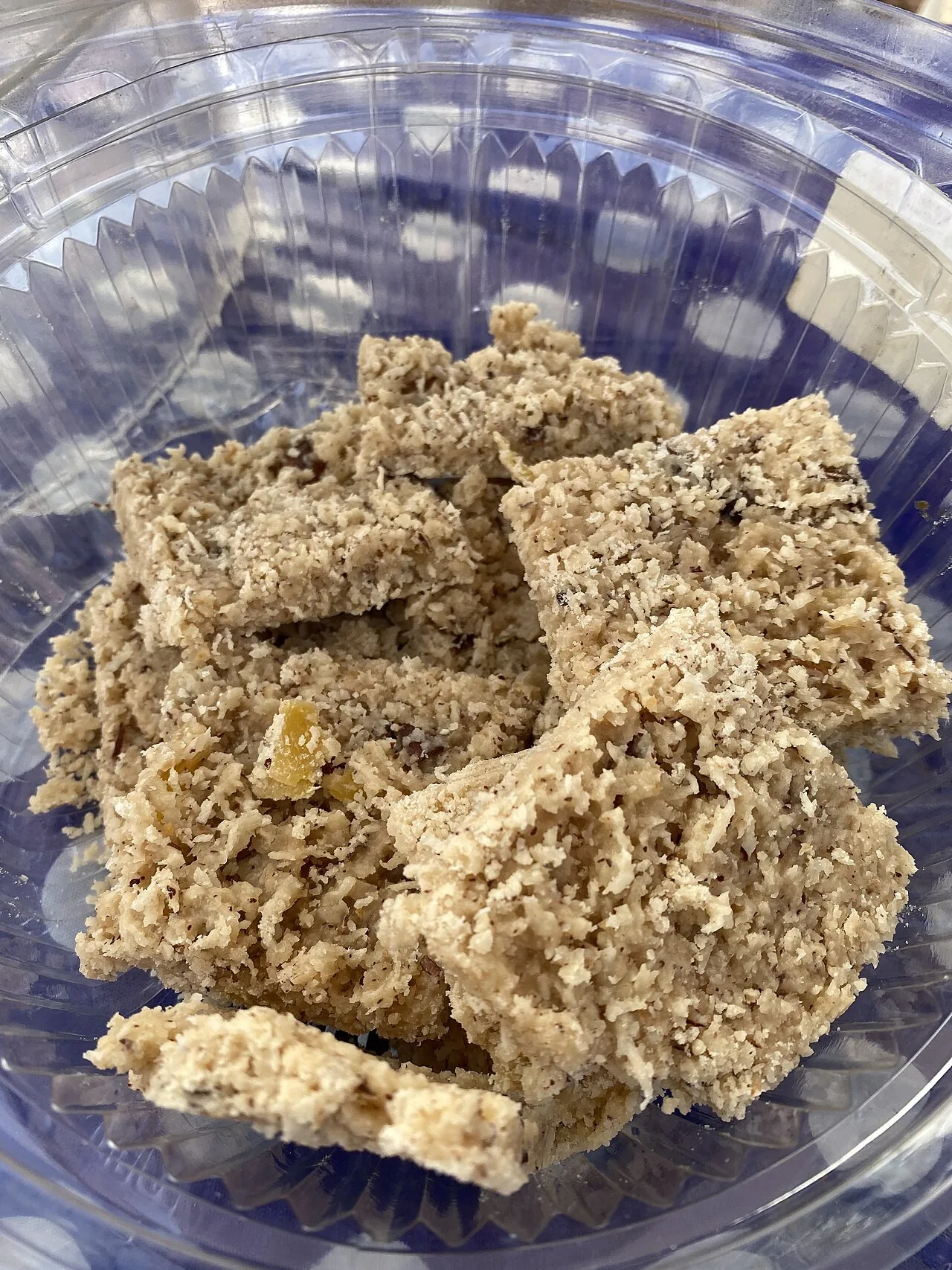
The cocada is queen. It is a paste of grated coconut cooked with sugar or panela, left to dry in portions. There are white ones, dark ones made with panela and pink ones, as well as flavors such as guava, pineapple or arequipe, a caramelized milk spread. The alegría, another classic, is made with millo — a millet-like grain — panela and coconut, sometimes scented with anise; in 2024 El Universal ran a feature on Evelia Alcalá, one of the Portal's matriarchs, who has been making them since she was four.
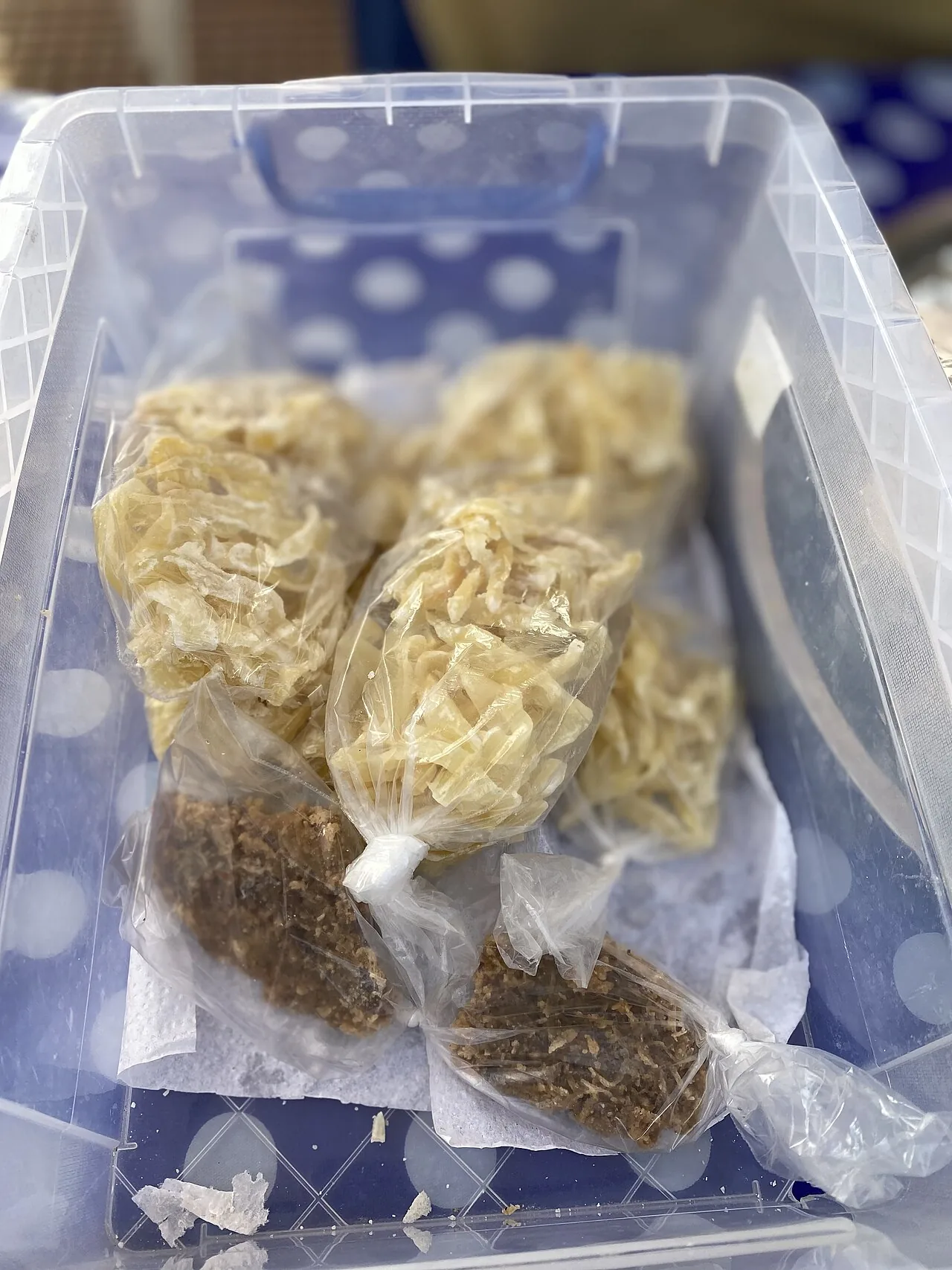
Caballitos are strips of green papaya cooked in syrup with sugar, cinnamon and clove. Panelitas de leche, from the dulce de leche family, are firm squares made by reducing milk with sugar and panela until the mixture hardens. The selection is rounded out by tamarind balls, coated in sugar and with a tart edge, enyucado, a cake of grated cassava with anise and queso costeño — the salty white coastal cheese — and preserved tropical fruit sweets.
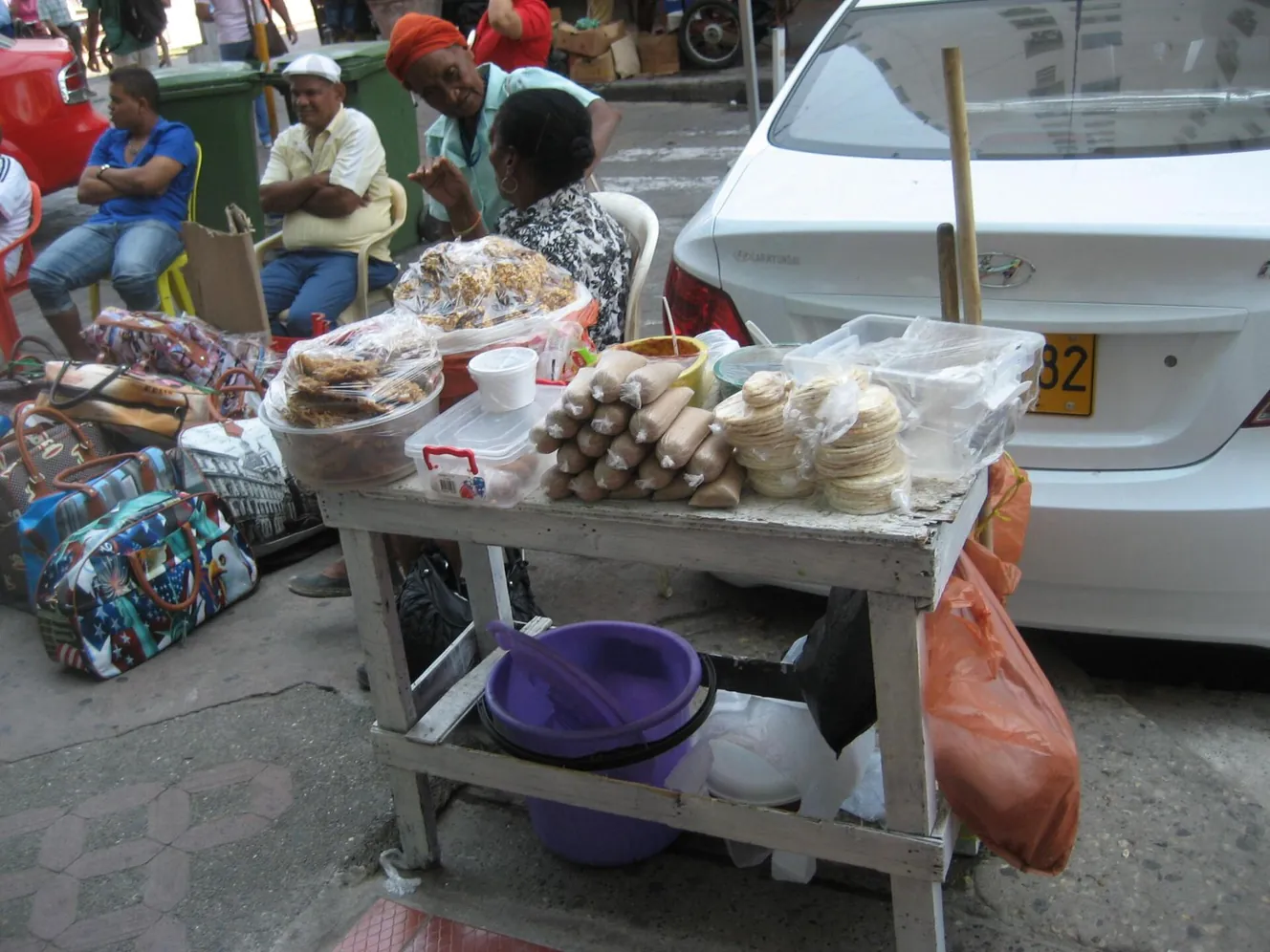
Almost everything is sold by the piece, in plain view, and almost everything travels well. That is why the Portal is also the oldest gift shop in the Centro: Cartagena natives who live elsewhere take cocadas home in their suitcases, and visitors buy assortments in boxes.
There is also a close relationship between the Portal and San Basilio de Palenque. Many of the alegrías and caballitos that circulate around the city come from palenquera kitchens, where associations such as Asopraduce produce certified traditional sweets. When the IPCC curates its festivals, it reserves places for invited tradition-bearers from the Palenque community, alongside those from the Portal.
Buying well is simple. Taste before you buy, ask whether the cocada is made with sugar or panela and ask for an assortment to compare. Coconut sweets keep for several days in a cool place; milk sweets and fruit preserves, a little longer. And remember that many sweet sellers have been at the same stall for decades: a short conversation often comes with a story of the Centro as a bonus.
Pandemic, card readers and continuity
The 2020 pandemic hit the sweet sellers hard. According to a report by the EFE agency reproduced by Radio Nacional, the stalls were closed for more than six months and reopened in October of that year with few sales. One of the vendors, Edith Paternina, said at the time that she had been selling sweets at the Portal for 48 years.
In January 2025, the mayor's office and the Cámara de Comercio de Cartagena renovated the stalls of the Portal's 29 vendors and gave them furniture and card readers to accept digital payments, according to El Universal. It was a sign that the city recognizes the place as part of its tourist offering, and also a way of adapting to visitors who no longer carry cash.
The Festival del Dulce and Holy Week
The sweet-making tradition has its own festival. The Festival del Dulce Cartagenero, organized by the mayor's office and the IPCC, brings together each year tradition-bearers selected through an open call, with places reserved for the Portal's long-established dulceras. It coincides with Semana Santa, Holy Week, the time when families on the Caribbean coast prepare the fruit, coconut and grain sweets they share.
In 2026 its 16th edition was held, renamed the Festival del Dulce y Comida Típica Cartagenera, in the Plaza de los Coches, right in front of the Portal, in late March and early April. That year's honoree was the coconut sweet. Earlier editions had been set up in other parts of the Centro, such as the Parque del Centenario, where 28 dulceras took part in 2017.
The festival also works as an economic barometer. After the 2021 edition, the first following the pandemic shutdown, El Universal reported that sales had exceeded 60 million pesos, a modest figure for the city but decisive for the families who live from selling sweets. The IPCC's call requires participants to be tradition-bearers, meaning that they make what they sell themselves.
To end the walk with something sweet at the table, the evening's first stop is Casa Salvaje, on Calle Santa Teresa, about ten minutes on foot from the Portal: SLVJ serves a coconut tres leches and Kanibal a passion fruit pie. But cocadas are bought by day, under the arches, asking the dulcera what each one is made of.
The Portal de los Dulces has no museum hours and no script. It works as it always has: a brief conversation, a price recited from memory, a sheet of paper wrapped around a sweet. It is one of the simplest, and tastiest, ways to touch Cartagena's history.
The Portal de los Dulces is a showcase of glass jars and a living archive: every cocada repeats a recipe someone learned as a girl.
Sources
- El Heraldo: Comienza proceso para que vendedoras de dulces sean patrimonio de Cartagena (2021) ↗
- El Universal: Cruz Villeros López, la dulcera mayor (2013) ↗
- El Universal: En Cartagena la alegría se fabrica con amor (2024) ↗
- El Universal: Portal de los Dulces ya no necesitará efectivo para comprar cocadas (2025) ↗
- El Universal: No te resistirás, el Festival del Dulce arranca este domingo (2021) ↗
- Radio Nacional (EFE): La agridulce reapertura del Portal de los Dulces de Cartagena ↗
- Dialnet: estudio sobre la elaboración de panelitas de leche ↗
- IPCC: Bases convocatoria XVI Festival del Dulce y Comida Típica Cartagenera (2026) ↗
- IPCC: Curaduría Portal de los Dulces 2026 ↗
- Colombia.com: El Festival del Dulce llega a Cartagena en Semana Santa ↗
- El Heraldo: Arranca el tradicional Festival del Dulce en Cartagena (2017) ↗
- Colombia.com: ¿Dónde probar las verdaderas cocadas de Cartagena? ↗
Keep reading.

Food & drink
ONO, the hosomaki bar coming to Casa Salvaje.
Food & drink
The 4 best places for sushi in Cartagena.
Food & drink
The 5 best places to eat meat in Cartagena.