
Stories / Food & drink
Fried fish, coconut rice and patacón: the Caribbean lunch.
In La Boquilla, the fishing village north of the city, the quintessential beach plate starts in a canoe and ends facing the sea.
Cartagena Social Club · 6 min read
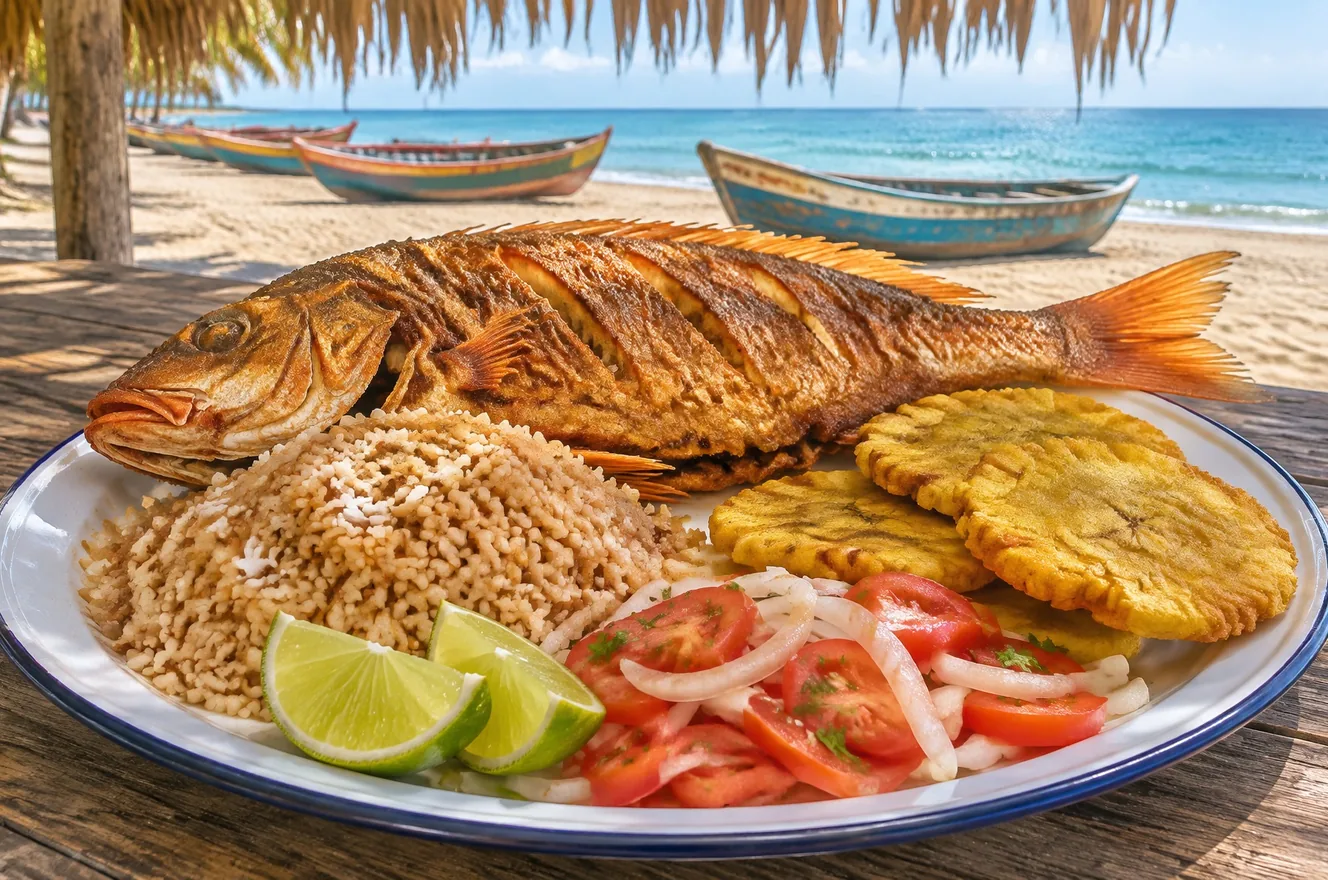
Fried fish, coconut rice and patacones by the sea. AI-generated illustration.
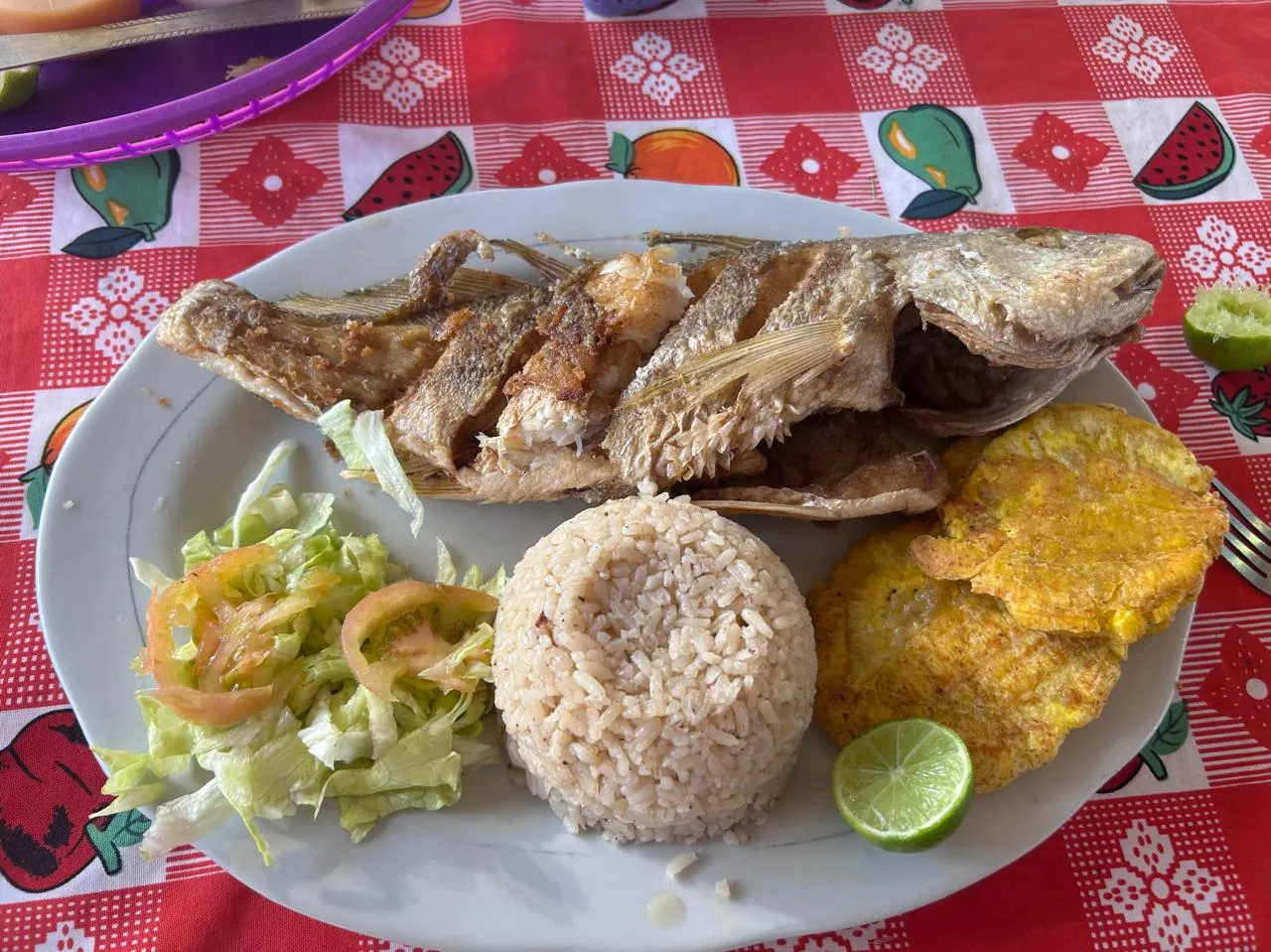
There is a lunch in Cartagena that needs no menu. A whole fish, fried until the skin turns into a golden crust; a serving of coconut rice, brown in color and sweet in flavor; two or three patacones of green plantain; a simple salad and a cold limonada. You order it facing the sea, with your feet in the sand or under an enramada, and you eat it with your hands. It is the lunch of the Colombian Caribbean, and its closest stage to the city is La Boquilla.
Before heading to the beach, a reference from the house. At Casa Salvaje, on Calle Santa Teresa in the Centro, Kanibal takes the same idea to the charcoal: the Pesca Kanibal is seared over the embers with ají amarillo and coconut milk, and the menu lists jasmine rice with coconut milk and lemongrass, and grilled ripe plantain with three cheeses. At SLVJ, the catch of the day goes through the robata. It is the Caribbean read through fire, for the evening. The beach version is eaten at midday.
La Boquilla, a fishing village
La Boquilla is a corregimiento — a rural district — of Cartagena, located north of the city between the Caribbean Sea and the Ciénaga de la Virgen. Academic studies describe it as an Afro-descendant settlement, formed mostly by descendants of enslaved people who took up fishing, and artisanal fishing remains its main source of livelihood. From the Centro it is about twenty minutes by car.
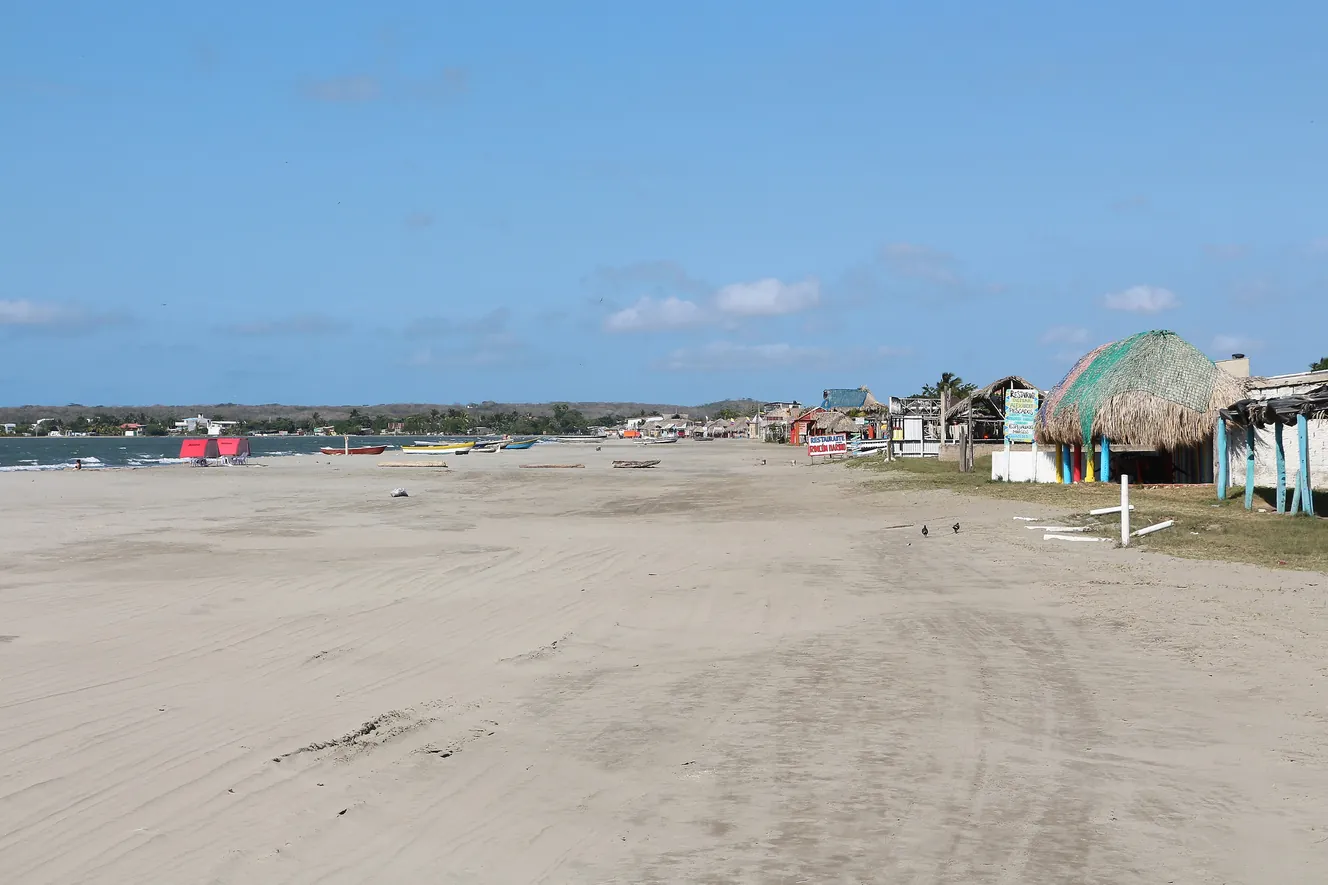
The village has fought a long battle for its land. Its community council obtained a collective land title that was later annulled by a court, in a decision that, according to Blu Radio, affected more than 2,000 families. In May 2025, the Consejo de Estado ruled in its favor and the community celebrated that its title was still alive, according to El Universal. The dispute matters to visitors too: the beach restaurants are, to a large extent, businesses run by village families.
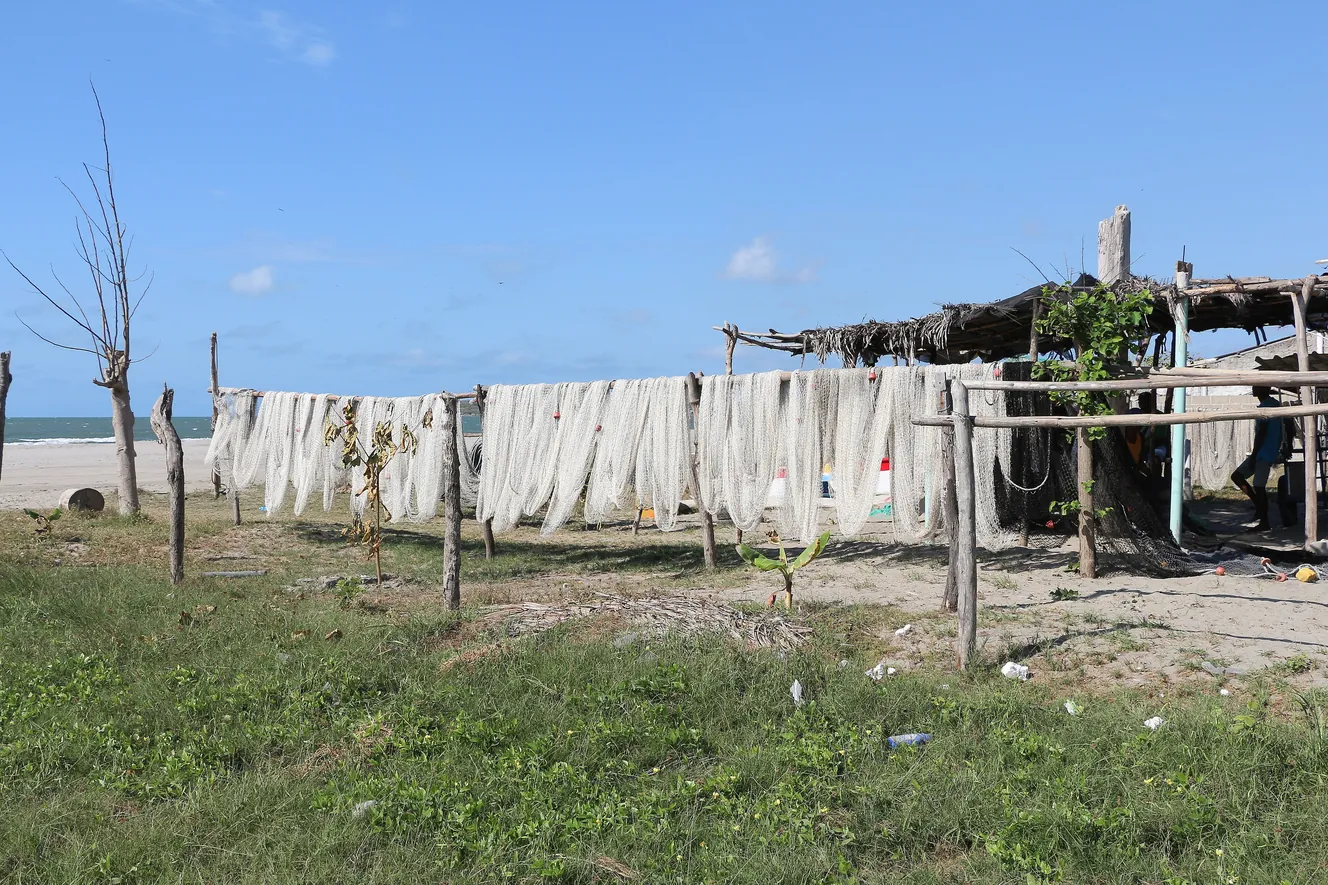
The fishing identity also has its own festival. Cartagena's District Council approved an agreement to institutionalize the Fiestas del Pescador de La Boquilla, in tribute to the work of artisanal fishermen and in recognition of the corregimiento's ethnic and Afro-descendant identity. Among its events is the procession of San Juan Bautista, patron saint of fishermen.
Ask for the catch of the day
La Boquilla's beach has a stretch, known as Playa Azul, that on October 3, 2019 became the first beach in Cartagena to earn Blue Flag certification, awarded by the Foundation for Environmental Education. The label is granted for one year and must be renewed; El Universal recorded its renewal through 2022. Behind the sand stand rows of enramada restaurants, with plastic tables and open kitchens.
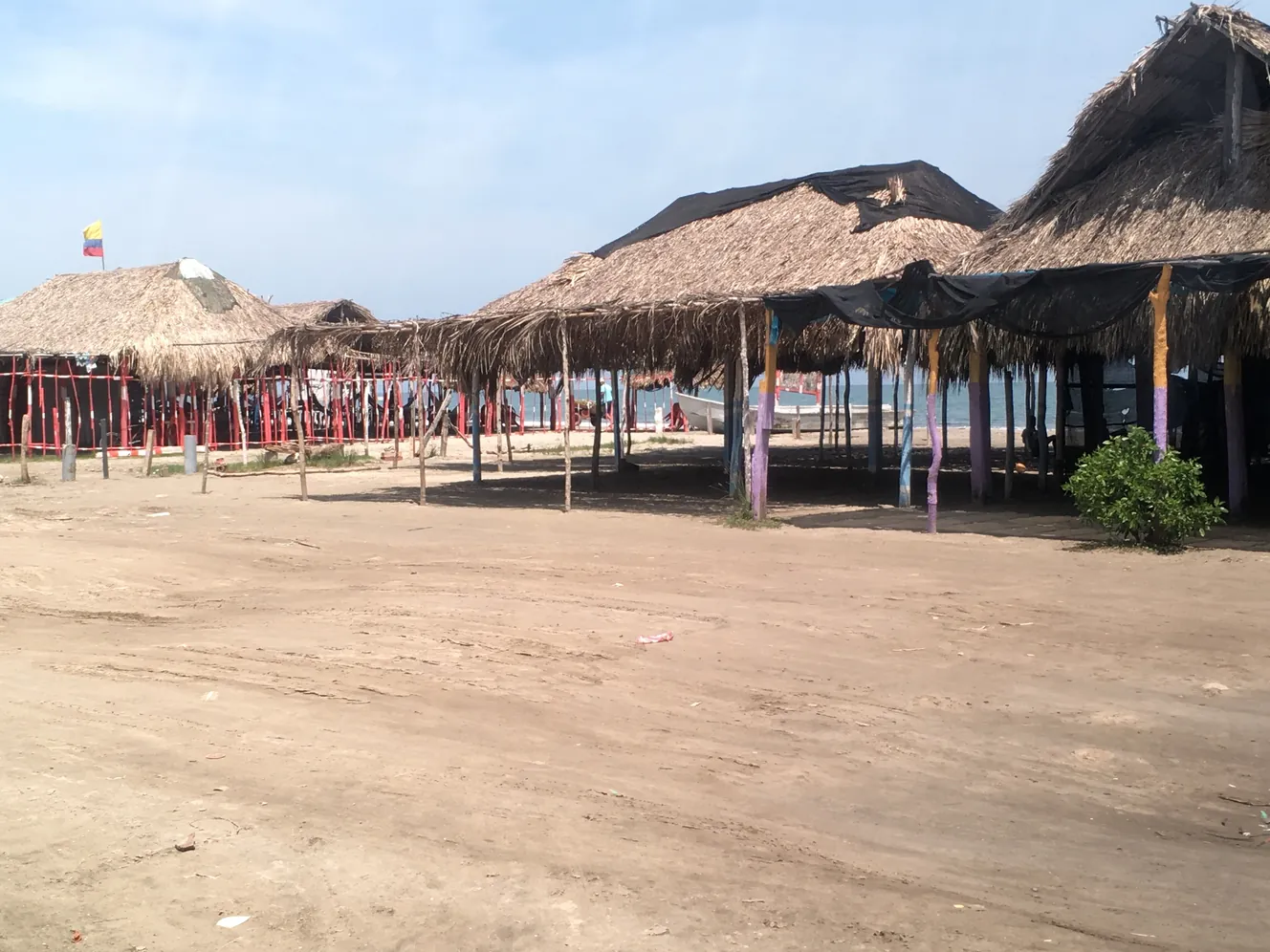
The advice from Colombia Travel, the country's official tourism portal, is to tell the owner on arrival what you plan to eat and always ask for the catch of the day: pargo (snapper), sierra (king mackerel), mojarra or jurel (jack), depending on what came in that morning. The same portal reports that forty-four restaurants in the village work with a system of set prices for menus, portions and drinks.
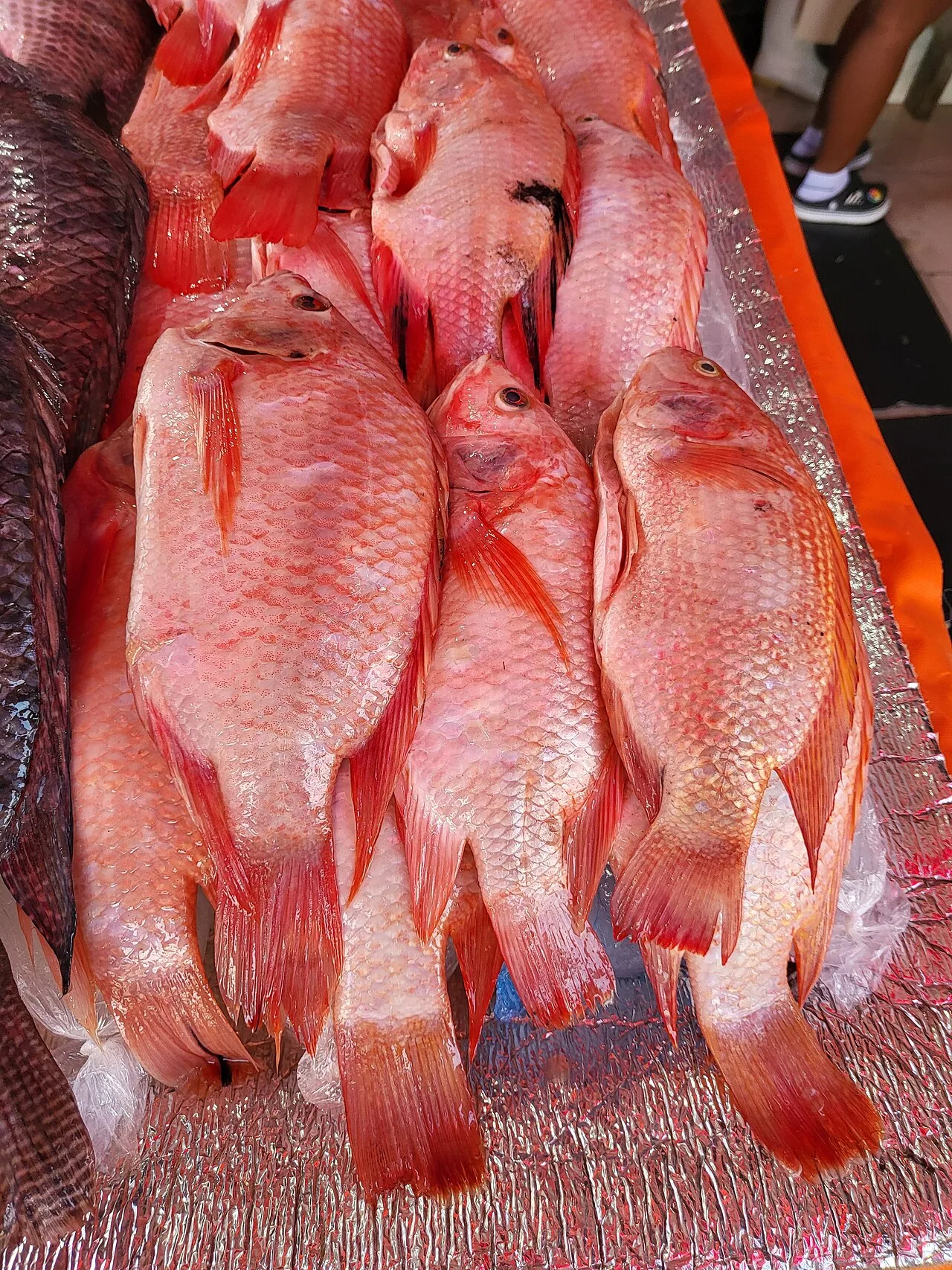
It is worth heeding. In 2016, El Universal documented complaints of overcharging tourists, such as a bill of 271,000 pesos for a few mojarras and some fish sancochos, and the role of the so-called 'pide pide', young men who recruit customers on the beach. The village's response was to agree on a fixed, visible price list. The rule applies on any beach in the city: ask the price of each dish, and of the fish according to its size, before ordering.
Coconut rice and patacón
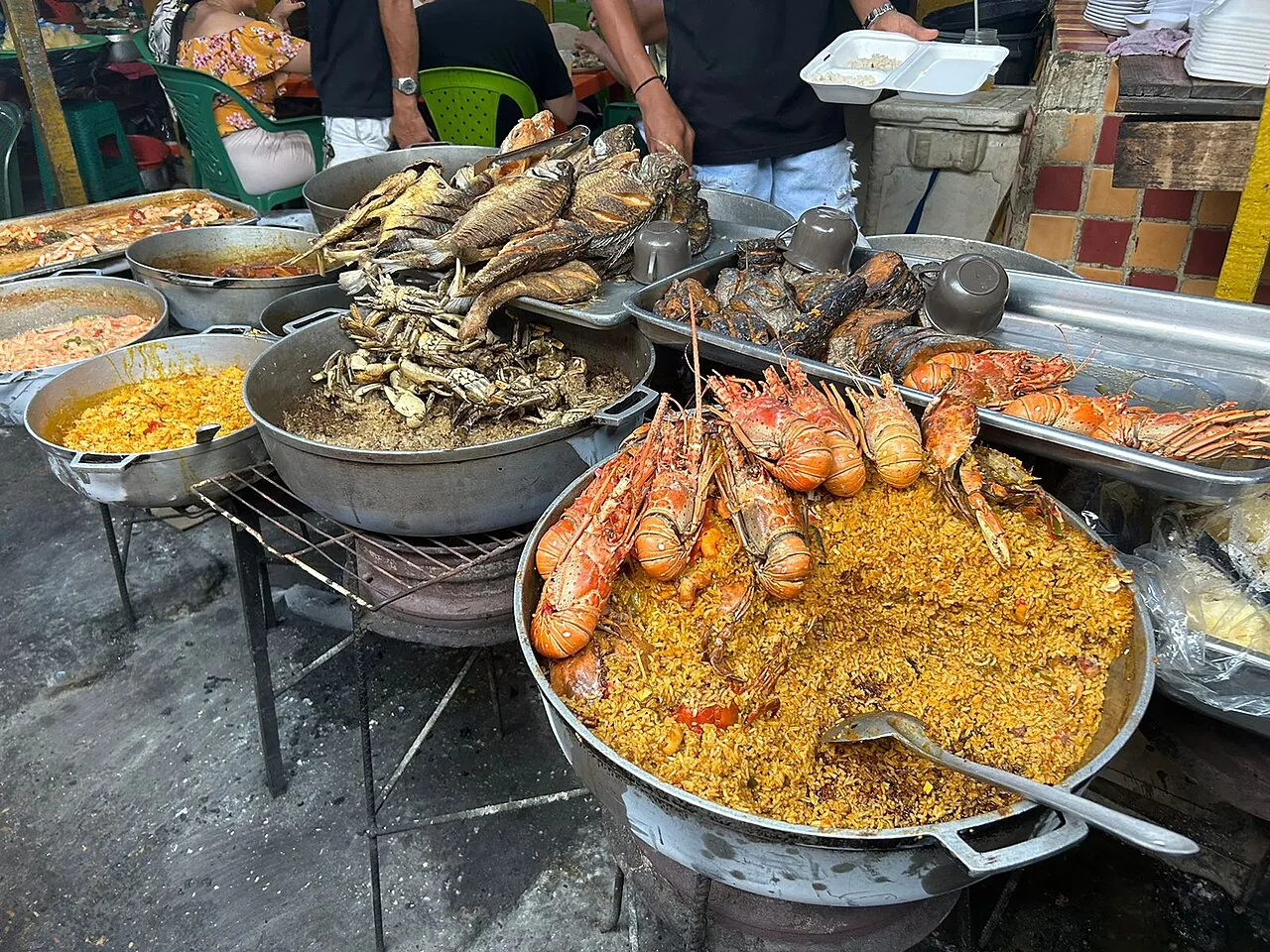
Coconut rice is the side that defines the plate. There is no documented history of its origin; El Espectador notes that the recipe probably emerged from the mixing of African, Indigenous and Spanish cooking on the coast. The traditional technique starts with coconut milk, cooked until it reduces, releases its oil and leaves a dark, toasted paste at the bottom of the pot that on the Colombian Caribbean coast is called titoté. The rice is sautéed on top of that titoté, and that is where its color and caramelized sweetness come from.
There are two main versions. The most common at a beach lunch is arroz con coco titoté, dark, slightly sweet and with loose grains. The other includes raisins, which add a sweeter note. In both, the quality of the coconut milk decides the result, because its reduction yields the oil, the color and the flavor of the dish all at once.
The patacón is simpler and no less important. It is green plantain cut into chunks, fried once, flattened and fried again until crisp. It serves as plate, spoon and bread. Several theories circulate about the origin of its name, almost all linked to old coins, and none is definitive. What is certain is its place on the coastal table: in October 2024, Cartagena held its first Festival del Patacón on the Camellón de los Mártires, where organizers made what they presented as the largest stuffed patacón in Colombia, and in October 2026 the fair held its second edition.
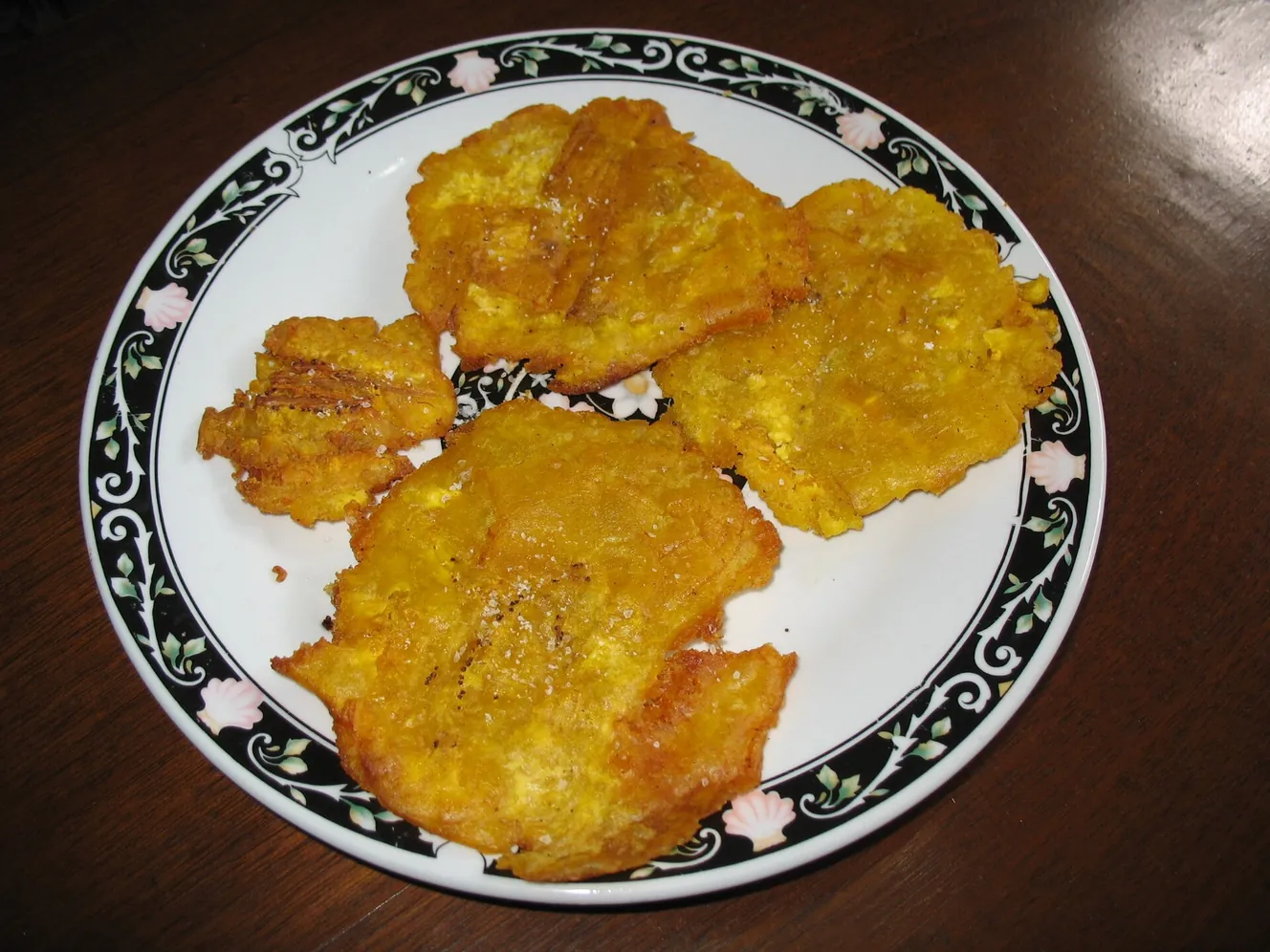
The 2024 Festival del Patacón took place from October 11 to 13, with stalls open until ten at night and the stated aim, in the organizers' words, of proclaiming Cartagena the world capital of the patacón. According to El Universal, by the second day it had already drawn more than 3,000 attendees. The fair showed the versatility of green plantain, from the plain patacón that accompanies fish to the stuffed versions that competed for the record.
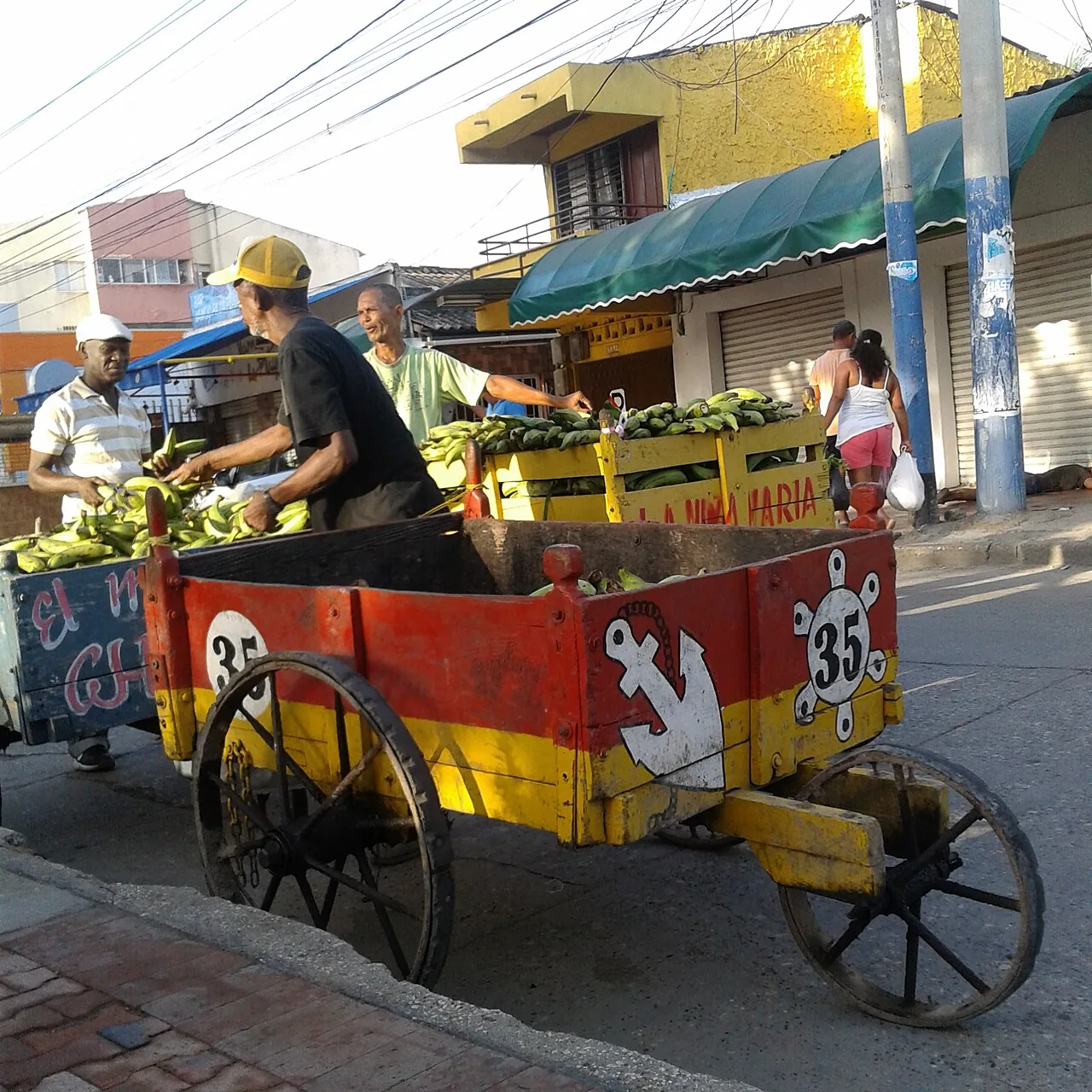
Plantain is also a neighborhood economy. On Cartagena's streets it is common to see vendors who buy plantains by the load at the market and take them around the neighborhoods from early morning, in wheelbarrows or in the back of a car. A good share of the patacones fried in homes and restaurants comes from there.
How to enjoy the lunch
La Boquilla runs on weekend time. On Saturdays, Sundays and public holidays, Cartagena families and visitors arrive, and the enramadas fill up from midday. During the week there is more calm and more time to talk with whoever is cooking. Bring cash.
Whole fish is usually priced by size, so it is worth seeing it and asking before it goes into the pan. Pargo and mojarra are the most requested; sierra and jurel, depending on the day's catch, round out the offer. Lime goes on top, and hot oil does the rest. In the city, Fermín Azkue's kitchen at Kanibal treats fish with a different patience: it hangs it until it is ready and finishes it on the embers.
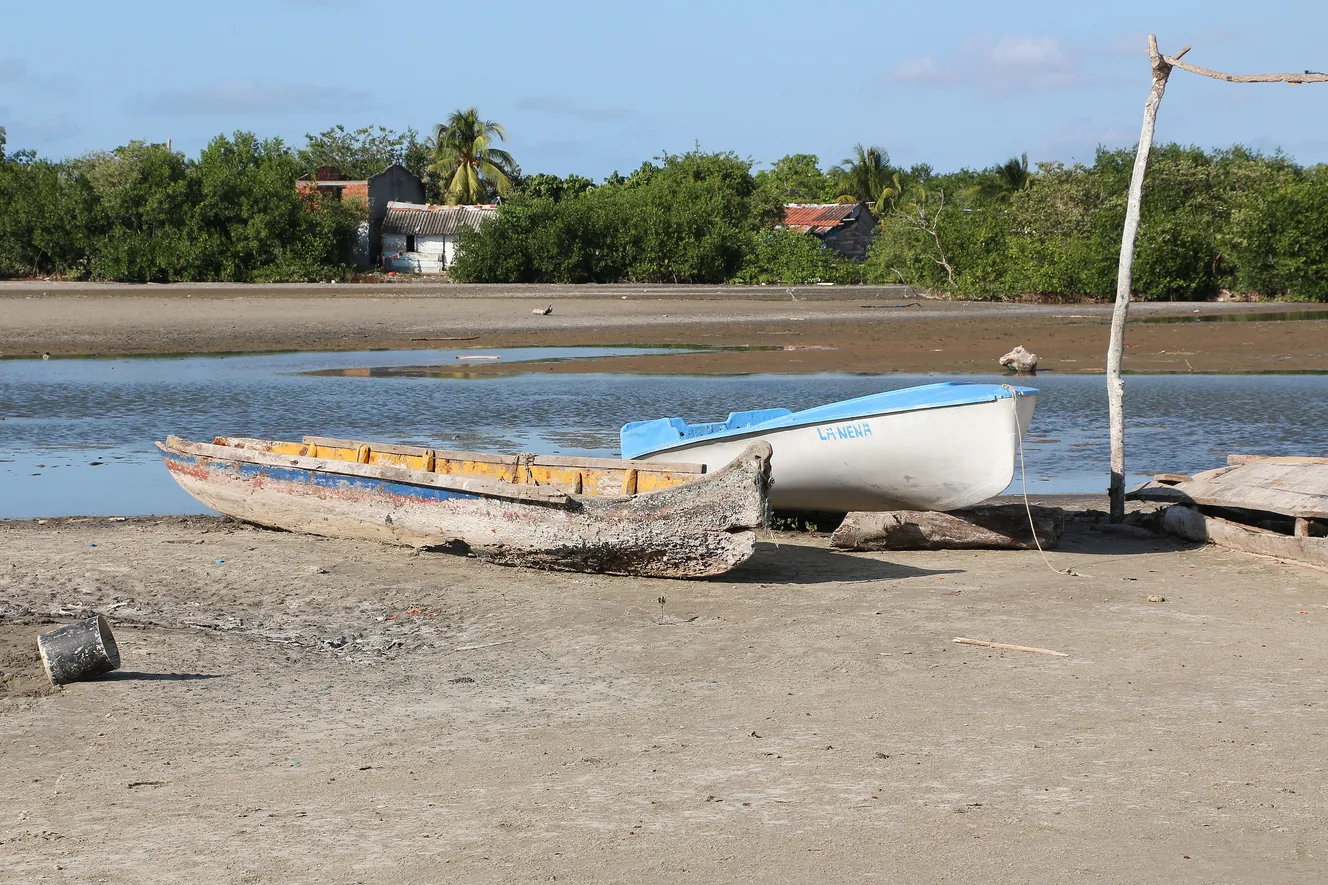
La Boquilla is also a place to look around. The fishermen's canoes rest on the sand and, behind the village, the ciénaga — the coastal lagoon — is still a fishing ground. Eating there, slowly and without checking the clock, a fish that came out of that same sea that morning is less a tourist plan than a way of understanding what Cartagena's coast lives on and what it is made of.
The plate arrives whole: the golden fish, the brown coconut rice and two patacones that crackle when you break them.
Sources
- Colombia Travel: La playa sostenible de Cartagena de Indias (La Boquilla) ↗
- Colombia Travel (portugués): A praia sustentável de Cartagena de Índias ↗
- El Universal: Cartagena ya tiene su primera playa Bandera Azul (2019) ↗
- El Universal: Playa Azul La Boquilla renueva certificación internacional ↗
- El Universal: Los 'pide pide' hacen de las suyas en La Boquilla (2016) ↗
- El Universal: 'Nuestro título está vivo', La Boquilla celebra fallo del Consejo de Estado (2025) ↗
- Blu Radio: Fallo anula titulación colectiva de La Boquilla ↗
- Concejo Distrital de Cartagena: Acuerdo 184, Fiestas del Pescador ↗
- Redalyc: estudio sobre La Boquilla ↗
- El Espectador: Arroz con coco, receta fácil y con el mejor sabor Caribe ↗
- El Universal: En Cartagena se hizo el patacón relleno más grande de Colombia (2024) ↗
- El Universal: Comienza la segunda edición del Festival del Patacón (2026) ↗
- Casa Salvaje (sitio oficial) ↗
Keep reading.

Food & drink
ONO, the hosomaki bar coming to Casa Salvaje.
Food & drink
The 4 best places for sushi in Cartagena.
Food & drink
The 5 best places to eat meat in Cartagena.