
Stories / Food & drink
Cocktails in Cartagena: from the Centro to the list of the world's best bars.
House rum, Caribbean fruit and a bar on Calle del Colegio that in 2026 placed third in The World's 50 Best Bars.
Cartagena Social Club · 6 min read
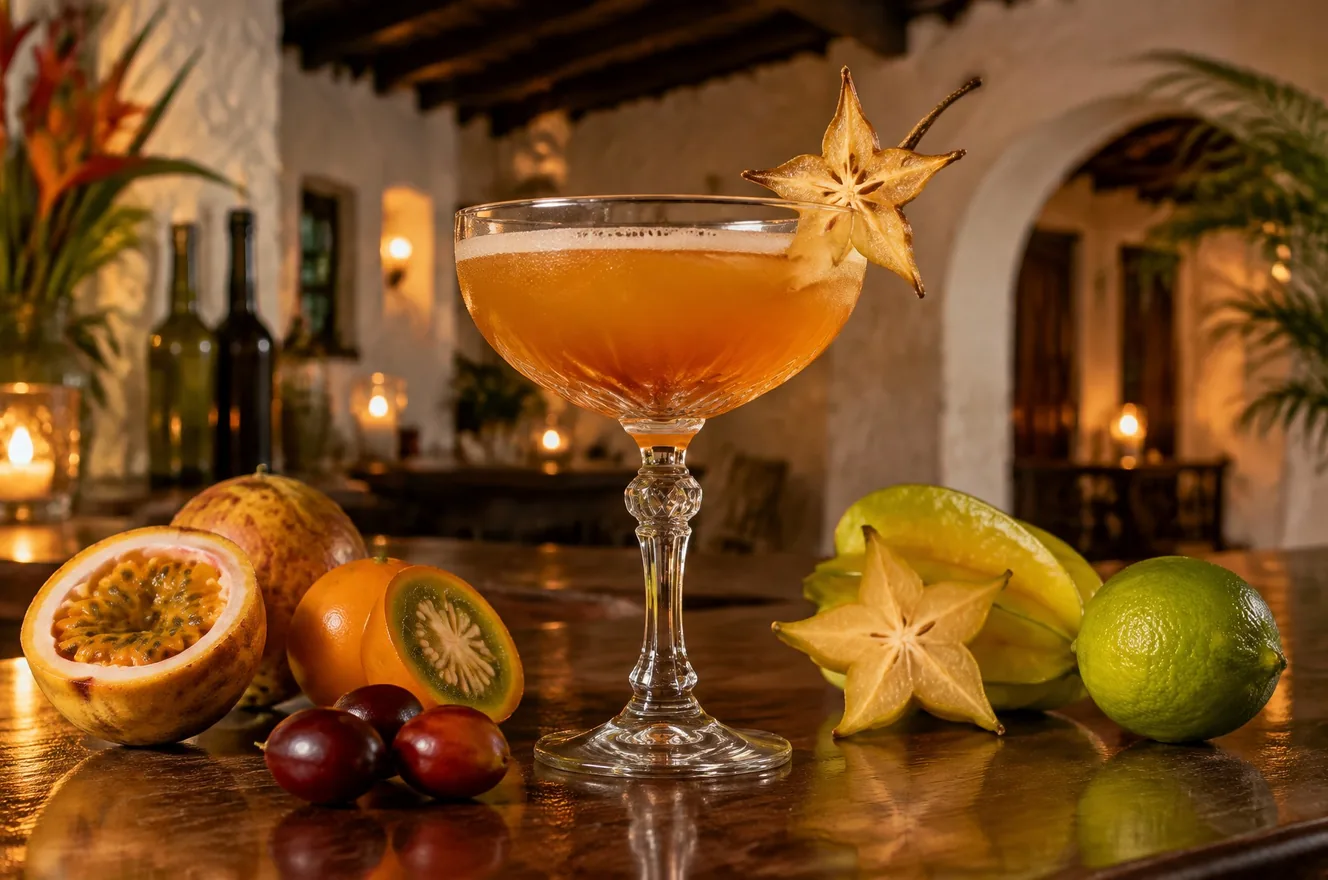
Rum and Caribbean fruit, where the city's cocktail scene starts. AI-generated illustration.
Cartagena has always drunk well, but for decades it drank simply: rum on the rocks, ice-cold beer, a coconut limonada at sunset. In the last ten years something changed. Bars in the Centro began working with regional fruit, Colombian spirits and the techniques of contemporary mixology, and the city ended up in the trade's international conversation. In 2026, a bar on Calle del Colegio placed third on The World's 50 Best Bars list.
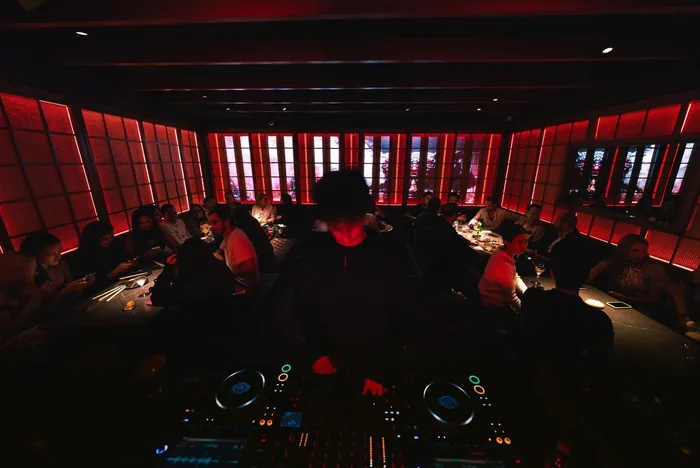
The night, in any case, starts at Casa Salvaje, the colonial house on the corner of Calle Santa Teresa and Calle Baloco. At Kanibal, the bar serves signature cocktails such as the Panteón de Fuego, with tequila and Aperol, which arrives wrapped in mist; the Furia, with chile liqueur, passion fruit and Tajín; or the Pytagoras, with mezcal, coffee and tamarind. At SLVJ, the menu adds the Wasa Wasa, with tequila and gulupa (purple passion fruit), the Desperado, with tequila and mezcal and lulo, and the Nankuru, with sake, lychee and lulo. From Thursday to Saturday, the SLVJ room turns into a club until 3 a.m., with a Funktion-One sound system.
Rum, kola and fruit: the local pantry
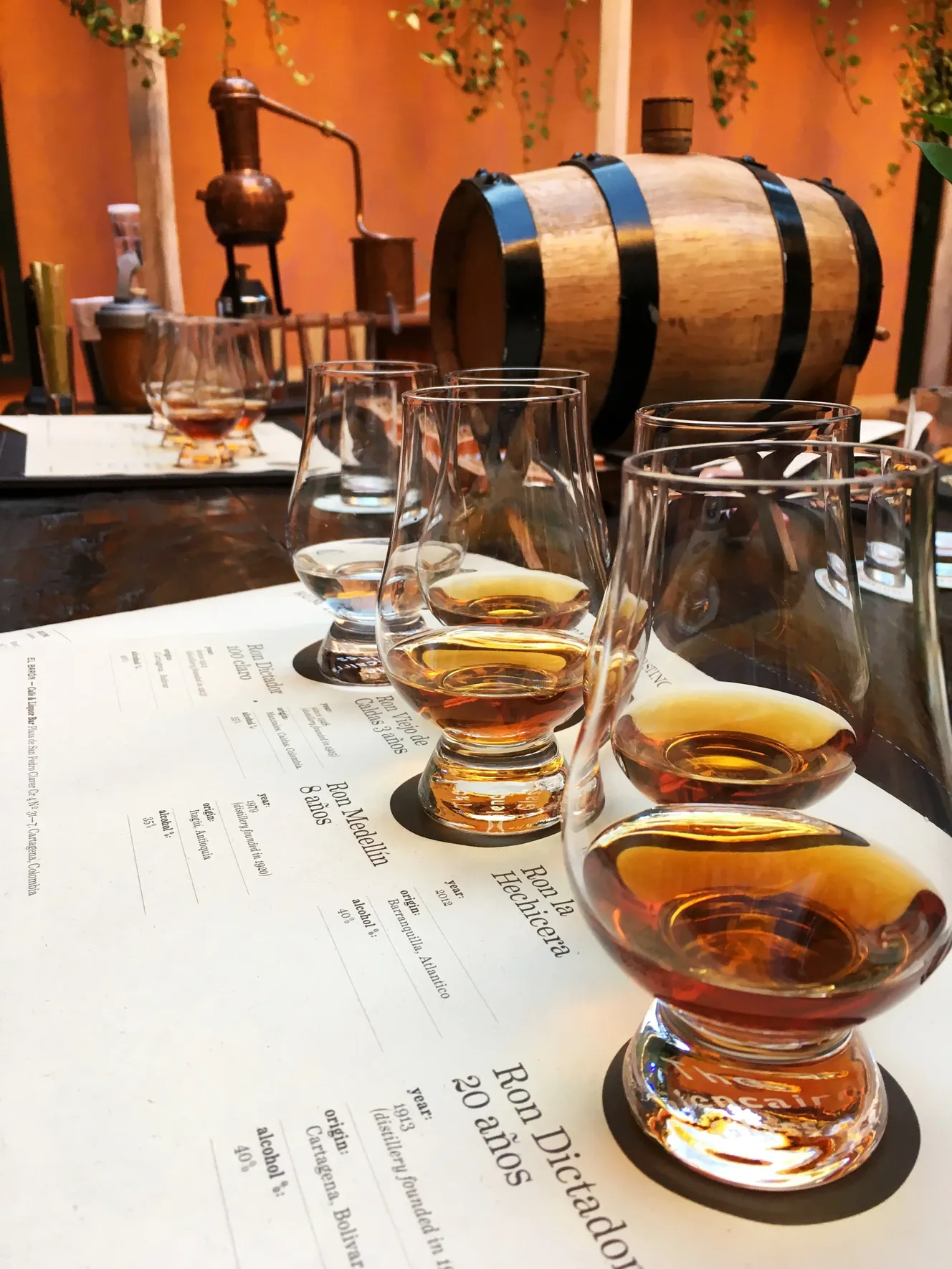
Cartagena's cocktail scene has its own ingredients. The oldest is rum. In 1913, Julio Arango y Parra founded the Destilería Colombiana in the city, the origin of the brand known today as Dictador, and the Parra family has remained tied to production through master blender Hernán Parra. It is one of the Colombian rums distilled on the Caribbean coast that have reached markets around the world.
The second ingredient is almost a historical curiosity: Kola Román, the red soda that the Román family, owners of a pharmacy in Cartagena, began producing in 1865 and that is considered Colombia's first soft drink. It is still the favorite across much of the Colombian Caribbean, and it is not unusual to find it reinterpreted on a cocktail menu.
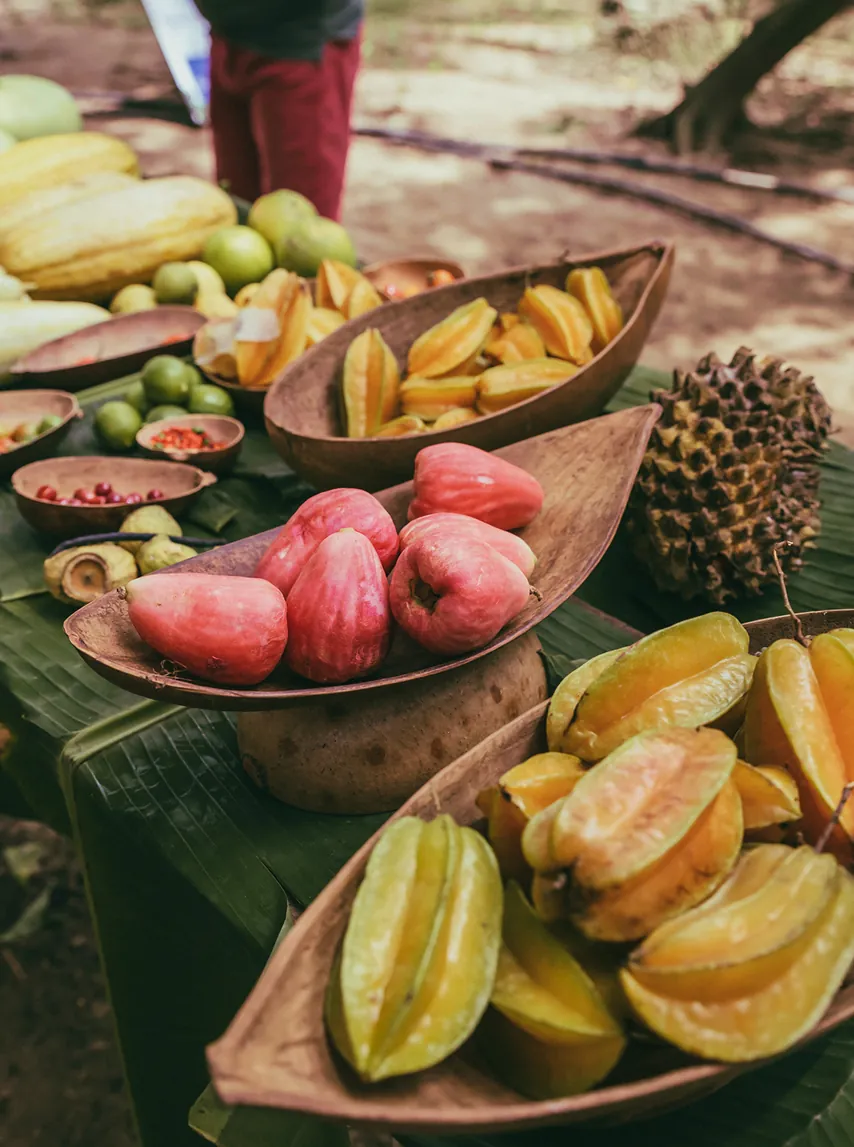
The third is fruit. Corozo, tamarind, passion fruit, lulo, gulupa, níspero (sapodilla), coconut: what the palenqueras sell from their basins and what is squeezed into street juices is also the raw material of the bars. The trend of the last decade has been to work with that local produce instead of importing flavors.
Alquímico: from Calle del Colegio to the world podium
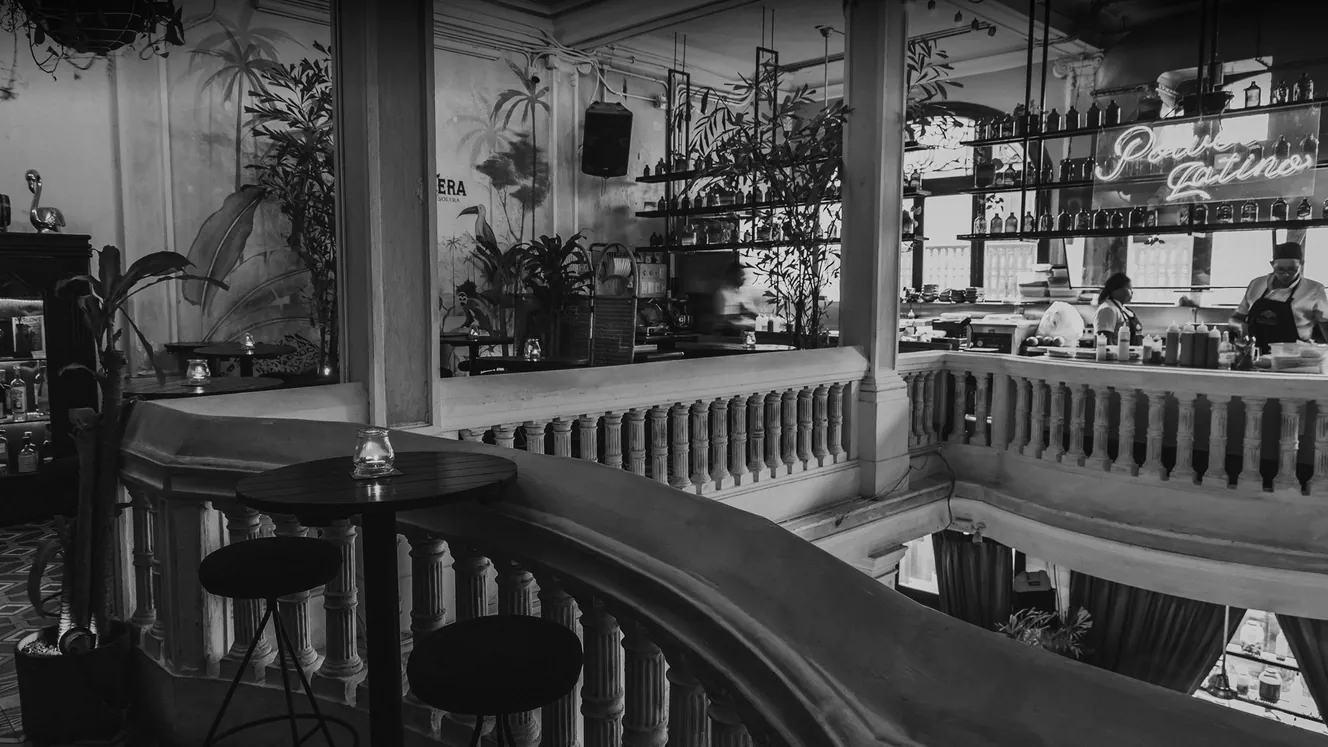
Alquímico occupies a 19th-century mansion on Calle del Colegio, in the Centro Histórico, spread over three levels. It was founded by bartender Jean Trinh, of French and Vietnamese descent, and his partner Yeferson Ávila Rodríguez. According to an interview published by Difford's Guide, it opened as a cocktail bar in 2016, and in 2018 its owners invested in a farm in the Eje Cafetero, the coffee region, to grow ingredients for the bar.
That farm explains much of its rise. In 2020, Alquímico entered The World's 50 Best Bars at number 47, the first Colombian bar to appear on the list, and that same year it received the Ketel One Sustainable Bar Award, the organization's sustainability prize, which the judges gave it for the farm project, able to produce supplies for the bar and to house part of the team during the pandemic. It was the first Latin American bar to win it.
That 2020 edition was announced online, on November 5, in the middle of the pandemic, and was headed by the Connaught Bar in London. For a four-year-old Cartagena bar, appearing on that list alongside bars in London, New York or Singapore changed the scale of the conversation: the city stopped being only a destination of beaches and walls and also appeared on the map of contemporary mixology.
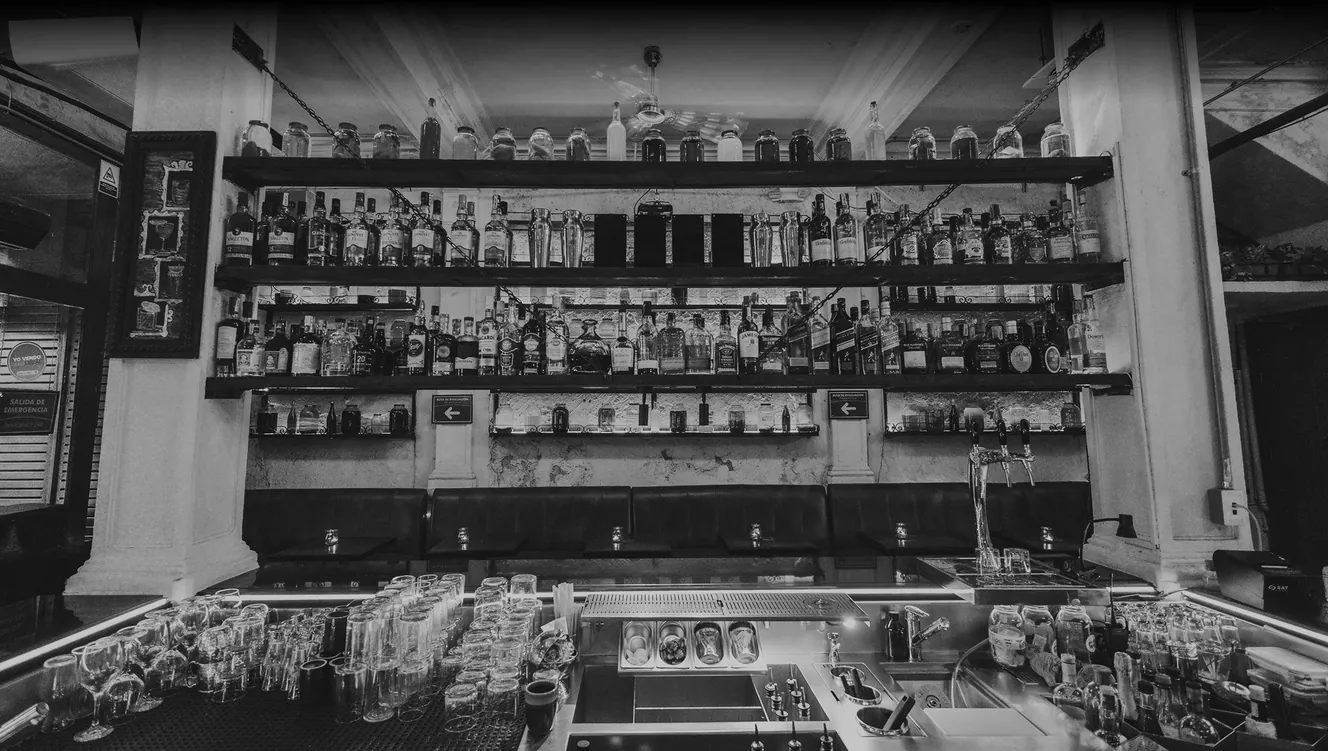
Since then, the climb has been steady. In 2022 it placed tenth, at the ceremony held in Barcelona, and became the best South American bar on the list; that year, Trinh also received the Altos Bartenders' Bartender Award. In 2023 it was ninth, according to Forbes Colombia; in 2024, eighth, at the Madrid gala; in 2025, eleventh, as the only Colombian bar among the fifty. On October 7, 2026, in Milan, the list placed it third in the world, behind only Bar Leone, in Hong Kong, and Moebius Milano.
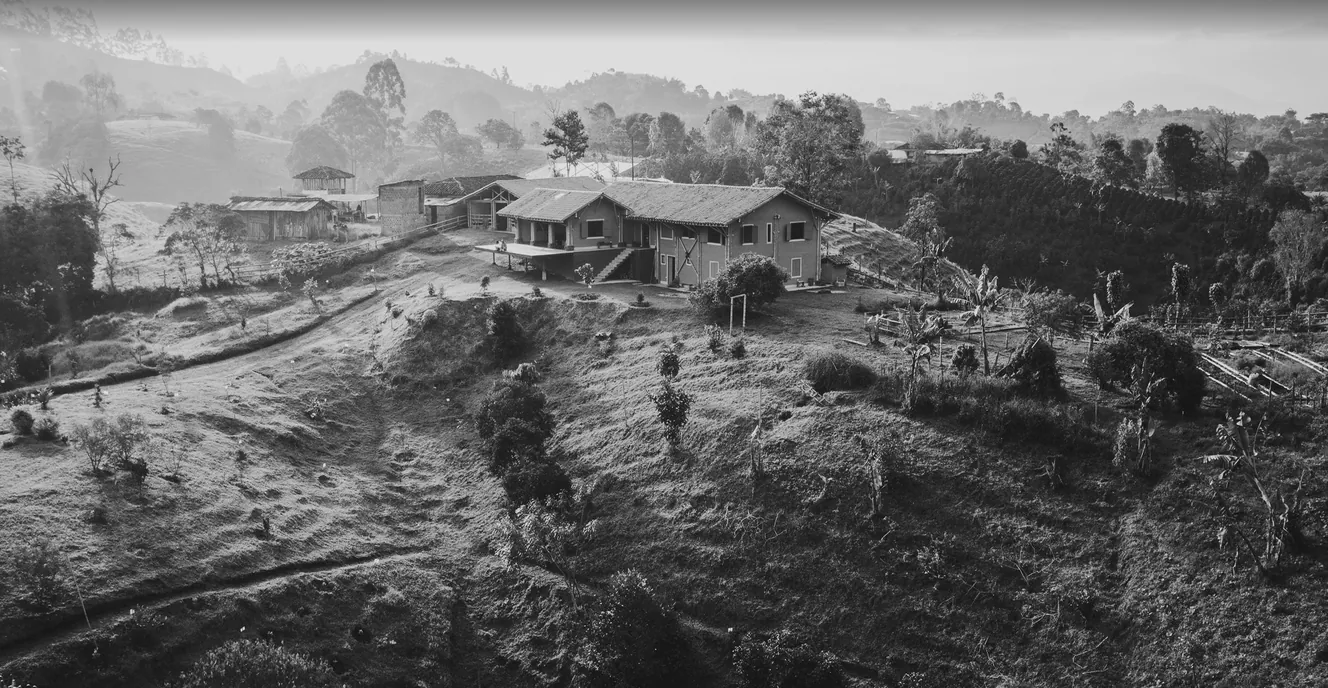
The 2022 award to Trinh, given by the same organization, presented him as a pioneer of sustainability in mixology. According to Difford's Guide, the bar's farm is in Filandia, in Quindío, and covers some 25 acres, a little over ten hectares, devoted to organic crops. What grows there, from herbs to fruit, ends up in the glasses on Calle del Colegio, hundreds of kilometers away, and is a central part of the story the bar tells international juries.
According to La República, in that 2026 edition Colombia also had Mamba Negra, in Medellín, at number 22, and Carmen, also in Medellín, at 39. Alquímico remains Cartagena's only representative in the top fifty. In 2024, the same newspaper estimated the average spend on a visit to the bar at about 80,000 pesos.
Alquímico's rise is part of a broader movement. Bogotá has La Sala de Laura, which in 2026 placed 95th on the extended list, and Medellín has established itself as Colombia's other cocktail capital. In all of them, the constant is the same: Colombian ingredients, fruits little known outside the country, national spirits and a discourse about sustainability and working with producers.
Other bars in the Centro
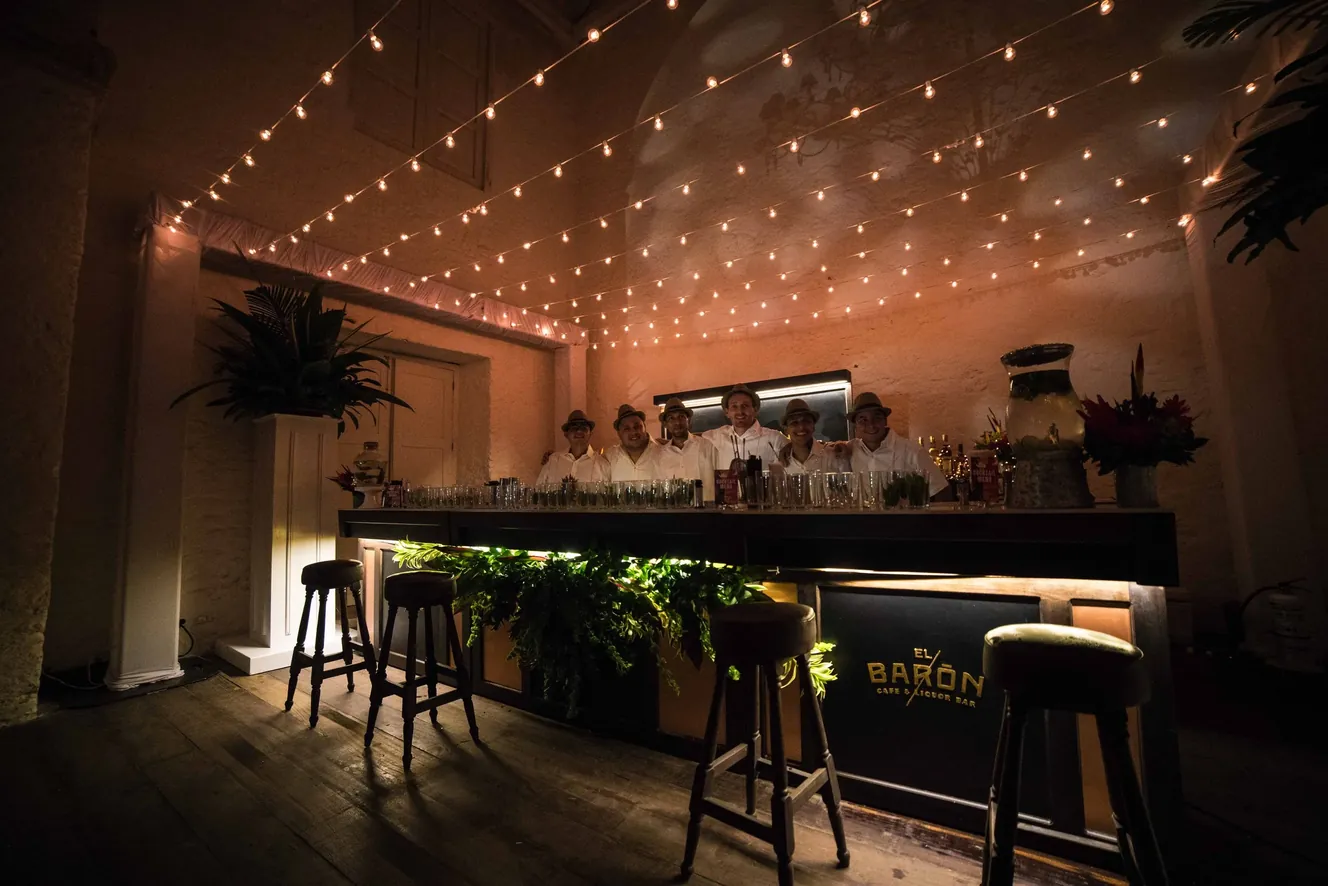
Alquímico is not alone. A few blocks away, beside the Plaza de San Pedro Claver, El Barón has a small indoor bar and a terrace on the square. In 2022 it placed 66th on the extended list of the world's 100 best bars, and in 2025 it appeared, along with Alquímico and the restaurant Celele, in the 50 Best Discovery selection, the same organization's platform that recommends places around the world, according to El Universal.
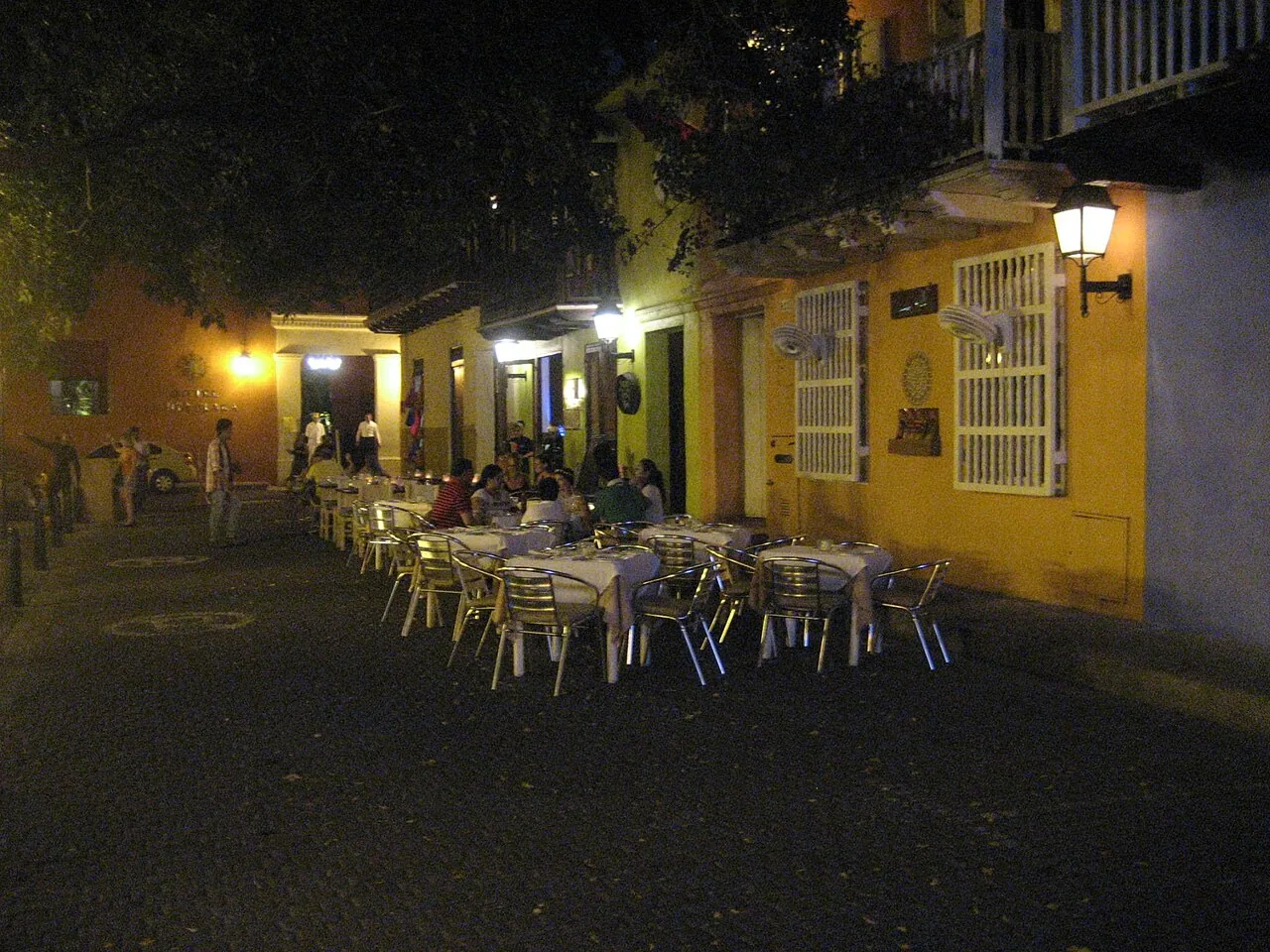
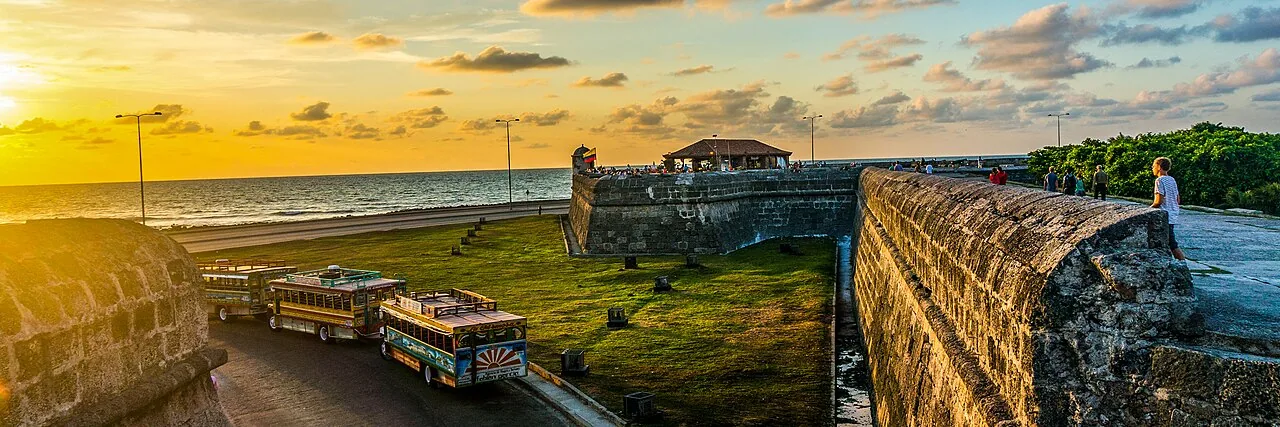
The Centro also has a tradition of terrace and square bars. As evening falls, the tables in the Plaza de Santo Domingo, San Diego and San Pedro Claver fill up, and on the city wall the bars that face the sea set up for sunset. In Getsemaní, across the Camellón de los Mártires, the night has more live music and more street life. The general advice is the same everywhere: ask for the menu with prices before sitting down, especially on terraces with a view.
How to drink the city
Cartagena's cocktails are best enjoyed slowly. The temperature and humidity invite long, tart, refreshing drinks, with plenty of ice and fruit, rather than heavy spirits. A good circuit starts at sunset, when the heat drops, continues with dinner and ends at a bar or a club. At Casa Salvaje that route fits under one roof, and soon it will start even earlier: La Domenica, the daytime world the house is preparing, will serve Italian aperitivo as the afternoon fades.
Bars recognized by international lists fill up mostly from Thursday to Saturday and in high season, from mid-December to mid-January. Booking, when the bar allows it, or arriving early avoids lines. And it is worth remembering that international recognition has not changed the essentials: in Cartagena, the best cocktails are still the ones that taste of Caribbean fruit.
Cartagena's cocktail scene learned to look inward: to market fruit, to rum distilled in the city and to the farm where the herbs come from.
Sources
- The World's 50 Best Bars: Alquímico ↗
- PR Newswire: Bar Leone, Hong Kong, is The World's Best Bar as The 50 Best Bars 2026 is revealed ↗
- La República: Colombia mete tres bares en el top 50 mundial y Alquímico alcanza el tercer lugar (2026) ↗
- La República: Alquímico volvió a entrar en The World's 50 Best Bars, puesto 11 (2025) ↗
- Wikipedia: Kola Román ↗
- El Tiempo: Alquímico de Cartagena, ahora es el décimo mejor bar del mundo (2022) ↗
- The World's 50 Best Bars 2020: así fue la ceremonia ↗
- Difford's Guide: Yeferson Ávila Rodríguez y Jean Trinh ↗
- La República: El Barón y La Sala de Laura, entre los 100 mejores bares del mundo (2022) ↗
- El Universal: 4 restaurantes y bares en Cartagena entre los 50 mejores del mundo (2025) ↗
- La República: Tardear en bares de Cartagena puede costar entre 80.000 y 140.000 (2024) ↗
- The Food Tech: Se establece Ron Dictador ↗
- Casa Salvaje (sitio oficial) ↗
Keep reading.
Food & drink
ONO, the hosomaki bar coming to Casa Salvaje.
Food & drink
The 4 best places for sushi in Cartagena.
Food & drink
The 5 best places to eat meat in Cartagena.