
Stories / Food & drink
Coffee, juices and mornings in the Centro.
Before the sun bears down, Cartagena wakes up to tinto from a thermos, corozo juice, arepa de huevo and a new generation of specialty coffee shops.
Cartagena Social Club · 6 min read
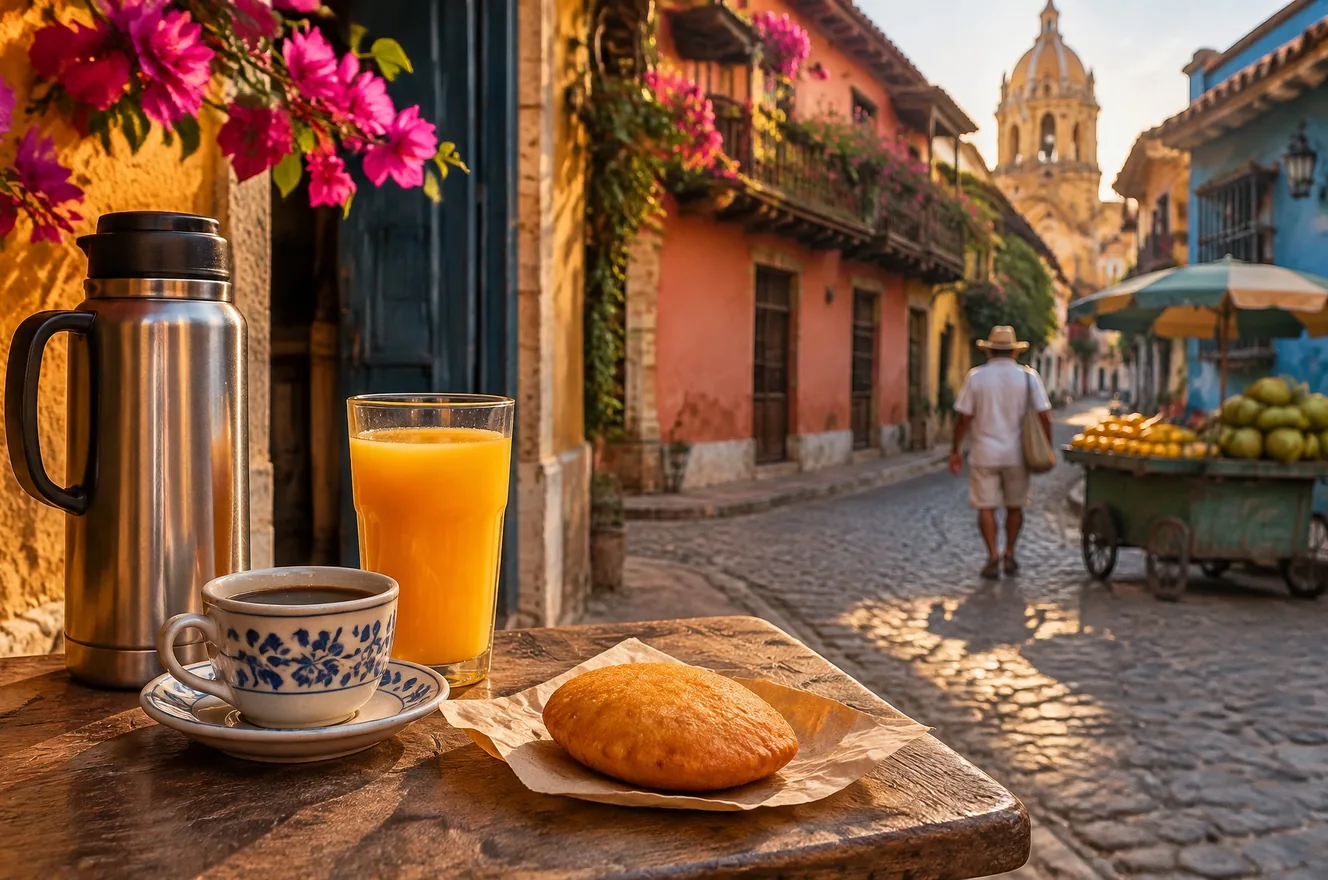
The first hour of the day in the Old Town: black coffee, juice and arepa. AI-generated illustration.
The best hour in Cartagena's Centro is the first. Between six and nine in the morning, before the heat settles in, the walled streets have a different light and a different rhythm. Street sweepers finish their rounds, tinto vendors start theirs, palenqueras buy and cut fruit and the first cafés raise their shutters. It is the hour of the cartageneros, and it is worth getting up to see it.
Casa Salvaje, on Calle Santa Teresa, is preparing a world precisely for those hours: La Domenica, which will be the daytime world, with coffee on waking, pizza for a long lunch and Italian aperitivo as evening falls, in a terracotta room with brass tables. It will open soon and its hours are yet to be confirmed. For the first specialty coffee, the closest stop to the Cathedral is Época Café, on Calle del Arzobispado, an all-day café serving single-origin coffees that opens at 7:30 a.m. Meanwhile, on Sundays Kanibal and SLVJ open from 11 a.m., for those who prefer the morning to start late.
Street tinto
In Colombia, black coffee is called tinto, and it is the drink that accompanies street life. In Cartagena's Centro it is sold by the tinteros, who move through the squares with thermoses and small cups, and serve it hot and almost always sweet. El Universal has more than once gathered the voices of these informal vendors, who earn their living on the streets of the Centro Histórico and who coexist, not always peacefully, with public-space enforcement.
That street tinto is the starting point of a longer story. Colombia is one of the world's great coffee producers, and the region where much of its bean is grown, the Coffee Cultural Landscape, was inscribed by UNESCO on the World Heritage List in 2011. For decades, however, the best coffee was exported, and in the cities people drank mostly watery tinto and instant coffee.
Specialty coffee in the Centro
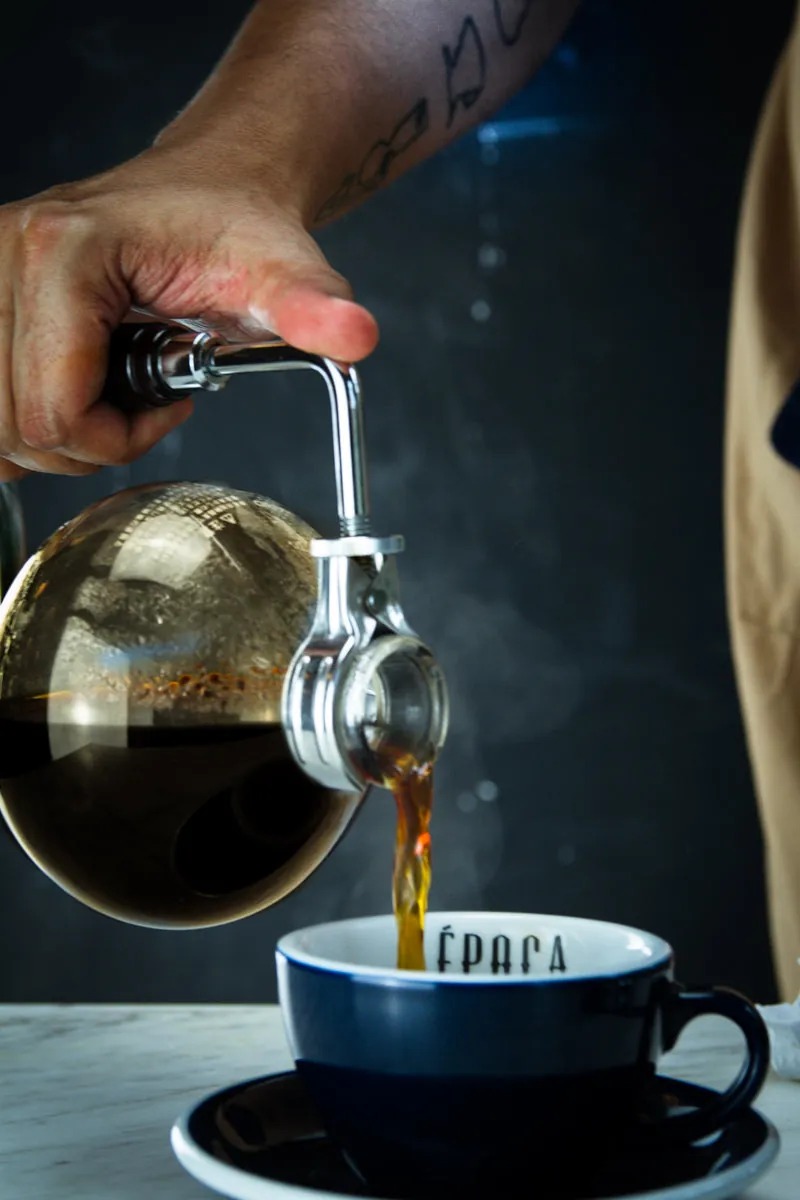
That began to change with the arrival of specialty coffee shops, which work with selected beans, roast in small batches and offer different brewing methods. In the Centro, one of the most frequently cited by guides is Época Café, on Calle del Arzobispado, which roasts its own coffee on the premises and sells beans of varieties such as bourbon, honey-processed caturra or geisha. It also serves breakfast and brunch.
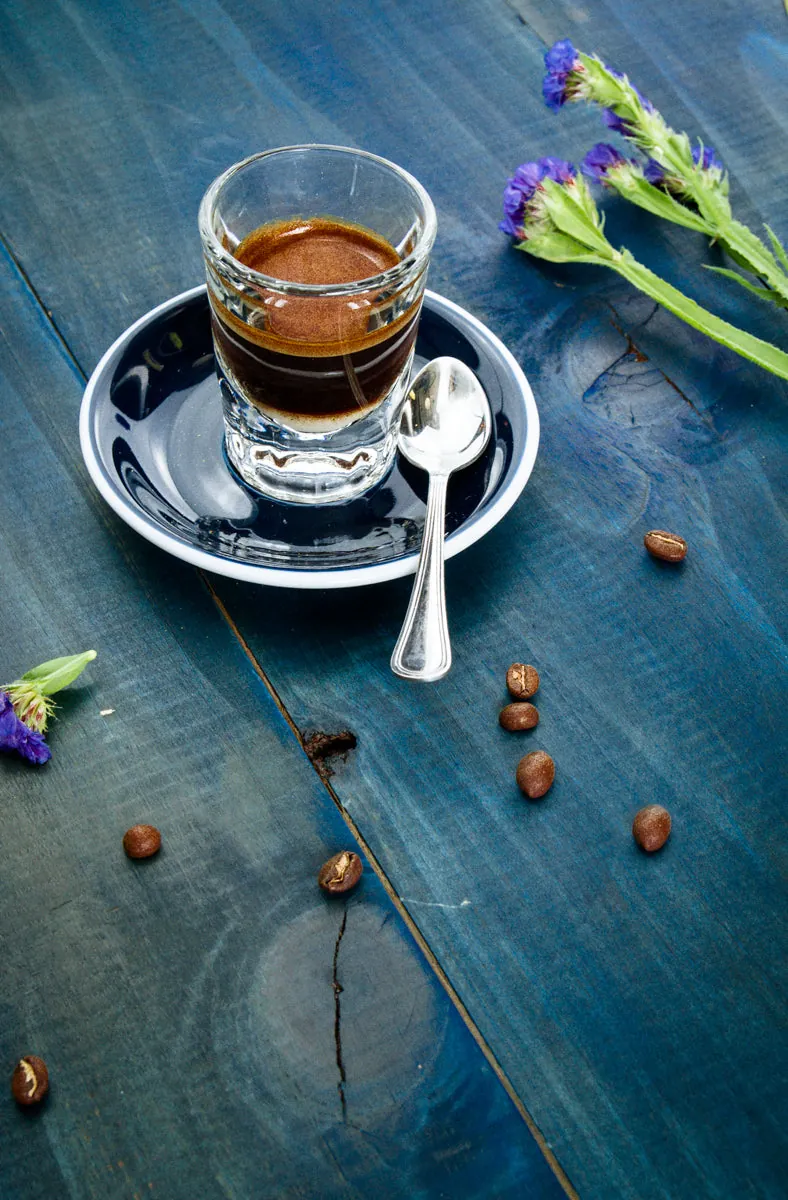
In the shade of the Plaza de Santo Domingo there is a Café San Alberto shop, the high-end coffee brand whose hacienda is in Buenavista, Quindío, in the heart of the Coffee Cultural Landscape. According to Portafolio, the brand has two shops in Cartagena, one of them inside the port. Its concept is that customers choose the extraction method for their cup.
Época, for its part, has a window for ordering coffee to go and a shared table for anyone who needs to work for a while with a connection. Its breakfast and brunch menu is served all day, so there is no need to get up early to try it.
Ábaco Libros y Café combines bookshop and bar: books on the shelves and Colombian coffee, chai tea, limonadas and pastries for unhurried reading; it also offers tastings comparing brewing methods. In Getsemaní, Café del Mural, a small laboratory run by David Arzayus, from Bogotá, roasts and brews its own coffee and offers cupping workshops; it opens in the afternoon, and is a good excuse to cross over to the neighborhood as the sun goes down.
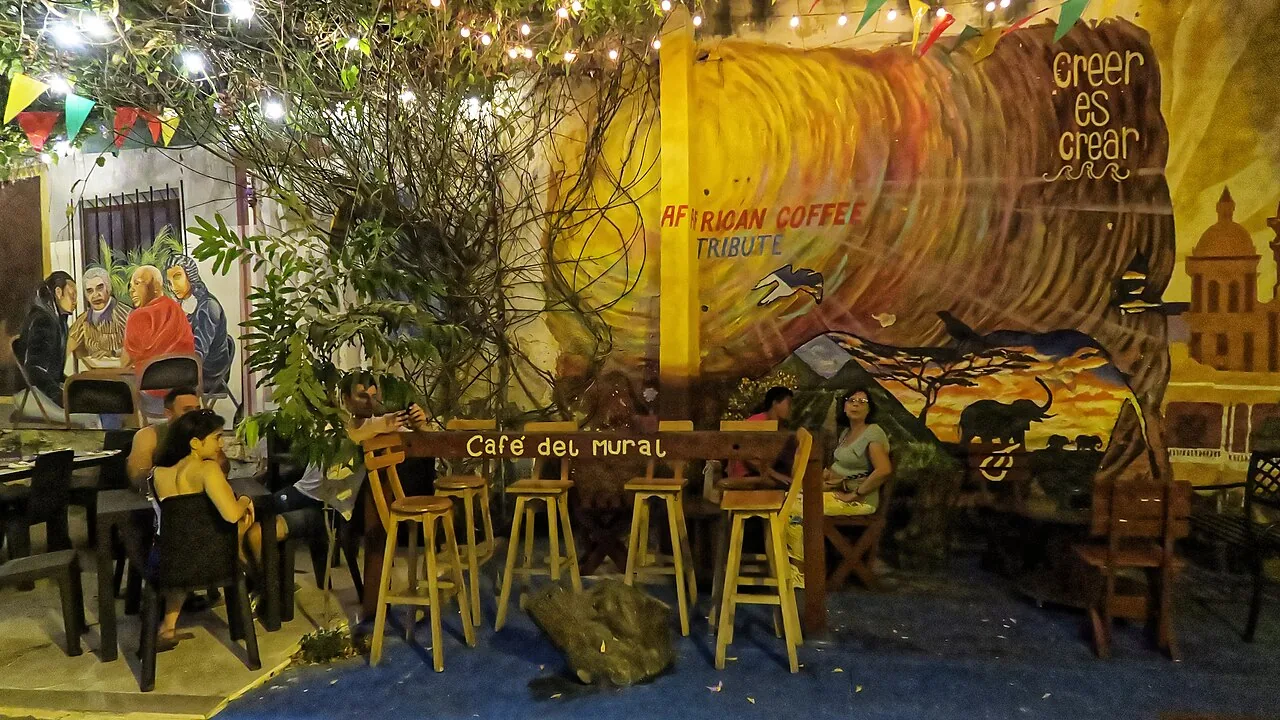
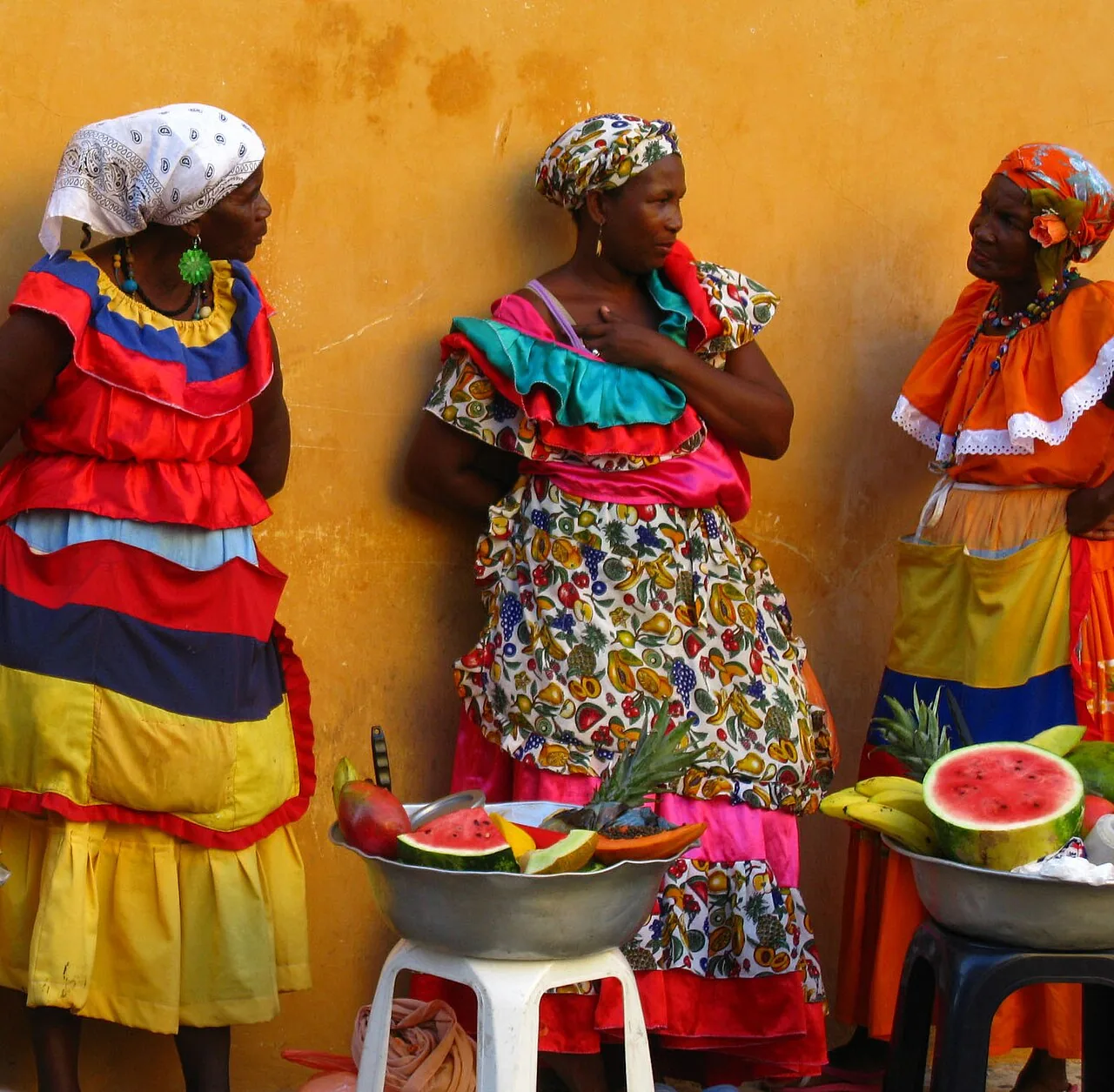
A possible morning route fits into a few blocks. Start with a tinto in the Plaza de Santo Domingo, continue along Calle del Arzobispado to the Época bar, pass through the Plaza de Bolívar, where the palenqueras are already at work at that hour, and finish at the Portal de los Dulces, facing the Torre del Reloj, with a cocada for the road. Before ten, when the sun starts to weigh, you will already have seen another city. Once La Domenica opens at Casa Salvaje, Calle Santa Teresa will add another stop to that morning.
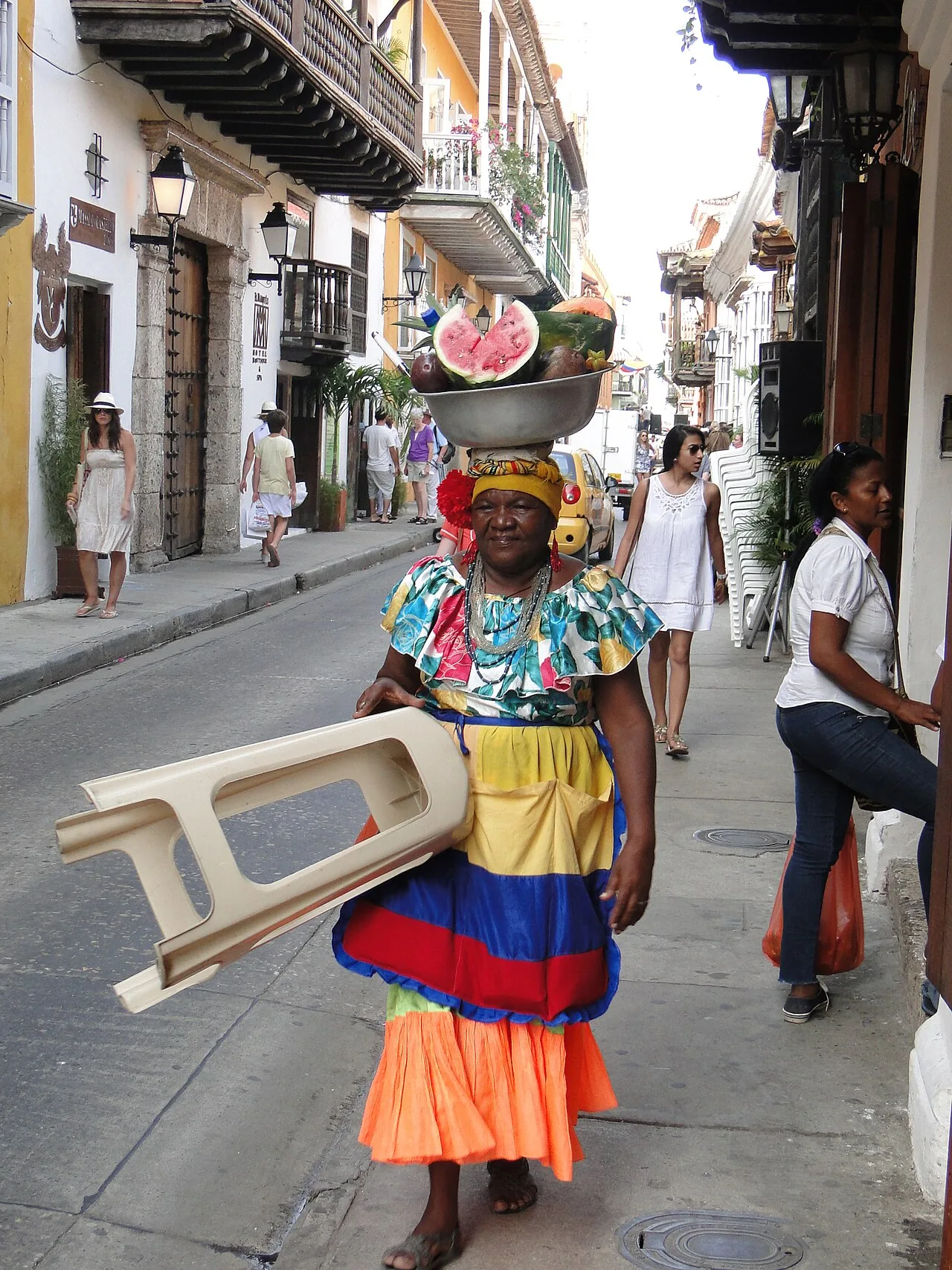
Regional juices
The other great morning drink is juice. In February 2025, El Universal chose four traditional drinks of the city. The first is jugo de corozo, which the newspaper describes as one of Cartagena's most emblematic: it is made with corozo, a small red fruit that grows on wild palms in the region, and it is common to find it in cold bottles in the hands of street vendors.
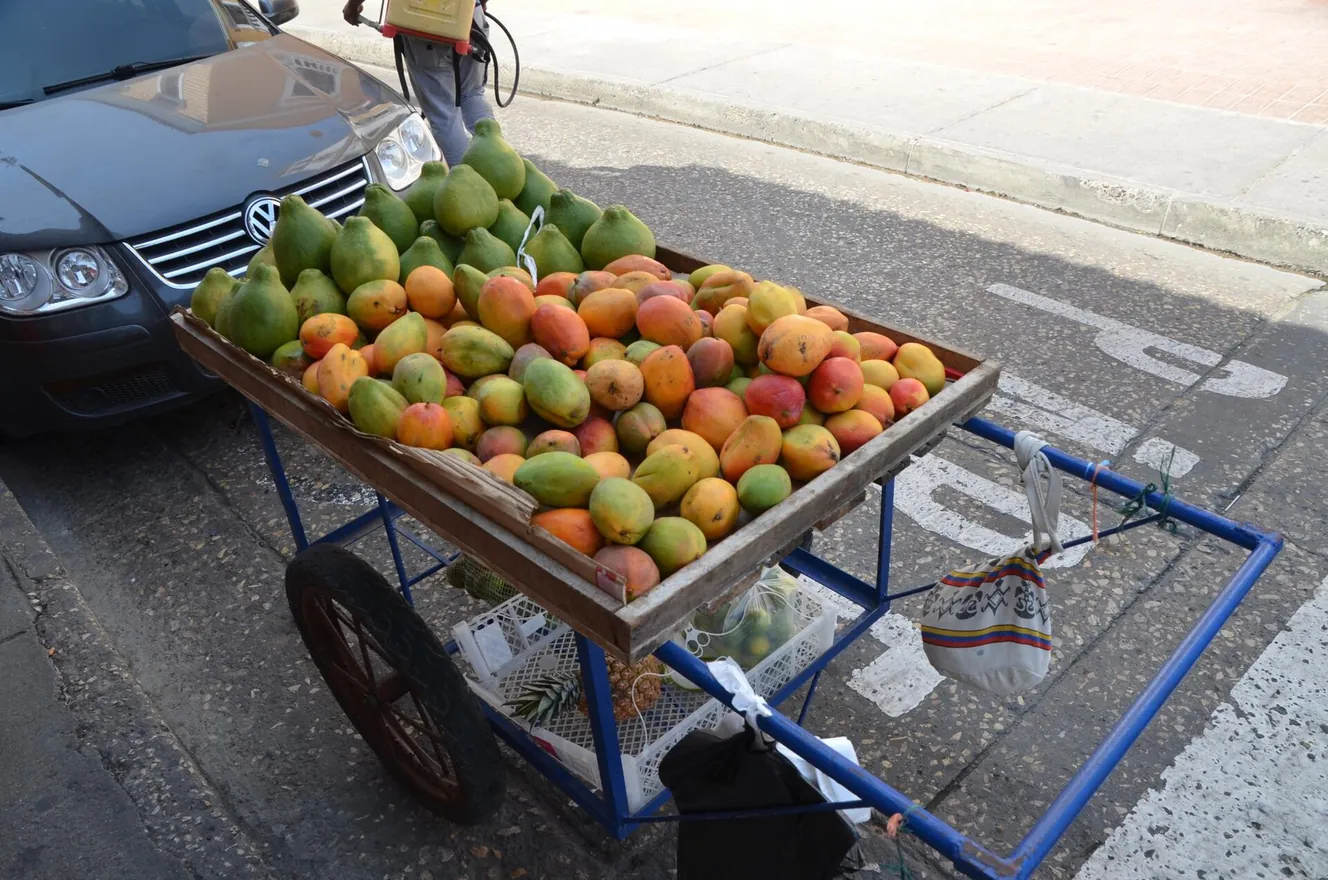
The list continues with tamarind juice, a fruit widely used in Cartagena's cooking, especially in drinks; limonada de coco, the best known among visitors; and agua de panela con limón, a cool, natural alternative to soft drinks. Added to that list in the cafeterias and juice stands of the coast are níspero (sapodilla), which can be made with milk or water, and zapote, very popular in Cartagena.
Limonada de coco deserves a paragraph of its own. It is made by blending cream of coconut with lime juice, sugar and ice until you get a thick, white, very cold drink, and New World Review magazine called it Cartagena's unofficial welcome drink. Corozo, for its part, is not only drunk as juice: according to Infobae, it is also used in sweets and is credited with medicinal properties in the popular tradition of the coast.
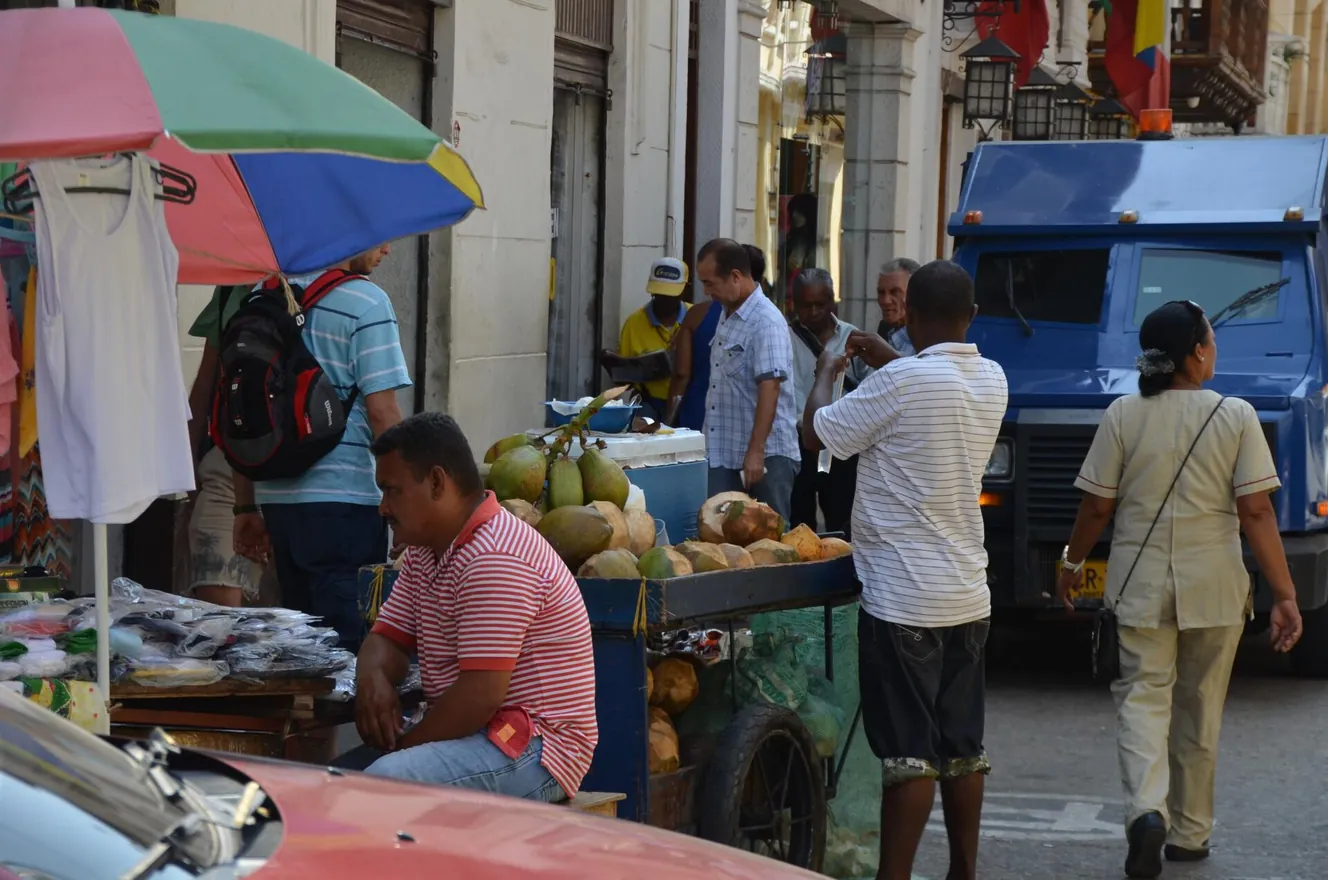
Lists of juices from the Caribbean region add other fruits, such as guanábana (soursop), anón (sugar apple), mango, marañón (cashew fruit) or guava. In cafeterias they are almost always made to order, in a blender, and can be ordered without sugar or with little. A single morning is enough to cover much of the coast's fruit pantry.
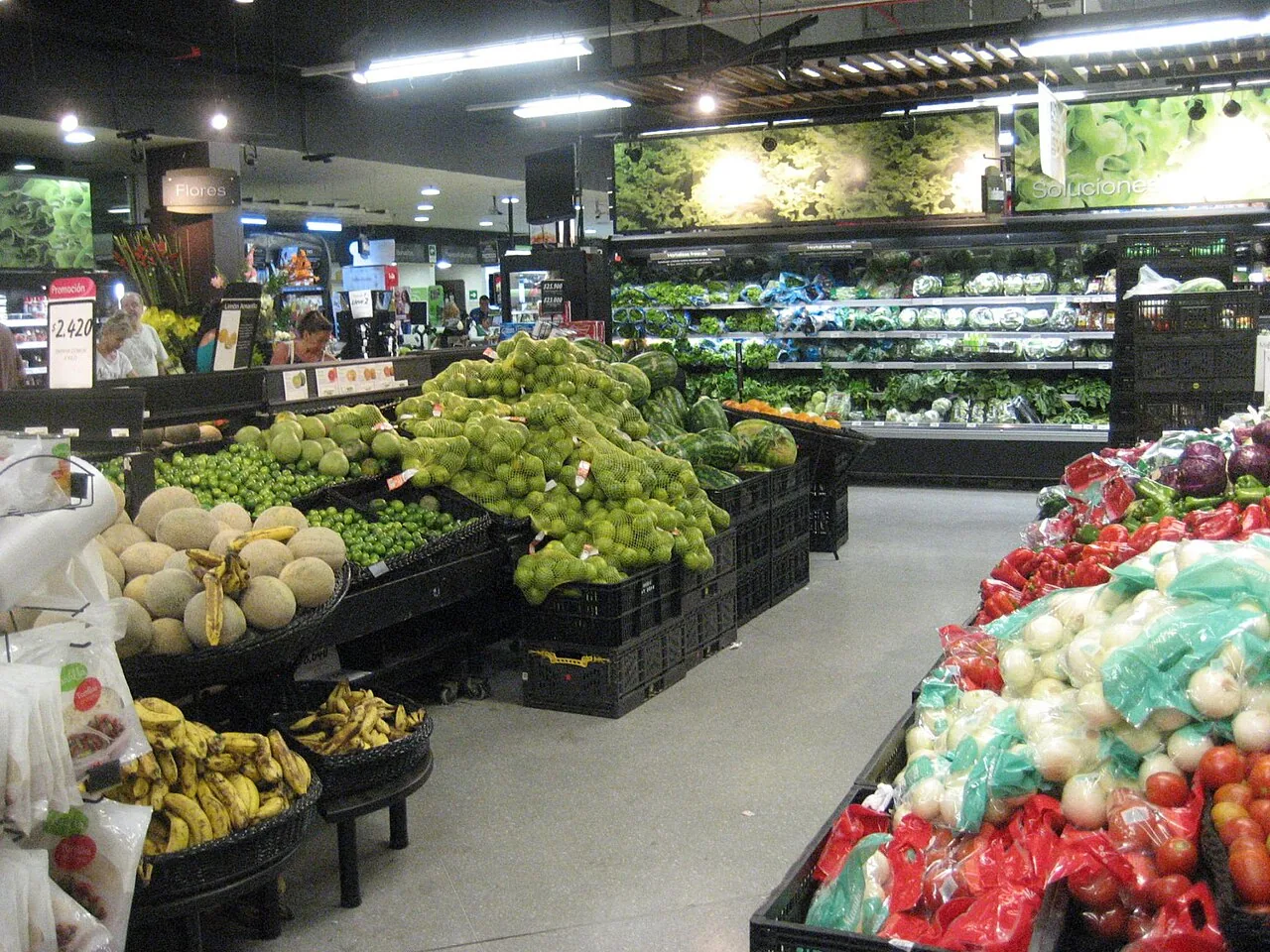
Juices are ordered made with water or milk, with more or less sugar, and served with ice. On the street, the palenqueras also offer cut fruit in portions: a simple way to have something fresh for breakfast while walking.
The coastal breakfast
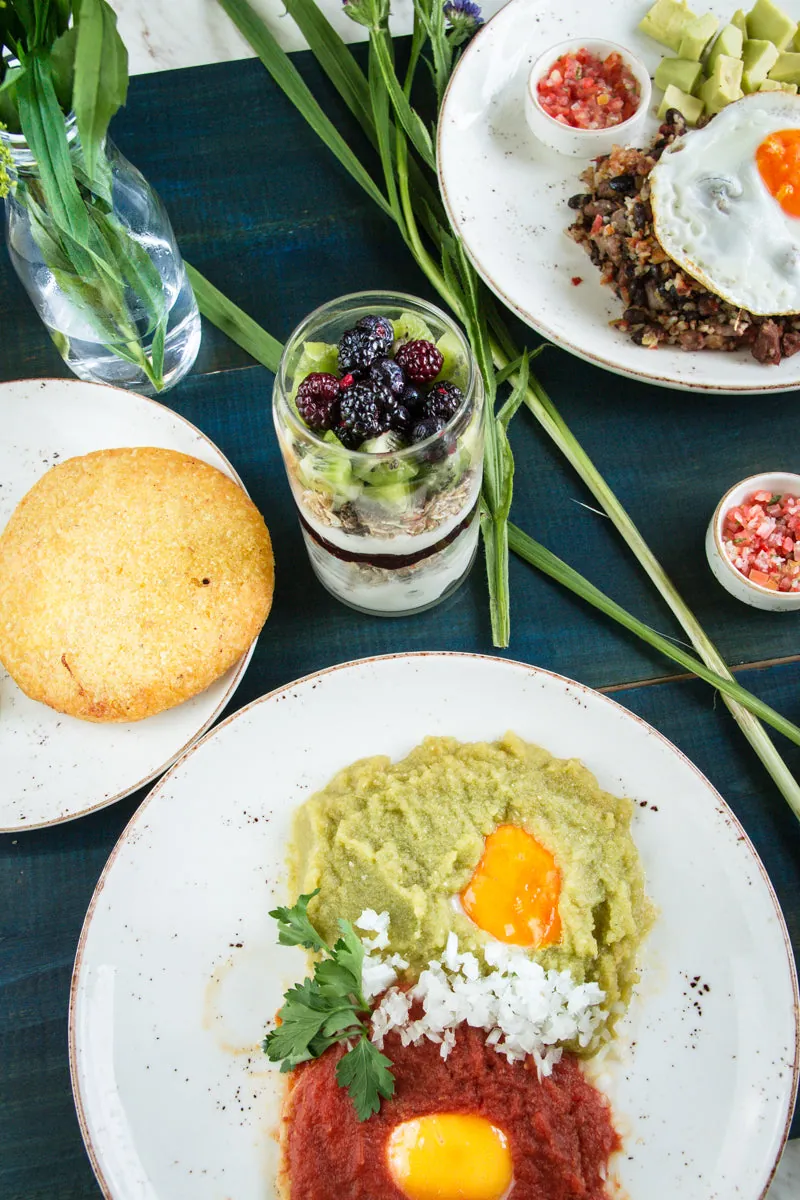
The classic Cartagena breakfast is savory and hearty. Its centerpiece is the arepa de huevo, fried to order and served with suero costeño, a sour cream from the region. Around it come queso costeño, firm and salty; bollo limpio, a white corn dough cooked in a leaf; butifarra, a small sausage from the coast; scrambled eggs with tomato and onion, known as huevos pericos; and calentao, the previous day's rice reheated and served with egg. A study by the Universidad del Norte documents that bollos are frequent companions to those eggs at Caribbean breakfasts.
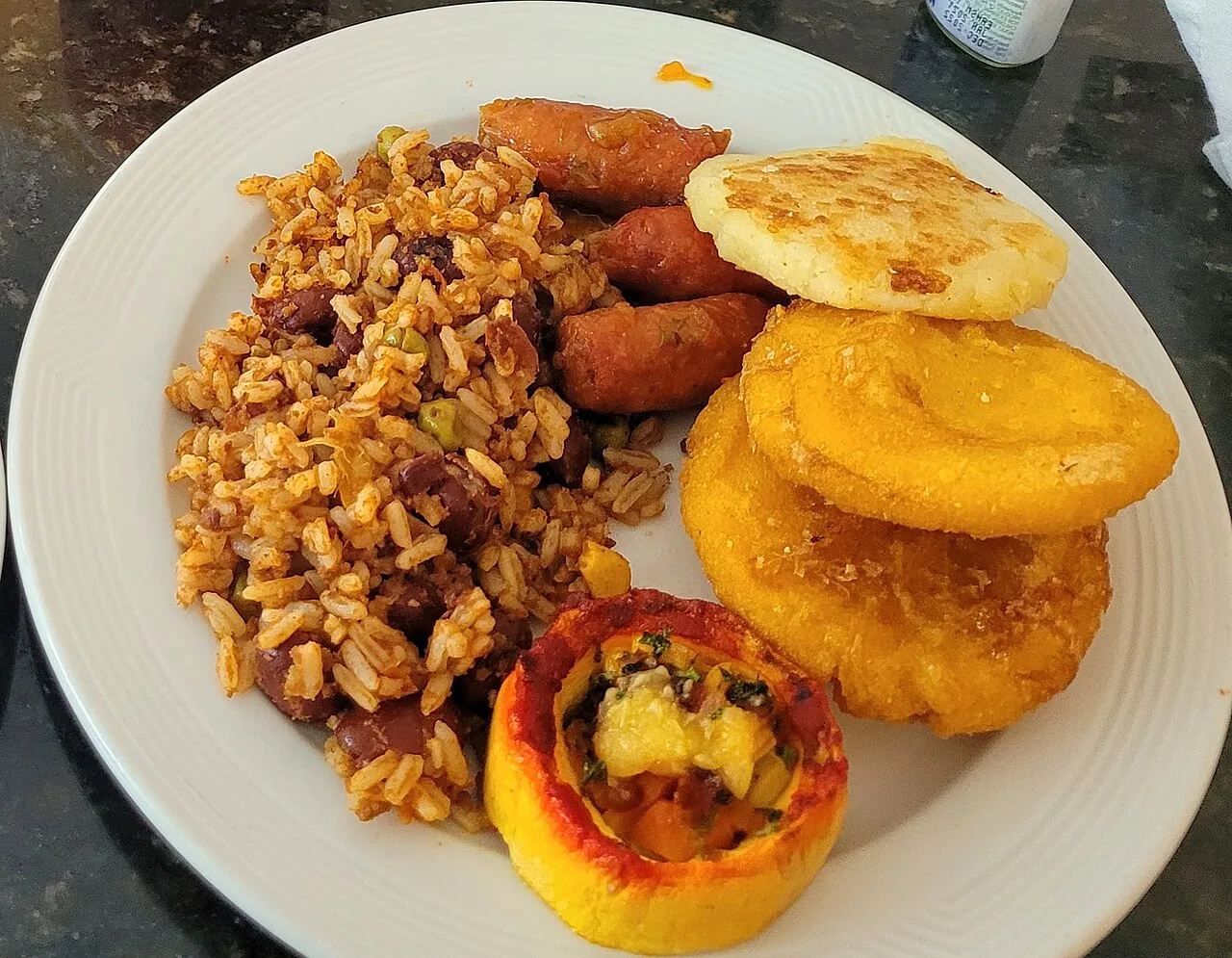
Another classic is green plantain boiled in its skin and mashed into a purée, mixed with butter, suero or cheese. And to go with it, once again, a tinto or a juice. These breakfasts are found mostly in neighborhood cafeterias and in restaurants serving coastal food.
The advice for visitors is simple: devote at least one morning to walking the Centro early, eat breakfast like a cartagenero and then have a specialty coffee. It is the best way to understand that the city is not only lived at night. The Cartagena of terraces and clubs exists, but it starts much earlier, with a glass of cold corozo and an arepa fresh out of the oil.
Mornings are the Centro's secret hour: the streets still cool, the fruit freshly cut and the first tinto of the day.
Sources
- El Universal: Cuatro bebidas tradicionales de Cartagena que encantan a sus visitantes (2025) ↗
- El Universal: Déjennos trabajar, vendedores del Centro ↗
- UNESCO: Coffee Cultural Landscape of Colombia ↗
- Las2orillas: el tinto y sus derivados ↗
- Bizarre Globe Hopper: Best cafés in Cartagena, specialty coffee ↗
- Kimkim: Best cafés in Cartagena ↗
- Portafolio: la marca colombiana de café de especialidad que evalúa llegar a China (San Alberto) ↗
- Sprudge: Café San Alberto ↗
- Cartagena Explorer: Café del Mural ↗
- Universidad del Norte: estudio sobre los bollos en la cocina del Caribe ↗
- Infobae: El corozo, fruta típica de la costa Caribe (2026) ↗
- Casa Salvaje (sitio oficial) ↗
- Época Café · Cartagena (sitio oficial, horario) ↗
Keep reading.

Food & drink
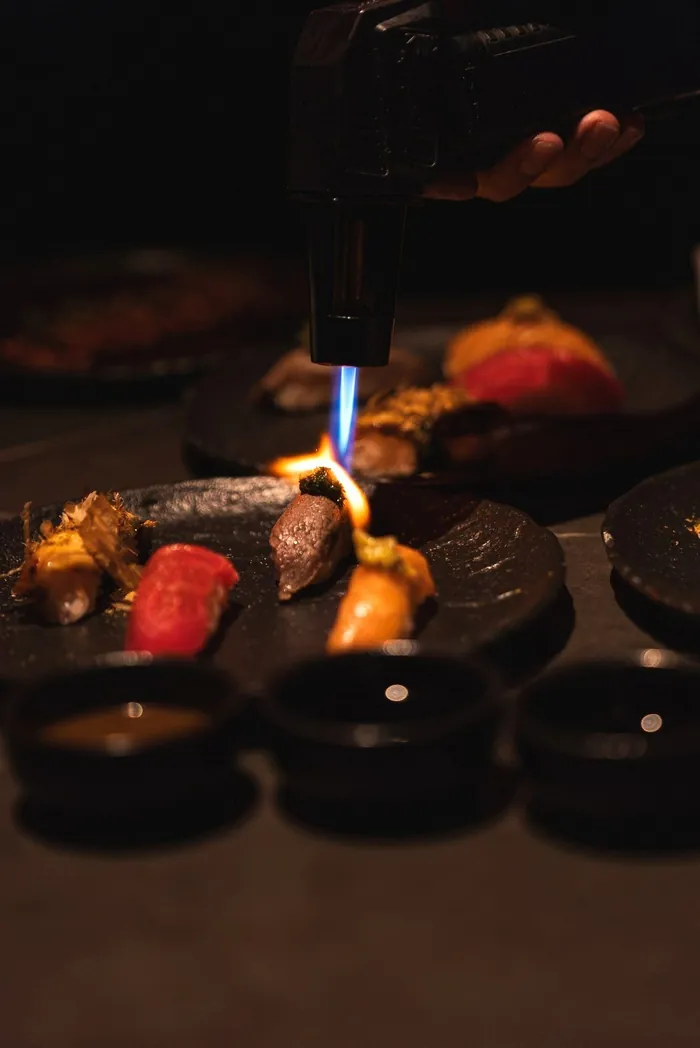
ONO, the hosomaki bar coming to Casa Salvaje.
Food & drink
The 4 best places for sushi in Cartagena.
Food & drink
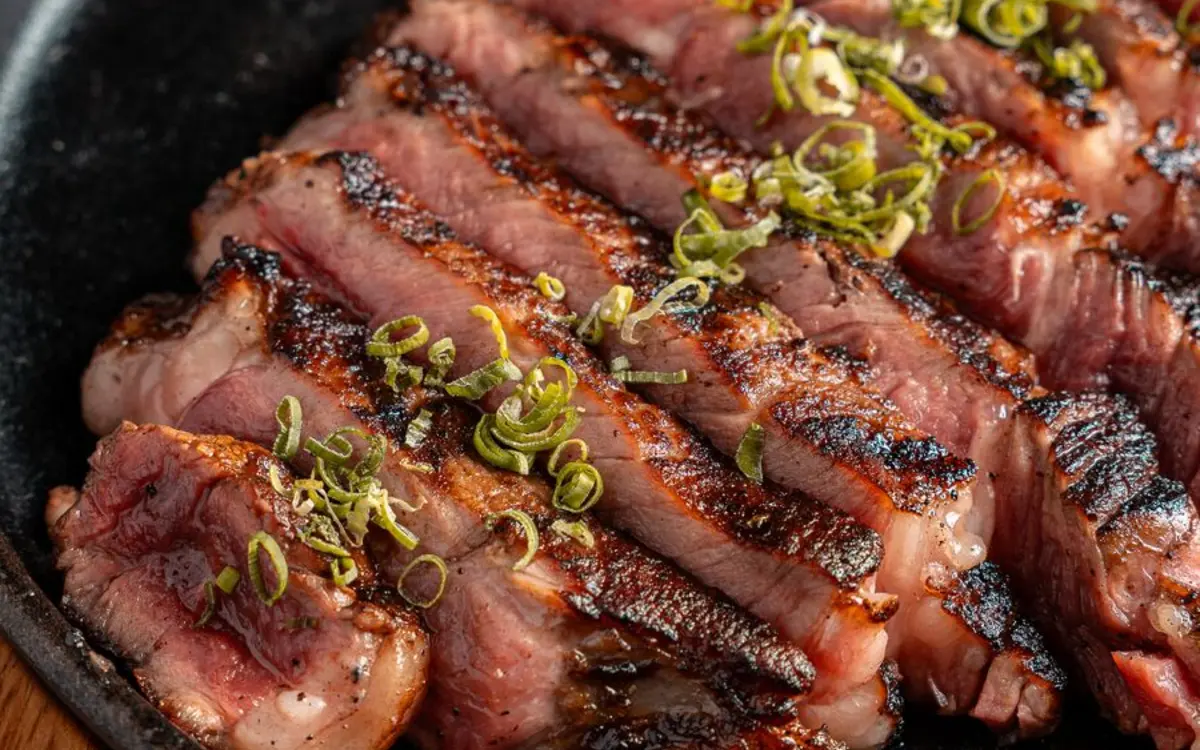
The 5 best places to eat meat in Cartagena.