
Stories / Food & drink
Bazurto, where the food begins.
Before many of the city's tables there is a market that rises early beside the lagoon. Its history, its cooking and its uncertain future.
Cartagena Social Club · 6 min read
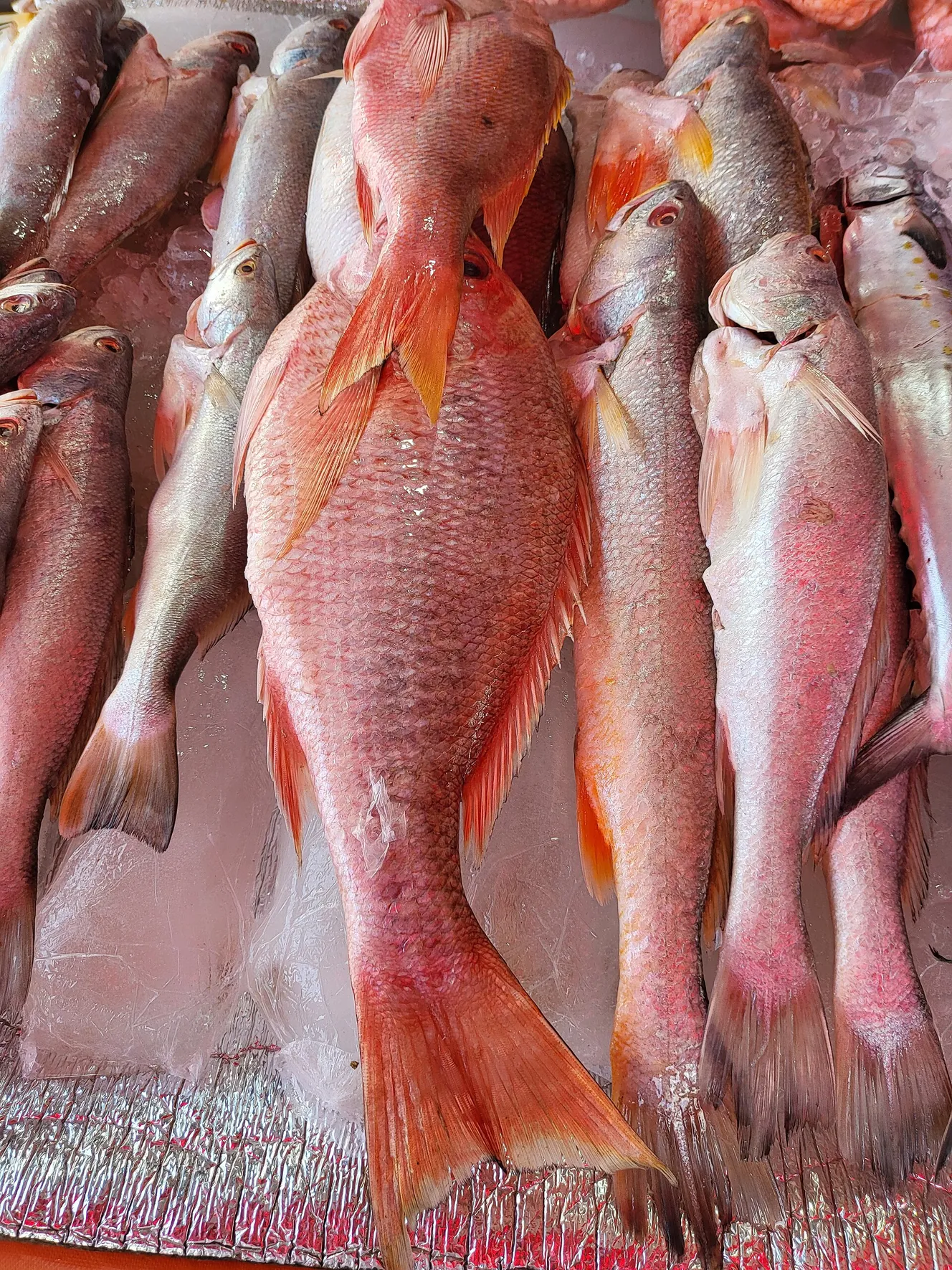
Snappers at Bazurto. The market's fried fish starts at stalls like this one. Image: Xemenendura, CC BY-SA 4.0, via Wikimedia Commons
Much of what is eaten in Cartagena passes through Bazurto. The market lies far from the tourist circuit, beside Avenida Pedro de Heredia and facing the Ciénaga de las Quintas, a coastal lagoon, and it looks nothing like anything inside the city walls: heat, noise, fresh fish, mountains of fruit, herbs that never appear on menus. It is the city's largest wholesale food market, and that is obvious from before dawn.
Anyone who arrives early sees the city before it is fully awake. Trucks unloading, wheelbarrows pushing through the crowd, vendors calling out prices, kitchens with their stoves already lit.
From Getsemaní to the lagoon
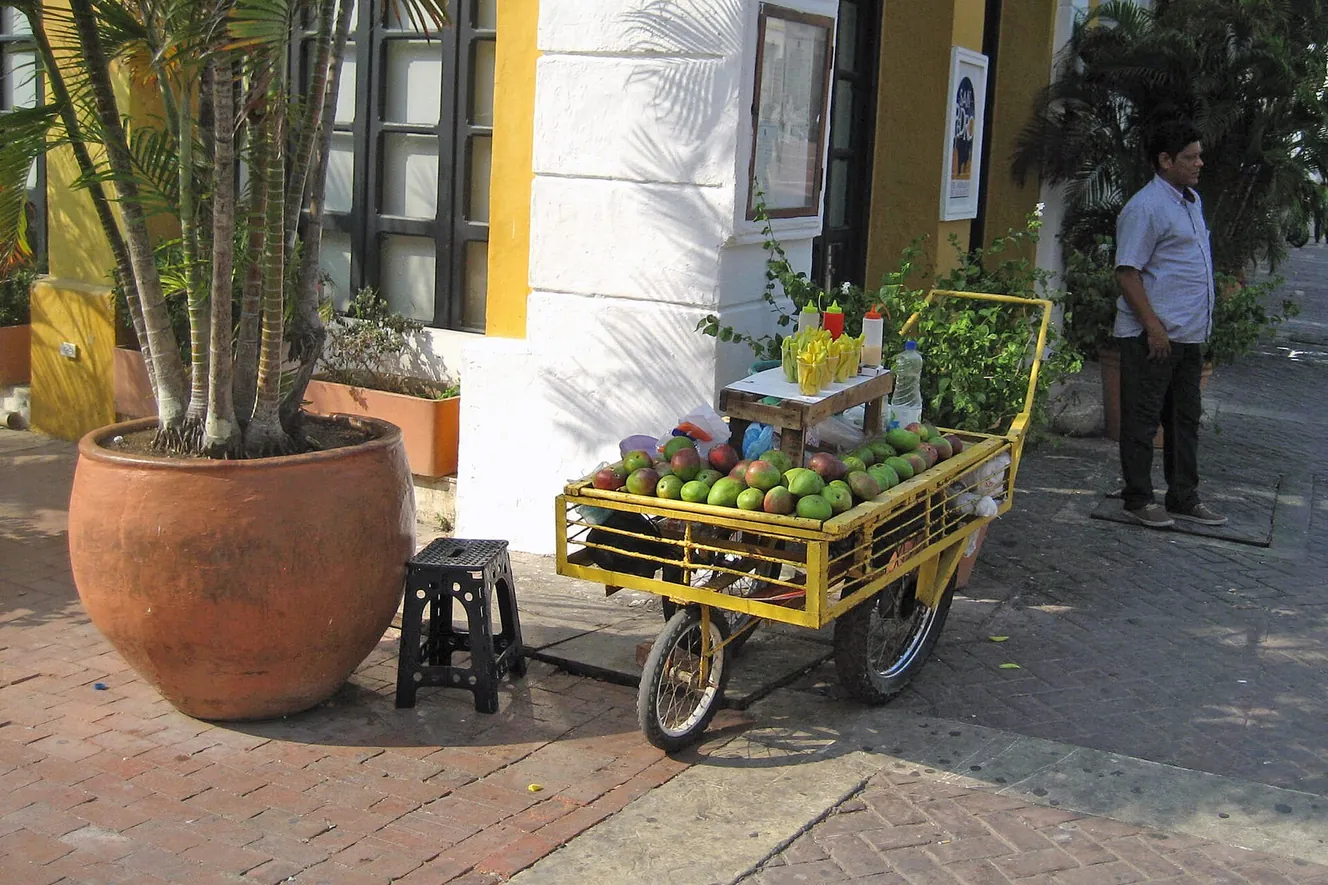
Bazurto was born of a move. For much of the 20th century, the city's food supply was concentrated in the old Mercado Público of Getsemaní, whose building opened in 1904 where the Convention Center now stands. The city had spent years planning to move the wholesale food trade out of the Centro, and on January 22, 1978, the move began. According to El Universal, some 25,000 people who worked in the old market relocated that day; the mayor at the time, José Henrique Rizo Pombo, is remembered for carrying it out.
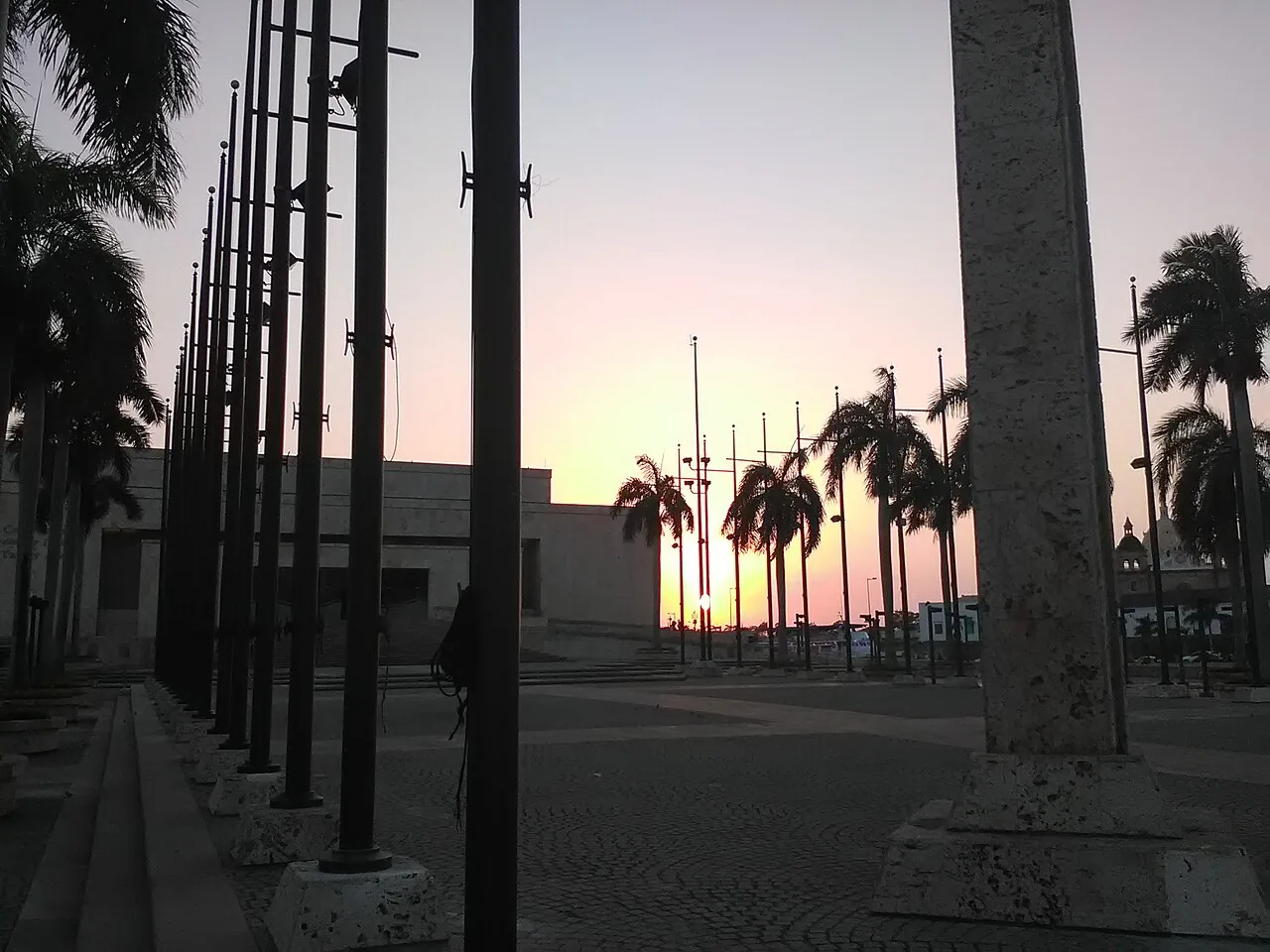
The old market left memories of every kind: the parrandas, or all-night parties, the gatherings, the music, and also tragedies such as the explosion at the Cacharrería Char on October 30, 1965, which left more than fifty dead. A resident recalled in El Universal that Calle del Arsenal, beside the old market, was called La Carbonera, because charcoal was sold all along it. Bazurto inherited those people and that trade. Since then it has supplied homes, fondas — small family eateries — restaurants and hotels, and it is also a city within the city, with its own lunch kitchens and its own music. Food is bought there, but also clothing and household goods, and in recent years, El Universal notes, it has also become a tourist attraction.
What's sold, what's eaten
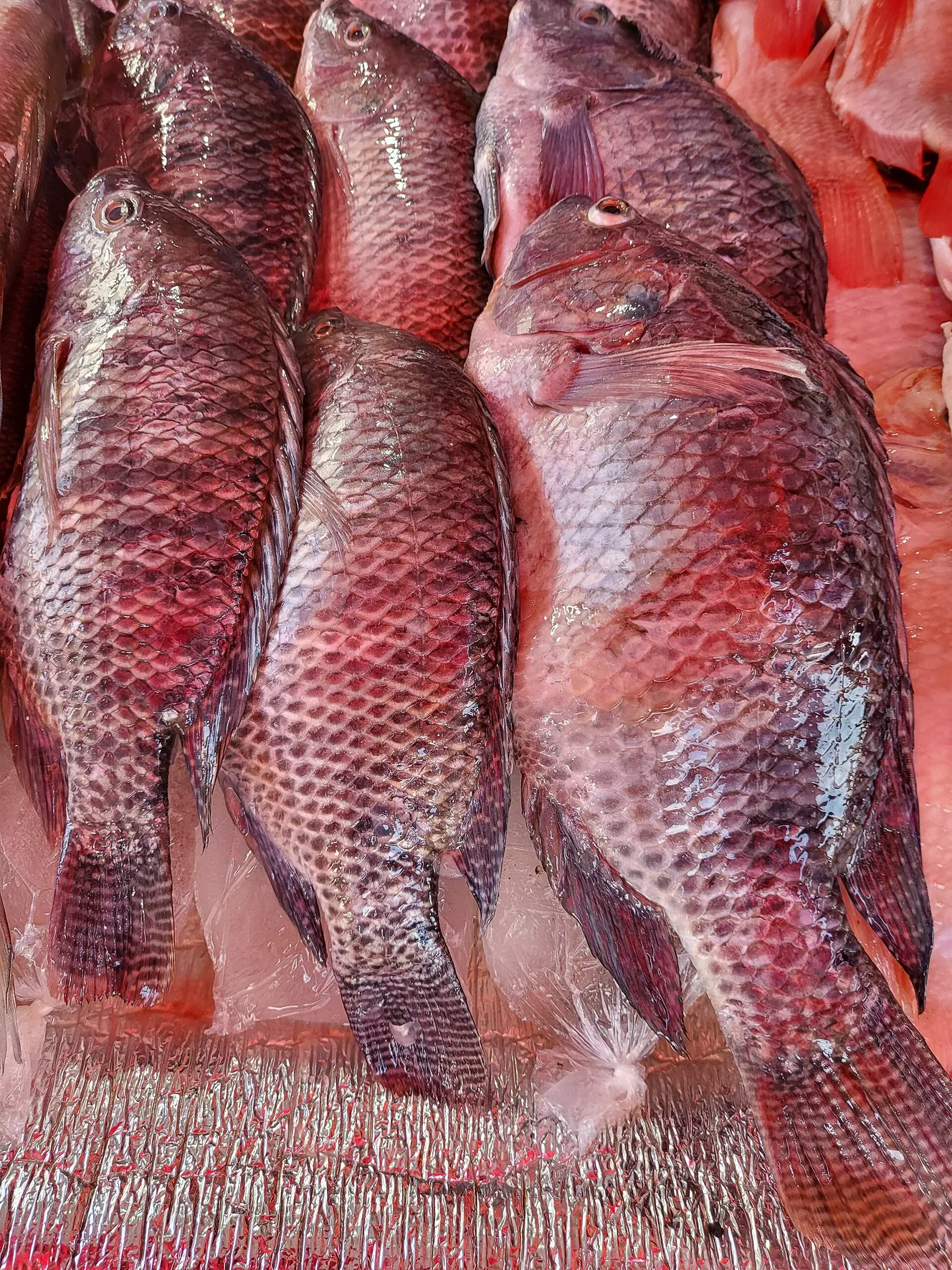
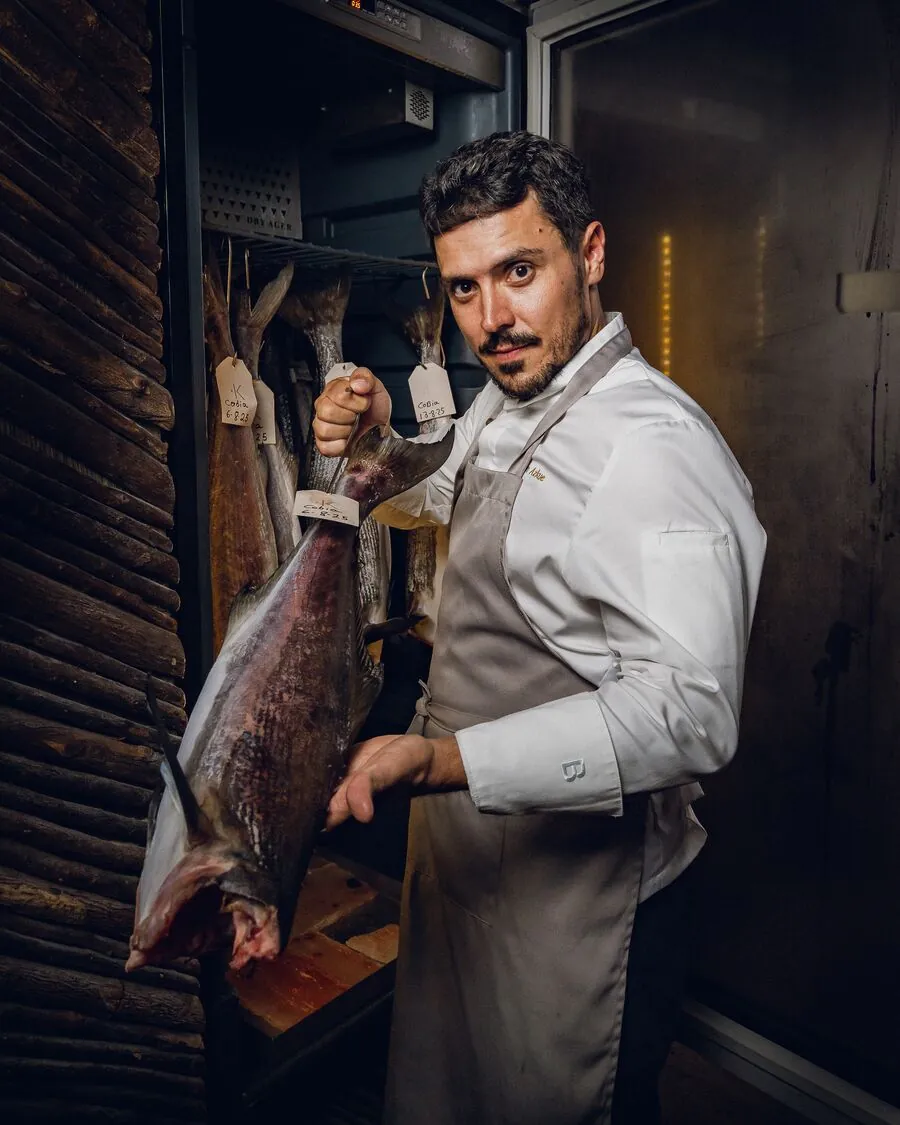
Walking through Bazurto is taking inventory of the Caribbean pantry. Fish and seafood, meat, queso costeño — the salty white cheese of the coast — plantain, yuca and yam, herbs, chili and seasonal fruit. What you see there — the fish coming in, the fruit of the month, the price of things — explains better than any menu what later reaches the table. That same respect for the product is the starting point of kitchens like Fermín Azkue's at Kanibal, in Casa Salvaje, where fish is hung until it is ready and everything is finished on the embers.
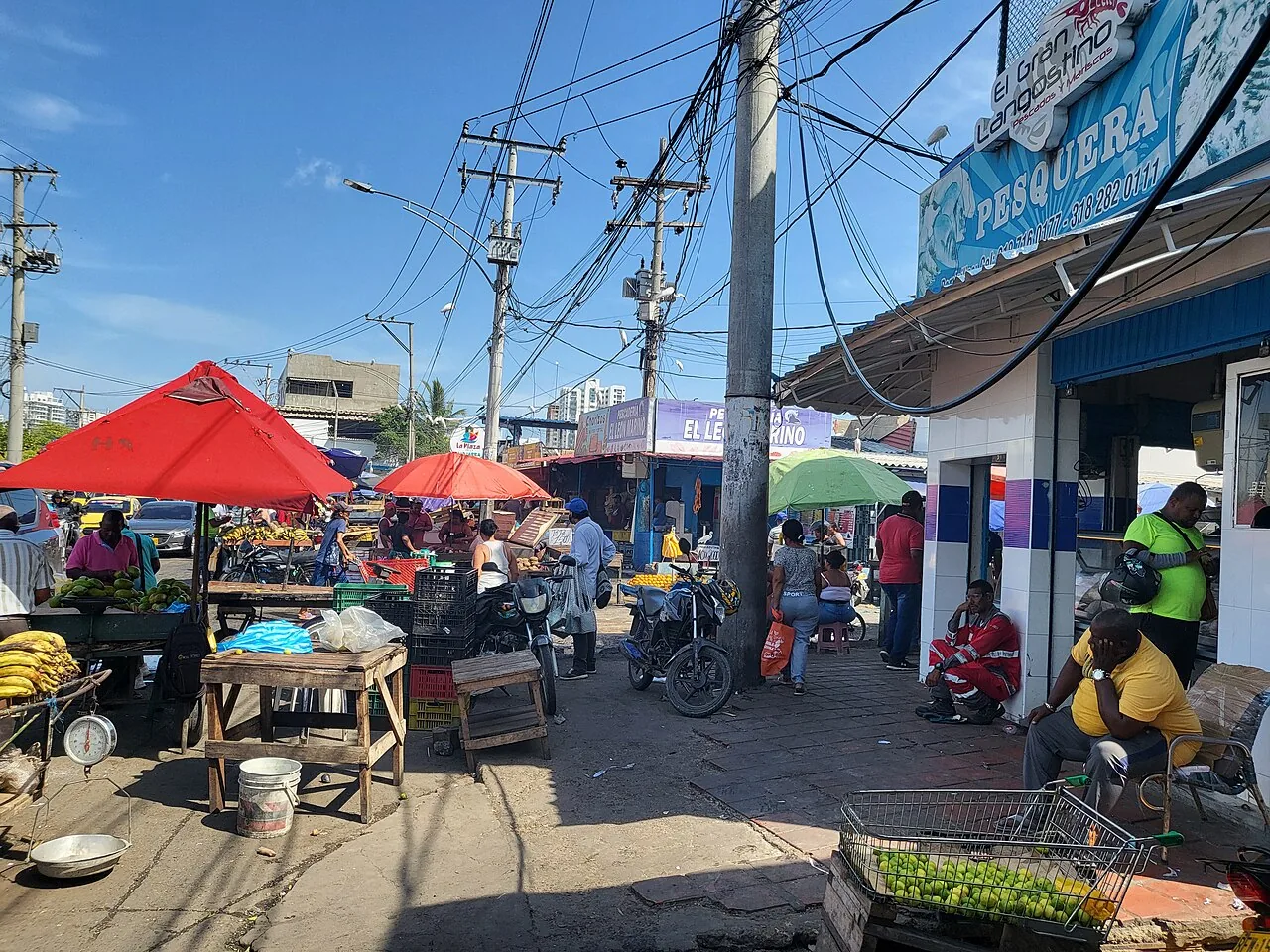
Among the stalls are restaurants serving traditional food, mostly lunch for those who work at the market. El Universal includes Bazurto's fried fish among the pleasures of “walkable” Cartagena, the city enjoyed on the street and beyond the tourist zone. It is food made for the market's people, not for the visitor, and for that very reason it is worth it.
The calendar also shows in its aisles. On December 7, 2025, the Día de las Velitas — the Night of the Little Candles that opens the Christmas season — El Universal described it as one of the market's busiest days: candles, decorations and seasonal clothing on the sidewalks, apple sellers climbing onto the minibuses and Avenida Pedro de Heredia turned into a knot of motorcycles, shared taxis and trucks. At Christmas, Bazurto is also the city's great department store.
The market also has its sound. The walls of its streets are covered in colorful posters announcing picó and champeta dances. It is the same champeta that in May 2026 received its Special Safeguarding Plan as heritage of the Nation.
In food writing
The market also has its place in food writing. In 2008, Anthony Bourdain toured it for his show No Reservations. His guide was Jorge Escandón, owner of La Cevichería, then a small restaurant a few meters from Plaza de San Diego. “Welcome to the Mercado de Bazurto, this is like a Target or a Wholemart but without air conditioning,” he recalls telling him on arrival. As Escandón told El Heraldo, Bourdain asked to be taken where the city's real food was made, not to the luxury restaurants of the Centro.
At Bazurto he ate mango and caimito, toured the fish stalls and, in the kitchen of a matriarch known simply as Cecilia, tried arroz con icotea, rice with freshwater turtle. “Forbidden things are delicious,” he said, according to his guide's account, as he scraped the plate. It was three days of filming that included a boat trip to Tierrabomba and a ceviche in corozo sauce. Escandón later described the market as one of the most neglected and unfairly maligned places in the city, and maintained that the visit gave a boost to the entire local food scene. The episode carried Bazurto's image to audiences around the world, and today several food-tourism offerings begin in its aisles.
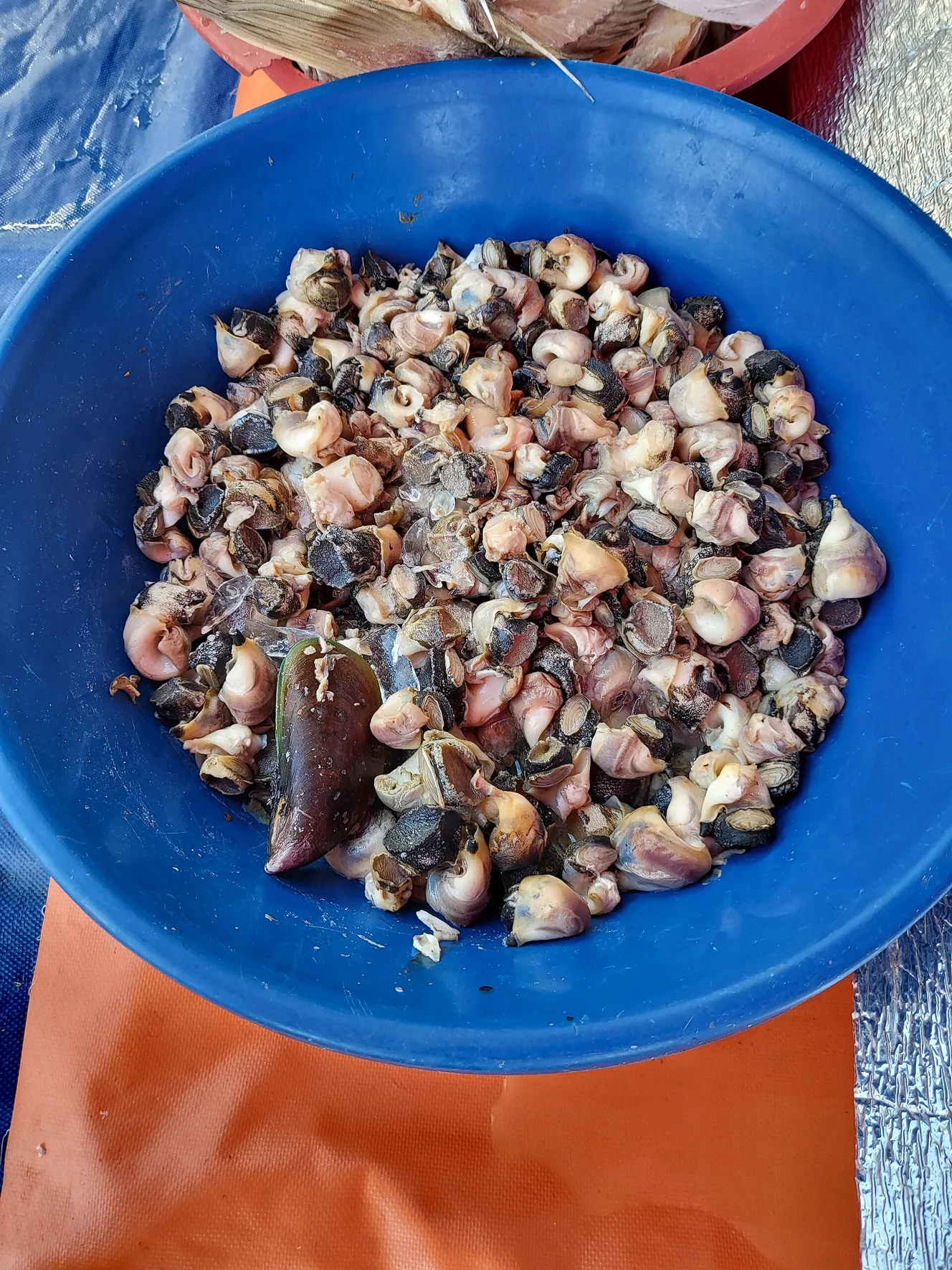
Academia has also looked at it closely. Researchers at the Universidad de Cartagena, in an article published by the Universidad Libre, place the origin of the public market in 1896, in Getsemaní, and trace its problems with poor sanitation, fires and explosions up to the 1978 move. The Massachusetts Institute of Technology (MIT) even devoted a 2009 planning workshop to the challenges of feeding a city like Cartagena. Another study, in the journal Germinación, concludes that, setting aside stereotypes of violence and prejudices about hygiene, Bazurto has become a food-tourism destination thanks to the richness of its seafood. For some it is an urban problem; for others, the city's pantry and popular memory. At heart, it is both.
A market under orders to move
The problem is that Bazurto is where the city no longer wants it. In 2010, the Administrative Court of Bolívar ordered it moved to protect the right to a healthy environment of residents of the Martínez Martelo neighborhood, who had complained of pollution, traffic and the effects on the Ciénaga de las Quintas. Fifteen years later, the order has still not been carried out. Residents sum up the problem on three fronts, as Fernando Fernández, of the Martínez Martelo residents' association, told El Universal: traffic, the insecurity brought by a market where a great deal of cash changes hands and, above all, the environmental damage proven before a judge.
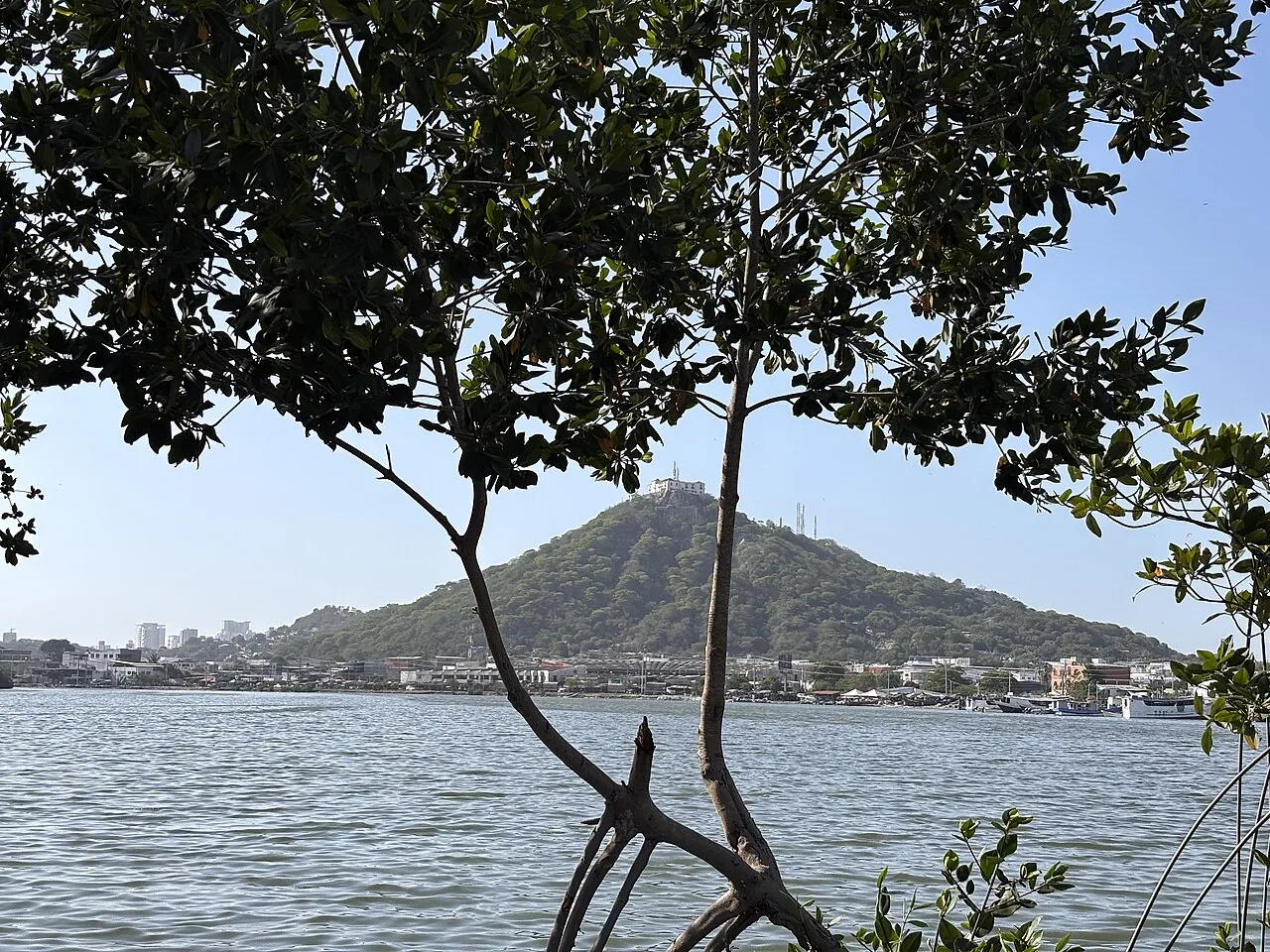
There have been several attempts. In 2015 the company Mercabastos was created and there was talk of moving the market to the Doña Manuela lot, in El Pozón; in 2023 it was agreed to liquidate it. In September 2025 Mayor Dumek Turbay mentioned towns in northern Bolívar, such as Santa Rosa del Norte, Turbana or Arjona, as possible destinations, and in October the District hired the firm IDOM, in partnership with the Chamber of Commerce, for a six-month consultancy to plan the relocation and revitalize the area. That same month, the Inspector General's Office asked the District for an action plan to carry out the move. The market's future, for now, is a study.
How to go
Going to Bazurto without knowing it can be overwhelming. It is best to go by day, early, with someone who knows it — a guide or a local cook — in comfortable clothes, with no jewelry or cameras on show and with no hurry. The best thing is to follow those who know: where the fish of the day is, which fruit is in season, which kitchen serves a good lunch. And if the market works up an appetite for the evening, Kanibal cooks over the embers Monday to Saturday until midnight, in the Centro.
Afterwards, the city reads differently. The evening ceviche, the coconut rice at lunch, the corozo juice on the corner: everything has an origin, and it almost always passes through here. Before many of Cartagena's tables there is a market that rises early.
The menu begins at the market.
Sources
- Revista Cultural Unilibre · El mercado de Bazurto y su articulación con el Plan Nacional de Desarrollo ↗
- Revista Economía y Región (UTB) · estudio sobre el mercado de Bazurto ↗
- El Universal · Así fueron los últimos días del antiguo mercado en el Centro ↗
- El Universal · Así va el proceso para trasladar el mercado de Bazurto (2026) ↗
- El Universal · Cartagena callejeable, la ciudad que se goza con los pies (2025) ↗
- El Heraldo · Un Anthony Bourdain sin reservas recorrió Cartagena hace 10 años ↗
- Revista Germinación Unilibre · Explorando los sabores de Cartagena: el mercado de Bazurto ↗
- El Universal · El Caribe celebra: la champeta ya es patrimonio cultural inmaterial (2026) ↗
- El Universal · Procuraduría pide al Distrito plan de acción para trasladar Bazurto (2025) ↗
- MIT OpenCourseWare · Feeding Cities in the Global South: Cartagena (2009, informe final) ↗
- El Universal · Mercado de Bazurto, entre los trancones y las compras navideñas (2025) ↗
- Casa Salvaje (sitio oficial) ↗
Keep reading.
Food & drink
ONO, the hosomaki bar coming to Casa Salvaje.
Food & drink
The 4 best places for sushi in Cartagena.
Food & drink
The 5 best places to eat meat in Cartagena.