
Nature / Birds · 50–60 min by car
Aviario Nacional de Colombia
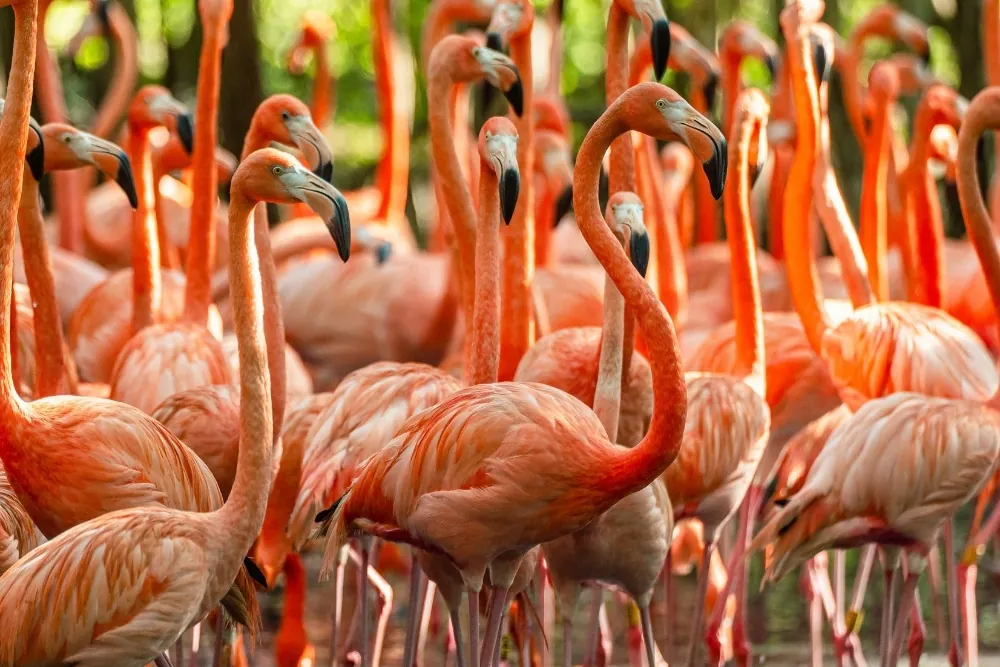
More than 2,000 Colombian birds, many rescued from wildlife trafficking, along a 1.7 km trail.
The aviary and some of its birds (22)
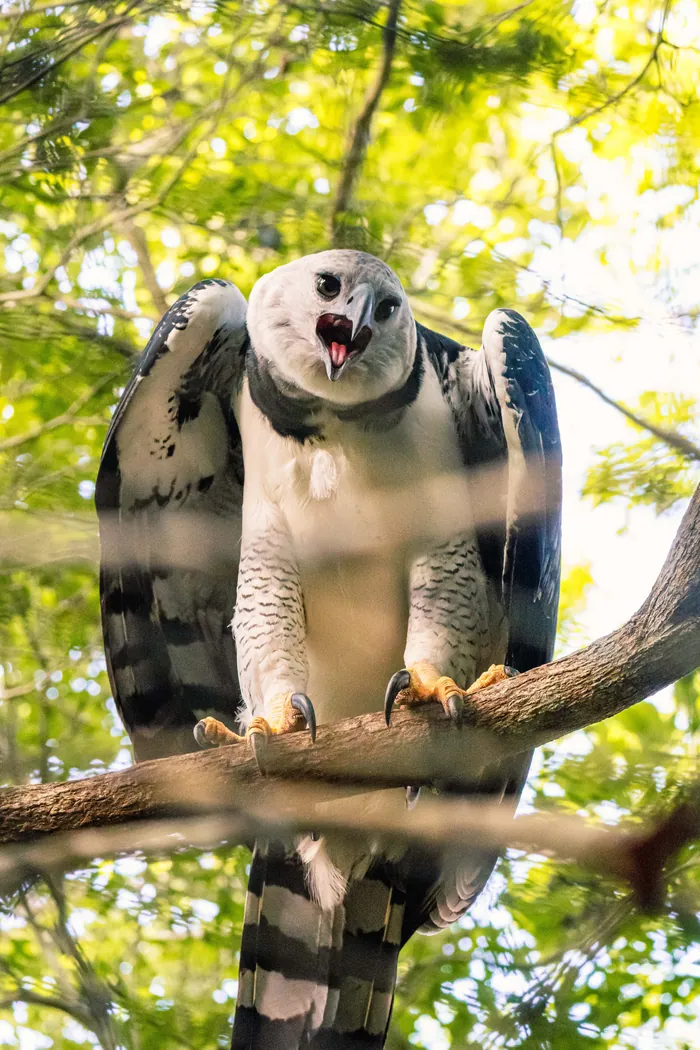
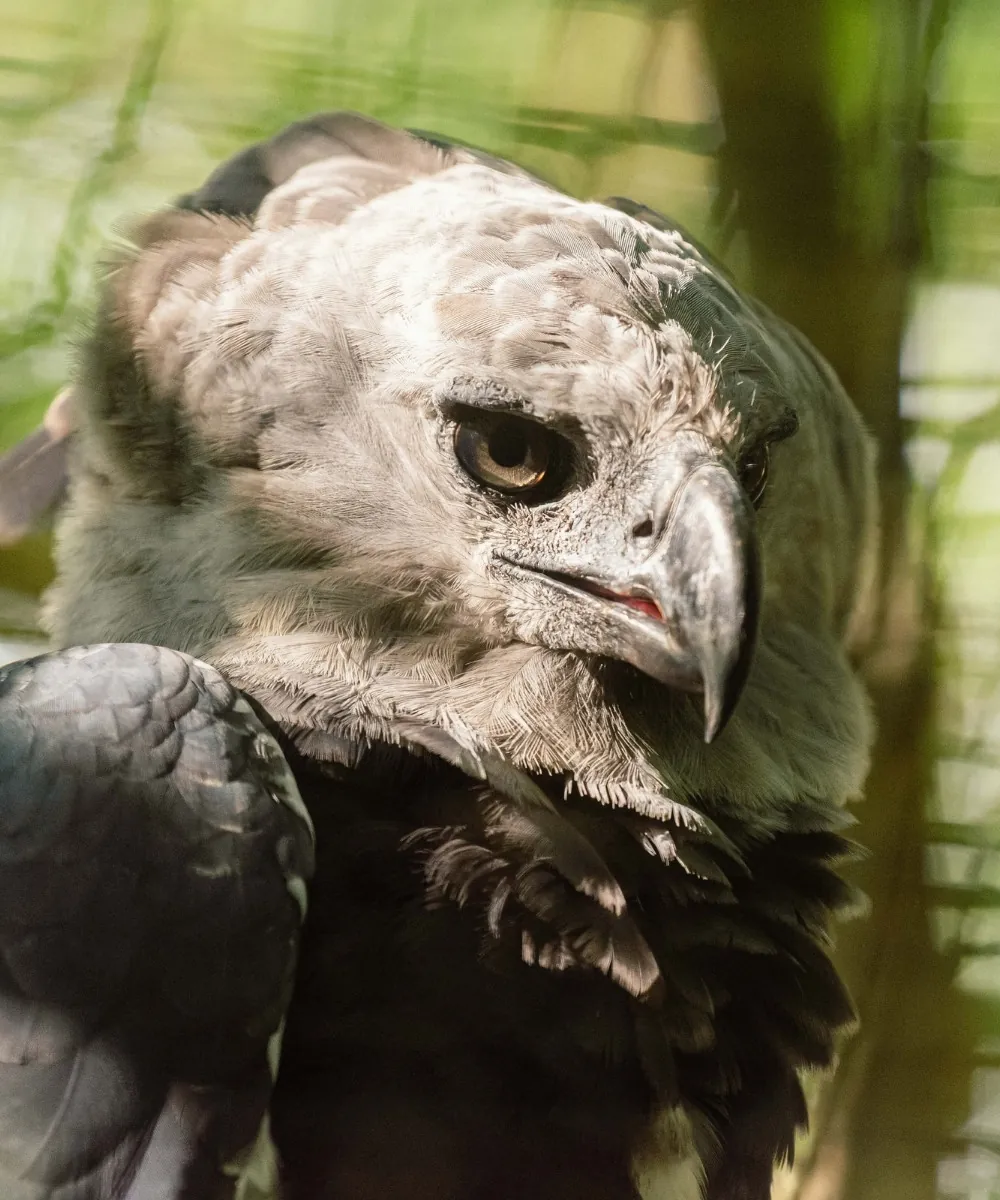
Águila arpíaHarpia harpyjaFoto: Aviario Nacional de Colombia (cortesía) 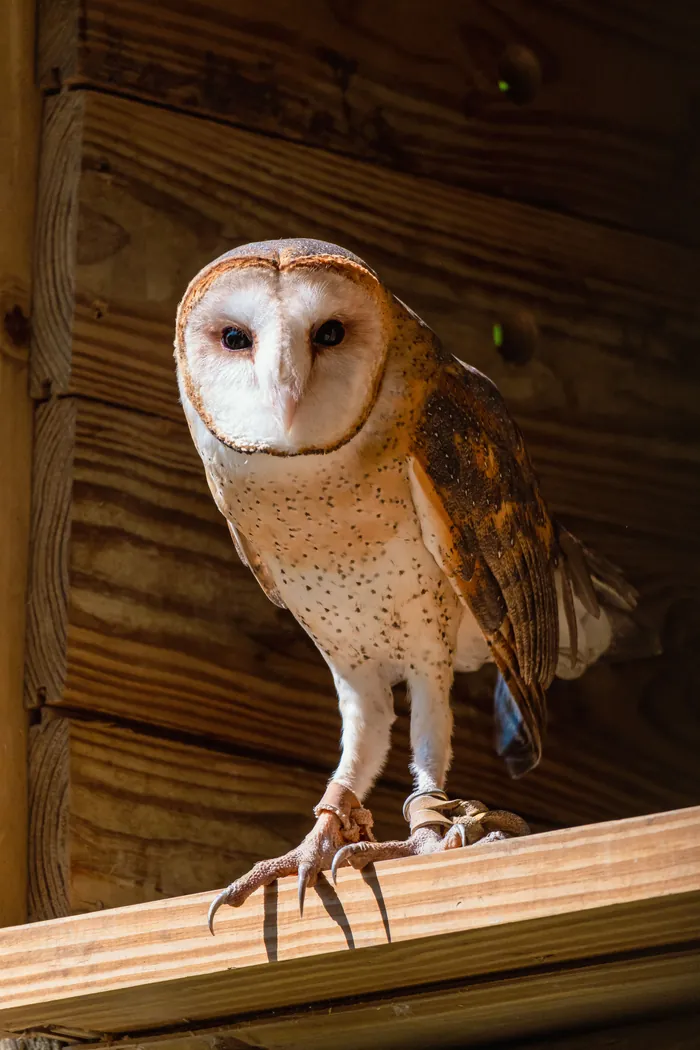
Lechuza comúnTyto albaFoto: Aviario Nacional de Colombia (cortesía) 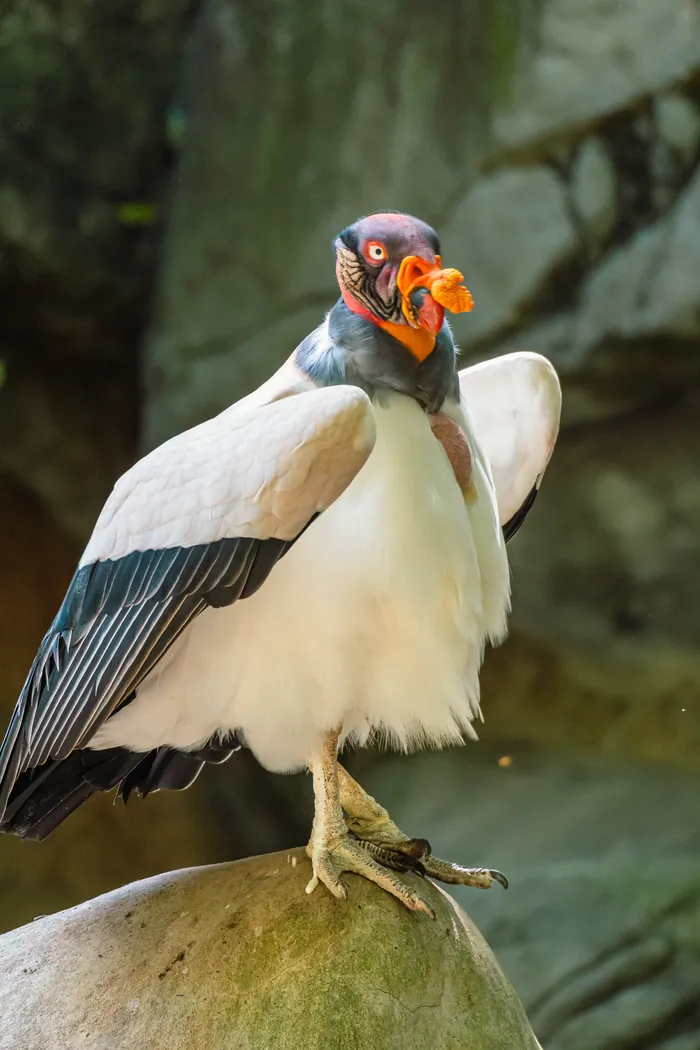
Rey zopiloteSarcoramphus papaFoto: Aviario Nacional de Colombia (cortesía) 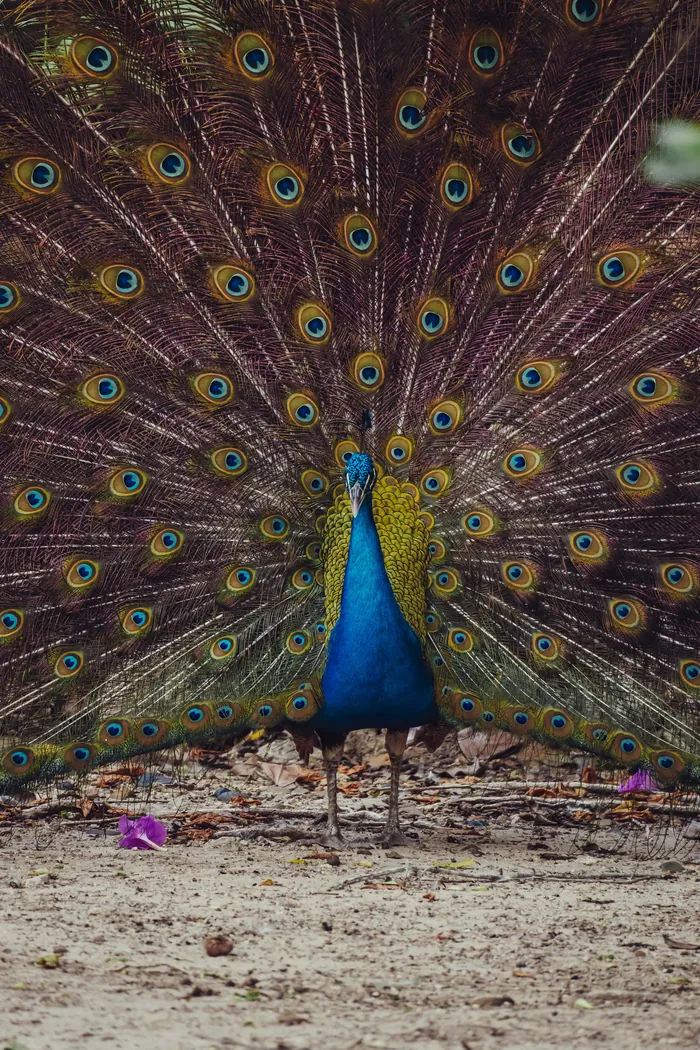
Pavo realFoto: Aviario Nacional de Colombia (cortesía) 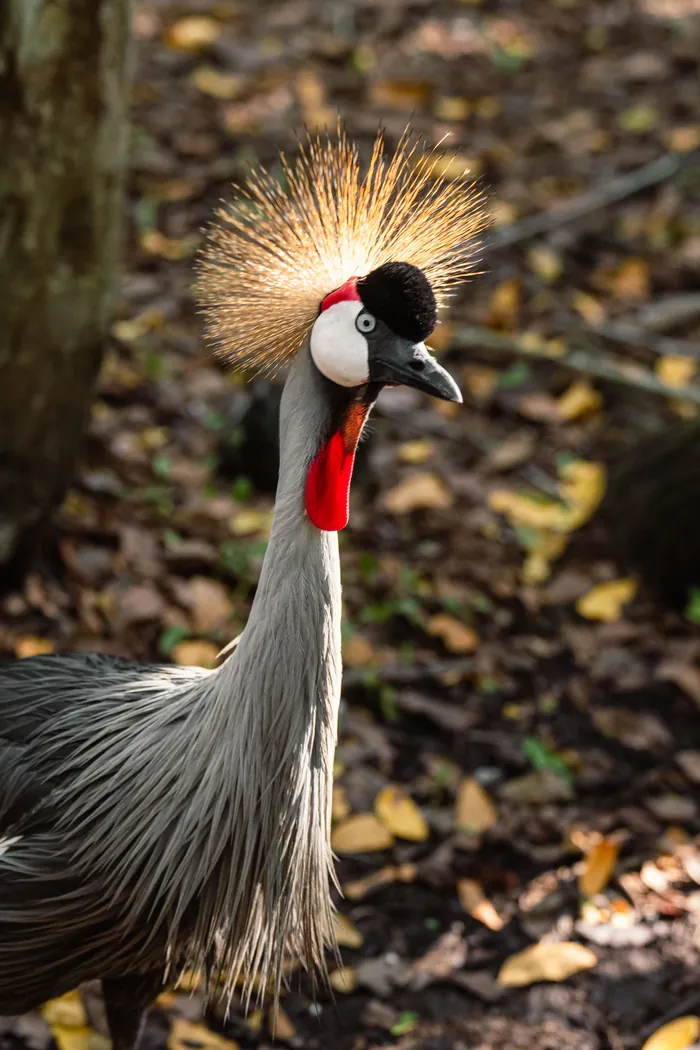
Grulla coronada grisBalearica regulorumFoto: Aviario Nacional de Colombia (cortesía) 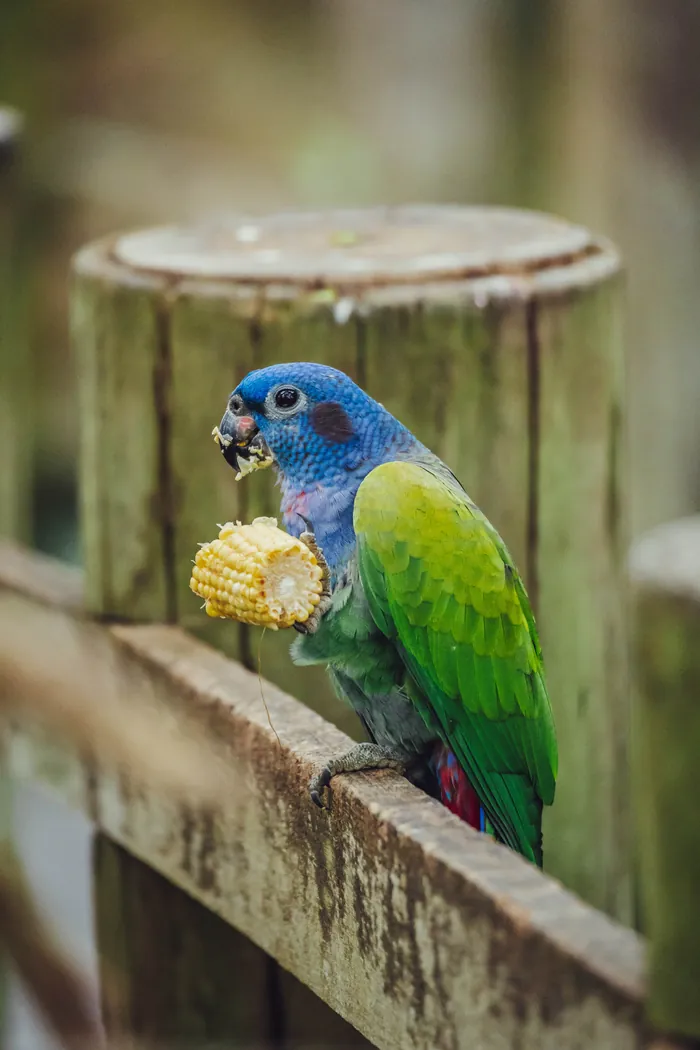
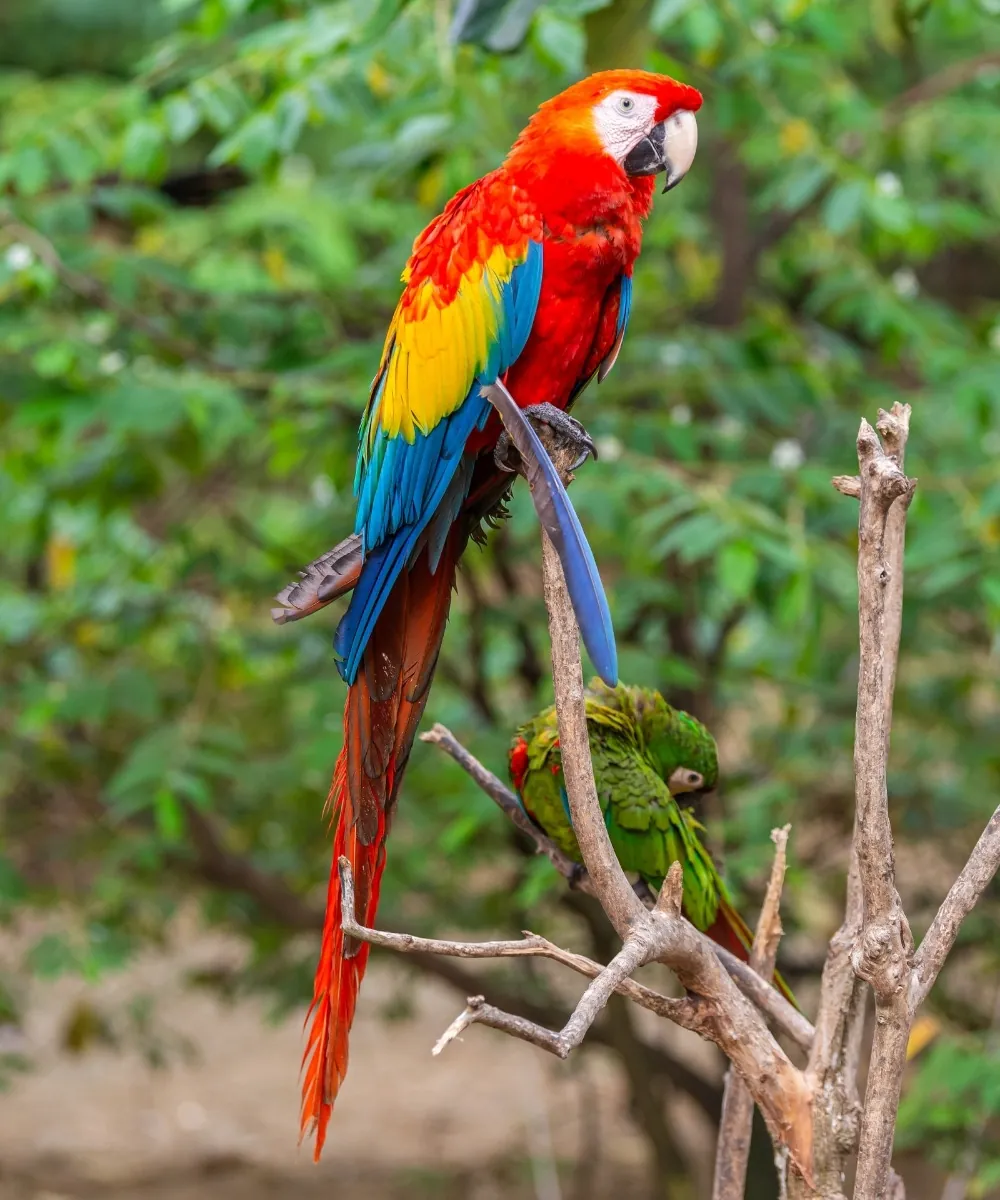
Perico de cabeza azulPionus menstruusFoto: Aviario Nacional de Colombia (cortesía) 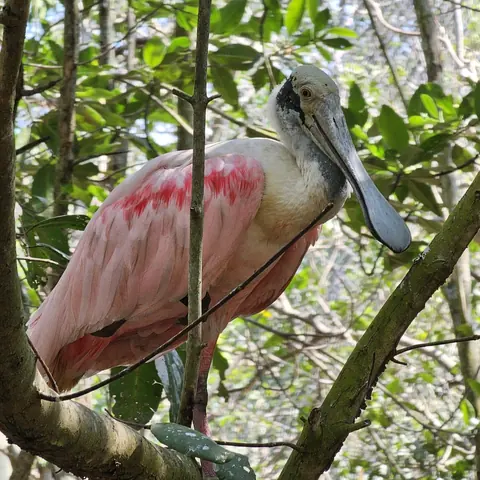
Roseate spoonbillPlatalea ajajaFoto: Lawson Cope / iNaturalist · CC BY 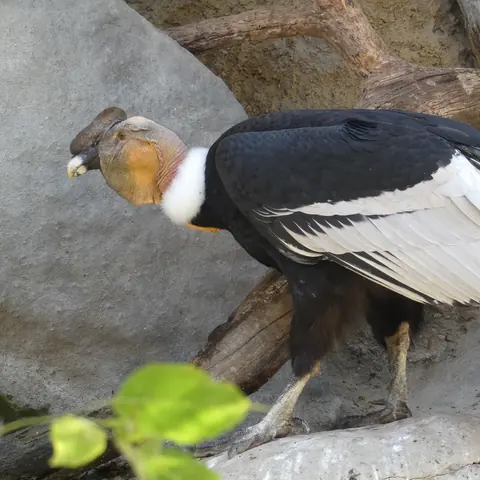
Andean condorVultur gryphusFoto: Bob / iNaturalist · CC BY 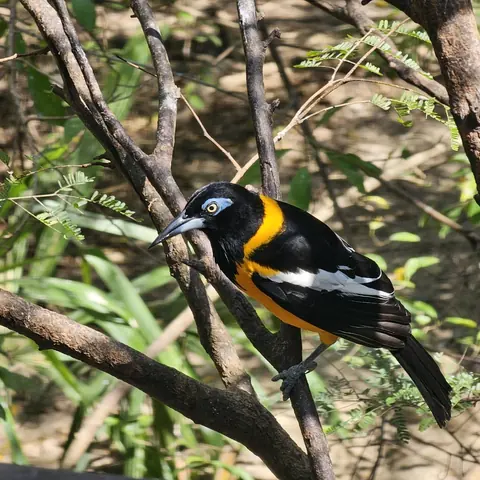
Venezuelan troupialIcterus icterusFoto: Lawson Cope / iNaturalist · CC BY 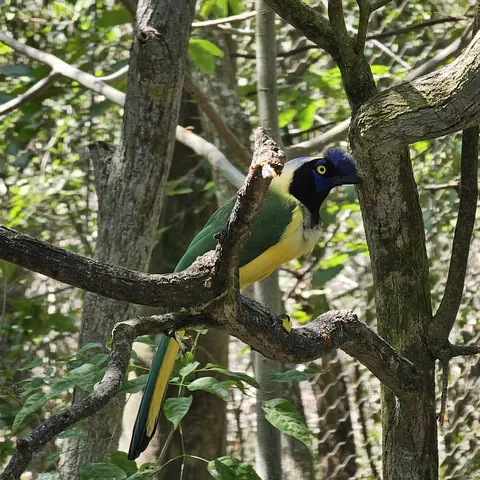
Green jayCyanocorax yncasFoto: Lawson Cope / iNaturalist · CC BY 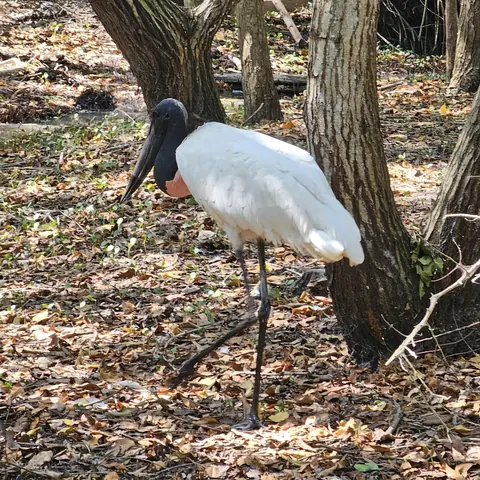
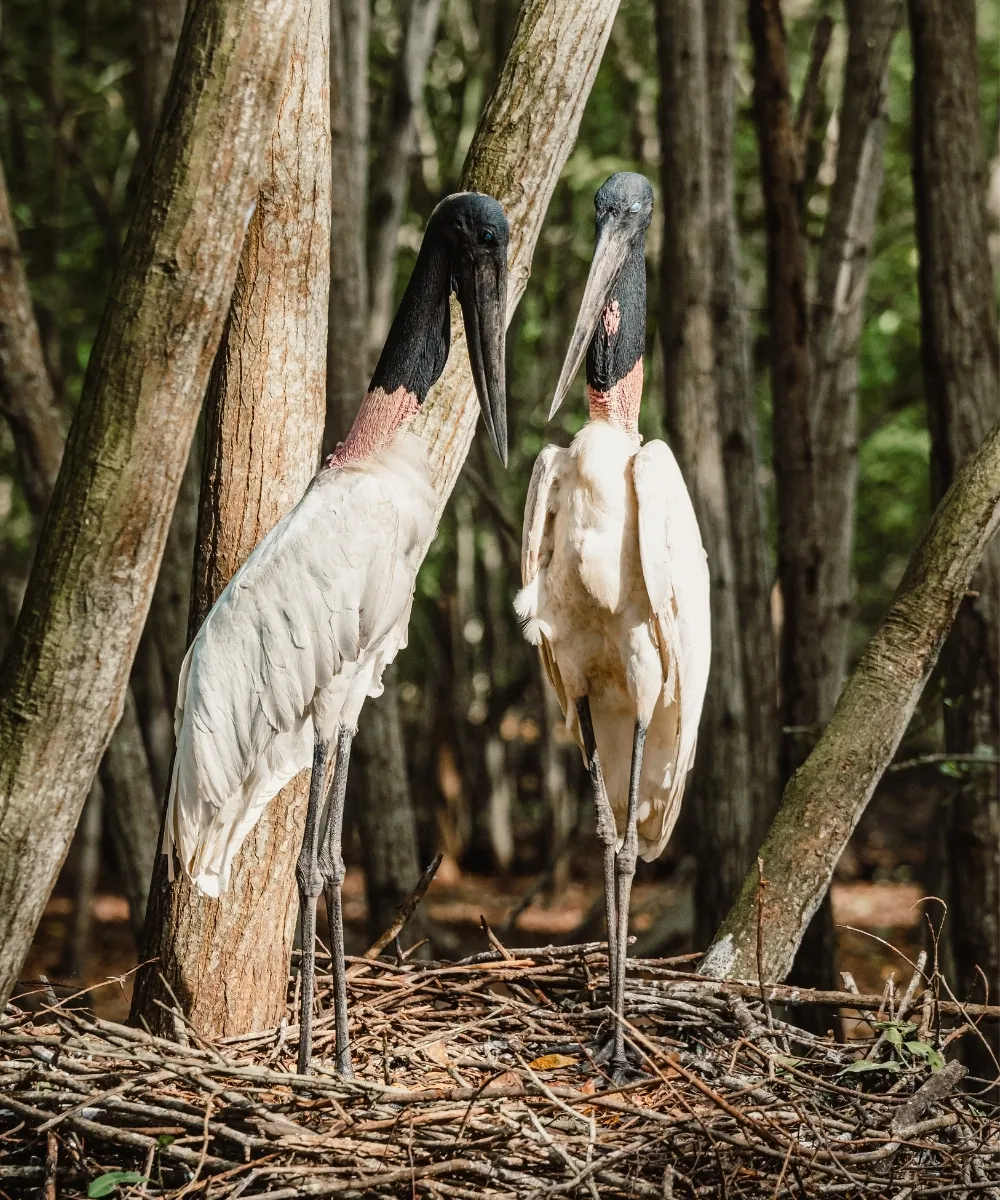
JabiruJabiru mycteriaFoto: Lawson Cope / iNaturalist · CC BY 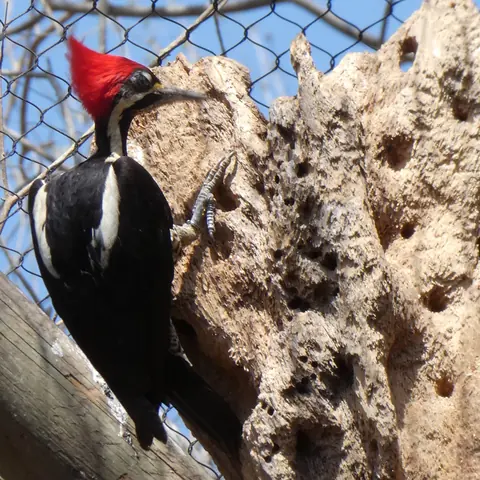
Lineated woodpeckerDryocopus lineatusFoto: Bob / iNaturalist · CC BY 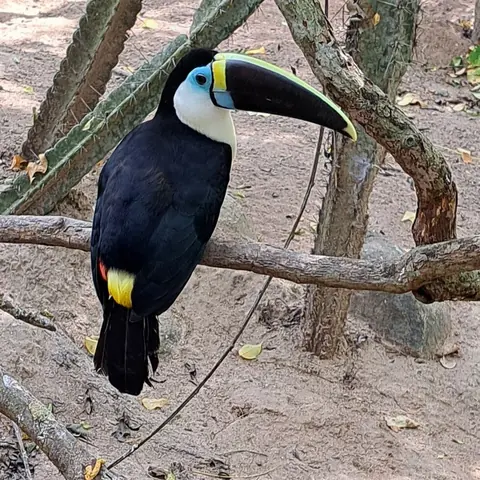
White-throated toucanRamphastos tucanusFoto: Stari Plativky / iNaturalist · dominio público (CC0) 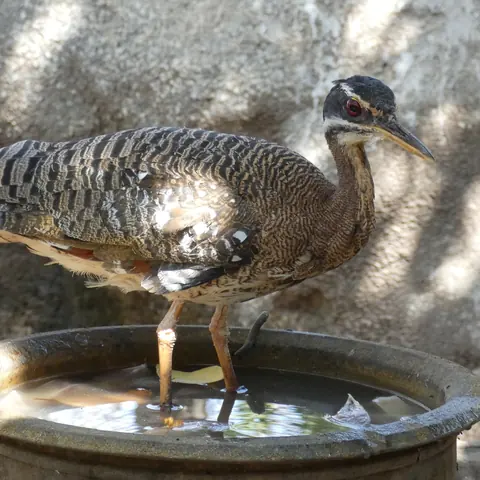
SunbitternEurypyga heliasFoto: Bob / iNaturalist · CC BY 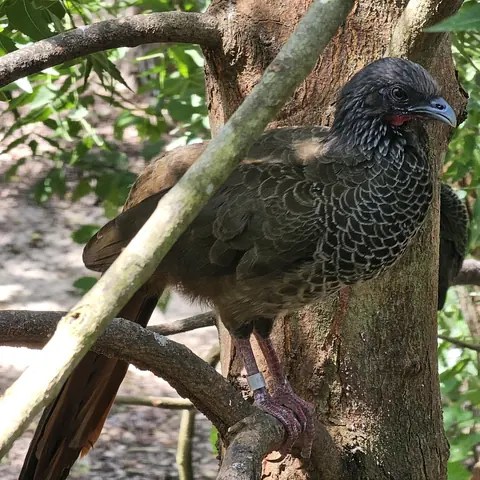
Colombian chachalacaOrtalis columbianaFoto: Lawson Cope / iNaturalist · CC BY 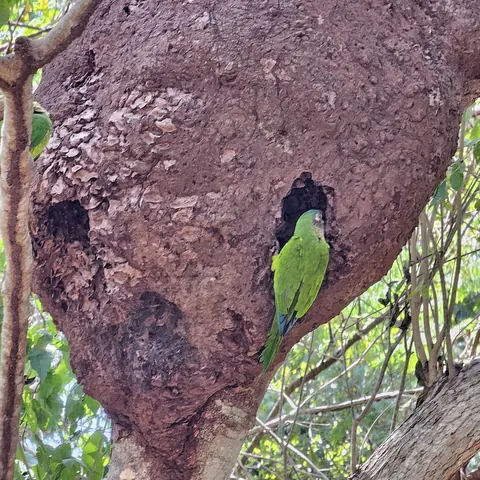
Brown-throated parakeetEupsittula pertinaxFoto: Lawson Cope / iNaturalist · CC BY 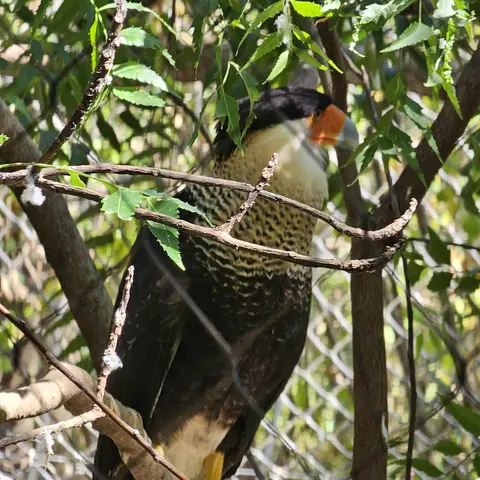
Crested caracaraCaracara plancusFoto: Lawson Cope / iNaturalist · CC BY 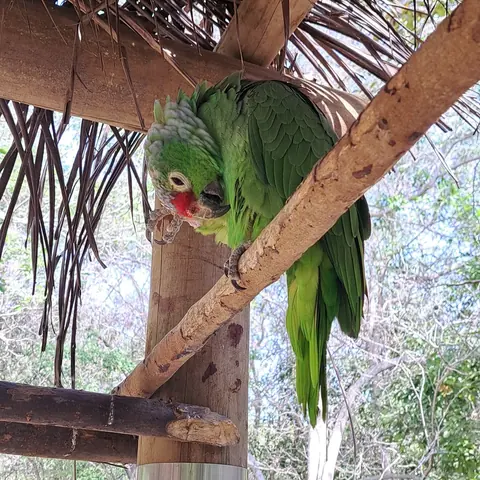
Red-lored amazonAmazona autumnalisFoto: Stari Plativky / iNaturalist · dominio público (CC0) 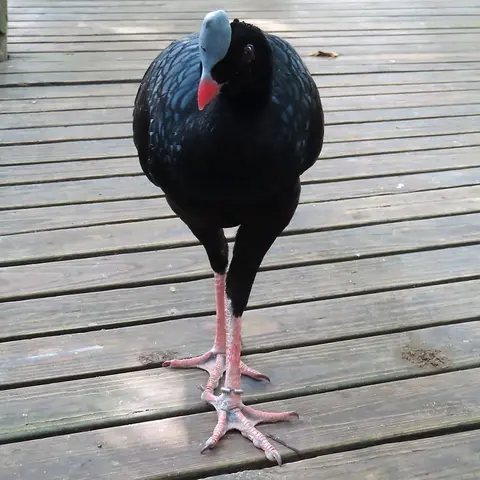
Helmeted curassowPauxi pauxiFoto: David Stanley / Flickr · CC BY 2.0 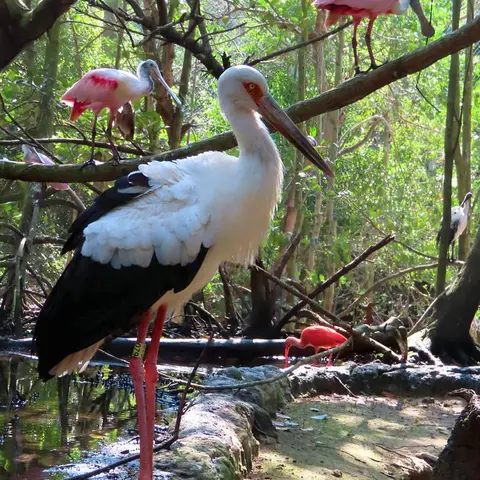
Stork and roseate spoonbillsFoto: David Stanley / Flickr · CC BY 2.0 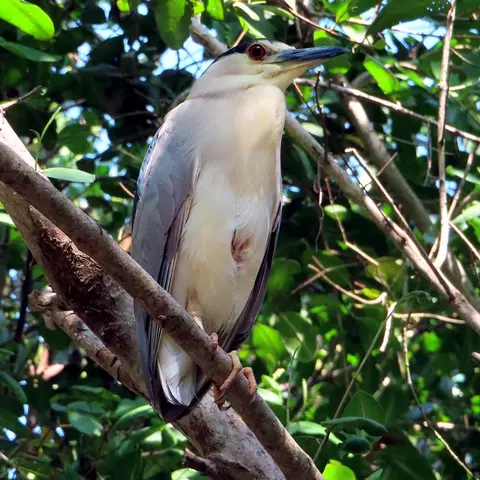
Black-crowned night heronNycticorax nycticoraxFoto: David Stanley / Flickr · CC BY 2.0 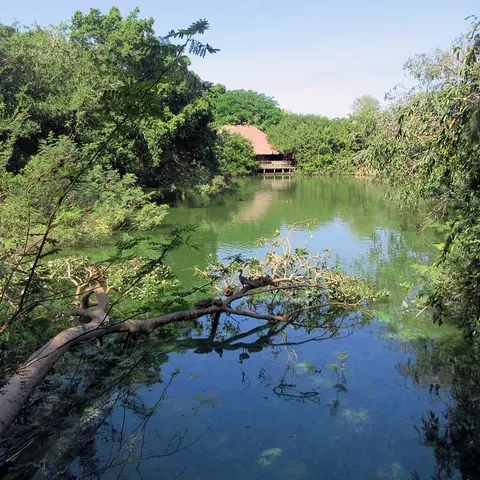
Migratory birds lakeFoto: David Stanley / Flickr · CC BY 2.0
- Where
- Km 14.5 on the road to Barú, past the Barú bridge
- Getting there
- By car or taxi along the road to Barú, via Pasacaballos and the Barú bridge. Many tours combine it with Playa Blanca.
- When to go
- Open every day except 1 January, from 9 a.m. to 5 p.m.; last entry at 4 p.m. (according to its website). Arrive early, before the heat.
- Before you go
- Go early: the walk is outdoors and it gets hot, so bring a hat and water. Walk slowly and quietly, don't tap the netting, don't use flash and don't feed the birds.If you want more birds, pair the visit with the La Boquilla mangroves, where herons and shorebirds fly free.
The Aviario Nacional de Colombia sits at kilometre 14.5 of the road to Barú, just past the Barú bridge. From the Historic Centre it takes about 50 to 60 minutes by car. It is a private park of almost eight hectares where you walk among birds from all over the country, many of them rescued from wildlife trafficking. This is not a zoo of small cages. The idea is to step into the habitat: huge mesh enclosures covering patches of rainforest, wetland and dry scrub, with a trail running through them.
Ten years on Barú
It opened in February 2016, but the story began a decade earlier. According to El País and Publimetro, the project took shape in 2006, driven by Rafael Vieira, Silvana Obregón, Eduardo Robayo and Alba Lucía Gómez. Vieira also founded the Oceanario on the Islas del Rosario. Mongabay reported in 2018 that it all started at El Palmar, on the islands, with a facility of less than one hectare.
Building it was not easy. When work began there was no bridge to Barú, and materials arrived by ferry. The land had no natural water source either. On 4 October 2026, World Animal Day, the aviary celebrated its tenth anniversary. By then more than 450,000 people had walked the trail, including some 30,000 cruise passengers. Martín Vieira, of the board of directors, told Publimetro that what you see today is only the first stage of a master plan.
Three ecosystems in 1.7 kilometres
The trail is about 1.7 kilometres long and runs in one direction only. The official website divides it into three environments: tropical rainforest, coastal zone and desert zone. Along the way there are 22 exhibits, including large walk-through aviaries, radial aviaries, wetlands and lakes. In the walk-through aviaries you are inside the mesh, a few metres from the birds.
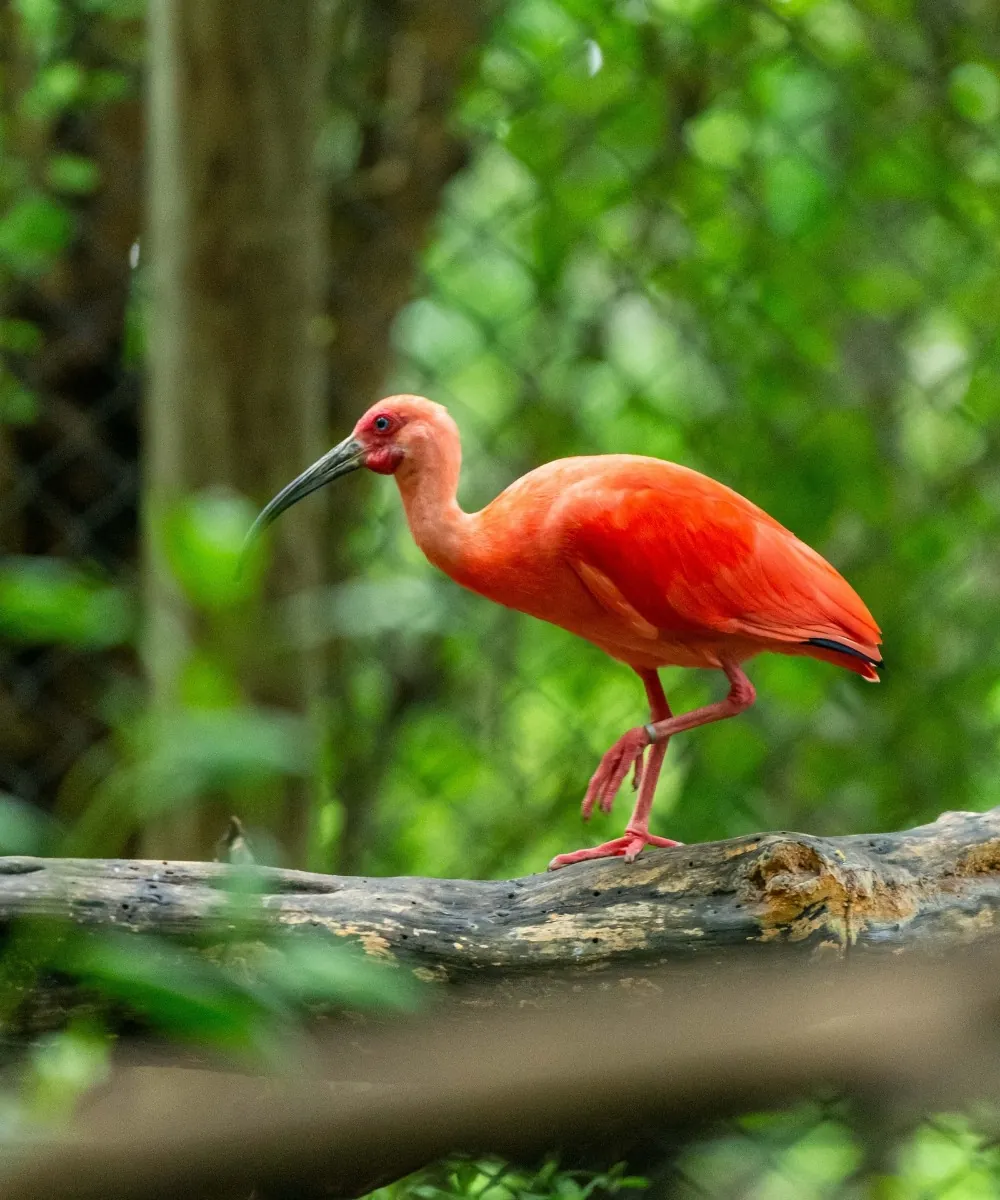
Publimetro and El País speak of more than 2,000 birds of some 200 species; the aviary's website, with older figures, says 1,700 and 170. The rainforest holds the cock-of-the-rock, tanagers, toucans and the harpy eagle. The coast has flamingos, scarlet ibis, night herons, stilts and the jabiru. The dry sector has troupials, cardinals, thick-knees and woodpeckers.
Some species live only in Colombia, such as the blue-billed curassow, which is critically endangered. Its breeding programme recorded seven chicks in 2025 and ten in 2026. The flamingos started with 49 birds rescued by the authorities and now number about 180; close to 30 chicks hatched in 2026. Publimetro reports that over the past two years 51 species have bred. For biologist María Cristina Lema Arias, the technical director, it is a sign that the birds find food, space and well-being.
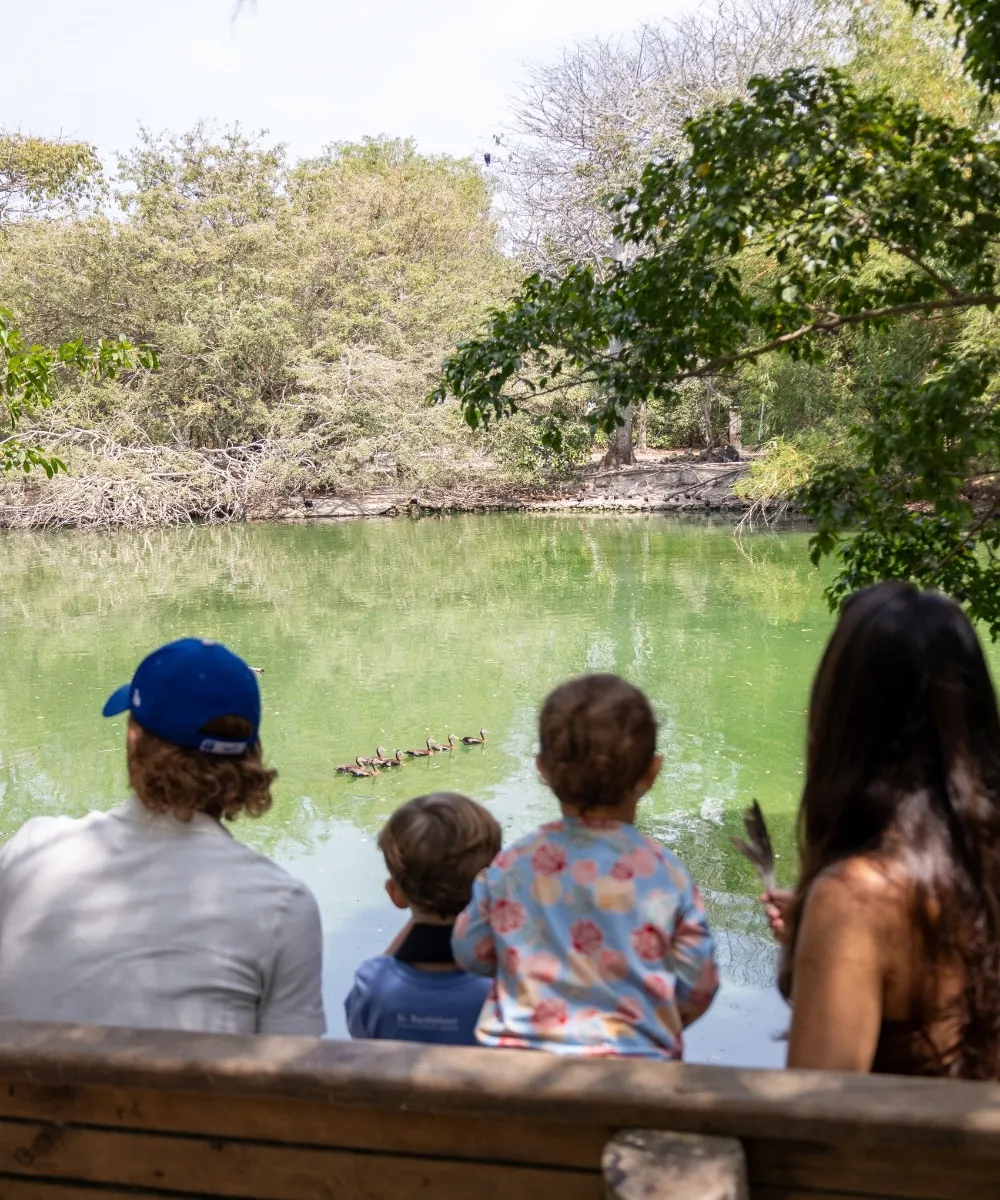
At the end of the trail there is a lake that wild birds visit on their own. According to Publimetro, more than 100 species come looking for water, food, trees or shelter, and at certain times of year colonies of more than 200 white ibis form there.
The trail of trafficking
Many birds arrive from seizures and rescues by environmental authorities. In 2018 Mongabay estimated that almost 80% of the collection had been rescued, most of it handed over by the regional environmental corporations after operations with the police and the armed forces. That report described parrots with dyed feathers, owls with broken wings and parakeets that had to be tube-fed for a month.
Not all of them can return to the wild. Some spent so long with people that they would no longer survive on their own. “Many can't be released because they would be hunted,” Martín Vieira, son of the founders, told Mongabay. When a bird arrives, vets, biologists and animal scientists check its condition, diet and behaviour to decide whether it can go back or which part of the park suits it best. A specialised veterinary clinic is among the plans for the next stage.
Getting there and what to know
There is no public transport to Barú and the aviary has no transport of its own. You get there by taxi, with a private driver or by car; the website notes that taxis leave from the Torre del Reloj. There is parking. It opens every day of the year except 1 January, from 9:00 a.m. to 5:00 p.m., with last entry at 4:00 p.m. Prices differ for Colombians and foreigners and changed in September 2026, so check them on the official website before you go.
The visit takes between an hour and a half and two hours on dirt paths with gentle slopes, and wheelchairs are available. The “Aves al vuelo” show, in which some birds fly over the audience, is at 11:30 a.m. and 3:30 p.m., and is cancelled if it rains. It is worth planning your visit around one of those times.
Arrive early: it is hot and almost everything is outdoors. Bring a cap, sunglasses, sunscreen, insect repellent and trainers. Food and pets are not allowed, but you can bring your water bottle. Walk slowly, do not feed the birds and turn off your flash. If you drive, the website warns that along the road, especially on the bridge, at the turn-off to Ararca and in front of the aviary, people wave cars down to offer guide services to Playa Blanca. There is no need to stop.
The aviary fits well into a day on Barú. Its own website suggests restaurants and beaches 5 to 20 minutes away. From there you can carry on to Playa Blanca, on the same island, and have lunch by the sea before heading back to the city.
The best time to go
If you want to see the flight show, plan to be inside by 11:30 a.m. or 3:30 p.m. with time to walk the rest. Last entry is at 4:00 p.m., so arriving late leaves little margin.
Getting there and parking
There is parking: COP 10,000 for cars and SUVs, COP 5,000 for motorbikes. The aviary has no transport of its own; third parties offer round trips with waiting time from the Clock Tower (the website estimates COP 250,000 to 300,000 for four passengers). Agree on the price first. If driving, don't stop for people offering to guide you to Playa Blanca on the bridge, at the Ararca turnoff or in front of the aviary. Phone signal in Barú is weak, so WhatsApp works better.
What to bring
Comfortable clothes, sneakers, a cap, sunglasses, sunscreen and insect repellent, per the aviary's website. Bring your own water bottle; food is not allowed.
Accessibility
The aviary says wheelchairs are available for anyone who needs them and the trail is adapted for an easy walk, though it is dirt with gentle slopes.
Pets
No animals of any kind are allowed, for the birds' welfare.
Frequently asked questions
How much is admission?
From September 1, 2026: international adults COP 90,000, children (2 to 12) or students with ID COP 65,000. Colombians pay COP 50,000 and 40,000. If you buy a local ticket without Colombian ID, you pay the difference at the gate. Check their website.
How long does the visit take?
According to the aviary, between an hour and a half and two hours, on dirt trails with gentle slopes. It is self-guided along a marked path.
When is the flight show?
Aves al vuelo lasts 15 to 20 minutes and runs daily at 11:30 a.m. and 3:30 p.m. It depends on the weather and is cancelled if it rains.
How can I pay?
Cash, debit or credit card, and Bancolombia QR transfer.
Can I bring food?
No food is allowed inside. You can bring your water bottle.
Are there lockers?
Yes, for COP 5,000; each fits two helmets or two backpacks. Motorcyclists must leave helmets there.
Hours, prices and conditions can change: confirm with the organizer or the venue before you go.
Sources · 10
- Publimetro: el Aviario Nacional cumple 10 años (octubre de 2026) ↗
- El País: el Aviario Nacional cumple diez años ↗
- El Universal: entrada gratis al Aviario Nacional (febrero de 2026) ↗
- El Heraldo: nuevo Aviario de Colombia (2016) ↗
- Mongabay: rescate de aves traficadas (2018) ↗
- Aviario Nacional de Colombia: sitio oficial ↗
- Aviario Nacional de Colombia: información para tu visita (horario, transporte, recomendaciones) ↗
- Aviario Nacional de Colombia: preguntas frecuentes (horario, recorrido, Aves al vuelo, acceso) ↗
- Aviario Nacional de Colombia: educación (ecosistemas, 22 exhibiciones, aviarios de inmersión) ↗
- Aviario Nacional de Colombia: el Aviario (fichas de especies) ↗