
Sea / Diving and snorkelling · About 60 minutes by boat from Cartagena
Diving and snorkeling in the Rosario Islands
National-park reefs an hour from the city walls, with underwater trails for beginners and certified divers.
- Where
- Corales del Rosario y de San Bernardo National Natural Park, southwest of Cartagena Bay, off Barú
- Getting there
- By sea only. Tourist boats leave from Muelle La Bodeguita, in the Centro, the only pier authorized for them; for scuba diving it is best to go out with a dive center.
- When to go
- All year; the water is around 28 °C (Colombia Travel). The dry season runs from December to April and the rainy season from May to November (Castro Triana and Pereira, 2016). There is no official visibility figure: ask the dive center.
- Before you go
- Leave from Muelle La Bodeguita with a formal operator; for scuba, with a dive center. Pay the park entry fee and carry accident insurance. Ask for the briefing, do not touch or stand on the coral, do not feed the fish and use reef-friendly sunscreen. Salmedina and Bajo Burbujas are for advanced divers.
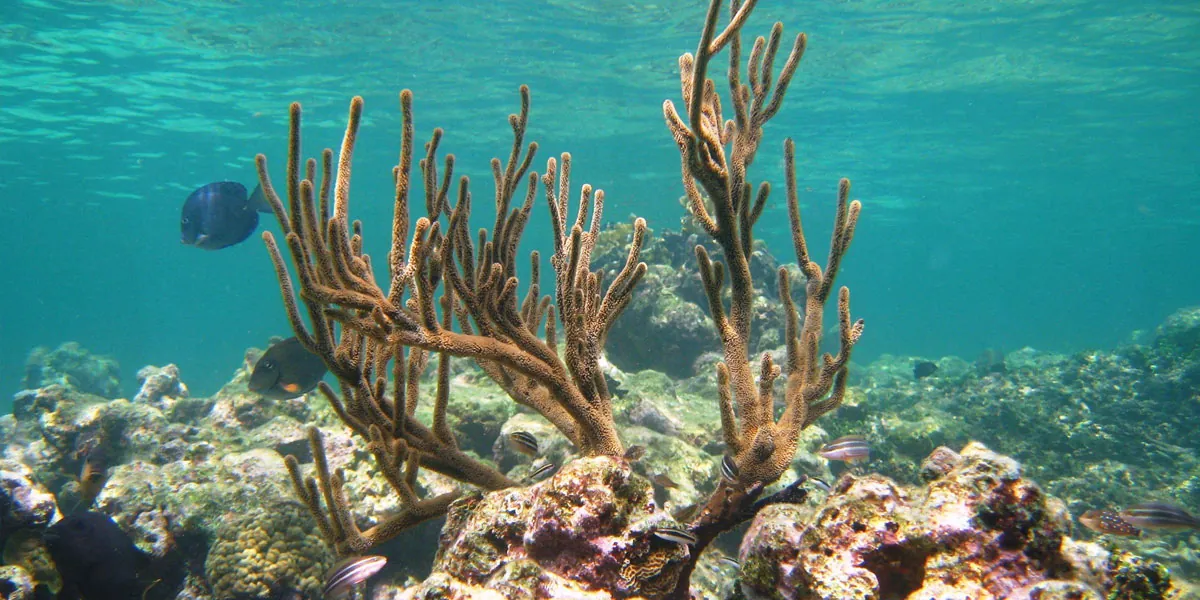
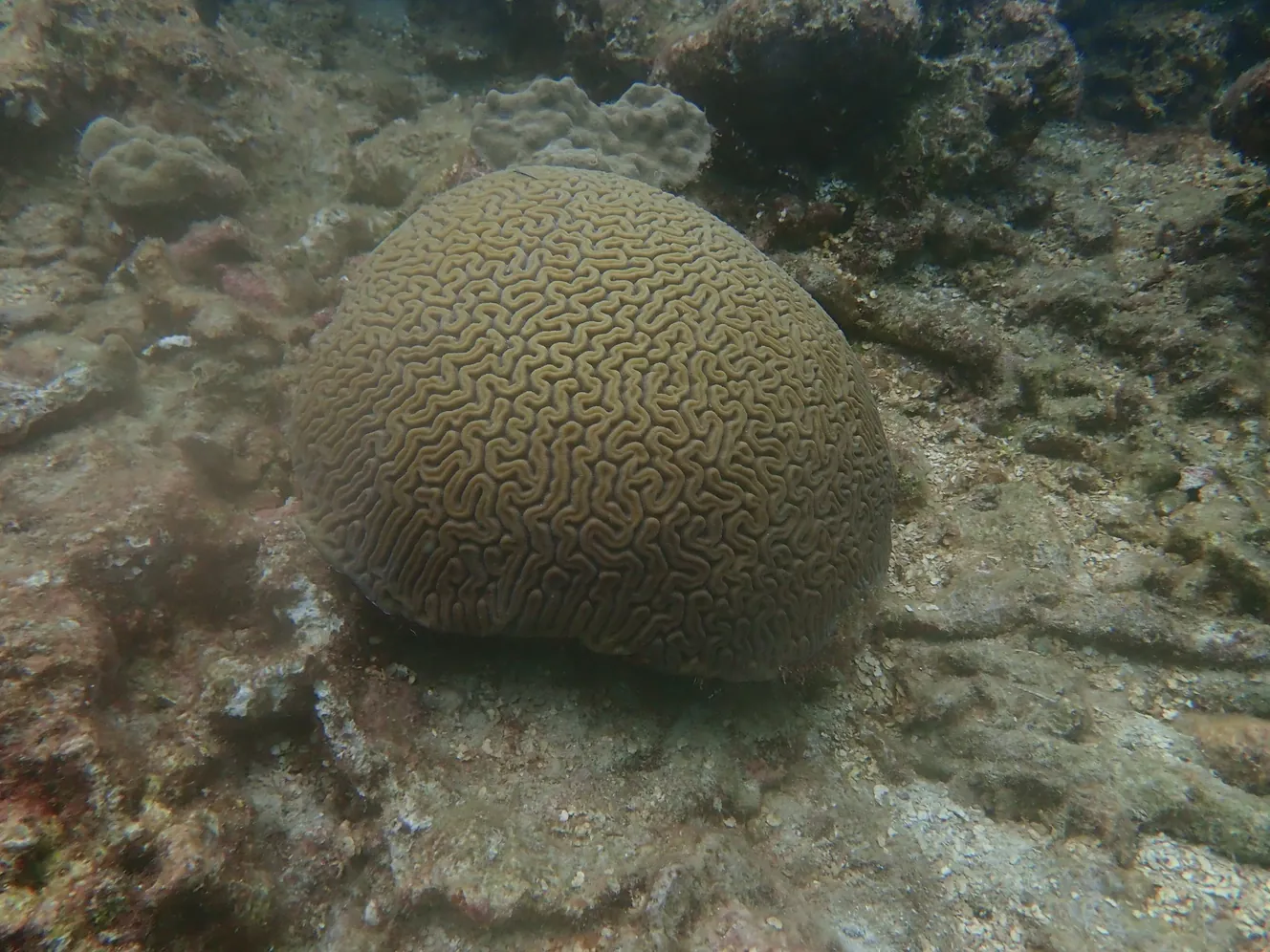
An hour by boat from Cartagena, the sea changes color. Around the Rosario Islands the water turns turquoise and, below it, the reef appears. All of it belongs to the Corales del Rosario y de San Bernardo National Natural Park, a protected area that is almost entirely water. According to Colombia Travel, ProColombia's portal, diving around the islands runs from 10 to 40 meters, among hard corals, sponges, lobsters, parrotfish, angelfish, surgeonfish and schools of creole wrasse. Among the sites it names are the sunken ship at San Martín de Pajarales, the Isla Pavitos drop-off and Isla Gloria.
If you have no certification, the plan is snorkeling: mask, snorkel and fins in shallow water. If you do, scuba. Both take place inside a park with rules. A Universidad Javeriana study of snorkeling at Majayura, published in 2021, found that the swell makes many visitors end up standing on the coral, and that feeding bread or crackers to the fish disrupts the ecosystem.
Trails under the water
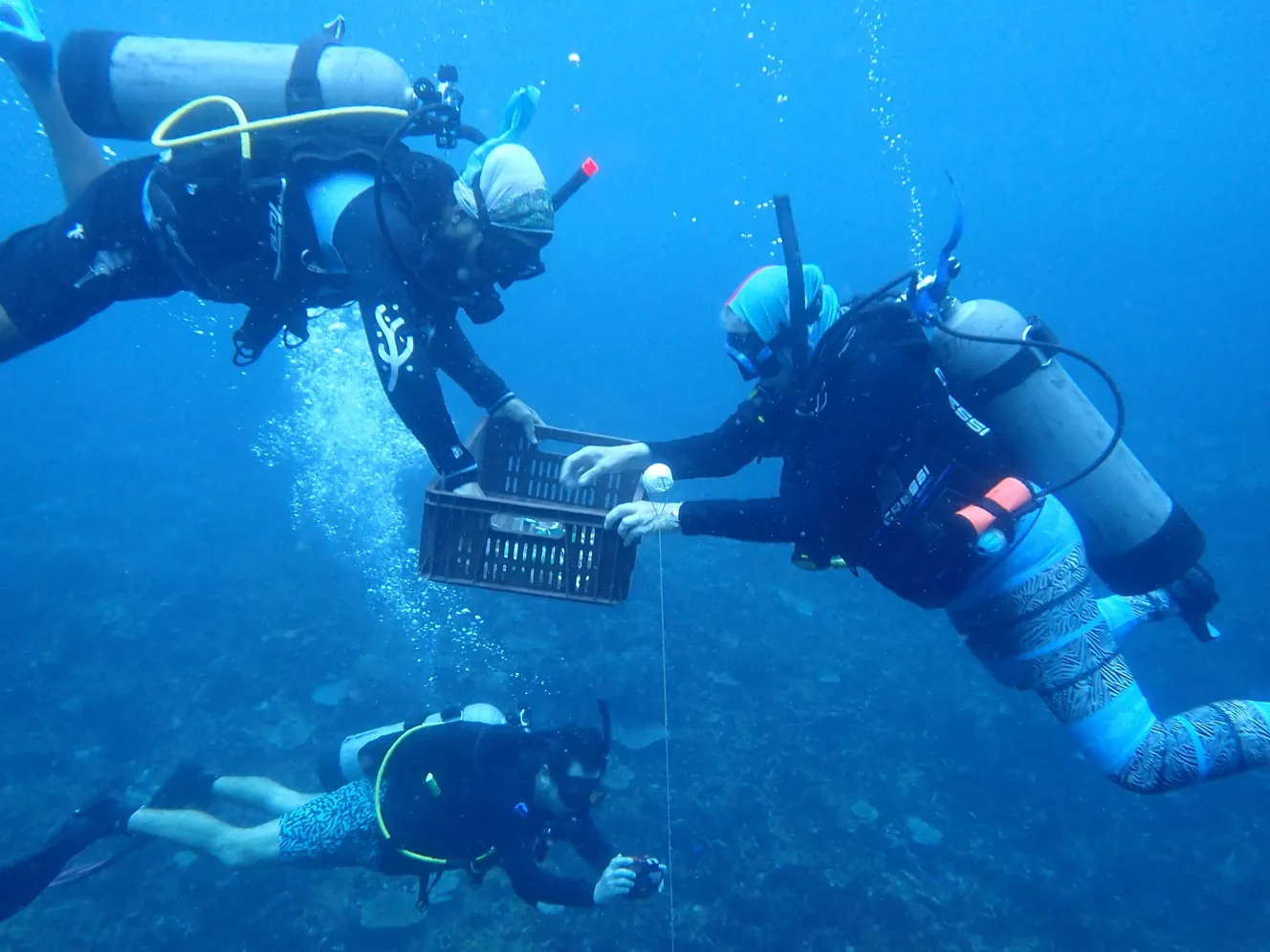
The park organizes underwater visits along trails. A study by Luz Ayda Castro Triana, of National Parks, and José Miguel Pereira, published in 2016 in Cuadernos de Investigación UNED, followed users of the 16 main trails in the Rosario archipelago between 2011 and 2013. The routes average about 460 meters. Scuba divers go between 5 and 18 meters; snorkelers between 2 and 5. The trails most visited by divers were Ministerio or Acuario Mío, Punta Brava and Isla Gloria. The list also included Bajo Perdido, San Quintín, Luis Guerra, Kurira, Martincito and Alex Place.
A guide published by El Espectador in May 2026 mentions water and underwater trails at Isla Grande, Punta Brava and Luis Guerra, and areas for snorkeling and diving at Isla Grande and at Isla Tintipán, in the San Bernardo archipelago. The park's director told the newspaper that the idea is for every activity to be led by local guides. Farther south, Colombia Travel highlights Isla Múcura, about two hours by sea, for diving and snorkeling; at night people swim there among bioluminescent plankton in the mangrove lagoons.
Outside the park: shoals and wrecks
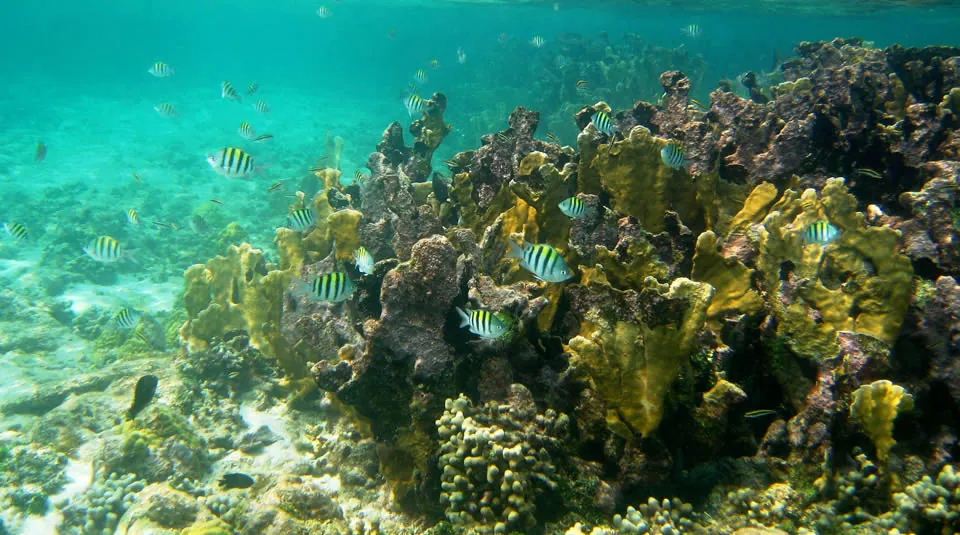
Cartagena has other dive sites closer in. Colombia Travel describes Bajo Salmedina as an underwater plateau in open sea, with the remains of colonial-era anchors and cannons and two sunken vessels, Ferrocemento and Faro. It has strong currents and is for advanced divers. Bajo Burbujas, named for formations that release bubbles, goes from 9 to 40 meters, with variable currents, soft corals, schools of jacks and mackerel and reef sharks; it is also an advanced dive.
There are calmer options for beginners. Tierra Bomba is about 10 minutes away by boat. Playa Vásquez, a sandy flat next to a reef where the Atlas and Tolú wrecks rest, is, according to the same portal, a good place for first lessons. Nearby, off Barú, is the dive theme park where the Navy sank the hydrographic ship ARC Quindío in 2015, at 27 meters according to Colombia's Maritime Authority. And on the island of San Martín de Pajarales is the Oceanarium, which has its own entry in this magazine.
The state of the corals
It has to be said plainly: this reef has lost a great deal. In 2018, Mongabay cited National Natural Parks in attributing the loss of 80% of the corals in Rosario and San Bernardo to sedimentation. Much of that sediment comes from the Magdalena River through the Canal del Dique. In November 2023, the Ministry of Environment warned that between 70% and 80% of the country's reefs had shown bleaching during a marine heat wave, and named this park among the areas with reports. Bleaching does not kill coral right away, but if the heat lasts, it can.
In June 2026, Mongabay reported that the Rosario Islands Community Council puts the die-off of its reef, down to 10 meters, at 60% since 2023. A Universidad del Magdalena researcher who has worked in the area since 1995 said that not a single elkhorn coral remains on the reef crest at Isla Grande. Recovery work is under way: the Oceanarium keeps more than 40,000 cultivated corals, and a spawning of that species was recorded in 2024. If you see bleached corals, the Ministry asks you to report them with photos or videos to Invemar.
Season and what to know before you get in
Colombia Travel gives an average water temperature of about 28 degrees Celsius all year. The 2016 study distinguishes a dry season, from December to April, and a rainy season, from May to November, and observed that in the first divers went more to the trails in the south of the archipelago and in the second to those in the north. We found no official source with visibility figures; ask the dive center how the water is on the day you go.
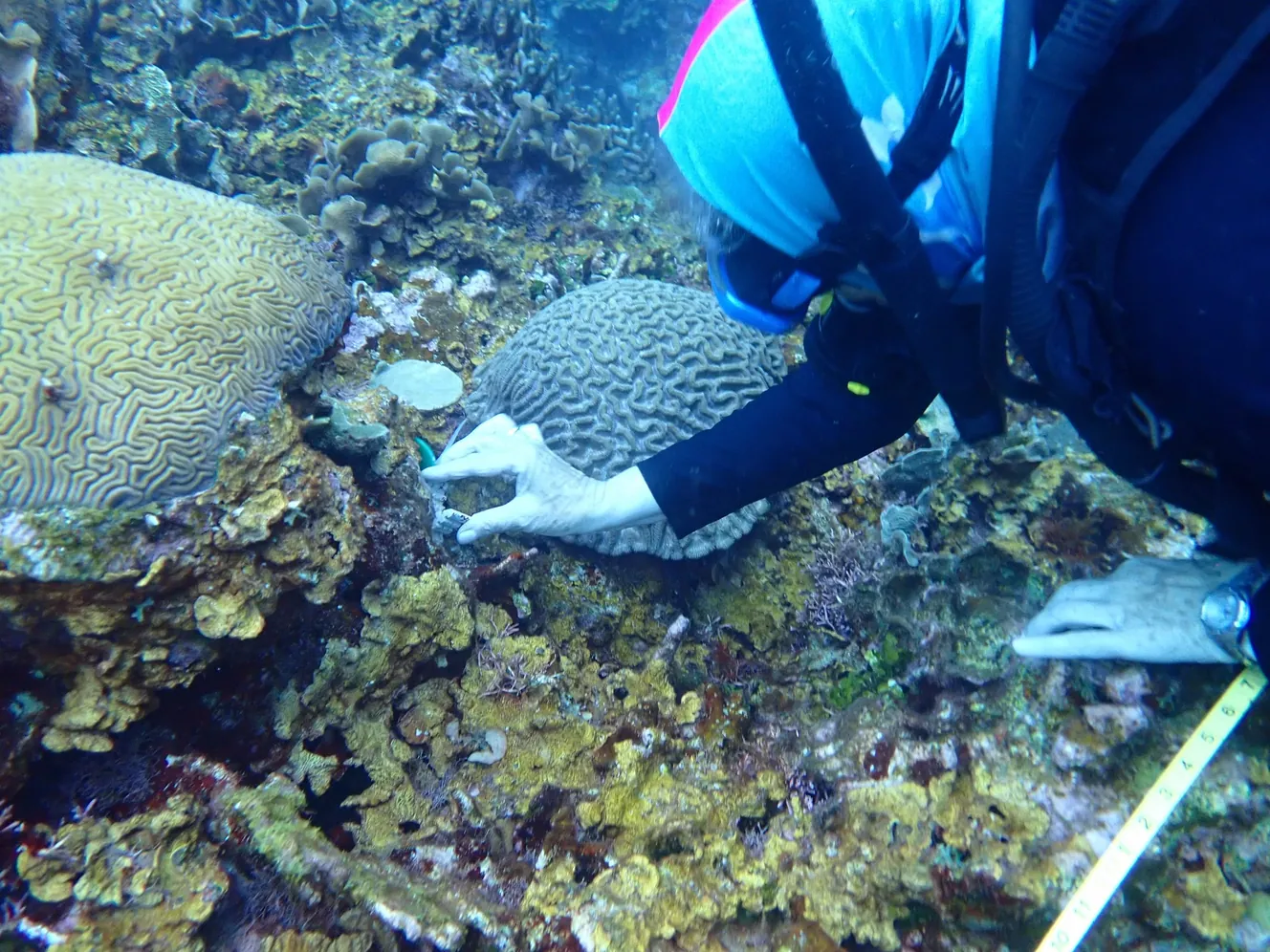
What does the most harm is contact. In that study, 74% of scuba divers touched the bottom at least once, averaging 5.39 contacts per diver, mostly those with lower certification levels; in snorkeling, three out of four operators gave no briefing. So: choose an operator that explains the trail before you get in and ties up to a mooring buoy, not an anchor; do not stand on or grab the coral; do not feed the fish. Colombia Travel asks visitors to use sunscreen free of chemicals harmful to the reef and to leave no trash. El Espectador recommends paying the entry fee and carrying accident insurance. According to National Parks, only a third of visitors pay it.
Hours, prices and conditions can change: confirm with the organizer or the venue before you go.
Sources
- Colombia Travel (ProColombia): buceo en Cartagena ↗
- Colombia Travel (ProColombia): guía para bucear en Colombia, buenas prácticas ↗
- Cuadernos de Investigación UNED: impacto del turismo sobre los arrecifes del PNN Corales del Rosario y San Bernardo (junio 2016) ↗
- El Espectador: Parque Corales del Rosario y de San Bernardo 2026, lo que necesita saber (mayo 2026) ↗
- El Universal: Oceanario Islas del Rosario, cómo llegar (abril 2026) ↗
- Ministerio de Ambiente: alerta por blanqueamiento de arrecifes coralinos (noviembre 2023) ↗
- Mongabay Latam: las acróporas desaparecen del Caribe colombiano (junio 2026) ↗
- Mongabay Latam: corales de Cartagena y sedimentos del Canal del Dique (julio 2018) ↗
- Parques Nacionales Naturales: ecoturismo en el PNN Corales del Rosario y de San Bernardo, aciertos y desaciertos (2024) ↗
- Pesquisa Javeriana: el turismo pone en jaque a los corales (agosto 2021) ↗
- Dimar: ARC Quindío, la muerte digna de un marino (noviembre 2015) ↗