
Routes / 08
From Bazurto to the table.
From market to table in a single day: produce in the morning, cooking in the evening. Best to take a taxi to the market.
This route has two stops and a whole day between them. It starts early at the Mercado de Bazurto, in the barrio Chino, about four kilometres from the Centro Histórico, and ends at night at a table in Getsemaní where much of what is served comes from the same place: the Colombian Caribbean. Take a taxi or a ride-hailing car to the market; from the Centro it is 10 to 20 minutes, depending on traffic.
A market that left Getsemaní
Bazurto was not always where it is. For much of the 20th century, Cartagena's public market stood in Getsemaní, on the shore of the bahía de las Ánimas, on the site now occupied by the Centro de Convenciones Julio César Turbay Ayala. According to El Universal, the building went up early that century, and on 30 October 1965 an explosion and fire that started in a hardware store killed dozens of people. It was never rebuilt.
The move began on 22 January 1978. That day, according to the same newspaper, some 25,000 people who worked in the old market began relocating to Bazurto, in the Martínez Martelo neighbourhood, next to the ciénaga de Las Quintas. On the land left empty in Getsemaní, work on the Centro de Convenciones began that same year; it opened on 19 March 1982. So the route runs from today's market to the neighbourhood of the old one.
Morning at Bazurto
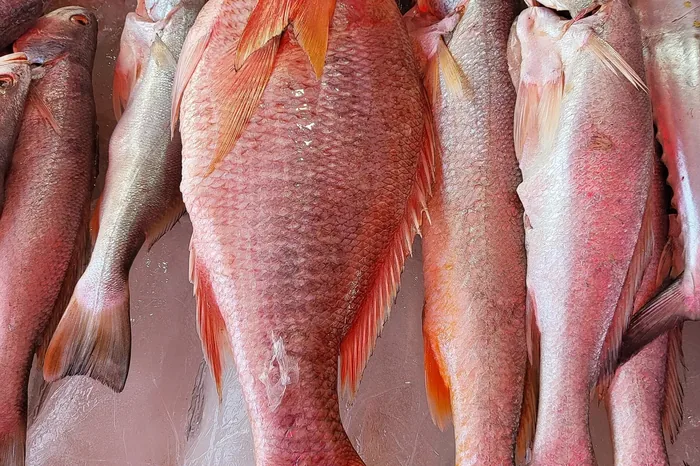
Bazurto is the city's main wholesale and retail market. There is no ticket office and no entrance fee. The busiest time is between 6 and 9 in the morning, when wholesalers arrive and fish is unloaded; lobster sells fast in those first hours. On weekdays, from 7 to 10, there is a good balance between activity and temperature. After midday, it is best to avoid the fish and meat sections.
There is fish and seafood, meat, queso costeño, plantain, cassava and yam. The fruit stalls carry lulo, níspero, mamoncillo, zapote, passion fruit and corozo. The market is also for eating: fish sancocho in the morning, fried fish with rice and patacón, fritters, fresh juices, agua de panela and coconut water. Near the Avenida del Lago is the aisle known as the calle del pescado frito, where a family that arrived after the 1965 fire cooks seafood rice over charcoal and firewood, according to El Universal.
Allow between an hour and a half and three hours. Bring small notes, because almost every vendor takes cash only. Wear closed shoes: the floor is often wet and uneven. Carry just the essentials, hand sanitiser and water. Eat what you see freshly cooked at busy stalls and avoid cut fruit that has been sitting in the sun. Almost all of the market is inaccessible by wheelchair. It is best to go with someone who knows it. And expect traffic jams on the avenida Pedro de Heredia.
A market under orders to move
Bazurto could change in the coming years. In 2010 the Tribunal Administrativo de Bolívar ordered it relocated, after a class action by residents of Martínez Martelo, who complain of pollution in the ciénaga and rubbish. According to El Universal, in October 2025 a consultancy began to define the new location and the revitalisation of the area, and in November the city and the Chamber of Commerce set a work plan for what they call the Nuevo Bazurto. Santa Rosa del Norte, Turbaná and Arjona were among the options.
At night, in the blue house in Getsemaní
Between the market and dinner, the afternoon is for resting from the sun. In Getsemaní, facing the bahía de las Ánimas, the Centro de Convenciones still stands where the old market used to be. The second stop is Celele, on the Calle del Espíritu Santo (Cra. 10C #29-200), in Getsemaní. Its chef, Jaime Rodríguez Camacho, grew up in Muzo, Boyacá, and came to Cartagena about fourteen years ago. He told El Universal that he used to go to Bazurto, see the region's fruit and seafood, and wonder why the city's restaurants served salmon and asparagus.
Before the restaurant came the Proyecto Caribe Lab, which he carried out with his former partner Sebastián Pinzón: trips to markets, villages and traditional kitchens in places such as Riohacha, Montes de María and Mompox. Today the house works from a record of more than 350 products, many of them fallen out of use, and keeps researching with the Jardín Botánico Guillermo Piñeres. The name comes from a coconut-milk soup from the Caribbean savannah, and it is also the title of a champeta song. In 2025 Celele ranked 48th on The World's 50 Best Restaurants and 5th on Latin America's 50 Best, and won that organisation's sustainable restaurant award.
The menu changes with the seasons. Several reviews mention the Caribbean flower salad, the celele de cerdo and a fish salpicón with yam and coconut béchamel. You need to book through its website. According to Portafolio, it opens Monday to Saturday in low season and on Sundays too in high season; confirm days and hours before you go. That is how the day closes: what you saw at the Bazurto stalls in the morning reaches the plate at night.
- 1
Mercado de Bazurto
Fish, fruit, herbs and the noise of the real city. Best with someone who knows it.
- 2
Dinner in Getsemaní
Caribbean cooking told through produce from the region.
The best time to go
6 to 9 am to watch the fish being unloaded; 7 to 10 am on weekdays if you want it calmer.
What to bring
Small notes (almost every stall takes cash only), closed shoes, hand sanitiser, water and only what you need in your pockets.
How long to spend at each stop
- Mercado de Bazurto — an hour and a half to three hours
- Dinner in Getsemaní — dinner, booked ahead
Where to stop and eat
Bazurto is a place to eat: fish sancocho in the morning, fried fish with rice and patacón, juices and coconut water, and near Avenida del Lago the so-called fried-fish street. Between the market and dinner there is the afternoon; if you want lunch in the Centro, Kanibal opens from noon at Casa Salvaje.
Shade and water
Go early: on weekdays, from 7 to 10 am, there is a good balance between bustle and temperature. After midday, better to avoid the fish and meat areas. Carry water.
At night
The night is for the second stop, in Getsemaní. The market is a morning plan: to the Centro and back by taxi or ride-hailing car.
Accessibility
Almost the whole market is inaccessible by wheelchair. The floor is often wet and uneven: wear closed shoes.
Frequently asked questions
Is there an entry fee at Bazurto?
No. It is a public market, with no ticket office.
How do I get there from the Centro?
By taxi or ride-hailing car: 10 to 20 minutes, depending on traffic on Avenida Pedro de Heredia.
Do I need to book Celele?
Yes, through its website. According to Portafolio it opens Monday to Saturday in low season and on Sundays too in high season; confirm first.
Nearby
- Cerro de La Popa lookout · 13 min walk
- Convento de Santa Cruz de La Popa · 15 min walk
- María Julio Coffee Shop · 22 min walk
Foto: Xemenendura / Wikimedia Commons (CC BY-SA 4.0)
Sources · 14
- Nomado Travel: Mercado de Bazurto ↗
- El Universal: Mercado de Bazurto (dic. 2025) ↗
- OpenStreetMap/Nominatim (coordenadas de paradas, consultado 2026-11-07) ↗
- El Universal: así va el proceso para trasladar el Mercado de Bazurto (ene. 2026) ↗
- El Universal: la explosión que marcó a Cartagena en 1965 ↗
- El Universal: así fueron los últimos días del antiguo mercado en el Centro ↗
- El Universal: otra piedra en el camino para el traslado de Bazurto (2023) ↗
- El Universal: Mercado de Bazurto, la lucha del diario vivir ↗
- El Universal: Jaime Rodríguez, el chef que honra los sabores del Caribe (mar. 2026) ↗
- Portafolio: Celele, «nuestro menú cambia al ritmo de la naturaleza» ↗
- Latin America's 50 Best: Celele ↗
- Blu Radio: Celele en The World's 50 Best 2025 ↗
- celelerestaurante.com (chef, Caribe Lab, casa azul) ↗
- Casa Salvaje: Kanibal (horario) ↗