
Diving / Dive sites
Varadero Reef: the coral that survives in Cartagena Bay
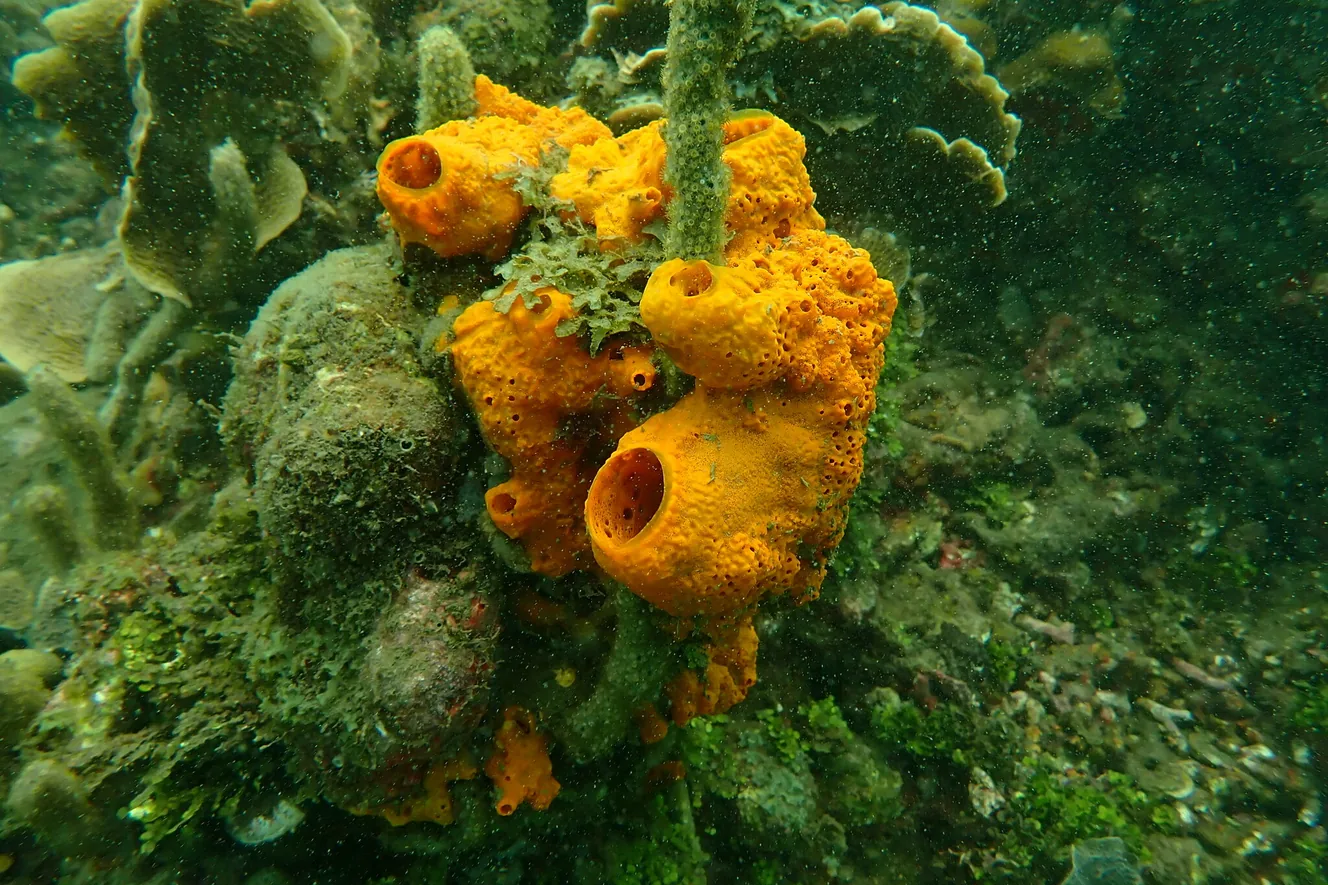
A healthy reef where no one expected one: at the mouth of the bay, facing the Canal del Dique, with colonies over a century old.
- Depth
- A few metres below the surface, according to Mongabay (2018)
- Where
- Cartagena Bay, between Isla Draga and the Bocachica channel to the north, Punta Gigante and the island of Barú to the south, the Coquito lagoon to the east and the Caribbean Sea to the west; on the northern edge of the Corales del Rosario y de San Bernardo National Natural Park
- Getting there
- By sea only. We found no operators with regular trips and no published rules for diving Varadero, which lies next to the Bocachica channel, the ships' entrance to the bay. If a certified dive center offers to go, ask about permits and shipping traffic.
- Before you go
- We found no published rules for visiting it. If you go with a certified dive center, make sure it has clear permits and keeps watch for ship traffic in the Bocachica channel. Do not touch or collect coral, do not anchor on the reef and report bleached coral to Invemar with photos or videos, as the Ministry of Environment asks.
For decades it was taken for granted that Cartagena Bay had lost its corals. Mongabay reported in 2018 that in 1950 the bay's water was clear and blue, with coral patches like those at Cholón and the Rosario Islands. Then came the sediment. Varadero partly disproved that story: a living reef at the mouth of the bay, at the door of one of the busiest port areas in the Caribbean.
According to El Universal, the reef lies between Isla Draga and the Bocachica channel to the north; Punta Gigante and the island of Barú to the south; the Coquito lagoon to the east; and the Caribbean Sea to the west. Mongabay places it on the northern edge of the Corales del Rosario y de San Bernardo National Natural Park, between Tierra Bomba and Barú, about 6 kilometres east of the main mouth of the Canal del Dique.
A reef that should not be there
El Tiempo credits the scientific discovery to researcher Valeria Pizarro, of the Ecomares Foundation, in February 2013. According to Mongabay, it happened while she was relocating coral colonies for the environmental studies of a second access channel for deep-draft ships. What they thought were scattered colonies turned out to be a complete reef. For the neighbouring Afro-Colombian communities it was nothing new: they have fished there for decades, and in the 1980s it was a recreational dive site.
Mongabay describes a reef of about 102 hectares, a few metres below the surface, with a layer of murky water about two metres above it. Invemar recorded 32 species of hard reef-building corals, 26 of soft corals, 5 of black coral, 120 fish species and 39 easily detected invertebrates. About 90% of the coral cover was in good condition, with colonies over a hundred years old. Black sea urchins, which had vanished from the bay in the 1980s, are also abundant.
The Dique and the channel
The underlying threat is the Canal del Dique, which links the bay with the Magdalena River over 118 kilometres. According to Mongabay, dredging and straightening in the 1980s cut its meanders from 270 to 50, and the canal began carrying more sediment to the sea. Parques Nacionales blames that process for the death of about 80% of the corals of Rosario and San Bernardo. Studies cited in the same report estimate that some 2,000 tonnes of sediment reach the reef area every day.
The other threat was the port. In 2018, the port modernization project with a second access channel through Bocachica could have directly destroyed 25% of the reef and affected 50%. In 2023 the Ministry of Environment listed Varadero among the sites in the country with reports of bleaching caused by the marine heatwave.
Protection, in progress
Varadero still has no official protection status. Since 2018 the organization Mission Blue has recognized it as a Hope Spot, and since 2021 it has appeared in Invemar's Atlas of Coral Areas of Colombia. According to El Universal, Cardique, the environmental authority for the Canal del Dique, is leading the designation of a new marine and coastal protected area in the bay and northern Barú, with prior consultation of communities since 2025. El Tiempo reported in August 2026 that the proposed area covers 2,731 hectares.
The citizen initiative Salvemos Varadero monitors that process through its Varadero Participa project, under the Ministry of Environment's Alerta Por Mi Ambiente programme. El Tiempo estimates that some 15,000 residents of Caño del Oro, Bocachica, Pasacaballos, Ararca, Santa Ana, Barú and the Zenú community of Kainzerupab would benefit directly. If you ever dive Varadero, do it knowing it is a reef with no park to look after it: touch nothing and take nothing.
Vida en el arrecife de la bahía (5)
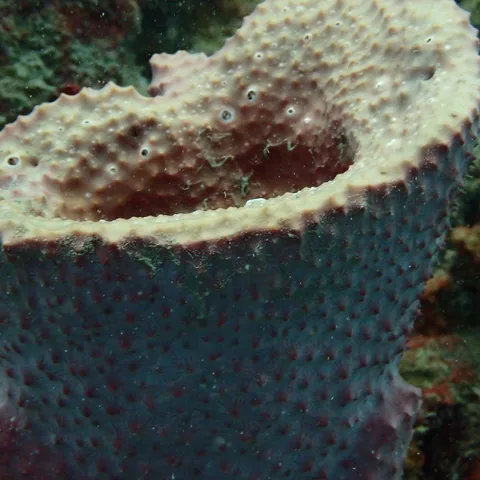
Vase spongeIrcinia campanaFoto: Eric Crandall / iNaturalist · CC BY 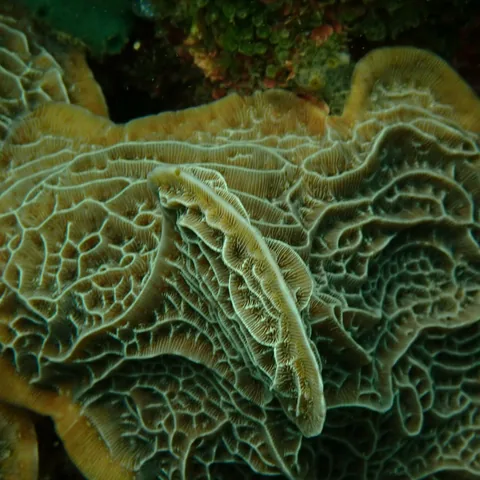
Lettuce coralAgariciaFoto: Eric Crandall / iNaturalist · CC BY 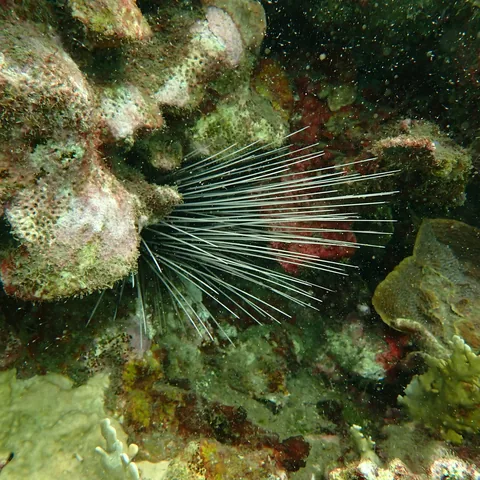
Long-spined sea urchinDiadema antillarumFoto: Eric Crandall / iNaturalist · CC BY 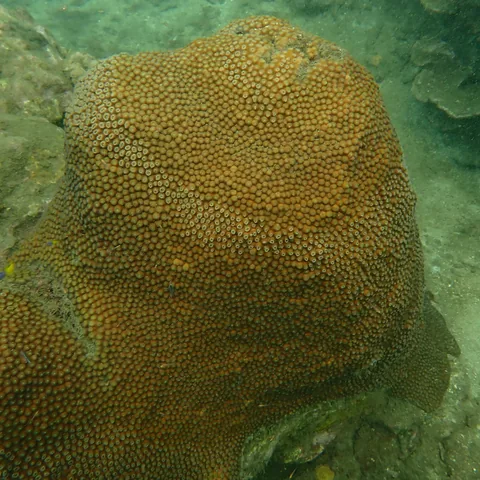
Great star coralMontastraea cavernosaFoto: Eric Crandall / iNaturalist · CC BY 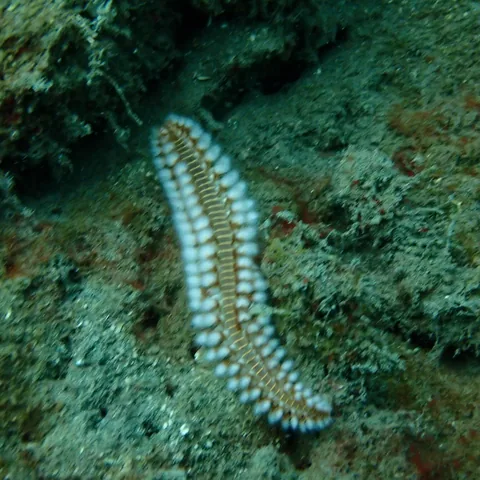
Bearded firewormHermodice carunculataFoto: Eric Crandall / iNaturalist · CC BY
Hours, prices and conditions can change: confirm with the organizer or the venue before you go.
Sources
- Mongabay Latam: la milagrosa supervivencia de los corales de Varadero en la bahía de Cartagena (julio de 2018) ↗
- El Universal: corales de Varadero, iniciativa ciudadana vigila su protección en Cartagena (agosto de 2026) ↗
- El Tiempo: Cartagena avanza en la protección de 2.731 hectáreas del arrecife de Varadero (agosto de 2026) ↗
- Ministerio de Ambiente: entre el 70 % y el 80 % de los arrecifes coralinos del país han presentado blanqueamiento (noviembre de 2023) ↗
Diving in Cartagena: reefs, shipwrecks and the story of the sea →