
Diving / Dive sites · About two hours by boat from Cartagena
San Bernardo archipelago: Columpios, Bajo Isa, Dapena and the other authorized sites
The park's other archipelago, farther away and less studied, with six snorkelling and dive sites set by official coordinates.
- Level
- At Columpios, Galpas and Llantas, snorkelling with no certification needed. At Bajo Isa, Bajo Medio 2 and Dapena, scuba diving; the management plan refers to recreational Open and Advanced diving.
- Where
- San Bernardo archipelago, southern sector of the Corales del Rosario y de San Bernardo National Natural Park, off the coast of Sucre, around islands such as Tintipán, Múcura and El Islote
- Getting there
- By sea from Cartagena, in about two hours, or from the Sucre coast: Parques Nacionales records boats arriving from Tolú and Coveñas, and there are dive centers in Rincón del Mar. Dive with a certified center.
- When to go
- Year-round. Colombia Travel warns that some areas have strong currents in certain seasons; check sea conditions with your dive center.
- Before you go
- Dive with a center that knows the archipelago and confirms the site is on the authorized list. Do not enter the untouchable zone around Isla Mangle. Insist on a mooring or anchoring on sand, never on coral or seagrass. Do not touch the coral and pay the park entry fee.
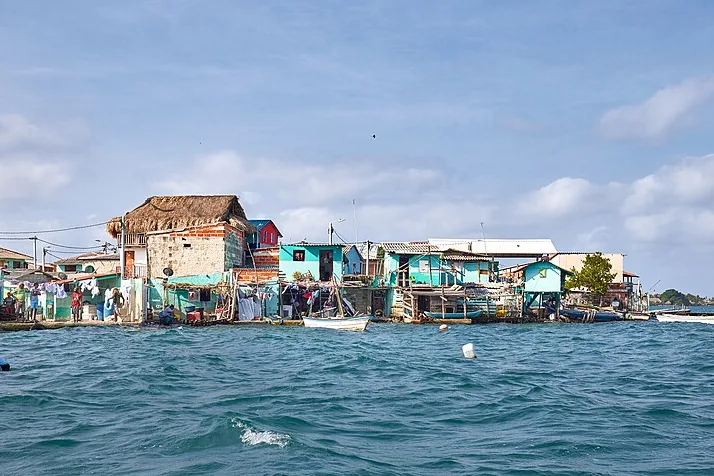
South of the Rosario Islands, off the coast of Sucre, lies the San Bernardo archipelago. It joined the national park in 1996, when a resolution of the Ministry of the Environment enlarged the old Los Corales del Rosario park to about 120,000 hectares and gave it its current name. Colombia Travel, ProColombia's portal, estimates about two hours by boat from Cartagena to San Bernardo and one to the Rosario Islands.
The best-known islands are Múcura and Tintipán. Colombia Travel says Múcura, together with the Rosario Islands, holds the most extensive coral formation in the country, and that at night you can swim among bioluminescent plankton in mangrove lagoons. In April 2025 Semana presented Tintipán as a place to dive among reefs, reached from Cartagena or from Tolú. A May 2026 guide in El Espectador names Tintipán as one of the places in the park with spaces for snorkelling and diving.
The six sites in the rules
Parques Nacionales' Resolution 273 of 2007, which sets where diving is allowed in the park, has its own list for San Bernardo. For snorkelling it authorizes Columpios (9° 48.476' N, 75° 49.923' W), Galpas (9° 48.843' N, 75° 51.625' W) and Llantas (9° 48.464' N, 75° 49.911' W). For scuba, Bajo Isa (9° 49.296' N, 75° 49.942' W), Bajo Medio 2 (9° 50.253' N, 75° 51.771' W) and Dapena (9° 47.254' N, 75° 50.570' W).
Columpios and Llantas lie almost on the same spot, a few dozen metres apart according to their coordinates. Beyond their names and location, we found no official or press sources describing the depth, terrain or wildlife of each site. If you dive here, your center's guide is the one who will tell you what to expect.
The same resolution defines the channels into the archipelago, marked with buoys: north of Tintipán, north and southeast of Múcura, southeast of El Islote and between the islands of Mangle and Panda. It bans anchoring on coral or seagrass and allows only private boats with park authorization into the Tintipán coastal lagoon.
Management plan zones
The park's management plan, adopted in 2020, divides San Bernardo into zones. Isla Mangle and the sea within 1,000 metres of it are an untouchable zone: research and monitoring only. The mangroves of Tintipán, Múcura, Ceycén and Panda, and the archipelago's coral shoals and seagrass beds, are a natural recovery zone. Recreation is limited to the northern strip of Múcura's beaches, the waters off the community beach on the north side of Tintipán and the Salsipuedes and La Negra lagoons. There, swimming and snorkelling are allowed, as is recreational Open and Advanced diving at the sites in Resolution 273.
Less data, more caution
San Bernardo has been studied less than the Rosario Islands. The carrying-capacity technical document that Parques Nacionales published in 2023 acknowledges that the calculation is still missing for these islands, where tourists already arrive by boat from Tolú and Coveñas. In a 2024 review, the park itself said this sector needs an ecotourism working group bringing together Cartagena, the Sucre municipalities and businesses.
Colombia Travel warns that some areas of San Bernardo have strong currents in certain seasons. That is why it is wise to dive with a center that knows the area. PADI lists centers such as Rincon Dive Center, in Rincón del Mar (Sucre), which dives these islands. The precautions are the same as elsewhere in the park: buoyancy control, no touching the coral, reef-friendly sunscreen and paying the entry fee.
San Bernardo, sus islas y su mar (3)
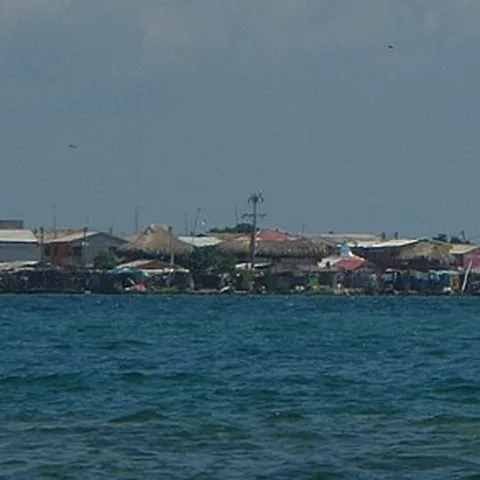
Santa Cruz del Islote from MúcuraFoto: XibalbaWikiCommons / Wikimedia Commons · CC BY-SA 3.0 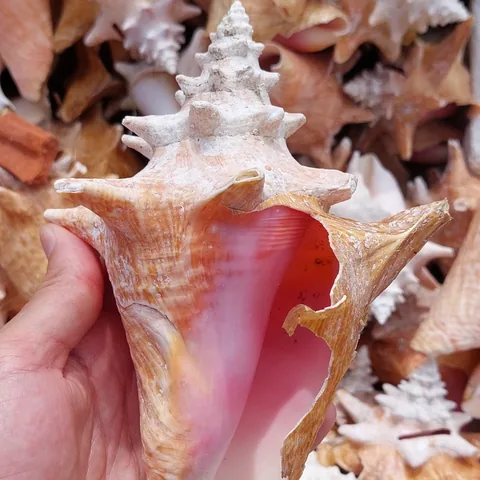
Queen conch, a protected speciesAliger gigasFoto: Juan Carlos Caicedo Hernández / iNaturalist · CC BY 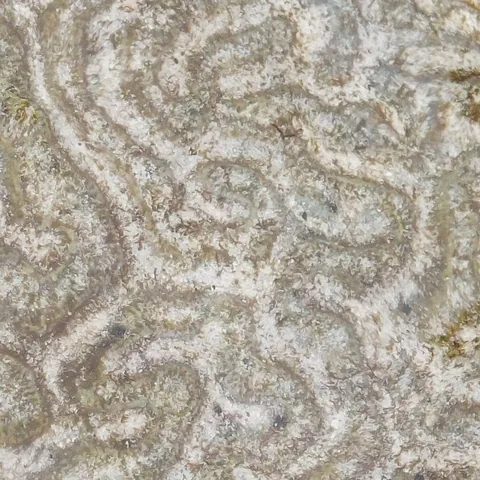
Brain coralFaviidaeFoto: Juan Carlos Caicedo Hernández / iNaturalist · CC BY
Hours, prices and conditions can change: confirm with the organizer or the venue before you go.
Sources
- Parques Nacionales Naturales: Resolución 0273 de 2007, canales de navegación y sitios permitidos para buceo y amarre en el PNN Corales del Rosario y de San Bernardo ↗
- Parques Nacionales Naturales: Resolución 0160 de 2020, Plan de Manejo del PNN Los Corales del Rosario y de San Bernardo ↗
- Parques Nacionales Naturales: proyecto de resolución que adopta la capacidad de carga de sitios del PNN Corales del Rosario y de San Bernardo (2023) ↗
- Colombia Travel (ProColombia): Islas del Rosario y de San Bernardo ↗
- Colombia Travel (ProColombia): buceo en Cartagena ↗
- El Espectador: Parque Corales del Rosario y de San Bernardo 2026, lo que necesita saber antes de ir (mayo de 2026) ↗
- Semana: la isla escondida del Caribe colombiano ideal para bucear, Tintipán (abril de 2025) ↗
- PADI: Rincon Dive Center, Rincón del Mar (Sucre) ↗
- Parques Nacionales Naturales: ecoturismo en el PNN Corales del Rosario y de San Bernardo, aciertos y desaciertos (2024) ↗
Diving in Cartagena: reefs, shipwrecks and the story of the sea →