
Diving / Cartagena and the sea
Shipwrecks and tragedies of the 20th century in the sea off Cartagena
A tug in the bay, schooners in wartime, a destroyer bound for port and a plane that fell into the sea off La Boquilla.
- Where
- Cartagena Bay, the La Boquilla coast and the sea routes out of the port
- Before you go
- Go to sea only on authorised boats and from approved piers, wearing a life jacket for the whole trip. In an emergency: Coast Guard line 146 or marine VHF channel 16.
Cartagena's shipwrecks are not only a matter of galleons. The 20th century, with engines, radios and aircraft, also left ships on the seabed and families in mourning. This is a short list of documented cases, told with the facts published by the press and the available records, without embellishment.
1940: a collision in the bay
On 24 August 1940 the Peacock, a former US Navy minesweeper converted into a salvage tug and chartered to commercial interests, collided off Cartagena with the Norwegian merchant ship Hindanger and sank. Three of her 26 crew died, according to the list of shipwrecks for that month on Wikipedia. Its story and that of its hull have their own entry in this section.
1942 and 1955: the routes out of the port
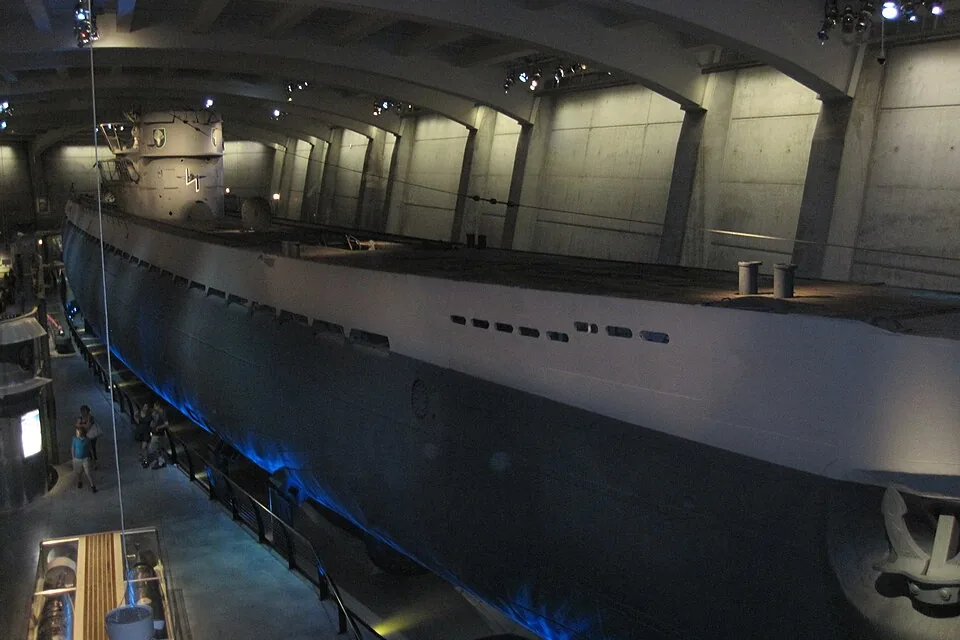
During the Second World War, submarine warfare reached ships sailing from Cartagena. The schooner Resolute left on 6 June 1942 with cargo and passengers for San Andrés, and on 23 June a German submarine attacked her some 35 miles from the island. Six people, a child among them, were killed by the submarine's gunfire as they clung to the hull; the survivors rowed to San Andrés. The vessel's logs later showed it was U-172. Around 22 July the 110-ton schooner Roamar, also out of Cartagena, vanished near the archipelago with no wreckage and no survivors; the log of U-505 supports the suspicion of an attack. Semana reconstructed these events in 2021.
On 28 February 1955 eight crew members of the destroyer ARC Caldas fell overboard on a voyage to Cartagena. Seven drowned. The eighth, Luis Alejandro Velasco, survived ten days on a raft without food or water until he reached a beach near San Juan de Urabá. The official version blamed a storm. Velasco told Gabriel García Márquez, then a reporter at El Espectador, that there had been no storm and that the ship was overloaded, partly with contraband. The 14-part series the paper published that year earned the journalist the hostility of Gustavo Rojas Pinilla's government, and in 1970 it became the book The Story of a Shipwrecked Sailor. According to a biographical account, the accident happened some two hundred miles from the port.
14 January 1966: the flight that fell off La Boquilla
On the night of 14 January 1966 an Avianca Douglas C-54, the military version of the DC-4, registration HK-730, took off from Crespo airport, now Rafael Núñez, bound for Bogotá. It was Flight 03. The tower cleared it for take-off at 20:50. According to the Wikipedia entry, which draws on the final report of the International Civil Aviation Organization and on the El Tiempo archive, the aircraft climbed about 21 metres, began to descend and fell into the sea, in shallow water, some 1,300 metres from the runway.
There were 64 people on board, 60 passengers and 4 crew. Fifty-six died and 8 survived. The first to arrive were the fishermen of La Boquilla, who pulled most of the survivors out of the water, El Universal recalled. The investigation lasted 14 months and considered engine failure possible though unproven; poor maintenance and inadequate inspections were also suspected. Another version speaks of a stall after a false fire alarm and pilot error. The sources do not fully agree on the cause.
The sea today
Emergencies have not gone away, but the response is different. In 2025 Dimar investigated three incidents in Cartagena: in February a sunset cruise boat with 30 people sank in the inner bay; in early March a boat with 42 people bound for Isla Palma went down off Punta Barú, and on 20 March another with 40 people sank near Punta Gigantes. There were no victims in any of them. The maritime authority placed inspectors at the departure piers and reminded passengers that life jackets are compulsory for the whole trip, El Universal reported.
In July 2026 the Navy rescued three fishermen from Tierra Bomba who had been adrift for more than 19 hours, 12 nautical miles from Isla Tintipán; a sailing boat spotted them and raised the alarm. The advice applies to fishermen, tourists and divers alike: check the boat before setting out, wear a life jacket and report any emergency to the Coast Guard line 146 or marine VHF channel 16. For diving, that means going out only with authorised centres and boats.
Hours, prices and conditions can change: confirm with the organizer or the venue before you go.
Sources
- Wikipedia (inglés): Avianca Flight 03 ↗
- El Universal: 15 años de la tragedia del avión de Intercontinental (recuerda el accidente de Avianca de 1966 y el rescate de los pescadores de La Boquilla) ↗
- Wikipedia (inglés): USS Peacock (AM-46) ↗
- Wikipedia (inglés): List of shipwrecks in August 1940 ↗
- Semana: Cuando Colombia sintió los tiros de la Segunda Guerra Mundial (diciembre 2021) ↗
- Wikipedia (inglés): ARC Caldas (1933) ↗
- Wikipedia (inglés): The Story of a Shipwrecked Sailor ↗
- Biografías y Vidas: Relato de un náufrago, de Gabriel García Márquez ↗
- El Universal: van 3 investigaciones por accidentes marítimos en Cartagena (marzo 2025) ↗
- El Universal: así fue el rescate de 3 pescadores de Tierrabomba que tenían casi un día a la deriva (julio 2026) ↗
Diving in Cartagena: reefs, shipwrecks and the story of the sea →