
Diving / Wrecks to dive
San Martín de Pajarales wreck
An old fishing boat at 15 metres, sheltered by the Oceanario's island, which ProColombia and Colombia Travel list among the Rosario's regular sites.
- Depth
- 15 to 18 metres, according to ProColombia's diving guide
- Level
- ProColombia rates it 'beginners and up'. At that depth, the sensible minimum is Open Water, which qualifies you to 18 metres, with a guide. Enter the hull only if the dive center allows it.
- Where
- Nuestra Señora del Rosario archipelago, next to San Martín de Pajarales island, home of the Oceanario, inside the Corales del Rosario y de San Bernardo National Natural Park
- Getting there
- By boat, with a certified dive center that includes the site in its trips. It is not a snorkeling spot: it is a scuba dive.
- When to go
- Diveable all year. According to ProColombia, the trade winds blow from December to March and currents pick up in open water; from July to October the sea is calmer, although visibility can drop to about 10 metres because of sediment from the Canal del Dique. Check sea conditions with the dive center.
- Before you go
- Go with a certified dive center and with the right certification for 18 metres. Do not touch the hull or the coral, and do not take anything: it is a national park. If you enter the boat, do so only with a guide and without stirring up silt. Watch your air and no-decompression time. Ask whether the site is authorized for scuba.
When people talk about wrecks in Cartagena, the conversation usually turns to Barú, the Quindío or Tierra Bomba. But in the Rosario archipelago there is a boat that has appeared for years on official tourism lists: the San Martín de Pajarales wreck. Colombia Travel, the country's promotion portal, names it first among the highlight dive sites in the islands, alongside the Isla Pavitos wall and Isla Gloria. The specialist diving guide published by ProColombia gives it an entry of its own.
A fishing boat by the island
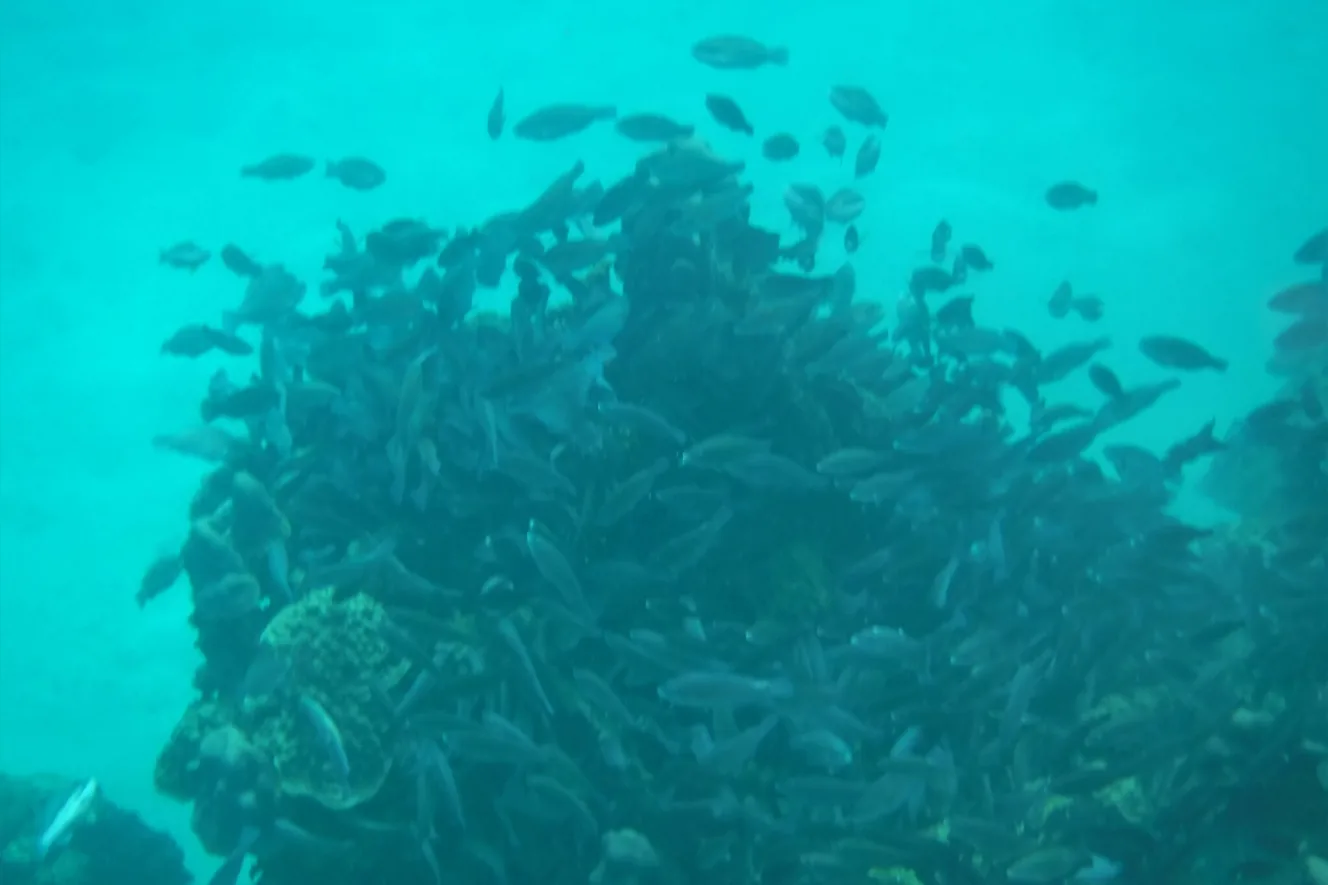
According to that guide, it was a fishing boat. It lies between 15 and 18 metres and, being close to the island, is sheltered from the currents, which in the Rosario can be strong in open water. Hard corals and sponges surround it, and the hull shelters many crabs and even lobsters. To the south, the reef continues in deeper platforms, with hard corals and a wall whose cracks hide more life. The guide gives visibility of 5 to 20 metres and describes the currents as variable.
We could not find where the boat came from, what it was called, when it sank or whether it was an accident or a deliberate sinking. Neither Dimar nor the press, as far as we could search, has told its story. It is a wreck named after a place, as happens with many dive sites: it is known by the island next to it.
The Oceanario's island
San Martín de Pajarales is the island of the Oceanario, one of the classic outings from Cartagena. El Universal describes it as an environmental education and marine conservation center inside the National Natural Park, with more than 1,400 animals of some 140 species from the Colombian Caribbean, which also works to restock corals, turtles and fish. Tourist boats leave from the La Bodeguita pier. For divers, this means the wreck lies in an area with heavy boat traffic in high season, and the dive boat must moor where it should.
The boat also lies inside the national park. That has practical consequences: do not touch the coral, do not take anything from the bottom and do not anchor on the reef. Before booking, ask the dive center whether the site is among those National Parks authorizes for scuba diving and how they moor there.
Who it is for
ProColombia rates it for beginners and up, and that makes sense: it is shallow for a wreck, sheltered from the current and compact. Even so, 18 metres is exactly the limit of the Open Water course, so it is not a dive to do without certification or on a try-dive. The guide adds that it is possible to enter the boat even without wreck training. Take that with care: inside any hull there are sharp edges, silt that stirs up and spaces where you lose sight of the way out. Go in only if the guide suggests it, with good buoyancy and without touching anything.
It is a good site for anyone who wants a first wreck without the depth of the Quindío or the Pedro de Heredia, and to combine on the same day with the walls of Pavitos or the trails of Isla Gloria.
Peces y corales del Rosario (2)
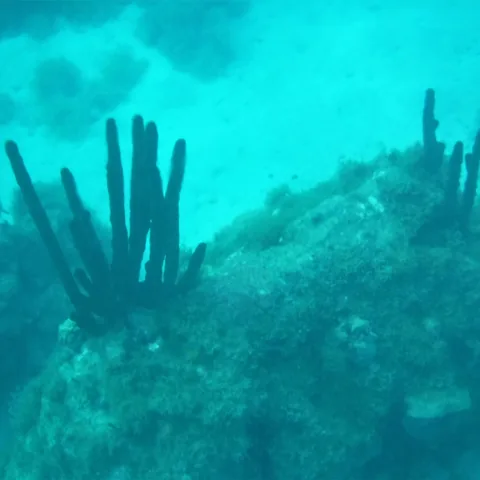
Knobby sea rodEuniceaFoto: Louis Imbeau / iNaturalist · CC BY 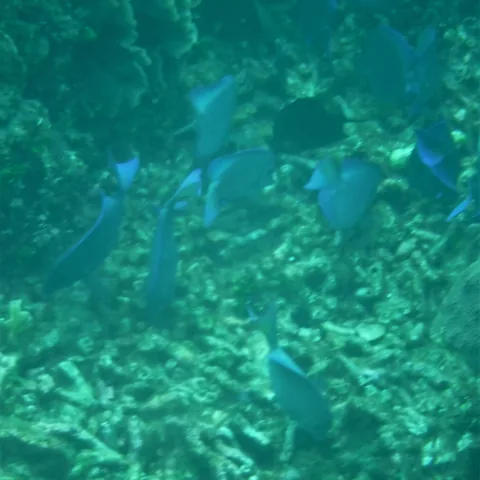
Blue tangAcanthurus coeruleusFoto: Louis Imbeau / iNaturalist · CC BY
Hours, prices and conditions can change: confirm with the organizer or the venue before you go.
Sources
Diving in Cartagena: reefs, shipwrecks and the story of the sea →